



















Sharad Navratri: Meaning, History, Rituals & Spiritual Significance 🌸🕉️
Sharad Navratri is the most widely recognized and celebrated form of Navratri, observed during the autumn season when nature reaches a stage of maturity. Unlike Chaitra Navratri, which emphasizes initiation and inner preparation, Sharad Navratri represents consolidation, strength, and the stabilization of energy.
This Navratri arrives at a moment when external life appears abundant—harvests are complete, social activity increases, and collective celebration becomes natural. Yet beneath this outward abundance lies a subtle spiritual need: grounding. Sharad Navratri exists to anchor human awareness at a time when indulgence and excess become tempting.
What Is Sharad Navratri? 🌸
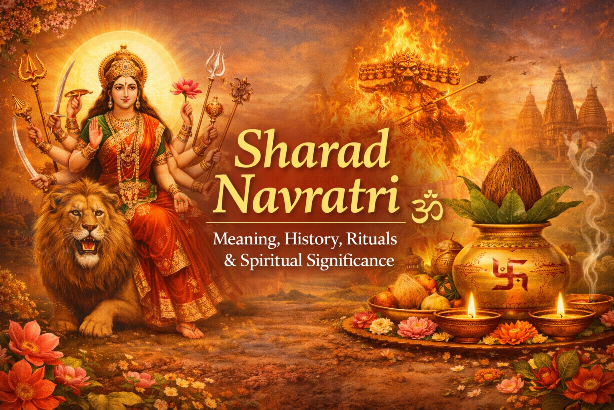
Sharad Navratri is a nine-day spiritual observance dedicated to Goddess Durga and her nine forms, celebrated during the lunar month of Ashwin. It occurs during Sharad Ritu, the autumn season, and culminates in Vijayadashami (Dussehra), symbolizing victory over imbalance and disorder.
Unlike other Navratris, Sharad Navratri evolved into a collective celebration involving temples, communities, music, dance, and elaborate rituals. However, its core spiritual intent remains rooted in discipline, restraint, and conscious living.
Why Sharad Navratri Is Spiritually Significant 🍂
Autumn represents completion. Growth has occurred, results are visible, and energy begins to settle inward. This phase carries a hidden risk: complacency. When effort yields results, awareness often weakens.
Sharad Navratri counters this tendency by reminding devotees that strength without awareness leads to imbalance. Worship during this period reinforces humility, gratitude, and responsibility.
Spiritually, Sharad Navratri teaches that true victory is not external success but inner stability.
Sharad Navratri and Seasonal Transition (Sharad Ritu) ⏳
Sharad Ritu marks the transition from monsoon to winter. The body experiences changes in immunity, digestion, and energy levels. Emotional sensitivity also increases during this time.
Ancient traditions recognized this vulnerability and prescribed structured spiritual discipline to prevent imbalance. Sharad Navratri functions as a recalibration phase, aligning the body and mind with environmental change.
Fasting, regulated routines, and devotional focus help stabilize awareness during this transition.
Mythological Foundation of Sharad Navratri 🔱
Sharad Navratri commemorates the victory of Goddess Durga over Mahishasura, a demon symbolizing chaos, arrogance, and uncontrolled desire.
In mythology, Mahishasura’s defeat is not merely physical—it represents the triumph of awareness over unchecked power. This symbolism is particularly relevant during autumn, when abundance can lead to excess.
The Goddess emerges as the force that restores balance when strength becomes destructive.
Sharad Navratri and Vijayadashami (Dussehra) 🏹
Sharad Navratri concludes with Vijayadashami, symbolizing victory over inner and outer disorder. In many traditions, it also marks the victory of Lord Rama over Ravana.
Ravana represents unchecked intellect and ego, while Rama represents disciplined wisdom guided by dharma. Ending Navratri with Dussehra reinforces the idea that spiritual power must culminate in ethical living.
This transition from Durga to Rama parallels the movement from energy to responsibility.
Navadurga Worship During Sharad Navratri 🌺
The nine forms of Durga worshipped during Sharad Navratri represent stages of inner consolidation rather than initiation.
Each form strengthens a different aspect of consciousness—courage, discernment, restraint, compassion, and wisdom. Unlike Chaitra Navratri, where the focus is awakening, Sharad Navratri emphasizes refinement.
This makes it especially relevant for those already engaged in spiritual practice.
Why Fasting Is Important During Sharad Navratri 🍃
Fasting during Sharad Navratri serves a different purpose than in spring. Here, it prevents excess rather than initiates renewal.
After the monsoon season, digestion weakens. Simplified food supports physical health while also cultivating restraint.
Mentally, fasting reduces stimulation, making it easier to maintain awareness amidst festive activity.
Sharad Navratri as a Collective Spiritual Discipline 🛕
One of the defining features of Sharad Navratri is its collective nature. Temples, communities, and households observe it together.
This collective discipline amplifies individual effort. When awareness is shared, discipline becomes sustainable rather than isolating.
Sharad Navratri demonstrates how spirituality can be lived within society rather than apart from it.
Sharad Navratri as a Period of Inner Consolidation 🧠
While Chaitra Navratri initiates growth, Sharad Navratri consolidates it. Over the months following spring, human effort—whether spiritual, professional, or emotional—produces visible outcomes. This phase of fruition brings its own challenge: attachment to results. Sharad Navratri arrives precisely at this point to prevent awareness from dissolving into complacency.
The discipline of these nine days teaches that strength must be stabilized before it turns into excess. When awareness does not keep pace with power, imbalance arises. Sharad Navratri restores equilibrium by slowing the mind, regulating behavior, and reconnecting individuals to inner responsibility.
Why Sharad Navratri Is Celebrated with Grandeur 🎶
Unlike the quiet inwardness of Chaitra Navratri, Sharad Navratri unfolds with music, dance, colors, and collective worship. This outward expression is not indulgence; it is integration.
Sharad Navratri teaches how to remain centered while participating fully in life. Garba, Durga Puja, and community rituals channel emotional energy into rhythmic structure, preventing chaos while allowing expression.
Celebration becomes a spiritual exercise—joy guided by discipline.
Sharad Navratri and the Victory Over Inner Excess 🔱
Mythologically, the defeat of Mahishasura during Sharad Navratri symbolizes the triumph of awareness over uncontrolled force. Mahishasura represents power without clarity—strength driven by ego and impulse.
Durga’s victory signifies integrated strength—power governed by wisdom. During autumn, when abundance can inflate ego, this symbolism becomes especially relevant.
Sharad Navratri reminds devotees that power is sacred only when balanced by humility.
Sharad Navratri and the Training of Emotional Stability 🌺
Autumn often heightens emotional sensitivity. The nervous system responds to environmental shifts, social gatherings, and sensory stimulation.
Sharad Navratri provides structure to this heightened emotional state. Rituals, fasting, and regulated routines create predictable rhythms, which calm the mind. This structured engagement with emotion teaches resilience—feeling deeply without losing balance.
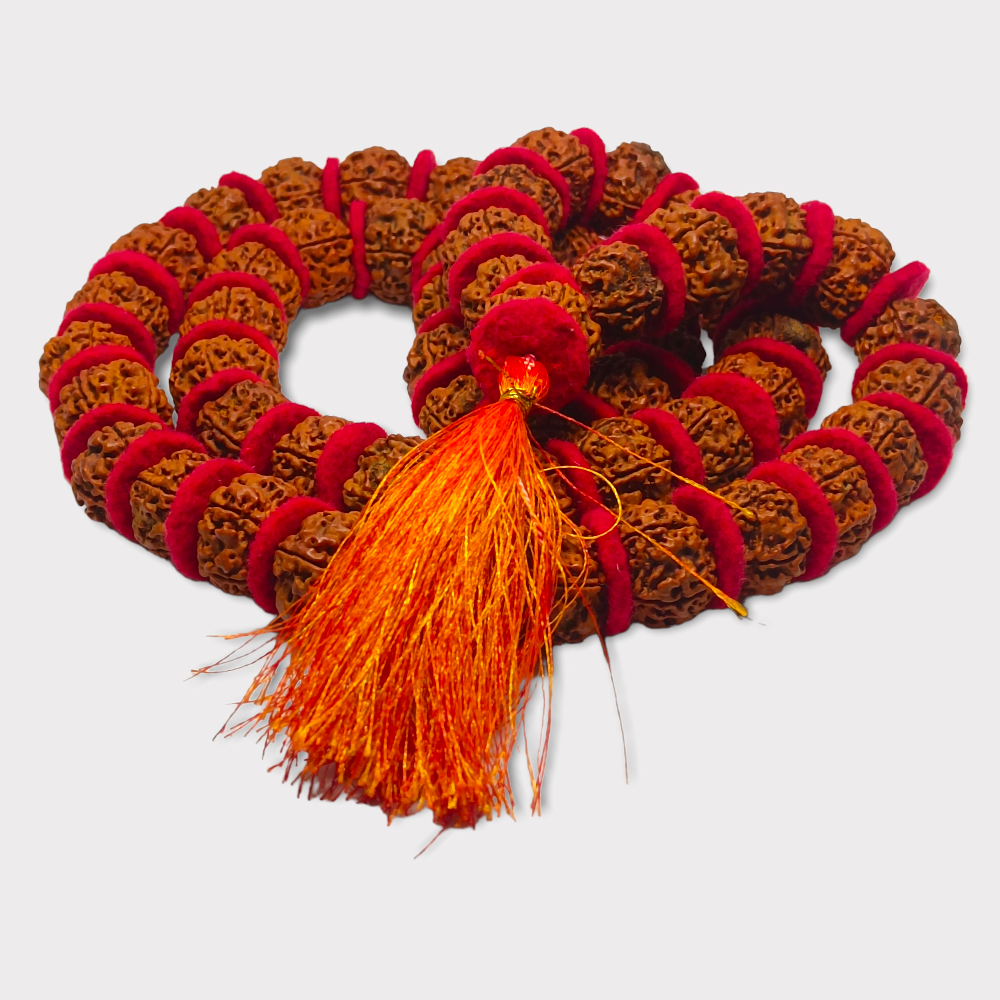
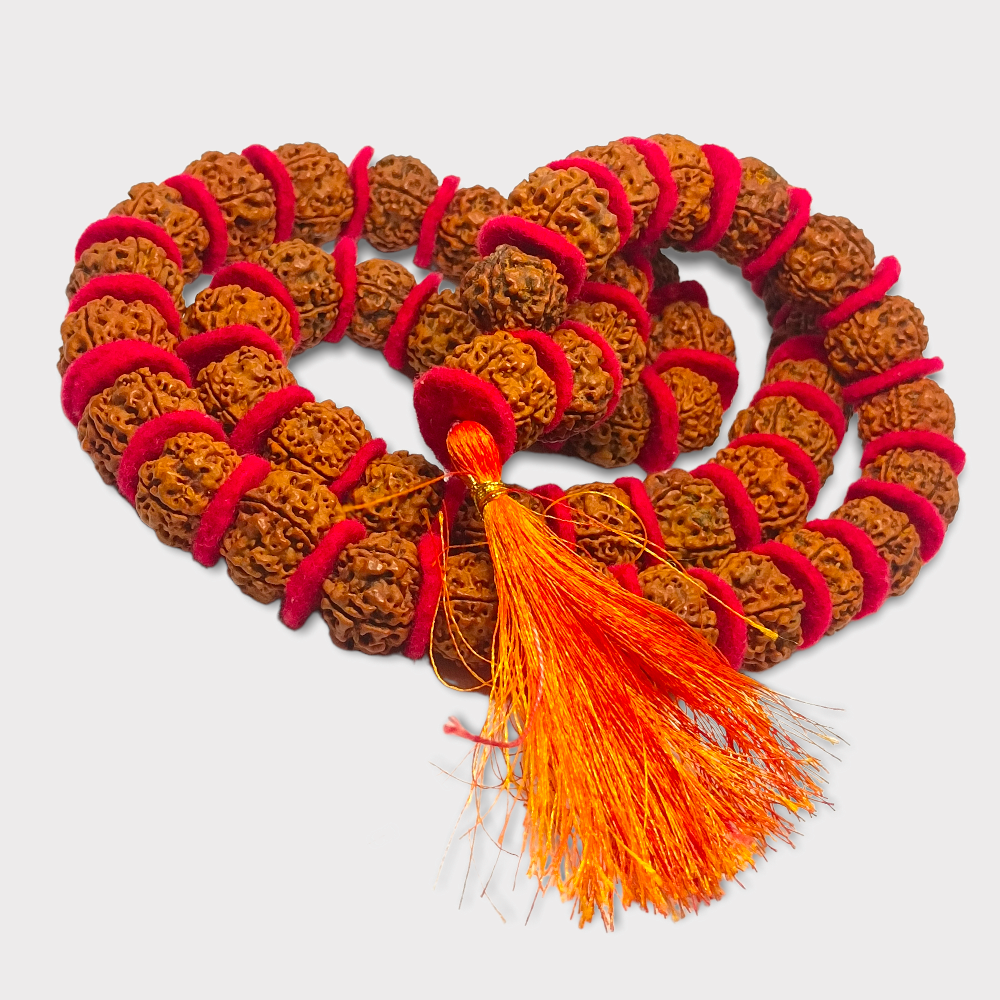
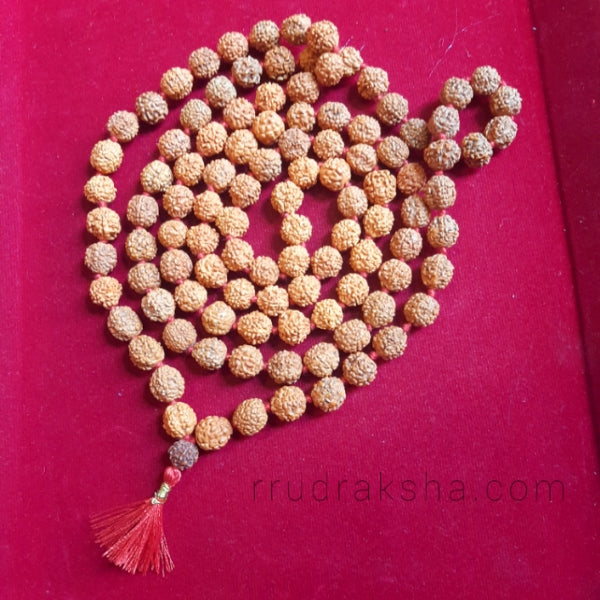
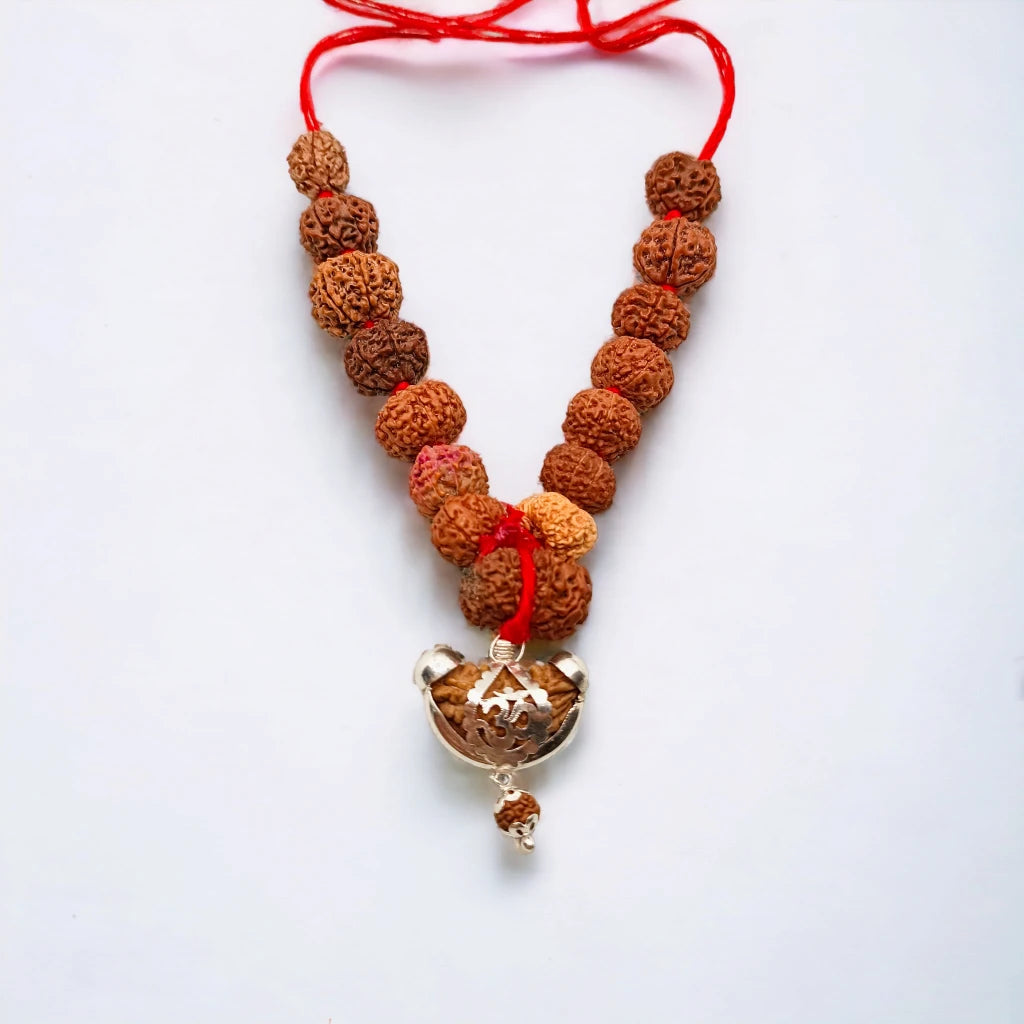
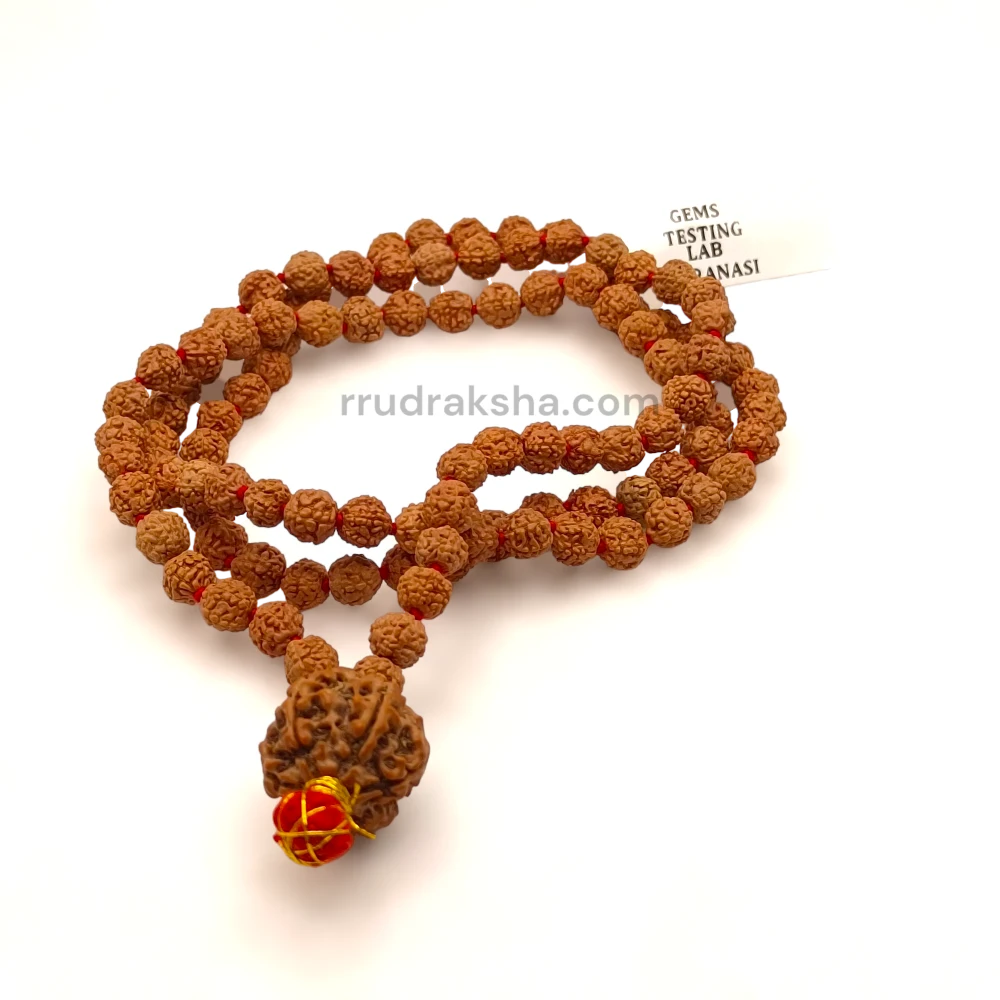
During emotionally intense periods like Navratri, many devotees choose the Rudraksha + Sphatik Combination to support calmness, clarity, and emotional balance.
Why Sharad Navratri Ends with Vijayadashami 🏹
Sharad Navratri concludes with Vijayadashami, symbolizing victory—not over others, but over inner disorder. In many traditions, it also marks Lord Rama’s victory over Ravana.
Ravana represents intellectual brilliance corrupted by ego, while Rama represents disciplined wisdom rooted in dharma. Ending Navratri with Vijayadashami emphasizes that spiritual energy must culminate in ethical clarity.
This ending reinforces accountability: awareness must translate into right action.
Sharad Navratri and Collective Consciousness 🛕
One of Sharad Navratri’s most distinctive features is its collective nature. Unlike solitary disciplines, this Navratri is lived together.
Shared rituals amplify awareness. When individuals practice discipline collectively, it becomes sustainable and inclusive.
Sharad Navratri demonstrates that spirituality does not require withdrawal from society—it requires conscious participation.
Why Sharad Navratri Returns Every Year ⏳
Human awareness naturally fluctuates. Without reminders, discipline weakens and clarity fades.
Sharad Navratri returns annually as a recalibration point, reminding individuals to reassess intentions, behavior, and alignment.
It is not a one-time correction but a recurring opportunity to restore balance.
Frequently Asked Questions (FAQs) ❓
1. Is Sharad Navratri more important than Chaitra Navratri?
No. Chaitra Navratri initiates growth, while Sharad Navratri consolidates and stabilizes it.
2. Why is Sharad Navratri celebrated with dance and music?
Structured celebration channels emotional energy into disciplined expression.
3. Is fasting compulsory during Sharad Navratri?
No. Fasting is supportive, not mandatory. Awareness remains central.
4. What is the core lesson of Sharad Navratri?
Strength must be balanced by awareness, humility, and responsibility.
✅ Conclusion ✨
Sharad Navratri as the Festival of Balanced Power
Sharad Navratri is not merely a celebration of divine victory; it is a reminder of inner responsibility.
By arriving during a season of abundance and activity, it teaches that growth without awareness leads to imbalance. The worship of Goddess Durga during this period represents disciplined power—energy guided by wisdom rather than ego.
Sharad Navratri completes the Navratri cycle by anchoring spiritual strength within everyday life, reminding devotees that true victory lies in sustaining balance long after the festival ends.
🙏 हर हर महादेव 🙏





Leave a comment