





Rudraksha in Shiva Purana – Origin, Mythology, Symbolism & Scriptural Significance 🔱
Among the countless sacred symbols found within Sanatan Dharma, few carry the depth of mythology, devotion, and spiritual symbolism that Rudraksha does. For centuries, devotees, yogis, sages, and householders have worn Rudraksha beads as part of their spiritual lives. While many people know Rudraksha as a sacred bead associated with Lord Shiva, fewer understand the profound scriptural origins of these beads as described in the Shiva Purana.
The Shiva Purana is one of the most revered texts in Hindu tradition, dedicated entirely to the stories, teachings, and spiritual philosophy of Lord Shiva. Within its pages lies the origin story of Rudraksha — a narrative that connects compassion, meditation, and spiritual awakening in a deeply symbolic way.
This detailed scriptural guide explores the origin of Rudraksha in the Shiva Purana, its symbolism, spiritual philosophy, and its lasting relevance in modern spiritual practice.
📜 Understanding the Shiva Purana
The Shiva Purana is one of the eighteen Mahapuranas, ancient texts that preserve mythology, philosophy, cosmology, and spiritual teachings. These texts were not written as historical records but as spiritual guides that combine storytelling with deep philosophical insights.
The Shiva Purana focuses on Lord Shiva, one of the principal deities of the Hindu Trinity. It describes his cosmic role, spiritual teachings, and the path of devotion and self-realization.
🌍 The Cosmic Role of Lord Shiva
In Hindu philosophy, Lord Shiva represents transformation and awareness. He is known as the Adiyogi — the first yogi — who embodies meditation, stillness, and detachment.
The Shiva Purana describes Shiva not only as a deity but as the embodiment of pure consciousness. He represents the silent awareness that exists beyond thoughts and emotions.
💧 The Origin Story of Rudraksha in Shiva Purana
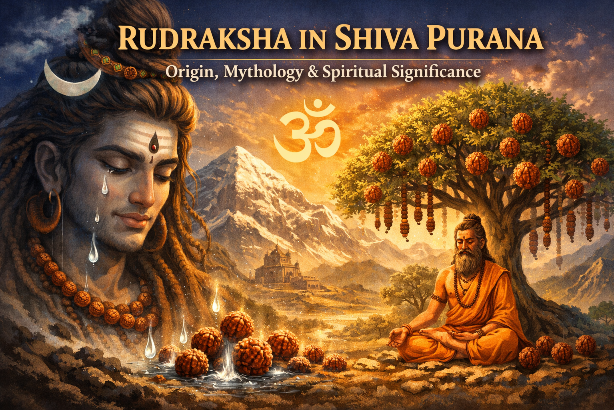
The story begins with Lord Shiva entering deep meditation for the welfare of all beings. During this meditation, he contemplated the suffering of the world and the struggles faced by humanity.
After a long period of meditation, tears of compassion fell from his eyes. When these tears touched the earth, they transformed into sacred Rudraksha trees.
This symbolic story explains why Rudraksha is associated with compassion, awareness, and spiritual discipline.
🕉️ Symbolism of Shiva’s Tears
The story of Shiva’s tears carries deep symbolic meaning. Tears represent compassion and empathy. The transformation of these tears into Rudraksha symbolizes the creation of a tool to support human spiritual growth.
🌿 Deeper Symbolism Behind the Rudraksha Origin Story
The story of Rudraksha emerging from the tears of Lord Shiva is not meant to be understood only as a literal event. Like many narratives found in the Puranas, this story is layered with symbolism. Ancient sages used storytelling to communicate spiritual truths in ways that could be remembered, shared, and contemplated across generations.
In spiritual philosophy, tears are often associated with compassion and empathy. When the Shiva Purana describes Rudraksha as the tears of Shiva, it communicates the idea that these beads symbolize divine compassion for humanity. This compassion is not sentimental; it represents awareness of the struggles, suffering, and challenges faced by living beings.
By transforming these tears into Rudraksha trees, the story conveys a profound idea: compassion gave rise to a tool that helps human beings cultivate awareness and inner balance. In this way, Rudraksha becomes a symbol of the connection between divine compassion and human spiritual effort.
🧘 Shiva as the Adiyogi – The First Yogi
To understand the significance of Rudraksha in the Shiva Purana, it is important to understand Shiva’s role as the Adiyogi. The word Adiyogi means “the first yogi” or “the origin of yoga.” In yogic traditions, Shiva is regarded as the source of meditation, discipline, and spiritual knowledge.
Ancient texts describe Shiva seated in deep meditation atop Mount Kailash, detached from worldly distractions yet deeply connected with the welfare of the universe. This image symbolizes stillness, awareness, and inner mastery.
Rudraksha became associated with Shiva because it represents the qualities he embodies: mindfulness, discipline, detachment, and awareness.
📿 Rudraksha in Yogic Traditions
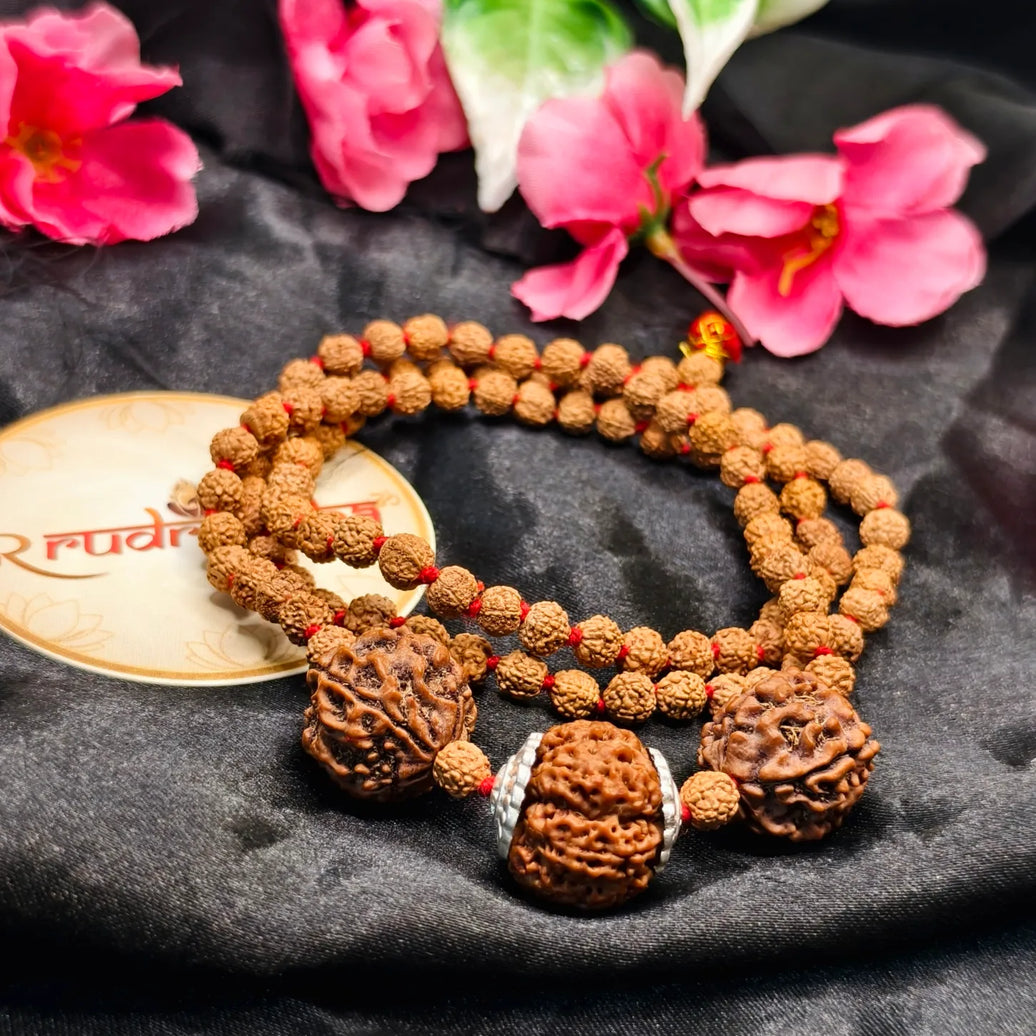
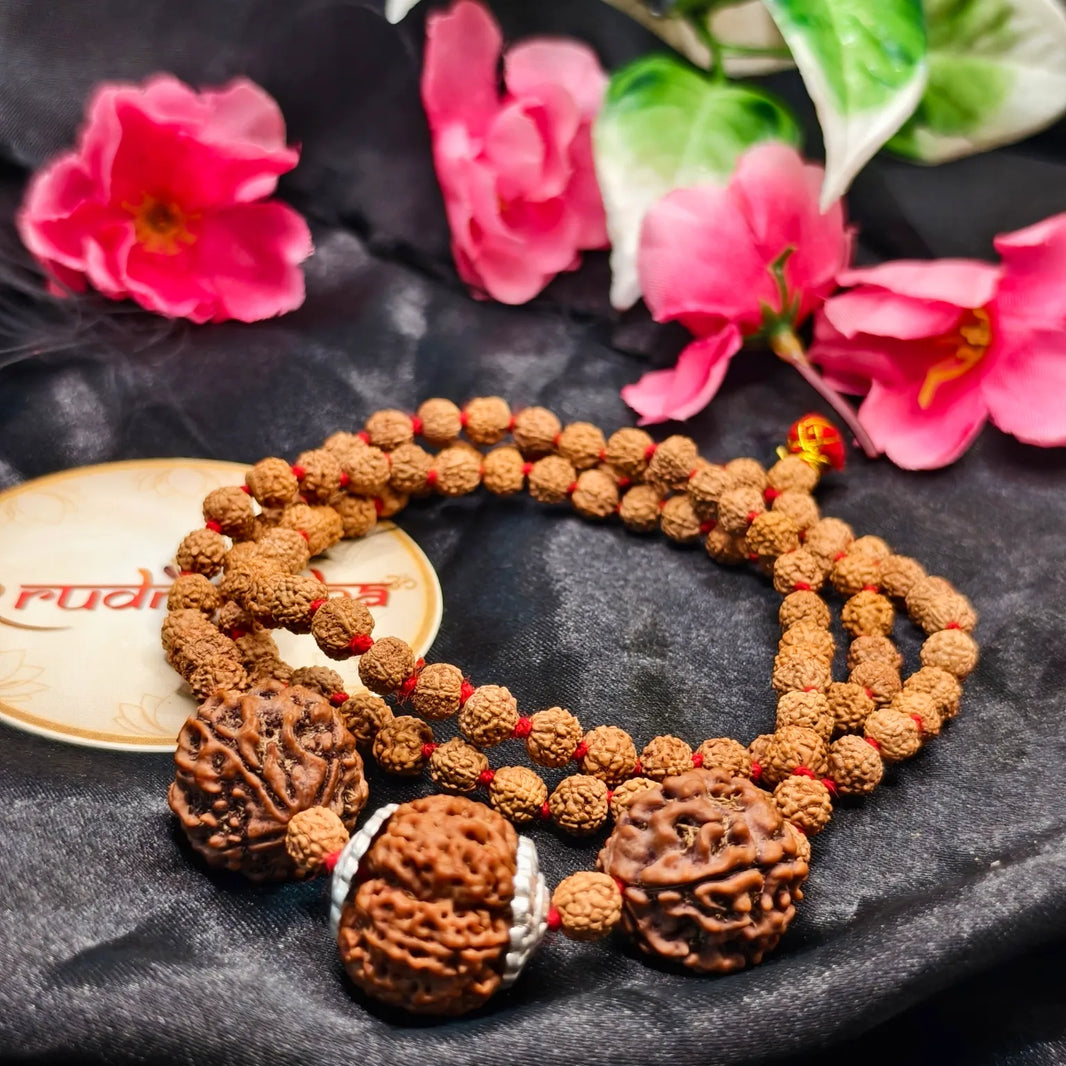
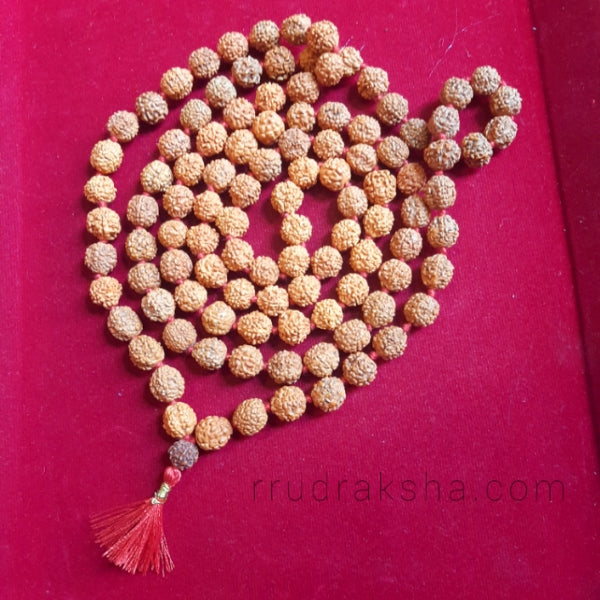
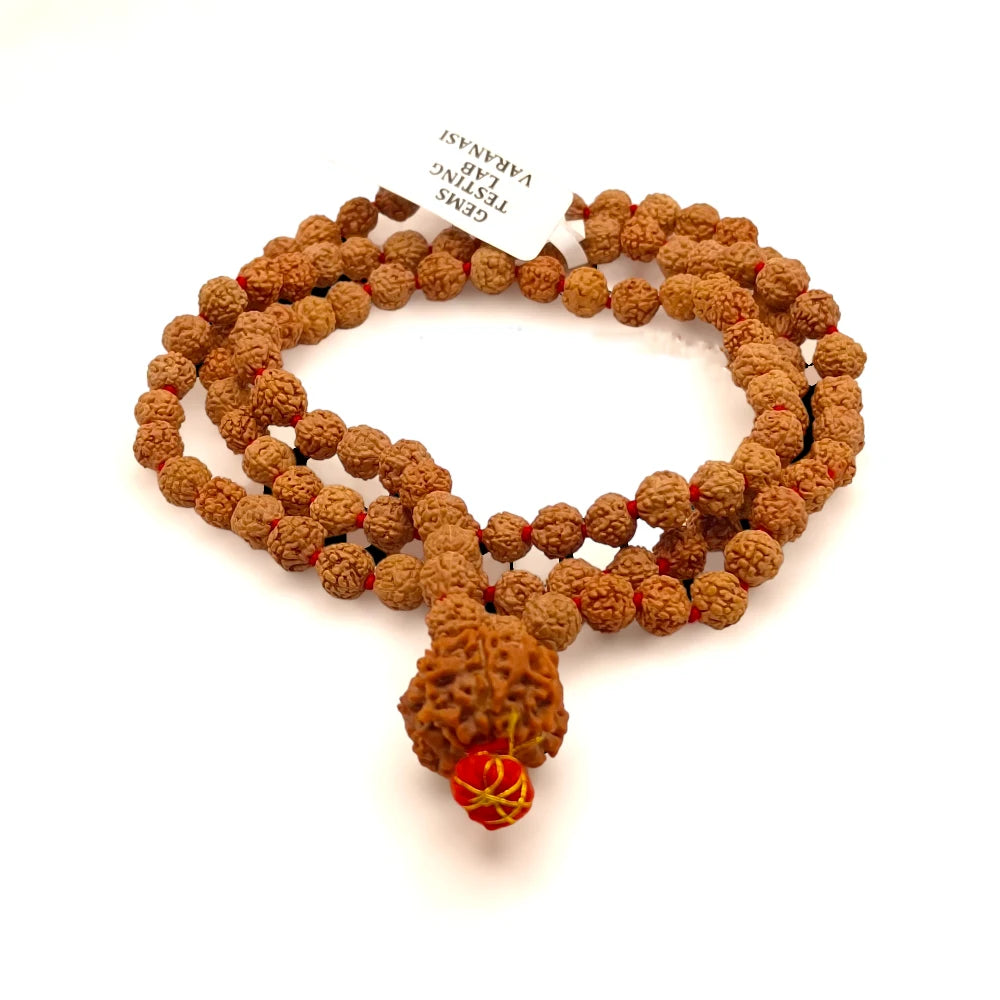
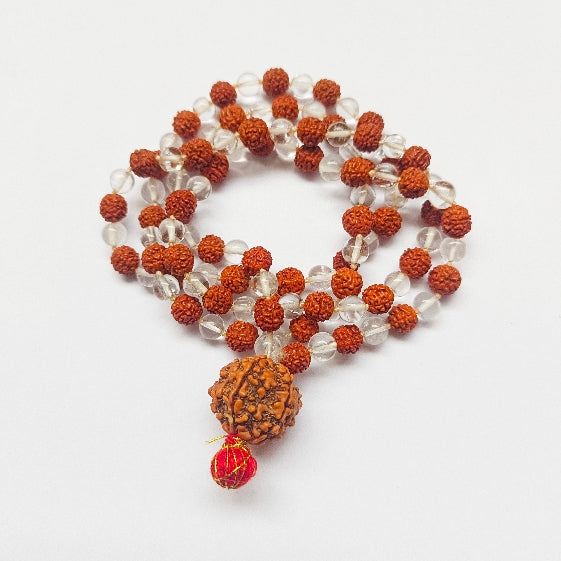
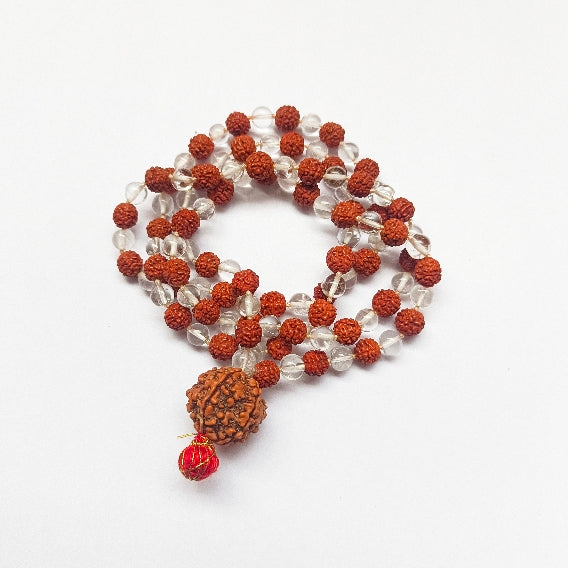
Yogic traditions emphasize tools that help practitioners maintain focus and discipline. Meditation requires sustained attention, and the human mind naturally wanders. Rudraksha mala was traditionally used as a tool to anchor attention during mantra chanting and meditation.
The gentle repetition of moving beads during chanting creates rhythm and focus. This repetitive motion helps calm the mind and reduce distractions. Over time, this practice strengthens concentration and mindfulness.
🌍 Why Devotees Wear Rudraksha Today
For centuries, devotees have worn Rudraksha as a symbol of devotion and spiritual intention. Wearing Rudraksha serves as a reminder of spiritual goals and mindful living. Every time the bead is touched or seen, it reinforces the intention to remain calm, compassionate, and aware.
🕉️ Rudraksha as a Bridge Between Devotion & Discipline
The Shiva Purana emphasizes both devotion (Bhakti) and discipline (Sadhana). Rudraksha represents the union of these two paths. It symbolizes devotion to Lord Shiva while also encouraging disciplined spiritual practice.
This dual symbolism explains why Rudraksha remains widely used in spiritual traditions even today.
🌟 Continuing Relevance in Modern Life
The modern world is vastly different from the world described in ancient scriptures, yet the human mind remains the same. People still experience stress, uncertainty, and emotional challenges. The teachings of the Shiva Purana continue to offer guidance for cultivating balance and awareness.
📜 Scriptural Importance of Wearing Rudraksha
The Shiva Purana does not present Rudraksha merely as a symbolic object. It places strong emphasis on its importance within spiritual life. The text describes Rudraksha as a sacred support for those walking the path of devotion, discipline, and self-awareness.
In traditional interpretation, scriptures often recommend wearing symbols that remind individuals of spiritual values. These symbols act as constant companions in daily life, encouraging mindfulness and ethical living.
🌿 Rudraksha as a Tool for Spiritual Discipline
Discipline plays a central role in spiritual development. Without discipline, inspiration fades quickly and intentions lose strength. Spiritual traditions emphasize consistent practice over occasional motivation.
Rudraksha is seen as a reminder of discipline. By wearing it daily, individuals reinforce their commitment to mindful living.
🧘 The Path of Bhakti, Karma & Jnana
The Shiva Purana often describes three major paths of spiritual growth: Bhakti (devotion), Karma (action), and Jnana (knowledge). Rudraksha symbolically supports all three paths.
For devotees, it represents devotion. For those focused on disciplined action, it symbolizes commitment. For seekers of knowledge, it represents awareness.
🌍 Symbolism of Rudraksha in Daily Life
Symbols influence behavior by serving as constant reminders of intention. Wearing Rudraksha helps individuals remember their spiritual goals throughout the day.
🕉️ The Timeless Relevance of the Shiva Purana
Although the Shiva Purana was written thousands of years ago, its teachings remain relevant today. The human search for meaning, peace, and balance has not changed.
Frequently Asked Questions (FAQs) ❓
1. What is the origin of Rudraksha according to the Shiva Purana?
The Shiva Purana describes Rudraksha as originating from the tears of Lord Shiva. The story explains that Lord Shiva entered deep meditation for the welfare of humanity, and when he opened his eyes, tears of compassion fell to the earth and became Rudraksha trees. This story symbolically represents divine compassion transforming into a spiritual tool for human growth.
2. Why is Rudraksha associated with Lord Shiva?
Rudraksha is closely associated with Lord Shiva because the scriptures describe its origin as connected to his meditation and compassion. Shiva represents awareness, discipline, and inner transformation, qualities that Rudraksha symbolically represents.
3. What does the word Rudraksha mean?
The word Rudraksha comes from two Sanskrit words: “Rudra,” a name of Lord Shiva, and “Aksha,” meaning tears or eyes. Together, Rudraksha means “the tears of Rudra.”
4. Why do yogis wear Rudraksha?
Yogis traditionally wear Rudraksha as a reminder of mindfulness, discipline, and spiritual commitment. It helps reinforce the intention to live consciously and practice meditation.
5. Is Rudraksha mentioned in other scriptures?
Yes. Rudraksha is mentioned in several spiritual texts including the Shiva Purana, Padma Purana, and Skanda Purana.
6. Is wearing Rudraksha mandatory for spiritual growth?
No. Spiritual growth can occur through many paths. Rudraksha is considered a supportive symbol that encourages mindfulness and discipline.
7. Can anyone wear Rudraksha?
Traditionally, Rudraksha is considered suitable for anyone interested in mindfulness, devotion, and spiritual discipline.
8. Why is Rudraksha still relevant today?
Its symbolism of mindfulness, compassion, and discipline remains relevant in modern life where stress and distractions are common.
🔱 Conclusion 🌱
Rudraksha as a Symbol of Divine Compassion & Awareness
The story of Rudraksha in the Shiva Purana is more than a mythological narrative. It is a symbolic teaching that connects compassion, awareness, and spiritual discipline. The tears of Lord Shiva represent empathy for humanity and the desire to guide individuals toward inner balance and self-realization.
For centuries, devotees have worn Rudraksha as a reminder of spiritual intention and mindful living. In a fast-paced modern world filled with distractions and constant stimulation, this ancient symbol continues to inspire individuals to slow down, reflect, and reconnect with their inner selves.
Spiritual growth is a lifelong journey, and tools such as Rudraksha serve as gentle reminders of the path. By combining devotion, discipline, and awareness, individuals can cultivate a balanced and meaningful life.
🙏 हर हर महादेव 🙏





Leave a comment