















Rudraksha for Spiritual Growth – Complete Guide to Awareness, Inner Transformation & Conscious Living 🕉️
At some point in life, almost everyone begins asking deeper questions. Even after achieving career goals, financial stability, or social recognition, a quiet curiosity often appears within the mind: Is there more to life than routine? Why does inner peace sometimes feel distant even when life looks successful from the outside? These questions mark the beginning of what spiritual traditions call the journey of spiritual growth.
In Sanatan Dharma, spiritual growth has never been limited to monks or ascetics living in isolation. It has always been seen as a natural part of human life. Ancient scriptures describe householders, students, kings, and warriors walking the path of self-awareness while fulfilling their worldly responsibilities. Spiritual growth is not about escaping the world; it is about learning to live in the world with clarity, balance, and awareness.
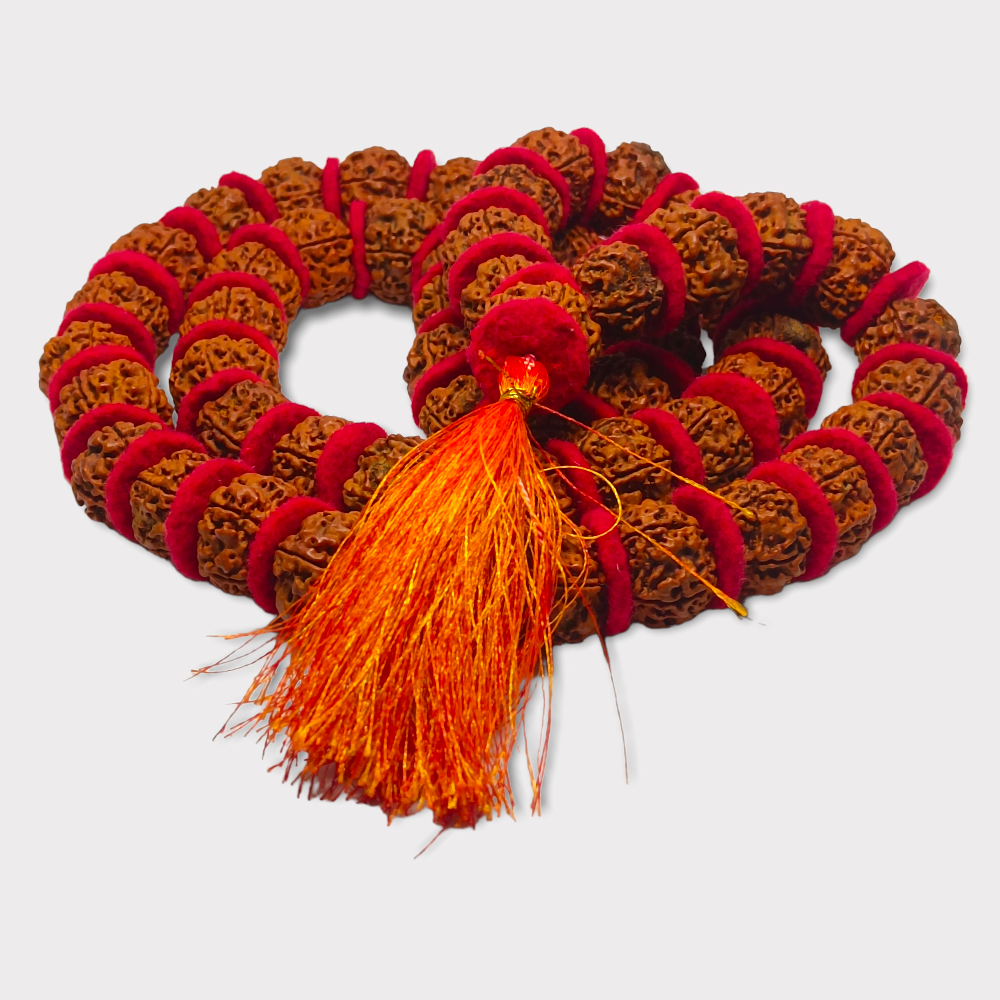
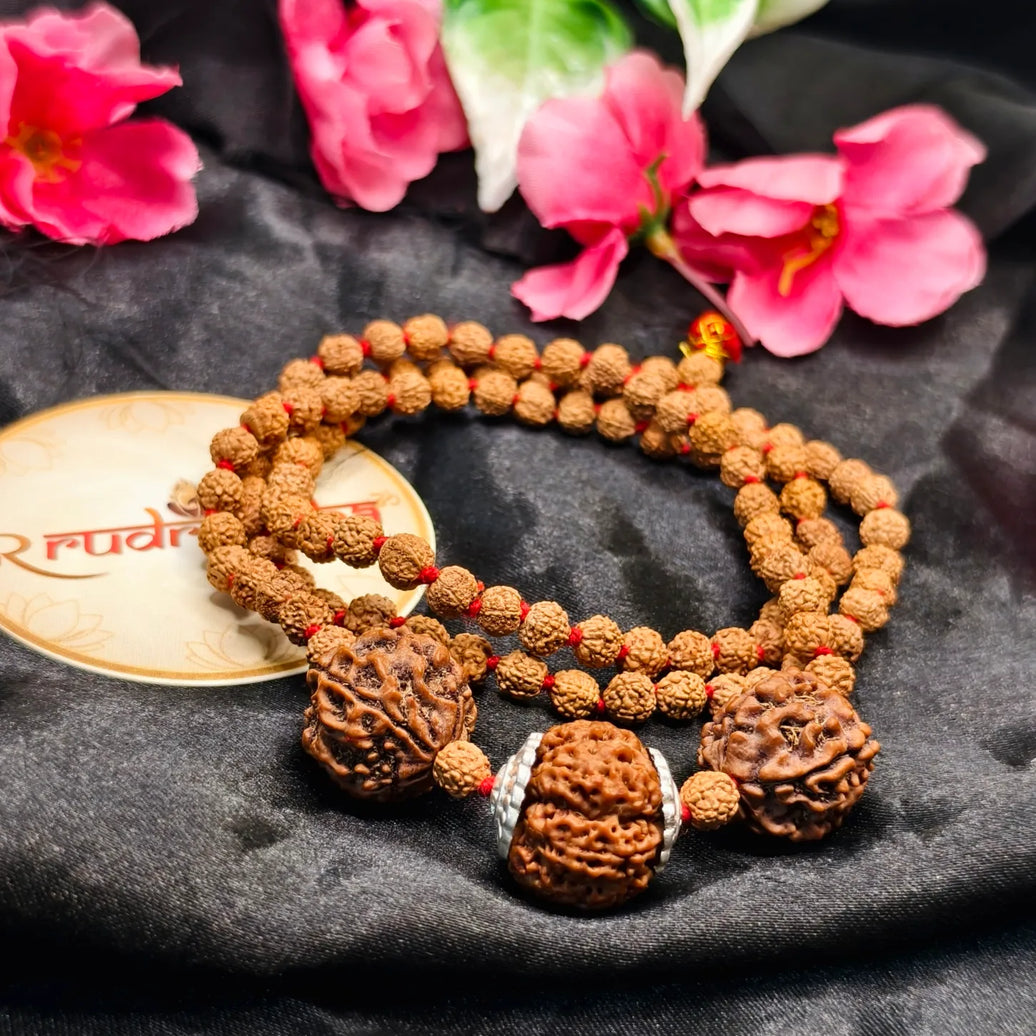
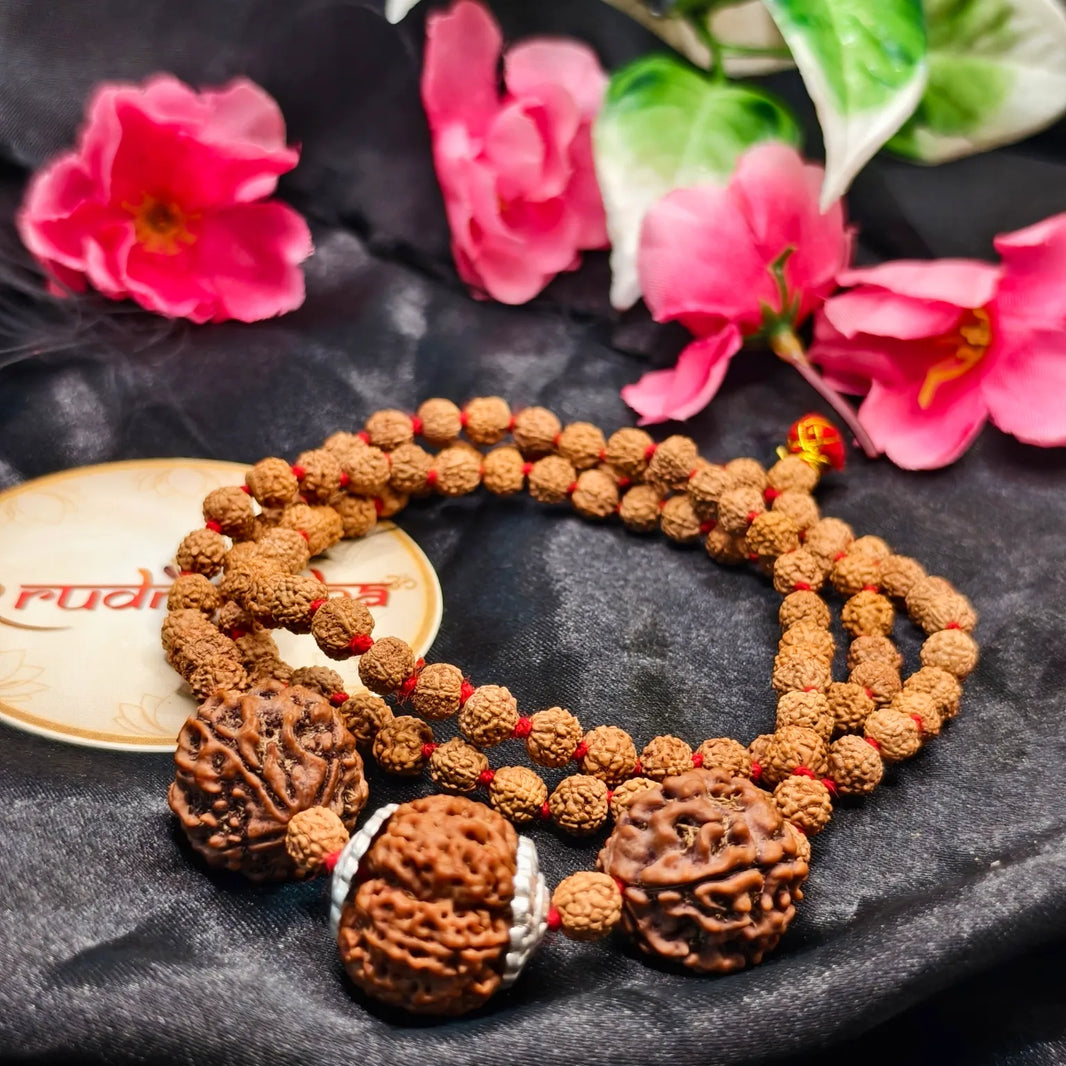
Among the many tools associated with spiritual practices, Rudraksha beads hold a unique and timeless place. For centuries, sages, yogis, seekers, and ordinary individuals have worn Rudraksha as symbols of discipline, mindfulness, and spiritual intention. These sacred beads are deeply connected with meditation, mantra chanting, and daily spiritual routines.
This comprehensive guide explores the spiritual philosophy, psychological perspective, and practical lifestyle practices connected with Rudraksha for spiritual growth. Rather than presenting mystical claims, the focus is on belief-based traditions, mindfulness practices, and the gradual process of inner transformation.
🌍 Understanding Spiritual Growth in the Modern World
In the modern world, life moves at extraordinary speed. Technology, social media, and constant communication have created an environment of continuous stimulation. While these advancements bring convenience and opportunity, they also create mental noise and emotional fatigue. Many individuals feel overwhelmed by responsibilities, expectations, and the pressure to constantly perform.
Spiritual growth often begins when individuals recognize the need for balance. It is the process of turning attention inward to understand thoughts, emotions, and personal values. Rather than rejecting modern life, spiritual growth helps individuals navigate it with clarity and purpose.
Spiritual development does not require dramatic life changes. It often begins with small shifts in awareness: becoming more present during daily activities, practicing gratitude, and observing thoughts without judgment.
🧠 The Psychology of Spiritual Awakening
From a psychological perspective, spiritual growth is closely related to self-awareness and emotional intelligence. Self-awareness allows individuals to recognize patterns in their thoughts and behavior. Emotional intelligence helps them respond to situations with patience and understanding.
As individuals become more self-aware, they gradually develop the ability to pause before reacting. This pause creates space for thoughtful decisions and reduces impulsive reactions. Over time, this process leads to greater emotional stability and clarity.
Many modern psychologists describe spiritual growth as a journey toward personal meaning and purpose. This journey often includes reflection, mindfulness, gratitude, and intentional living.
🕉️ Ancient Origins of Rudraksha in Spiritual Practices
Rudraksha beads have been mentioned in ancient Indian scriptures for thousands of years. Yogis and sages traditionally used them during meditation and mantra chanting as tools to maintain focus and discipline. The Sanskrit word “Rudraksha” combines two words: “Rudra,” a form of Lord Shiva, and “Aksha,” meaning tears or eyes.
According to mythology, Rudraksha beads are believed to have originated from the tears of Lord Shiva, symbolizing compassion and awareness. Because of this association, Rudraksha became deeply connected with spiritual discipline and mindfulness.
📿 Why Rudraksha Became a Symbol of Spiritual Discipline
Symbols play an important role in human life. They act as reminders of values, intentions, and goals. In spiritual traditions, wearing Rudraksha is considered a reminder of one’s commitment to mindfulness and self-awareness.
Every time an individual touches or sees the bead, it reinforces the intention to live consciously and mindfully. Over time, this repeated reminder can influence daily habits and thought patterns.
🧘 The Role of Mindfulness in Spiritual Growth
Mindfulness is the practice of paying attention to the present moment without judgment. This simple practice forms the foundation of many spiritual and psychological traditions. When individuals become mindful, they learn to observe thoughts and emotions without becoming overwhelmed by them.
Mindfulness helps individuals respond calmly to challenges instead of reacting impulsively. Over time, this ability creates emotional stability and clarity.
🌿 Beginning the Journey of Inner Transformation
Spiritual growth is often described as a journey inward. It begins with curiosity and gradually develops into a daily practice of awareness and reflection. Small habits such as meditation, gratitude, and journaling can create meaningful change over time.
🧘 Meditation – The Foundation of Spiritual Growth
Meditation has been practiced for thousands of years across different spiritual traditions, yet its essence remains simple: learning to sit quietly with the mind. While this may sound easy, the modern human mind rarely experiences silence. It constantly jumps between past memories, future worries, and present responsibilities.
Spiritual traditions describe meditation as the art of returning home to oneself. It is the practice of stepping away from constant external stimulation and gently turning attention inward. This inward journey allows individuals to observe thoughts without judgment and emotions without resistance.
In the early stages of meditation, many people feel restless or distracted. This is a natural part of the process. The mind has spent years moving rapidly, and learning to slow down takes patience. Over time, consistent meditation gradually reduces mental noise and increases clarity.
Rudraksha beads have traditionally been used during meditation as tools to maintain focus. The gentle rhythm of moving beads during mantra chanting or silent reflection creates a steady pace that helps anchor attention. This simple practice supports concentration and reduces distractions.
📿 Mantra Chanting & the Power of Sound
Sound has always played an important role in spiritual traditions. Ancient cultures recognized that rhythmic sound can influence emotions and mental states. Mantra chanting developed as a practice that combines sound, breath, and attention into a single focused activity.
Chanting mantras creates a rhythmic pattern that encourages steady breathing and focused attention. The repetition helps calm the mind and reduce mental chatter. Over time, this practice cultivates a sense of peace and stability.
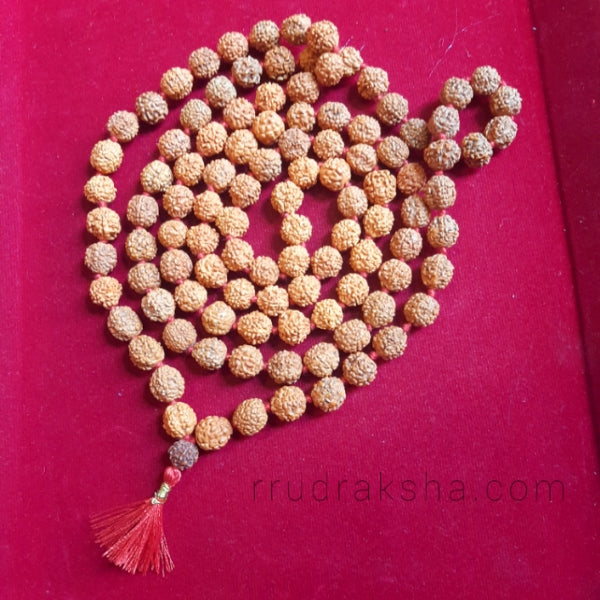
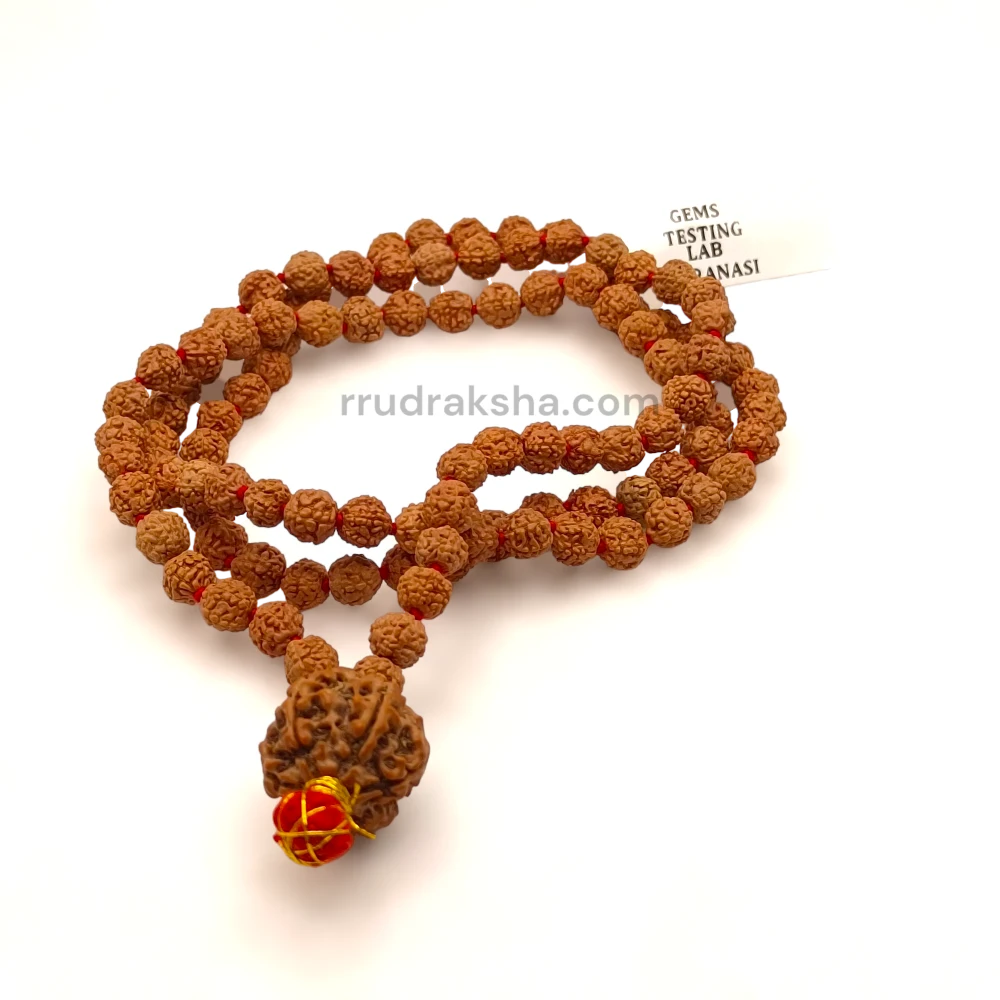
Using Rudraksha mala during mantra chanting adds a physical element to the practice. Each bead represents a moment of attention and intention. This physical rhythm supports mental focus and creates a structured spiritual routine.
🌙 The Role of Silence in Inner Transformation
Modern life rarely offers silence. Notifications, conversations, traffic, and media create a constant stream of sound and information. While this stimulation keeps individuals connected to the world, it also prevents the mind from resting.
Spiritual traditions emphasize the importance of silence as a tool for self-discovery. Silence allows thoughts to settle and emotions to surface gently. In these quiet moments, individuals often gain insights about themselves and their lives.
Even a few minutes of daily silence can create noticeable changes in mental clarity and emotional balance.
🌞 Living with Awareness in Daily Activities
Spiritual growth is not limited to meditation sessions or prayer rituals. It extends into everyday activities such as eating, walking, working, and communicating. Living with awareness means being fully present during these activities rather than rushing through them automatically.
For example, mindful eating involves paying attention to taste, texture, and gratitude for nourishment. Mindful walking involves noticing breath and surroundings. These simple practices transform ordinary moments into opportunities for awareness.
💭 Letting Go of Constant Mental Comparison
Comparison has become a common source of dissatisfaction in modern life. Social media and constant connectivity expose individuals to curated versions of other people’s lives. This exposure often creates unrealistic expectations and unnecessary pressure.
Spiritual teachings encourage individuals to focus on their personal journey rather than comparing themselves to others. Each person’s path is unique, and growth occurs at its own pace.
🌿 Emotional Healing & Self-Acceptance
Spiritual growth often involves emotional healing. Past experiences, disappointments, and unresolved emotions can influence present behavior. Through mindfulness and reflection, individuals gradually learn to accept and release these experiences.
This process requires patience and compassion toward oneself. Over time, emotional healing creates greater peace and self-understanding.
🌿 Building a Daily Spiritual Routine for Long-Term Growth
One of the most powerful ideas found in ancient spiritual traditions is the importance of daily routine. Spiritual growth is not achieved through occasional inspiration or rare moments of motivation. It develops gradually through small, consistent habits practiced every day.
A daily spiritual routine does not need to be complicated or time-consuming. In fact, simplicity is often more effective because simple practices are easier to sustain. A routine may begin with a few minutes of silence in the morning, a short meditation session, or a moment of gratitude before sleep.
Over time, these small practices create a rhythm that supports emotional balance and mental clarity. This rhythm gradually becomes part of everyday life, making mindfulness a natural habit rather than an occasional effort.
🌞 Morning Rituals & Intentional Living
The way the day begins often shapes the entire day. Many individuals start their mornings by checking notifications, rushing through tasks, and immediately entering a state of urgency. This pattern can create stress that continues throughout the day.
Spiritual traditions encourage beginning the day with stillness and intention. A calm morning routine helps individuals approach responsibilities with clarity rather than anxiety.
Even a simple practice such as sitting quietly for five minutes, focusing on breathing, or expressing gratitude can create a noticeable shift in mindset.
🌙 Evening Reflection & Emotional Release
Evening rituals are equally important. Throughout the day, the mind accumulates experiences, conversations, and emotions. Without reflection, these experiences remain active in the mind, often leading to overthinking at night.
Spiritual traditions recommend ending the day with reflection and gratitude. This practice allows individuals to release the day’s stress and prepare for restful sleep.
💭 Journaling as a Tool for Self-Discovery
Writing thoughts and experiences can be a powerful tool for self-awareness. Journaling helps individuals recognize patterns in their emotions and behavior. Over time, this practice supports personal growth and clarity.
Many people discover insights about their goals, fears, and aspirations through consistent journaling.
🌍 Living with Compassion & Kindness
Spiritual growth extends beyond personal practices. It also influences how individuals interact with others. Compassion, kindness, and patience become natural expressions of inner growth.
Simple acts of kindness can create meaningful connections and strengthen relationships.
🧘 Long-Term Transformation Through Consistency
Spiritual growth is not measured by dramatic changes but by gradual transformation. Over time, consistent practices lead to increased calmness, clarity, and emotional balance.
Frequently Asked Questions (FAQs) ❓
1. Which Rudraksha is considered best for spiritual growth?
The 5 Mukhi Rudraksha is traditionally associated with mindfulness, discipline, and balanced living, making it a common starting point for spiritual practice. Many practitioners also explore combinations depending on their meditation or chanting routine.
2. Can beginners start their spiritual journey with Rudraksha?
Yes. Many beginners wear Rudraksha as a symbol of intention and mindfulness while developing meditation, prayer, or reflection habits.
3. Is meditation necessary when wearing Rudraksha?
Meditation is encouraged but not mandatory. Rudraksha can be part of a broader lifestyle focused on awareness and intentional living.
4. How does Rudraksha support mindfulness?
Rudraksha serves as a physical reminder to pause, breathe, and remain present. Over time, this reminder helps build consistent awareness.
5. Can Rudraksha be worn daily?
Yes. Many individuals wear Rudraksha daily as part of their spiritual routine.
6. Can multiple Rudraksha beads be worn together?
Yes. Combinations are commonly used in spiritual traditions to represent multiple qualities and intentions.
7. How long does spiritual growth take?
Spiritual growth is a lifelong journey. Progress occurs gradually through consistent habits and self-awareness.
8. Can Rudraksha be used during mantra chanting?
Yes. Rudraksha mala has traditionally been used to count mantra repetitions and maintain focus.
9. Can women wear Rudraksha?
Yes. Women can wear Rudraksha as part of their spiritual routine.
10. Is spiritual growth possible while living a normal life?
Yes. Sanatan Dharma teaches that spiritual growth can occur while fulfilling daily responsibilities and relationships.
📌 Conclusion ✨
Walking the Path of Awareness & Inner Transformation
Spiritual growth is not a destination but a lifelong journey of awareness, mindfulness, and intentional living. It begins with curiosity and gradually develops into a daily practice of reflection, compassion, and self-discovery.
Rudraksha beads have been worn for centuries as symbols of discipline and spiritual intention. Rather than offering instant solutions, they serve as reminders to live consciously, practice patience, and cultivate inner peace.
In a fast-paced world filled with constant stimulation, the journey inward becomes more valuable than ever. By combining mindfulness, meditation, gratitude, and compassionate living, individuals can create a balanced and meaningful life.
🙏 हर हर महादेव 🙏





Leave a comment