





Rudraksha for Protection & Negativity – Complete Spiritual, Psychological & Lifestyle Guide 🛡️
Human beings have always searched for safety and protection. From ancient civilizations to modern cities, the desire to feel secure—physically, emotionally, and spiritually—has remained constant. While modern society offers technological security and medical advancements, many individuals still experience emotional stress, negativity, mental pressure, and a persistent sense of vulnerability.
In Sanatan Dharma, the concept of protection goes far beyond physical safety. Protection is deeply connected with emotional stability, mental clarity, spiritual discipline, and inner resilience. Ancient sages believed that the strongest protection does not come from external shields but from a stable and balanced mind.
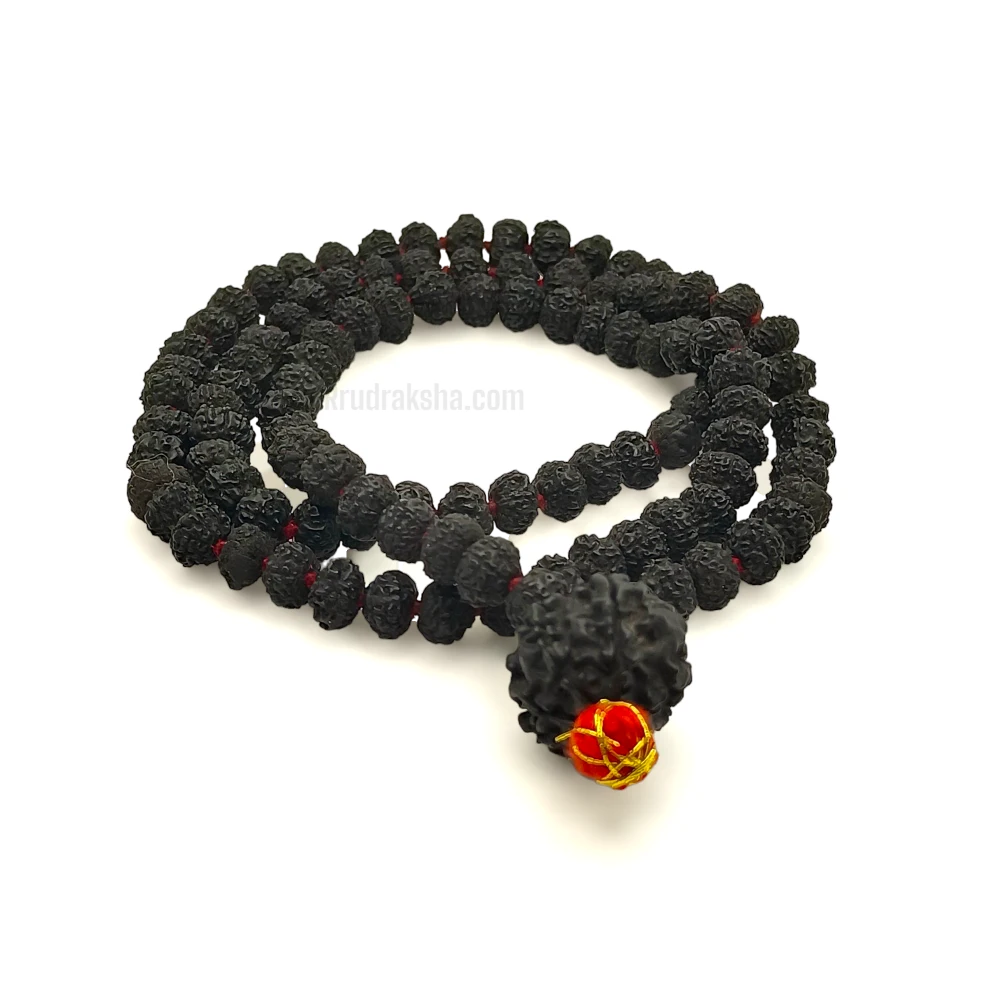
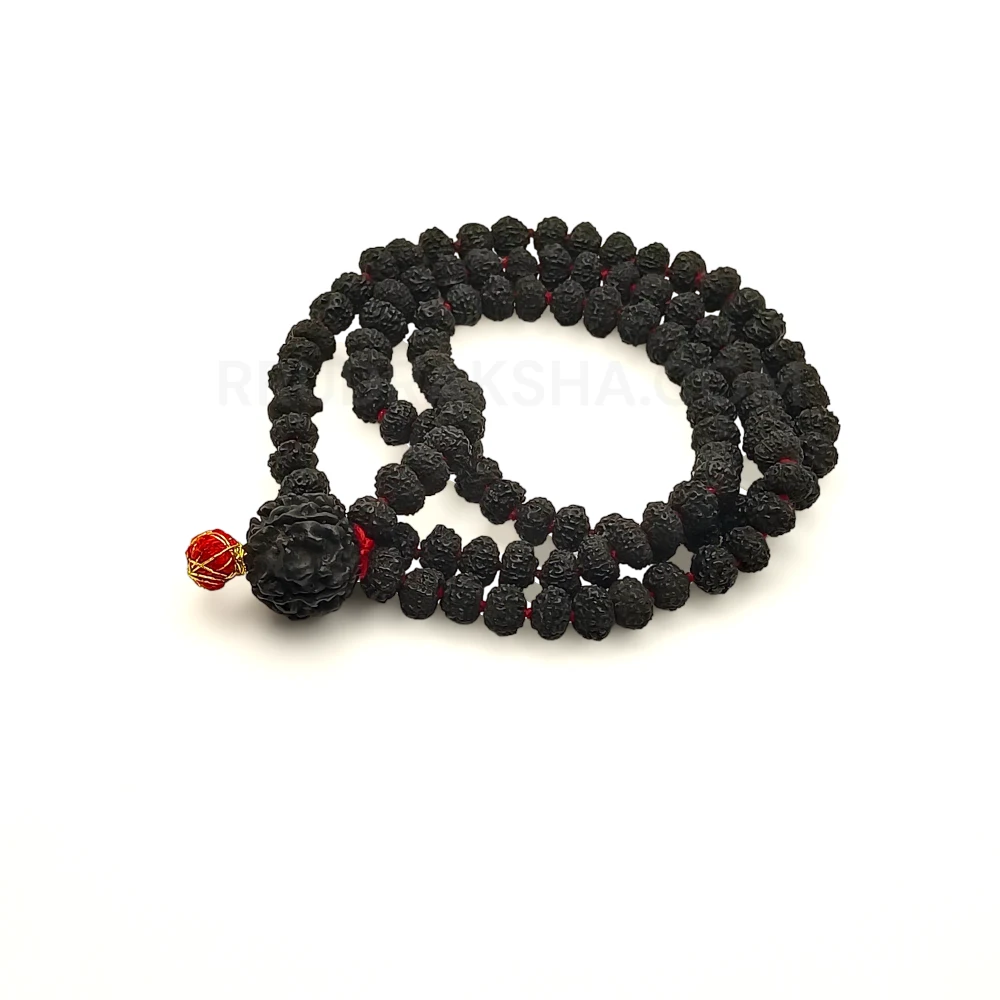
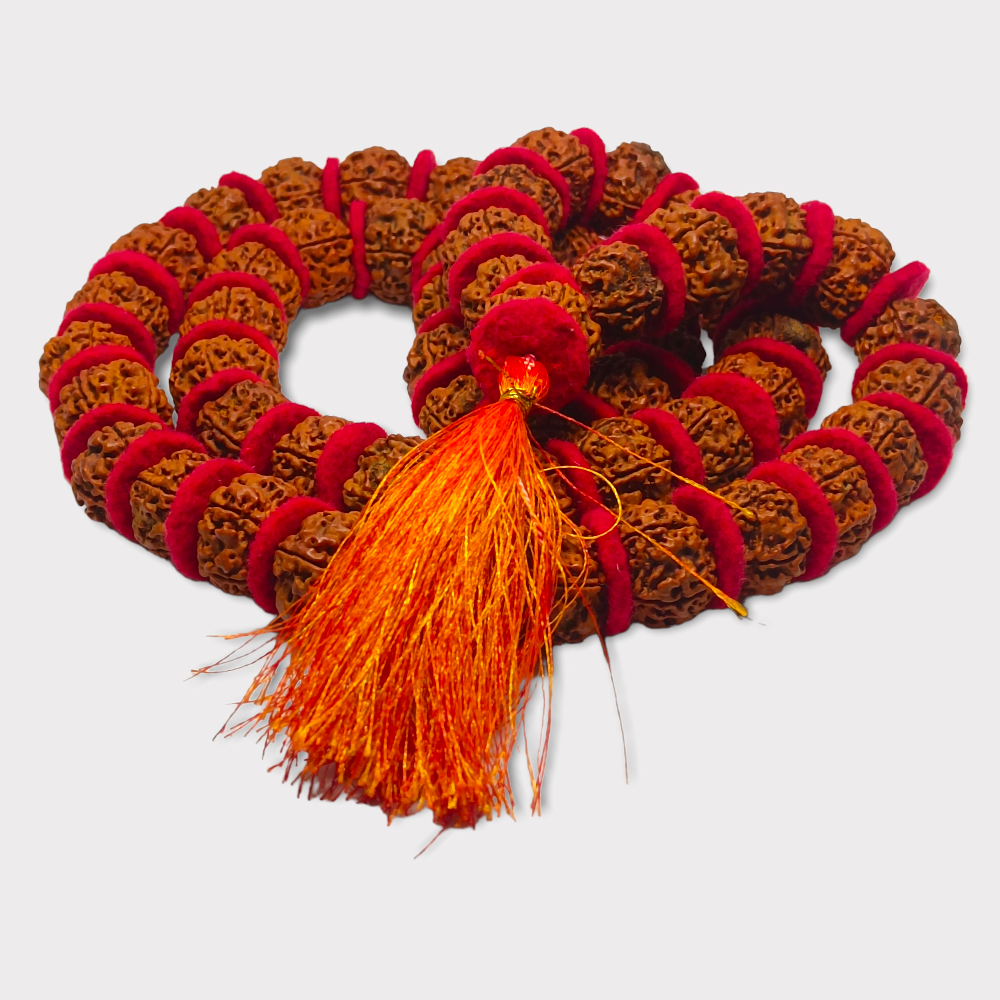
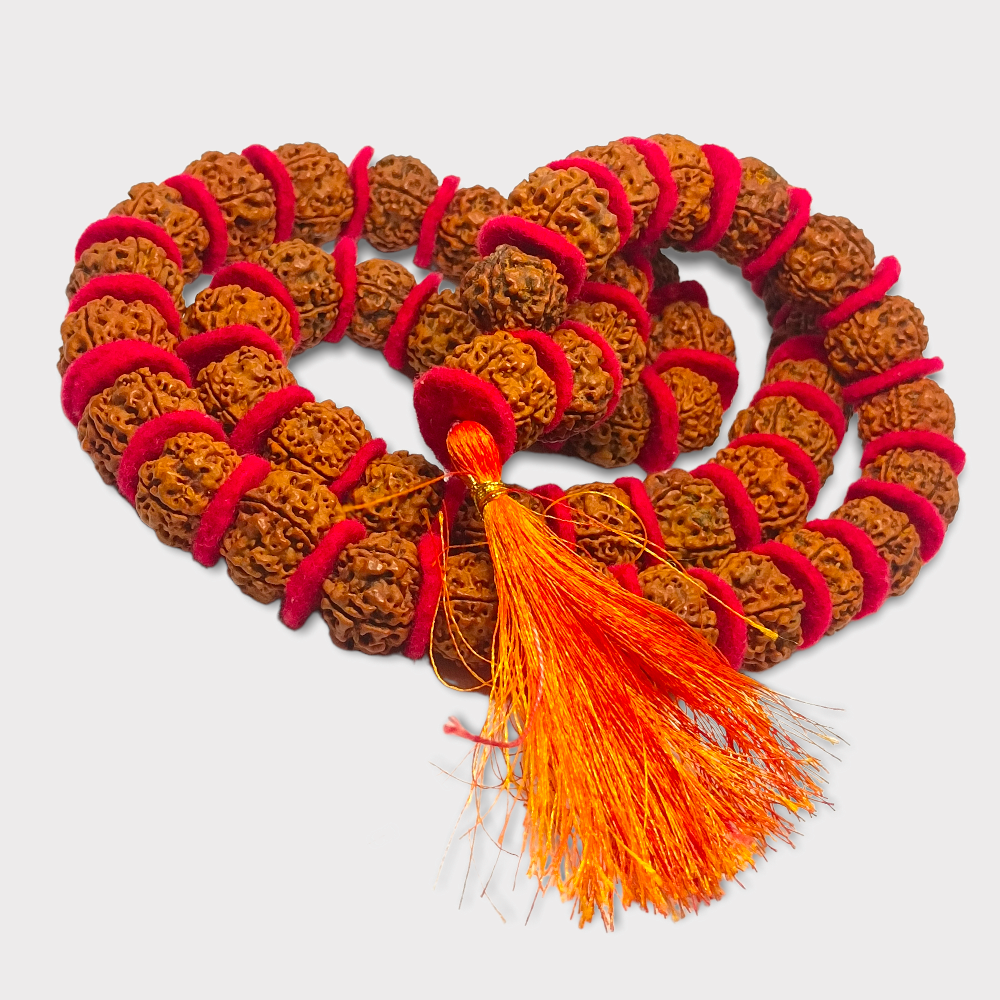
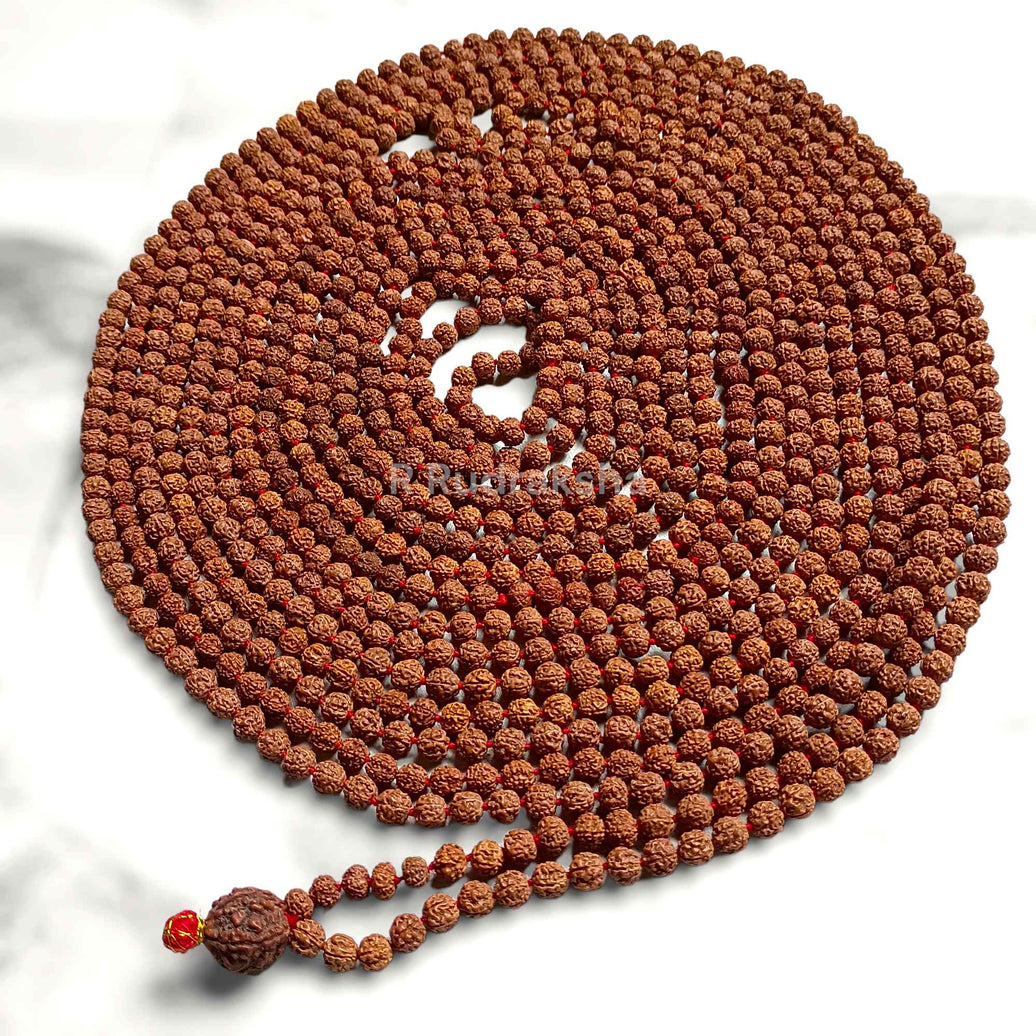
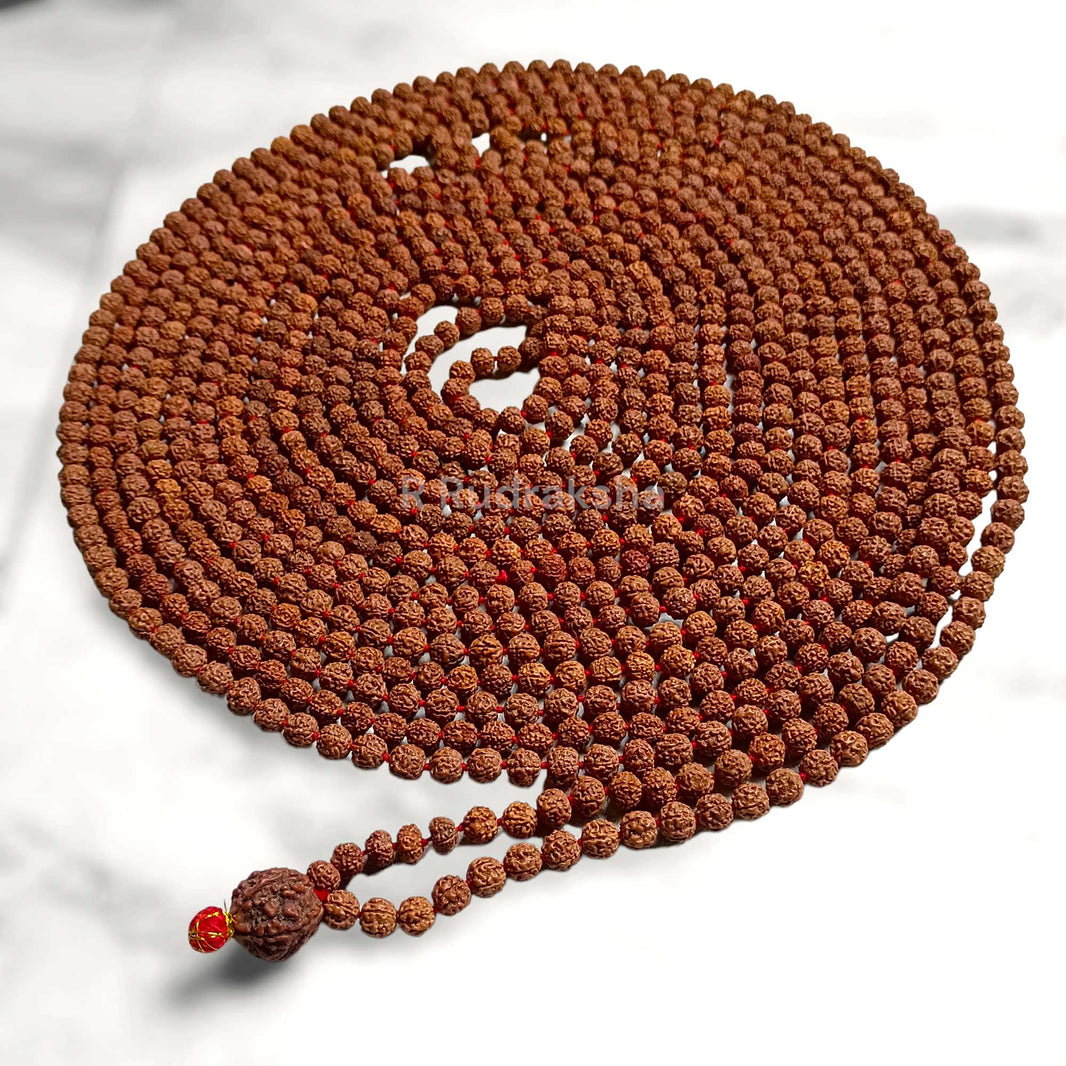
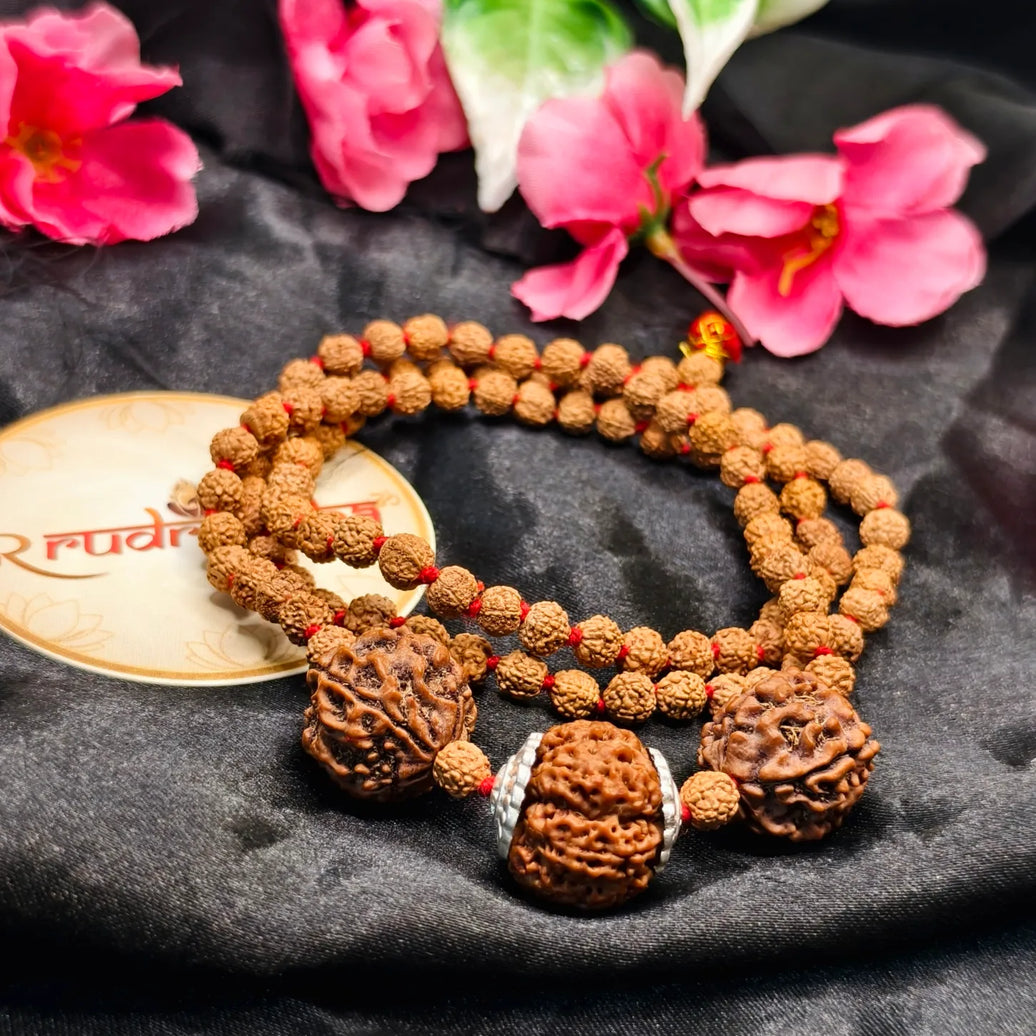
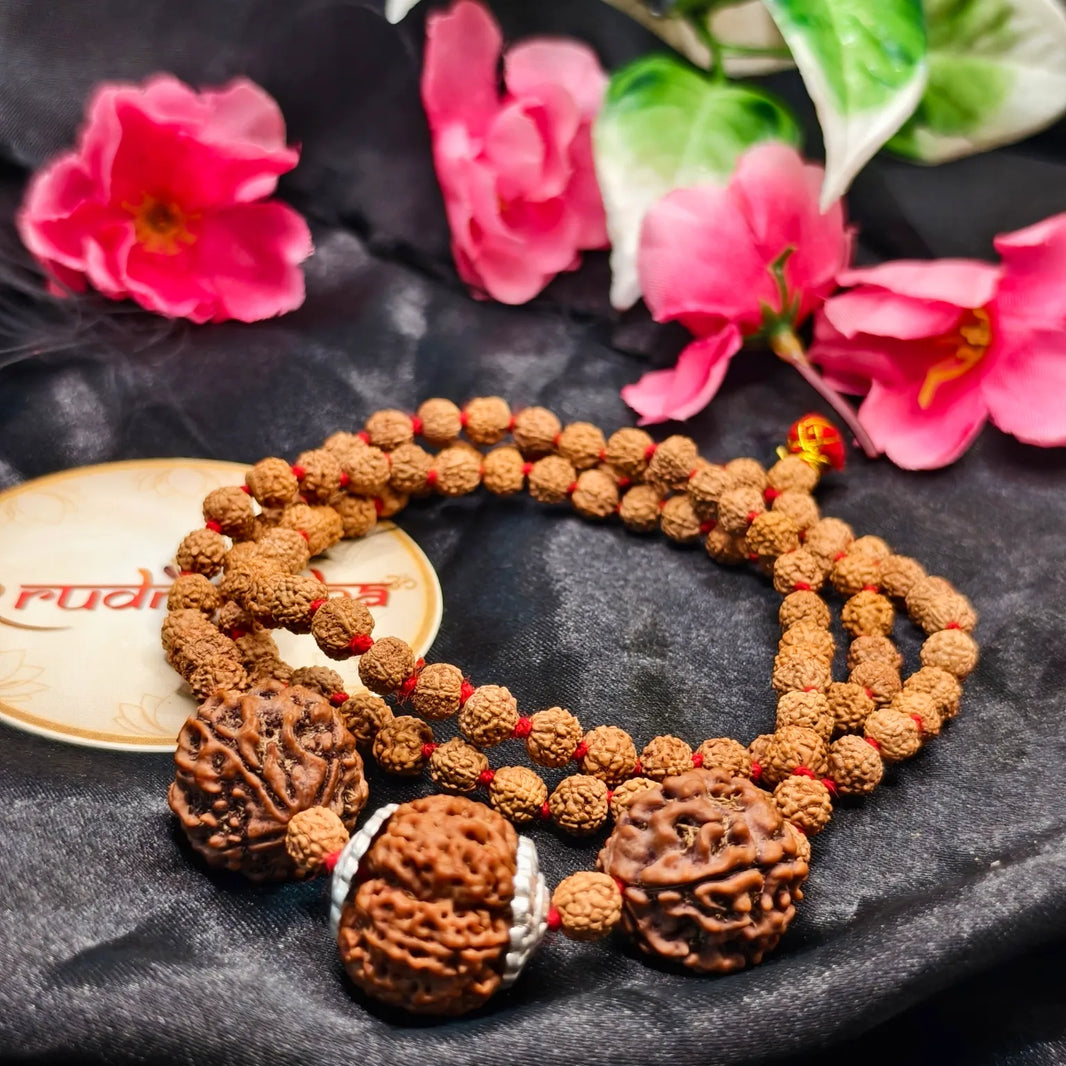
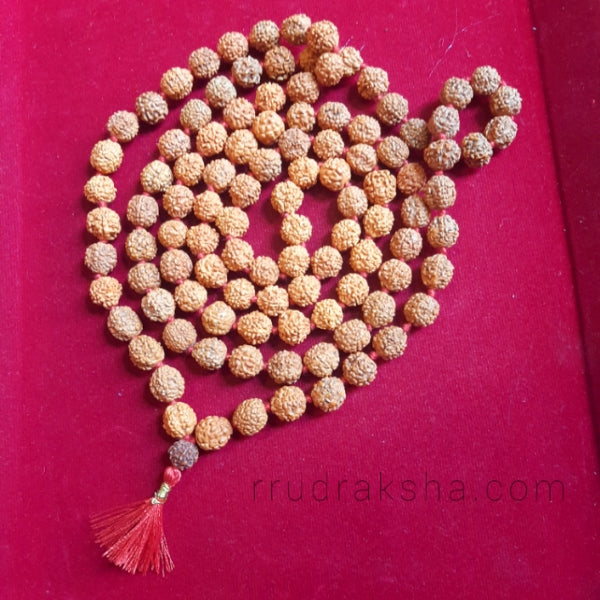
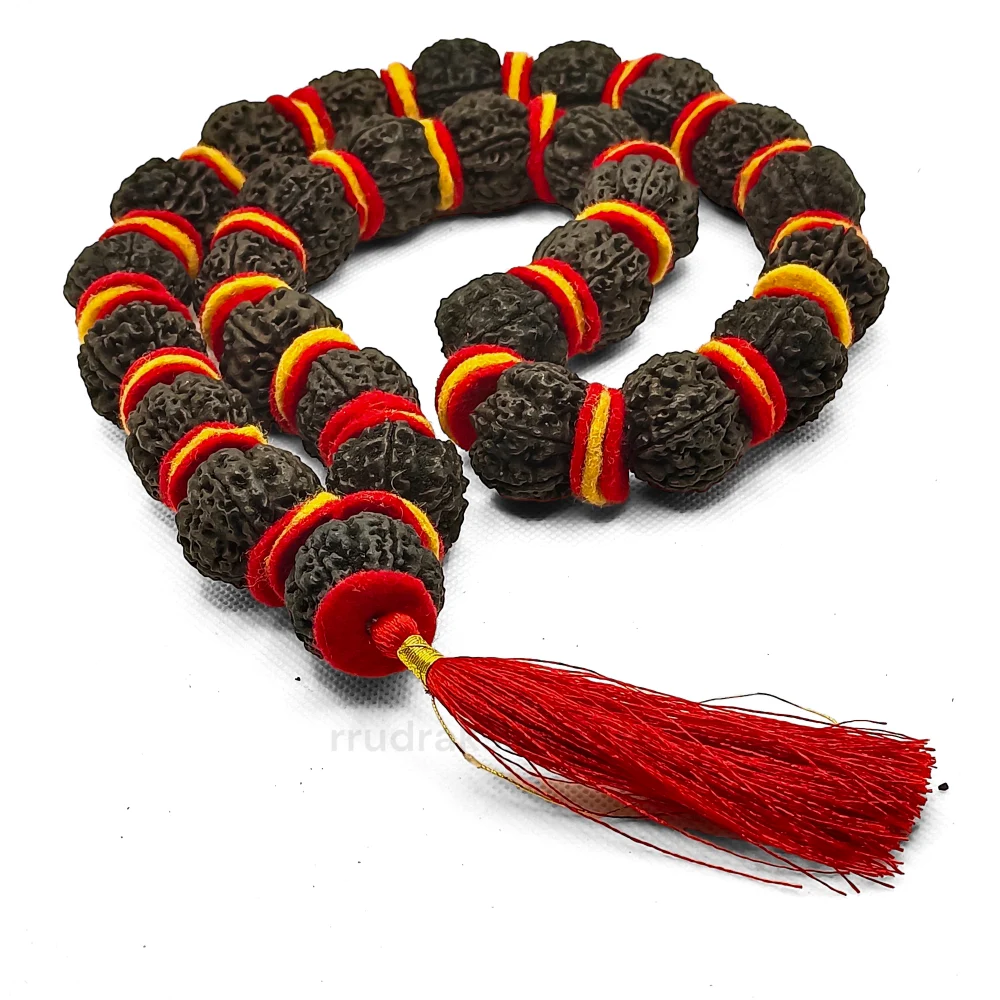
Rudraksha beads have been worn for centuries by yogis, seekers, householders, and spiritual practitioners as symbols of discipline, mindfulness, and inner strength. Rather than being viewed as magical objects, Rudraksha beads are traditionally seen as spiritual tools that remind individuals to remain calm, grounded, and emotionally balanced.
This comprehensive guide explores the spiritual, psychological, and lifestyle perspectives of Rudraksha for protection and negativity. The goal of this article is not to promise supernatural results but to explain the belief-based traditions, emotional practices, and mindful lifestyle habits associated with Rudraksha.
🌍 Understanding Protection in Sanatan Dharma
In modern society, the word “protection” is often associated with physical safety—locks, alarms, insurance, and security systems. However, spiritual traditions define protection in a much broader and deeper way. According to Sanatan Dharma, true protection begins with the mind.
The human mind constantly interacts with the external world. It absorbs experiences, emotions, conversations, and environmental influences. Over time, this continuous interaction can create emotional fatigue, stress, and negative thought patterns.
Spiritual teachings explain that when the mind becomes restless or overwhelmed, individuals begin to feel insecure, anxious, and emotionally drained. This is why ancient spiritual practices focus on strengthening the mind before addressing external challenges.
From this perspective, protection is not about avoiding challenges—it is about developing the strength to face them calmly and wisely.
🧠 What is Negativity from a Psychological Perspective?
Negativity is often misunderstood as something mystical or supernatural. In reality, negativity frequently arises from everyday experiences such as stress, self-doubt, fear, comparison, and emotional conflict. Modern psychology recognizes that the human brain naturally focuses more on threats and problems than on positive experiences. This tendency is known as the negativity bias.
The negativity bias evolved as a survival mechanism. Early humans needed to remain alert to danger in order to survive. However, in modern life, this survival mechanism often creates unnecessary stress and worry.
For example, one negative comment can outweigh ten positive compliments. One stressful day can overshadow an entire week of positive experiences. Over time, this pattern can create emotional exhaustion and mental fatigue.
Spiritual traditions recognized this pattern thousands of years ago. Ancient teachings emphasized the importance of calming the mind, developing awareness, and cultivating emotional balance.
🕉️ Historical Significance of Rudraksha as a Symbol of Protection
Rudraksha beads are deeply rooted in ancient Indian spiritual traditions. Scriptures describe sages and yogis wearing Rudraksha during meditation, prayer, and daily life. Over centuries, these beads became associated with discipline, mindfulness, and spiritual strength.
The Sanskrit word “Rudraksha” combines two words: “Rudra” (a form of Lord Shiva) and “Aksha” (tears or eyes). According to mythology, Rudraksha beads are believed to have originated from the tears of Lord Shiva, symbolizing compassion, awareness, and protection.
Because of this symbolism, Rudraksha became closely connected with the idea of spiritual protection and inner stability.
🧘 Emotional Protection vs External Protection
One of the most important teachings of spiritual philosophy is the difference between external protection and emotional protection.
External protection focuses on physical safety and avoiding danger. Emotional protection focuses on maintaining calmness, clarity, and resilience during challenging situations.
Modern life constantly exposes individuals to stressful environments, demanding schedules, social comparison, and information overload. Emotional protection helps individuals remain stable and balanced despite these pressures.
Spiritual traditions emphasize that when the mind becomes calm and disciplined, individuals naturally feel more secure and confident.
🌿 Why People Wear Rudraksha for Protection
Many individuals wear Rudraksha as part of their spiritual routine because it serves as a physical reminder of mindfulness and discipline. The presence of the bead encourages individuals to pause, breathe, and respond calmly rather than react impulsively.
This simple reminder can gradually influence daily behavior and emotional patterns.
🔟 10 Mukhi Rudraksha – Symbol of Protection & Stability
The 10 Mukhi Rudraksha is widely associated with protection in spiritual traditions. It symbolizes stability, emotional resilience, and calmness during challenging situations.
Professionals, students, and individuals facing stressful environments often choose this bead as a reminder to remain grounded and focused.
🕉️ 9 Mukhi Rudraksha – Courage & Inner Strength
The 9 Mukhi Rudraksha is traditionally linked with courage and determination. Courage is an essential part of emotional protection because it helps individuals face uncertainty without fear.
🧠 5 Mukhi Rudraksha – Mental Calmness & Balance
The 5 Mukhi Rudraksha is the most commonly worn bead and is associated with mindfulness and emotional balance.
🌿 The Science of Stress Response & Emotional Overload
To understand the spiritual concept of protection, it is helpful to first understand how the human nervous system responds to stress. The human body is designed with a natural survival mechanism commonly known as the “fight or flight” response. This response prepares the body to react quickly to danger by increasing heart rate, sharpening focus, and releasing stress hormones.
In ancient times, this response helped humans survive physical threats such as predators or natural disasters. However, in modern life, the same response is triggered by emails, deadlines, social expectations, and financial worries. The body reacts as though it is in danger, even when the threat is psychological rather than physical.
When this stress response remains active for long periods, individuals may experience fatigue, irritability, restlessness, and emotional overwhelm. Spiritual traditions have long emphasized practices that calm the nervous system and restore balance.
🧠 The Role of Mindfulness in Emotional Protection
Mindfulness is the practice of paying attention to the present moment without judgment. This simple concept forms the foundation of many spiritual and psychological practices. When individuals become mindful of their thoughts and emotions, they gain the ability to pause before reacting.
That pause creates space for thoughtful responses instead of impulsive reactions. Over time, mindfulness helps individuals become more emotionally resilient and less affected by daily stressors.
Rudraksha beads are traditionally used during meditation and mantra chanting. The gentle repetition of moving beads during prayer encourages steady breathing and focused attention, which supports mindfulness practices.
📿 Why Repetitive Spiritual Practices Calm the Mind
Repetition plays a powerful role in calming the human brain. Activities such as walking, knitting, chanting, or counting beads create rhythmic patterns that signal the nervous system to relax. This rhythmic repetition helps reduce mental noise and encourages a state of calm awareness.
In spiritual traditions, mantra chanting with mala beads creates a cycle of repetition and focus. This practice helps anchor the mind and reduce emotional turbulence.
🌙 Night-Time Overthinking & Mental Restlessness
Many individuals experience increased stress during the evening. When daily distractions fade, the mind often begins replaying conversations, worrying about the future, or analyzing past events. This cycle of overthinking can make it difficult to relax and sleep.
Spiritual traditions encourage evening rituals such as gratitude reflection, prayer, or silent meditation. These practices help signal the brain that the day is ending and it is time to rest.
🌞 Morning Practices for Emotional Stability
The way a day begins often shapes how it unfolds. A rushed morning filled with urgency and distraction can create stress that continues throughout the day. In contrast, a calm morning routine creates a sense of control and clarity.
Spiritual traditions emphasize beginning the day with silence, gratitude, or meditation. These habits help individuals approach challenges with a balanced mindset.
🌍 Environmental Influence on Emotional Well-Being
Surroundings have a profound effect on mental health. Noisy, cluttered, or chaotic environments can increase stress and reduce concentration. Creating a calm and organized space supports emotional balance.
Many spiritual traditions encourage creating a dedicated space for meditation or reflection. Even a small quiet corner can become a powerful reminder to pause and breathe.
🧘 Developing Emotional Boundaries
Emotional protection also involves setting boundaries. Modern life often exposes individuals to constant communication, expectations, and social pressures. Without clear boundaries, the mind can become overwhelmed.
Learning to say no, taking breaks, and prioritizing mental well-being are essential aspects of emotional protection.
🌟 Building Long-Term Emotional Resilience
Emotional resilience is the ability to recover from challenges and adapt to change. Spiritual traditions emphasize patience, acceptance, and self-awareness as tools for building resilience.
🌿 Creating a Lifestyle that Supports Emotional Protection
Emotional protection is not achieved through a single practice or belief. It is the result of consistent daily habits that support mental clarity and emotional balance. Spiritual traditions emphasize that the quality of everyday life directly influences the quality of thoughts and emotions.
When daily routines include moments of stillness, reflection, and intentional living, the mind gradually becomes calmer and more resilient. Over time, these habits create a strong foundation for emotional stability.
💭 Managing Negative Self-Talk
One of the most powerful sources of negativity is internal dialogue. Many individuals speak to themselves more harshly than they would speak to others. Self-criticism, doubt, and worry can gradually create emotional fatigue.
Spiritual teachings encourage observing thoughts without judgment. By becoming aware of internal dialogue, individuals can replace self-criticism with compassion and patience.
🌙 The Importance of Rest & Recovery
Rest is essential for emotional well-being. Continuous activity without recovery can lead to burnout and exhaustion. Spiritual traditions emphasize balancing activity with rest and reflection.
Even short moments of silence during the day can help the mind reset and regain clarity.
🌞 Digital Detox & Mental Clarity
Technology provides convenience but also creates constant stimulation. Notifications, social media, and endless information can overwhelm the brain. Taking regular breaks from digital devices allows the mind to recover and regain focus.
📖 Gratitude as Emotional Protection
Gratitude shifts attention from problems to positive experiences. Practicing gratitude regularly can improve emotional outlook and resilience.
🌍 Connecting with Nature
Nature has a calming influence on the human mind. Spending time outdoors can reduce mental fatigue and promote relaxation.
🧘 Long-Term Emotional Growth
Emotional protection develops gradually through consistent self-awareness and mindfulness practices.
Frequently Asked Questions (FAQs) ❓
1. Which Rudraksha is considered best for protection?
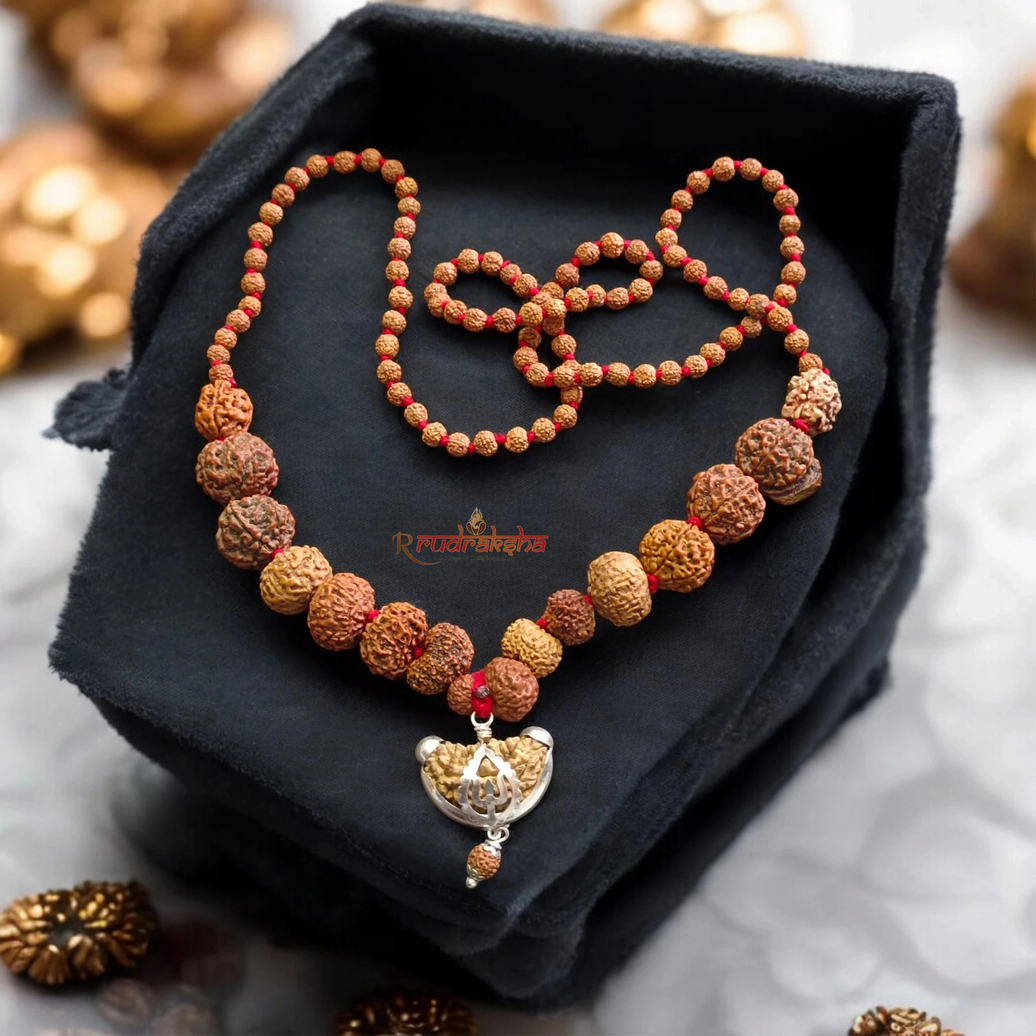
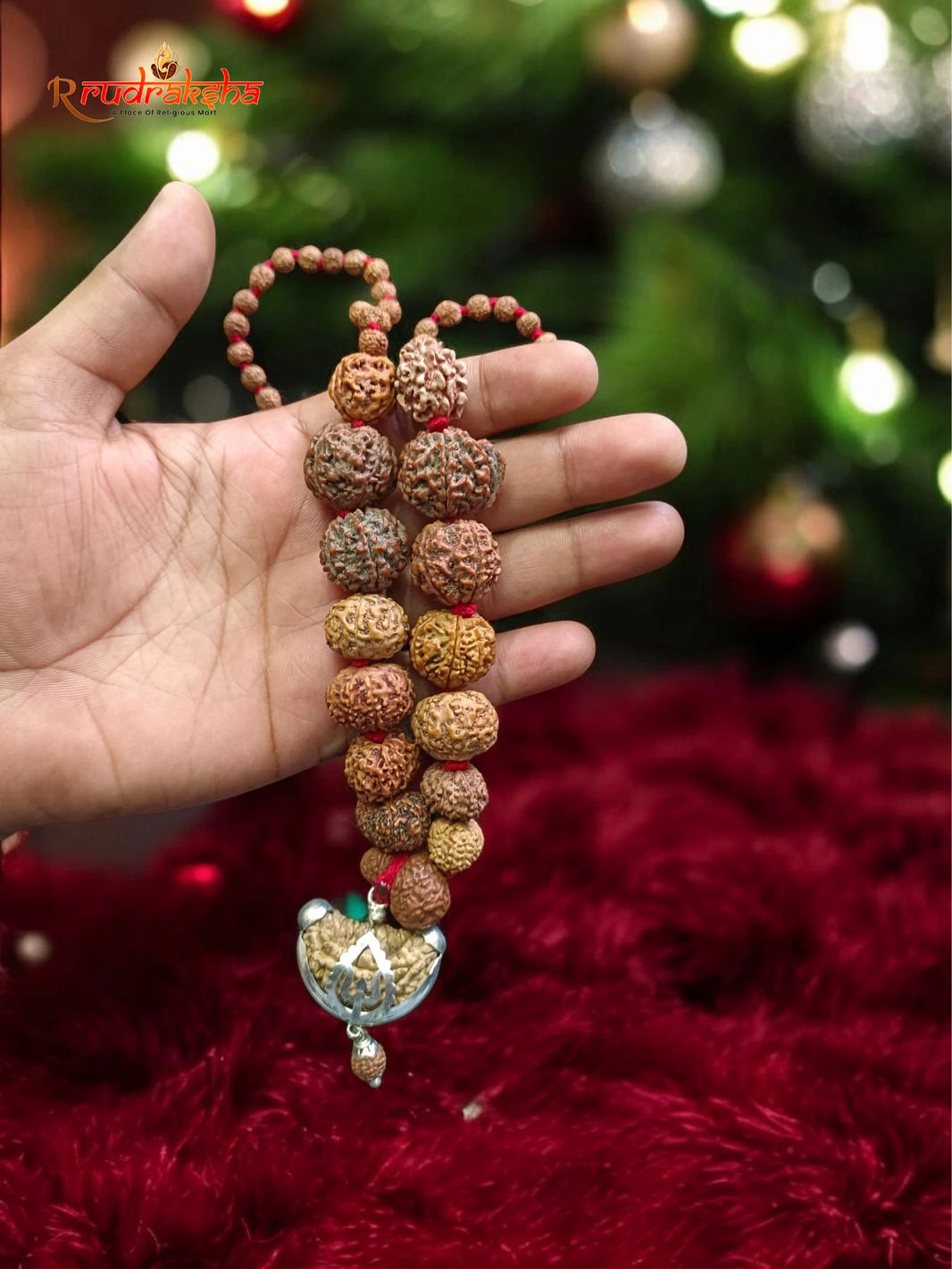
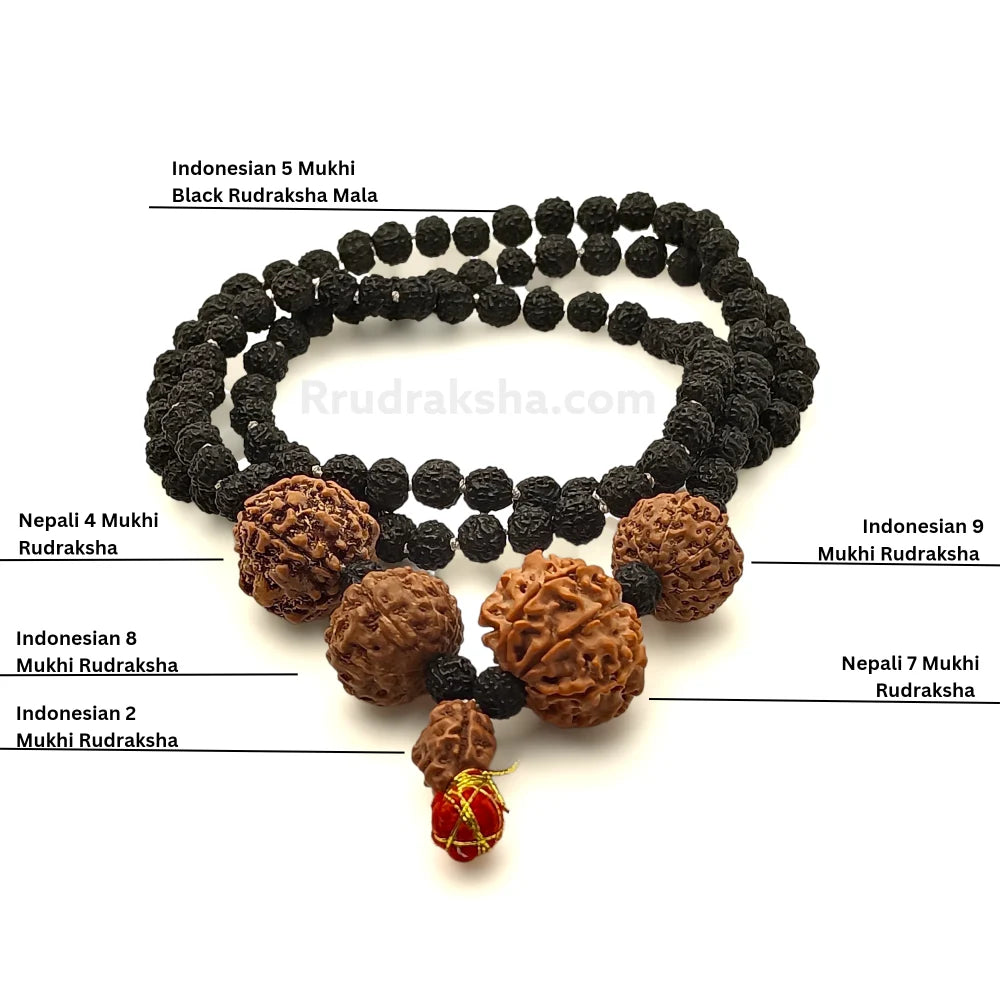
In traditional spiritual practices, the 10 Mukhi Rudraksha is widely associated with protection and emotional resilience. The 9 Mukhi Rudraksha is linked with courage and strength, while the 5 Mukhi Rudraksha is associated with mental calmness and balance. Many individuals choose a combination of these beads as part of a spiritual routine focused on mindfulness and emotional stability.
2. Can Rudraksha protect from negative energy?
Spiritual traditions describe Rudraksha as a symbol of mindfulness, discipline, and inner strength. Rather than acting as a magical shield, it serves as a reminder to remain calm, grounded, and emotionally balanced during stressful situations.
3. How should Rudraksha be worn for protection?
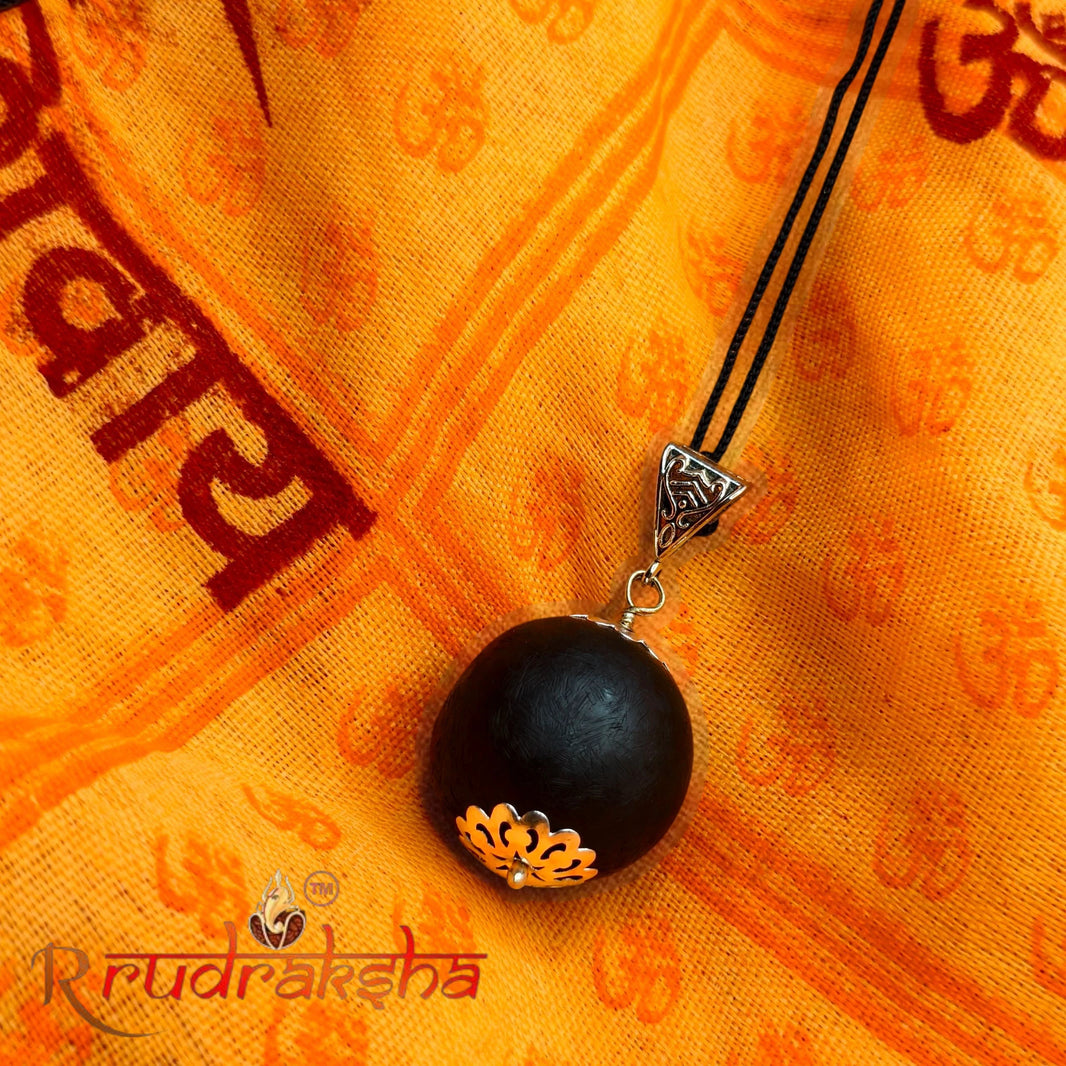
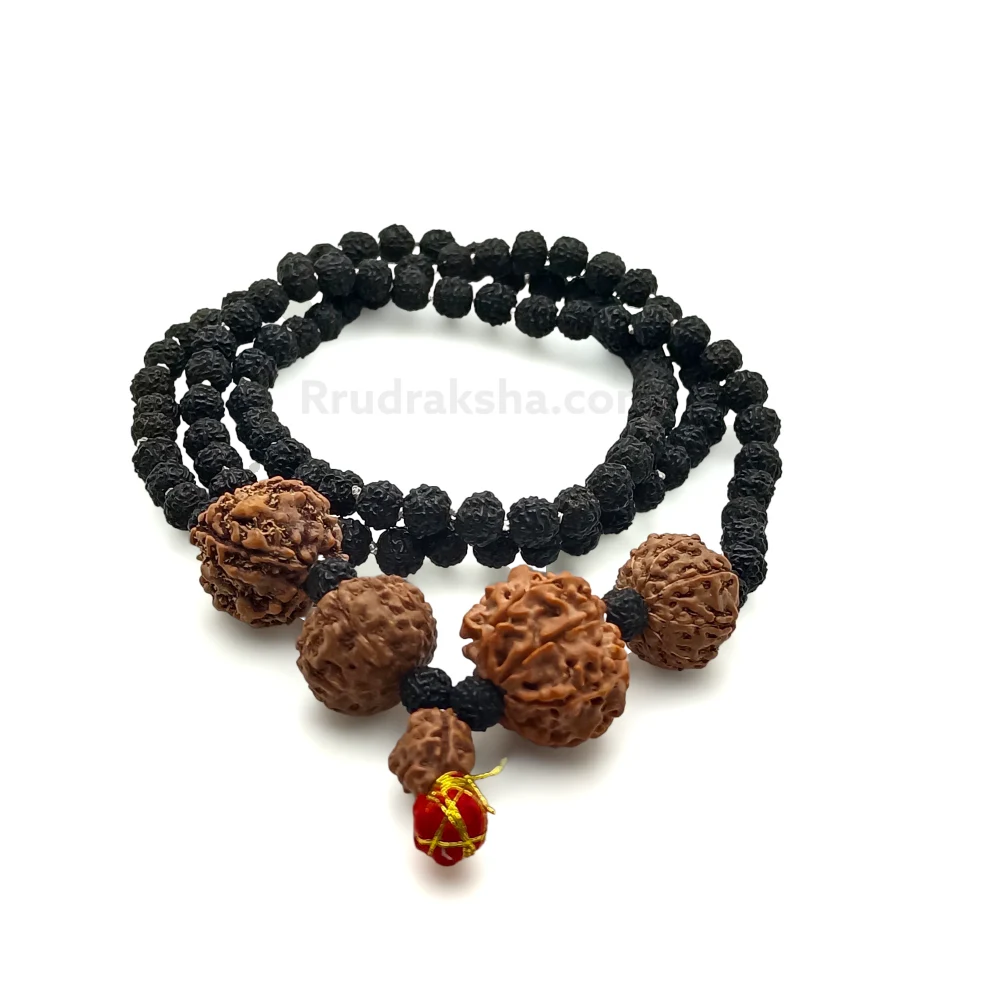
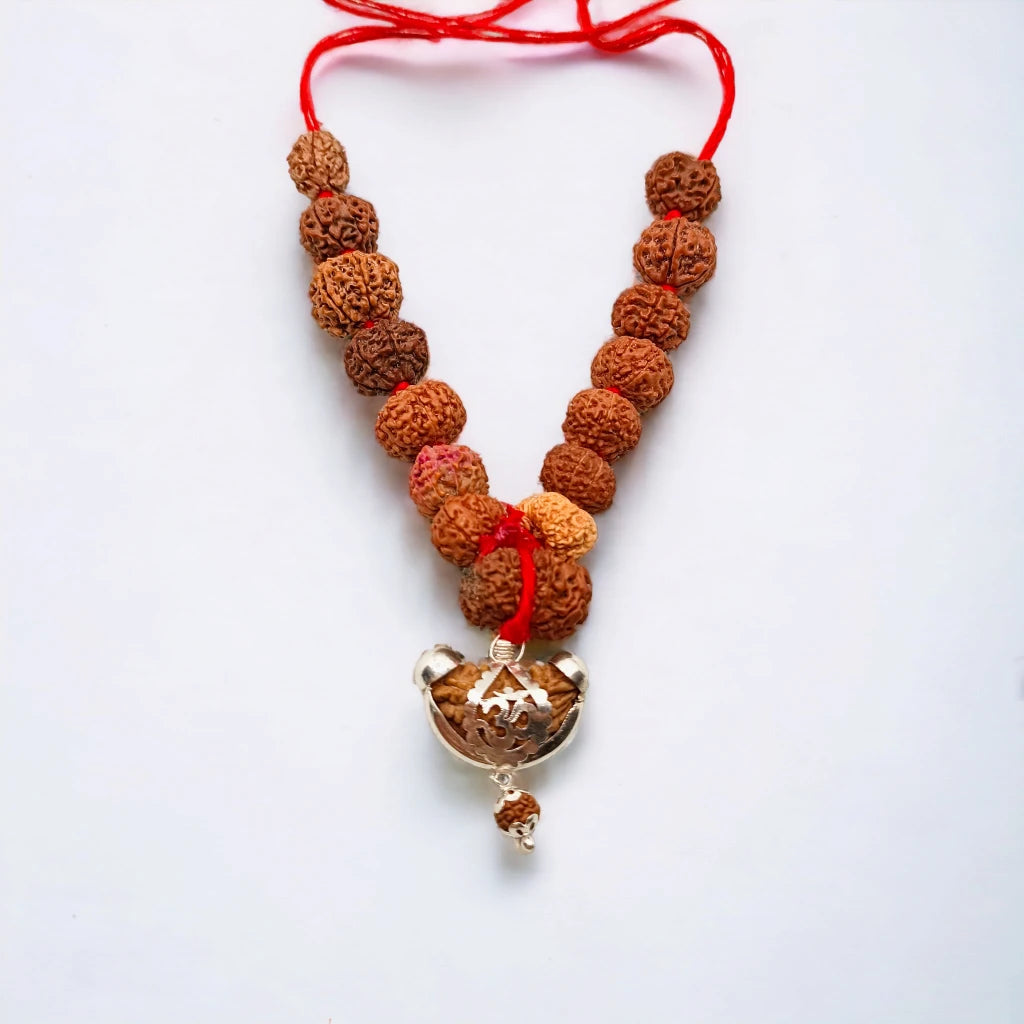
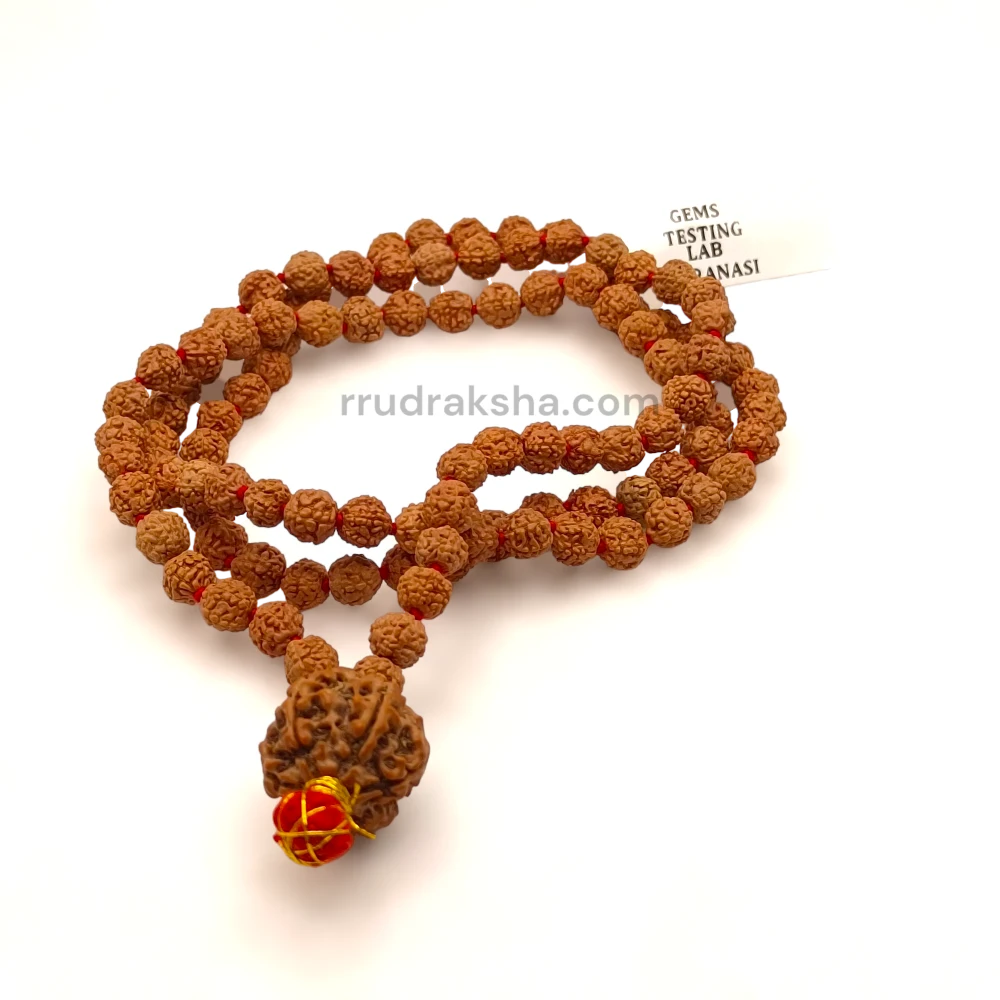
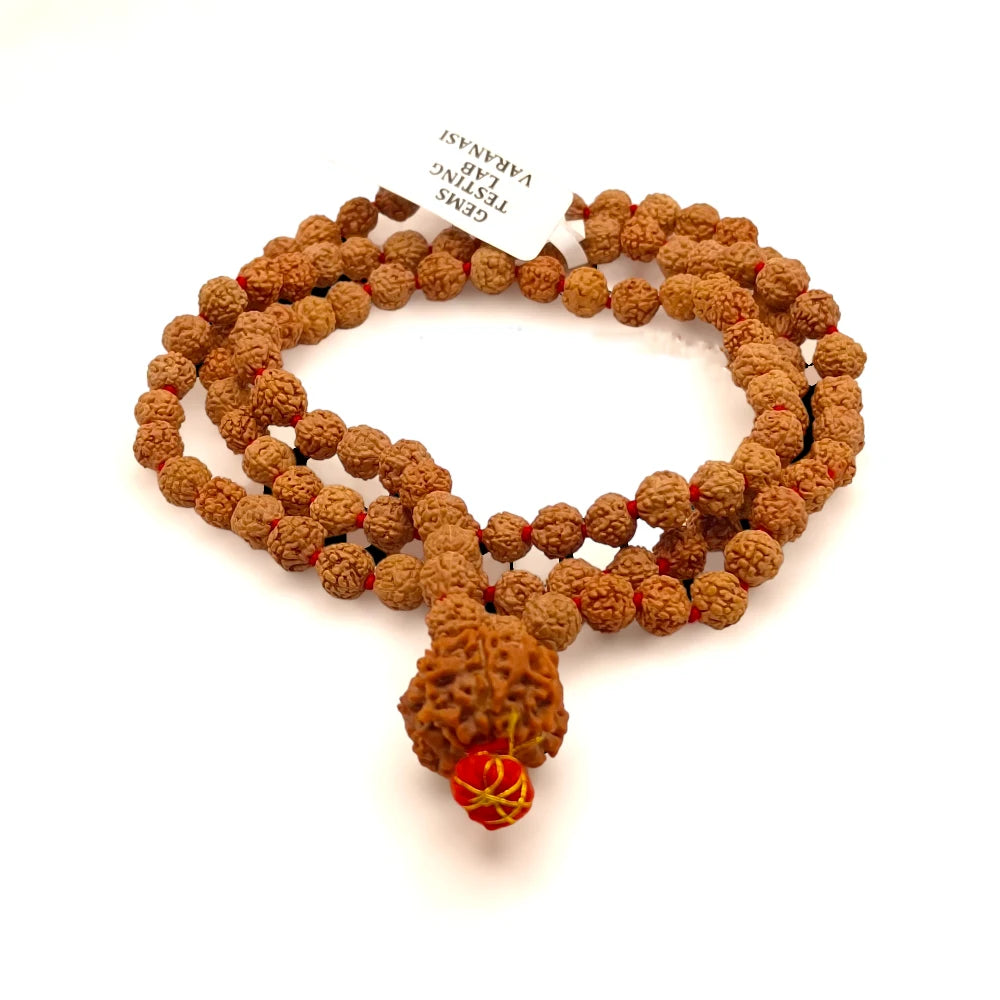
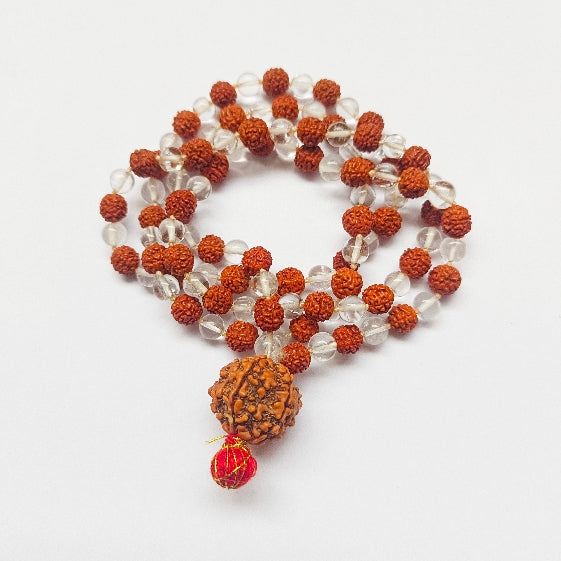
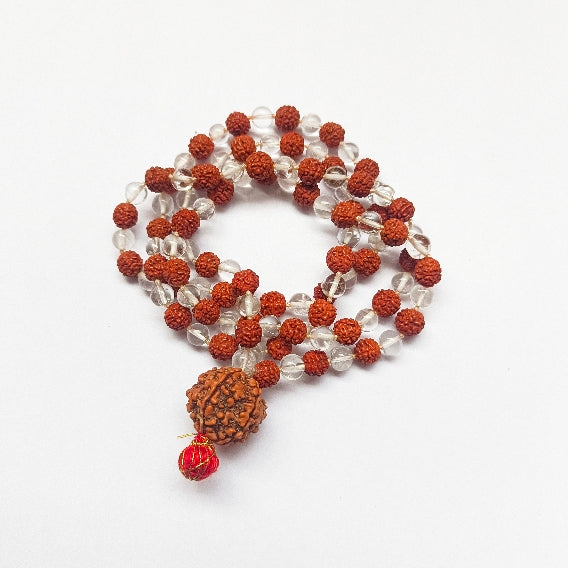
Rudraksha can be worn as a bracelet, pendant, or mala. Many individuals incorporate it into their daily routine alongside meditation, prayer, or mindfulness practices.
4. Can beginners wear Rudraksha for protection?
Yes, beginners often start with commonly worn Rudraksha beads such as the 5 Mukhi Rudraksha as part of a simple mindfulness routine.
5. Can multiple Rudraksha beads be worn together?
Yes, combinations are commonly used in spiritual traditions to represent multiple qualities and intentions.
6. How long does it take to notice changes?
Spiritual traditions emphasize patience and consistency. Experiences vary from person to person depending on lifestyle and daily habits.
7. Is meditation necessary when wearing Rudraksha?
Meditation is encouraged but not mandatory. Rudraksha can be part of a broader mindfulness routine.
8. Can Rudraksha be worn daily?
Yes, many individuals wear Rudraksha daily as part of their spiritual practice.
9. Can women wear Rudraksha?
Yes, women can wear Rudraksha as part of their spiritual routine.
10. Can Rudraksha be worn during sleep?
Some individuals wear Rudraksha continuously, while others remove it before sleep based on personal preference.
🕉️ Conclusion 💫
True Protection Begins Within
In the modern world, protection is often associated with physical safety and external security. However, spiritual traditions remind us that the most powerful protection begins within the mind. Emotional resilience, clarity of thought, patience, and self-awareness form the true foundation of a secure and balanced life.
Rudraksha beads have been worn for centuries as symbols of discipline, mindfulness, and spiritual grounding. Rather than promising instant solutions, they serve as gentle reminders to cultivate calmness, emotional stability, and inner strength. When combined with daily practices such as meditation, reflection, gratitude, and mindful living, Rudraksha becomes part of a holistic lifestyle that supports emotional well-being.
Life will always include challenges, uncertainty, and change. The goal of spiritual practice is not to avoid these experiences but to face them with clarity, courage, and balance. By nurturing inner strength and practicing mindfulness, individuals can create a lasting sense of security and peace.
🙏 हर हर महादेव 🙏





Leave a comment