



Why Rudraksha Is Used in Worship: Meaning, Science & Spiritual Logic Explained 📿🔱
Among all sacred items used in Hindu worship, Rudraksha holds a unique and deeply respected position. It is not merely a bead, ornament, or accessory—it is considered a sacred symbol of Shiva-consciousness itself.
From ancient sages to modern spiritual seekers, Rudraksha has been used consistently in worship, meditation, mantra chanting, and personal spiritual discipline. But a fundamental question remains: why is Rudraksha used in worship? Is it only because of tradition, or is there a deeper spiritual and logical foundation behind its use?
This blog explores the meaning, origin, symbolism, belief-based science, and spiritual logic of Rudraksha—carefully and responsibly—so that both beginners and advanced readers can understand its true significance without exaggeration or superstition.
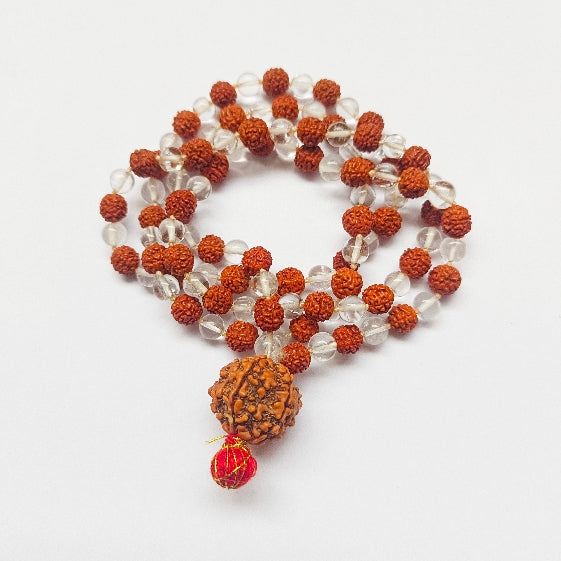
What Is Rudraksha? (Clear & Authentic Explanation) 📿
The word Rudraksha is derived from two Sanskrit words: Rudra (a fierce yet compassionate form of Shiva) and Aksha (eye or tears). According to tradition, Rudraksha is associated with the tears of Lord Shiva, symbolizing compassion born from deep awareness.
Botanically, Rudraksha is the seed of the Elaeocarpus ganitrus tree, primarily found in the Himalayan region, Nepal, parts of India, and Southeast Asia. What makes Rudraksha special is not just its origin, but its natural structure—each bead carries natural divisions called mukhis, which are central to its spiritual interpretation.
Unlike decorative beads, Rudraksha has been traditionally regarded as a tool for inner discipline and spiritual focus.
Why Rudraksha Is Sacred to Lord Shiva 🔱
Rudraksha is inseparably linked with Lord Shiva. In Shaiva traditions, Shiva is often depicted wearing Rudraksha malas, symbolizing renunciation, awareness, and mastery over inner impulses.
Shiva represents pure consciousness—still, detached, and aware. Rudraksha, in this context, becomes a reminder of that state of consciousness. Wearing or using Rudraksha in worship is not about decoration; it is about aligning oneself with Shiva’s qualities—calmness, clarity, and inner stability.
This is why Rudraksha is especially prominent in Shiva temples, Rudra Abhishek rituals, and mantra chanting practices.
Why Rudraksha Is Used in Worship (Not Just Worn) 💫
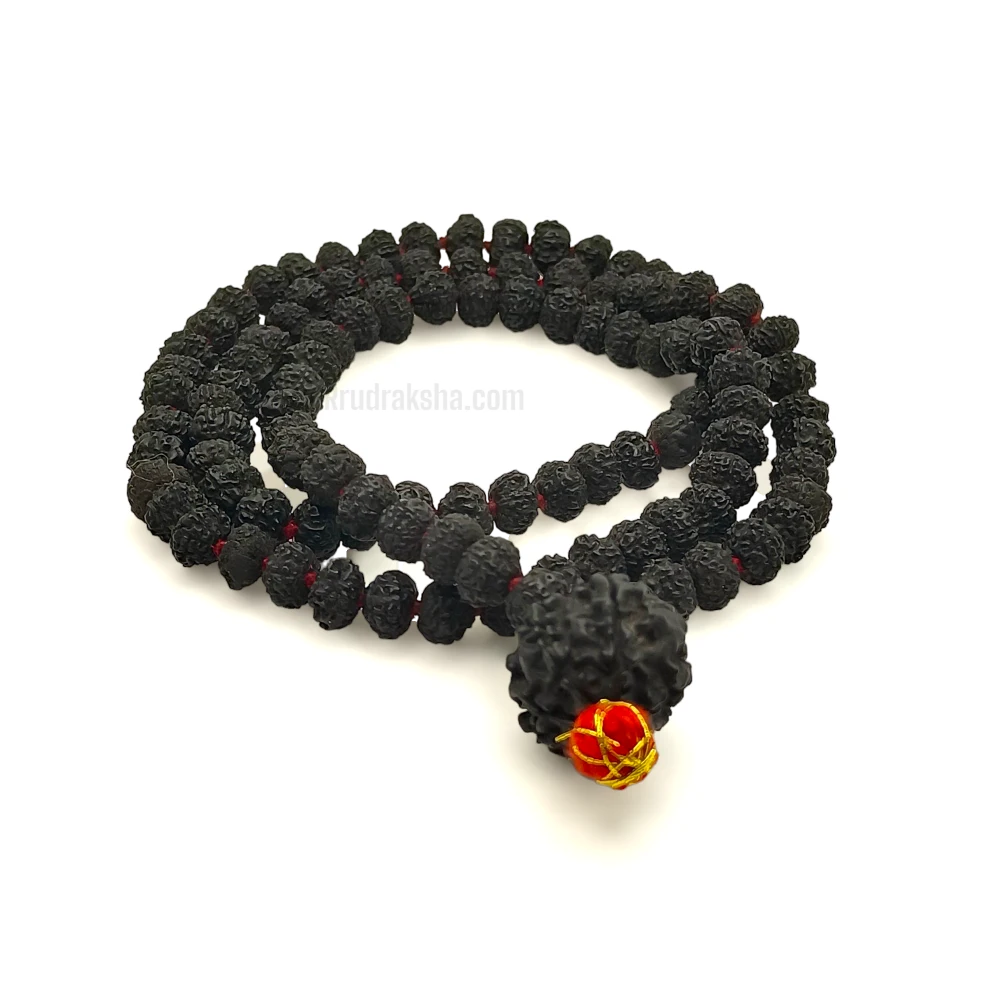
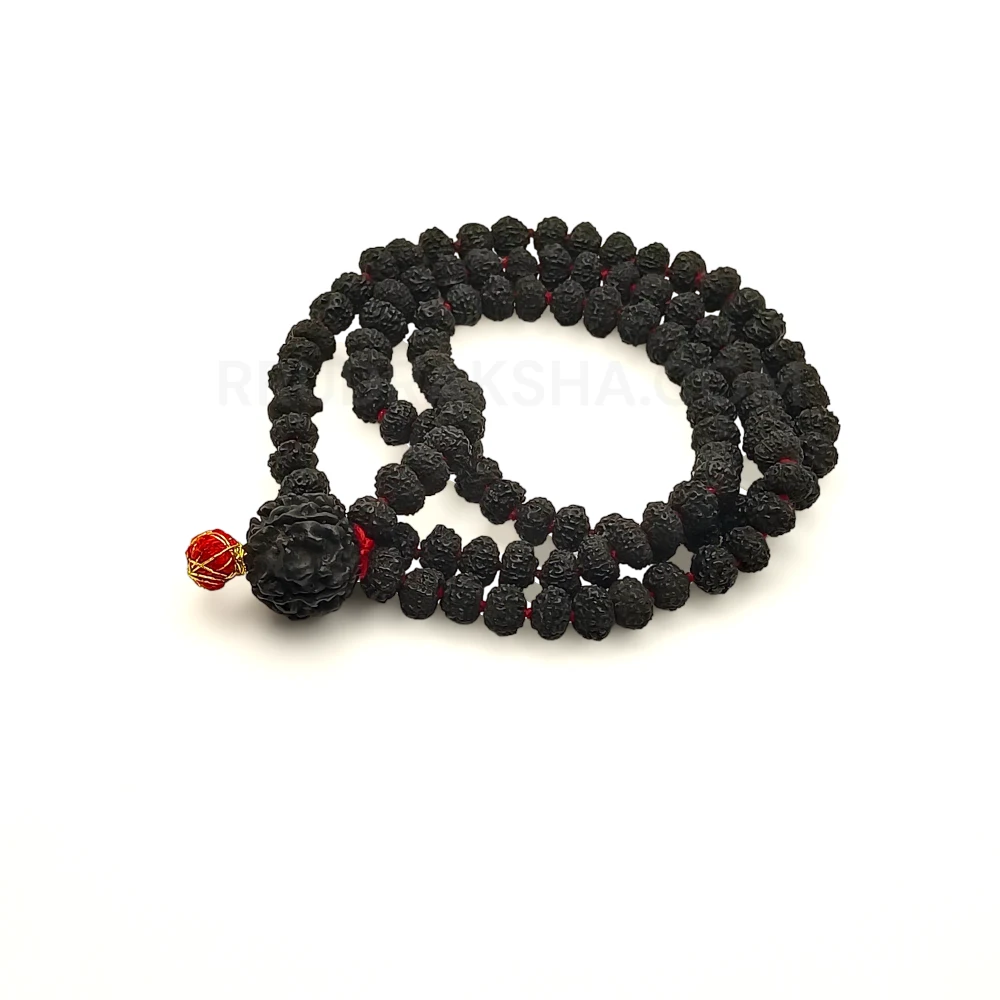
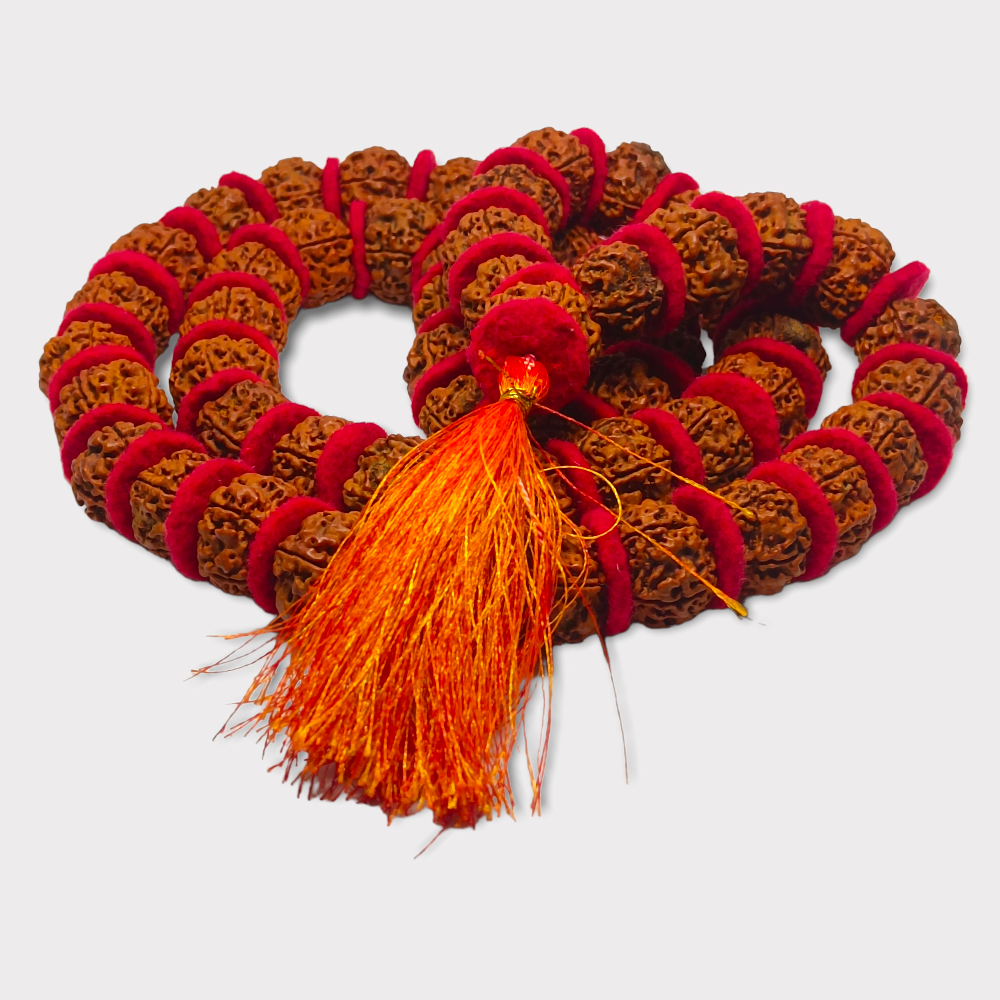
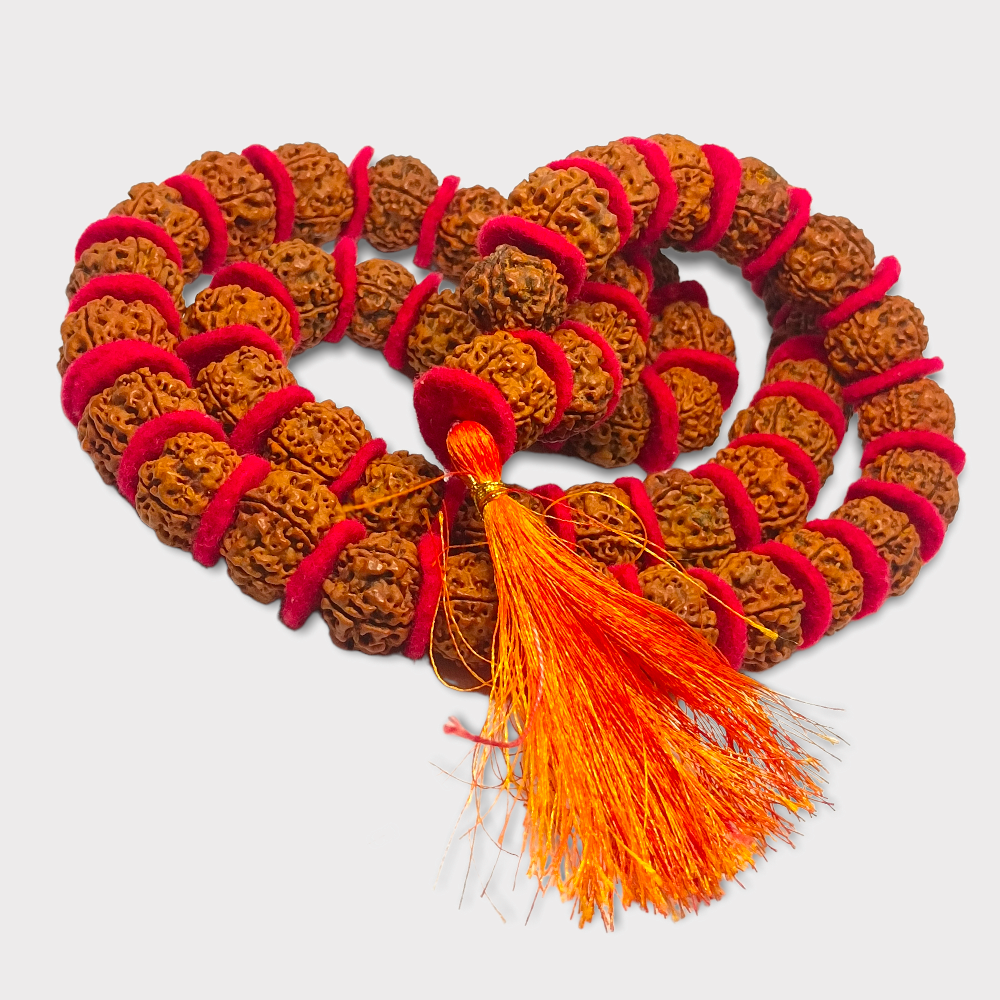
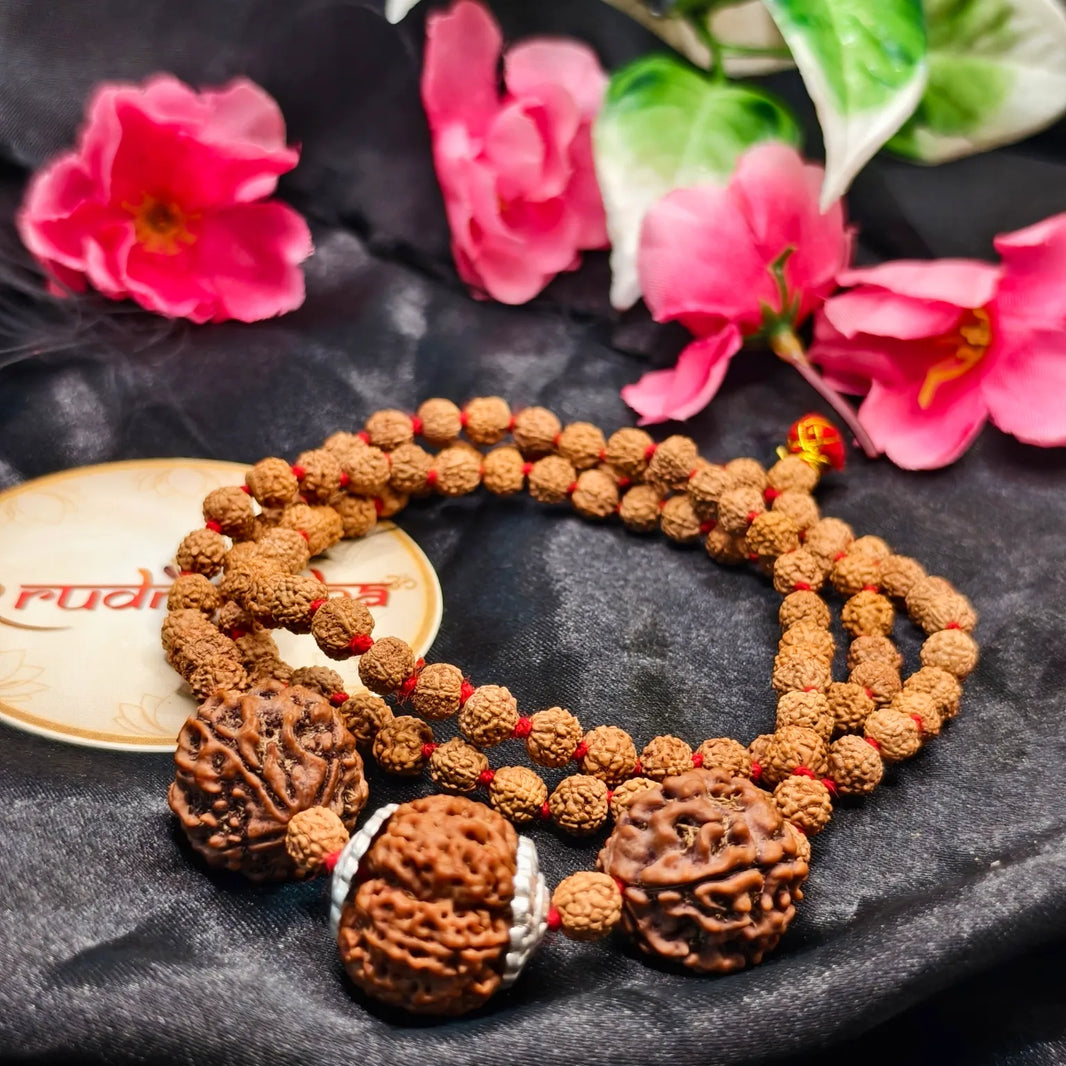
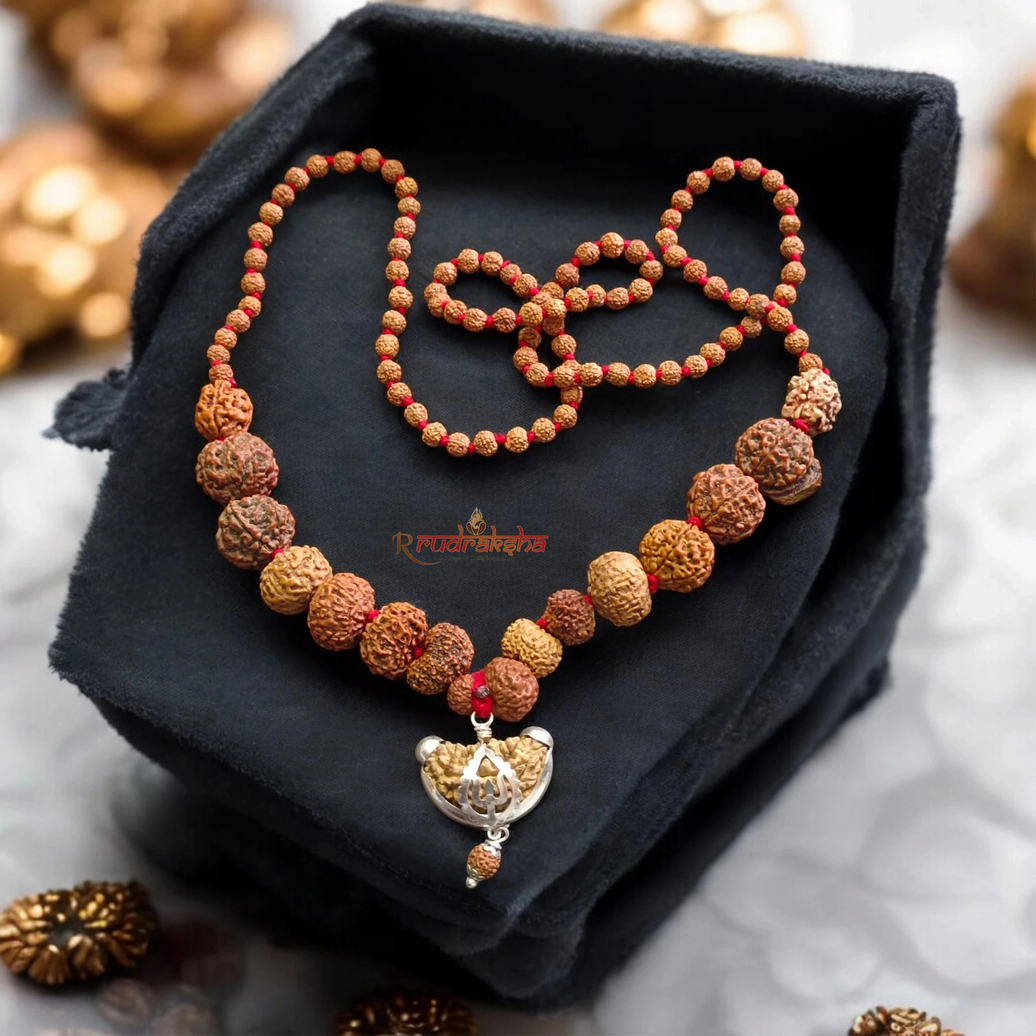
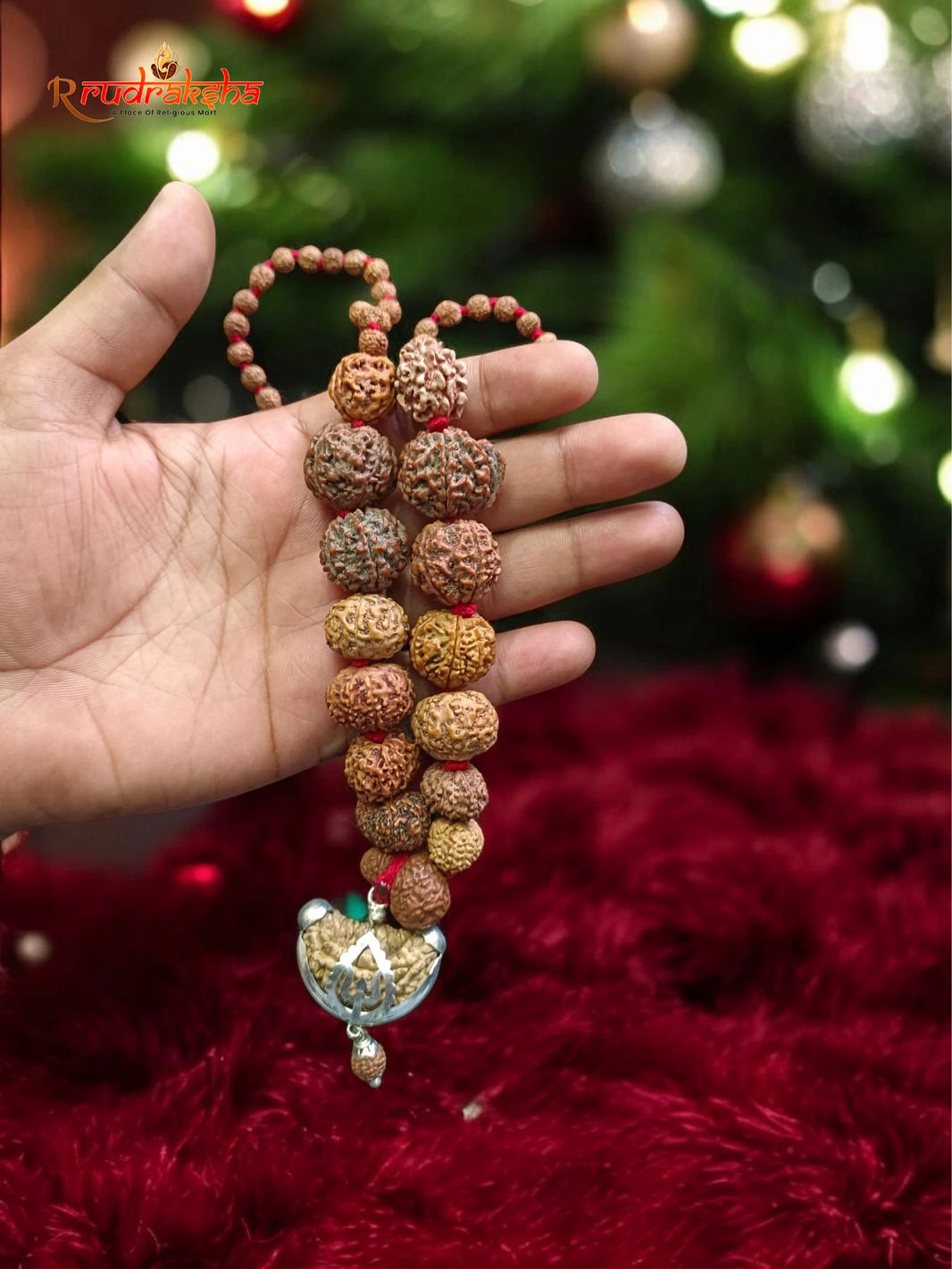
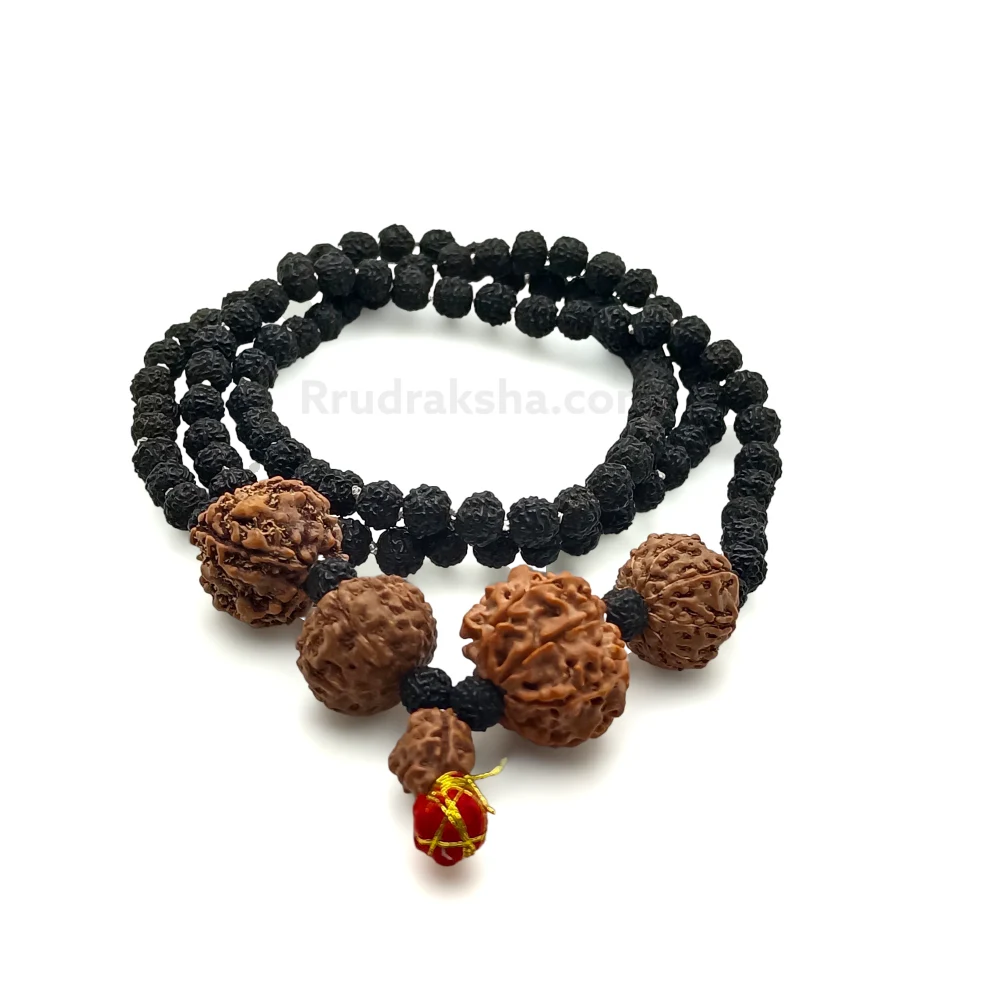
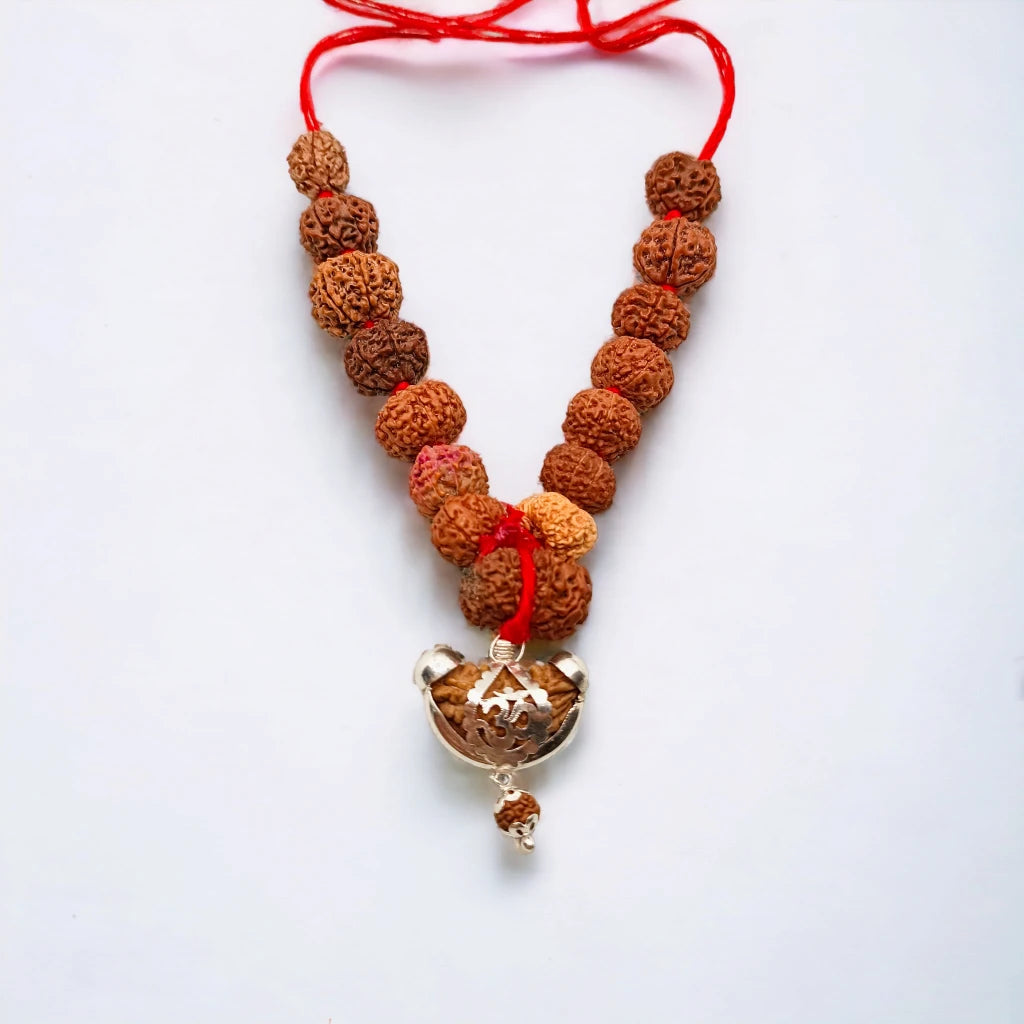
Rudraksha is not limited to being worn as a mala or bracelet. It is also placed on Shivlings, used during Abhishek, and held during mantra japa.
The logic behind this lies in symbolism. Worship, in Hindu philosophy, is not about pleasing a deity but about preparing the mind of the worshipper.
Rudraksha serves as a physical anchor—a reminder of intention, discipline, and inward focus. During worship, it helps shift attention from the external world to an inner state of awareness.
This makes Rudraksha a tool of alignment rather than a ritual accessory.
Rudraksha as a Tool for Inner Discipline 🧠
One of the most important reasons Rudraksha is used in worship is its association with discipline.
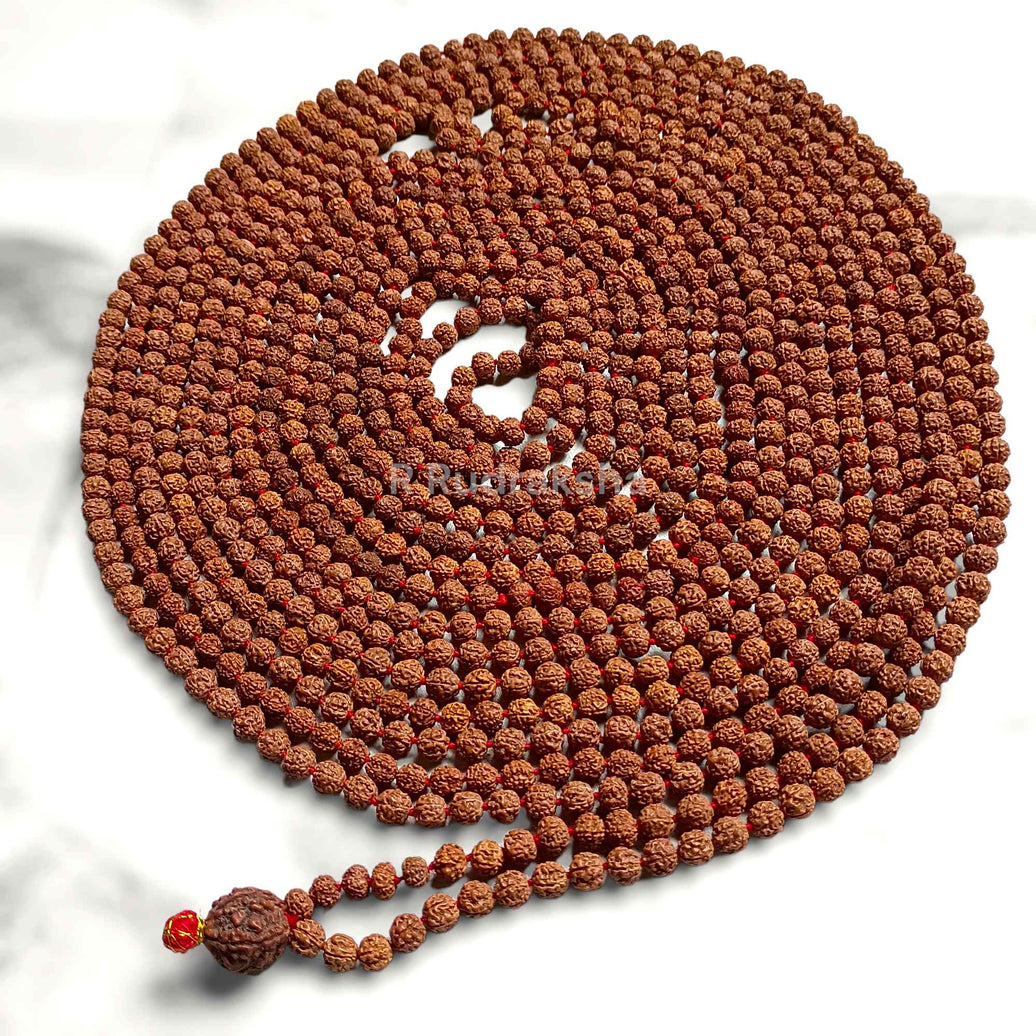
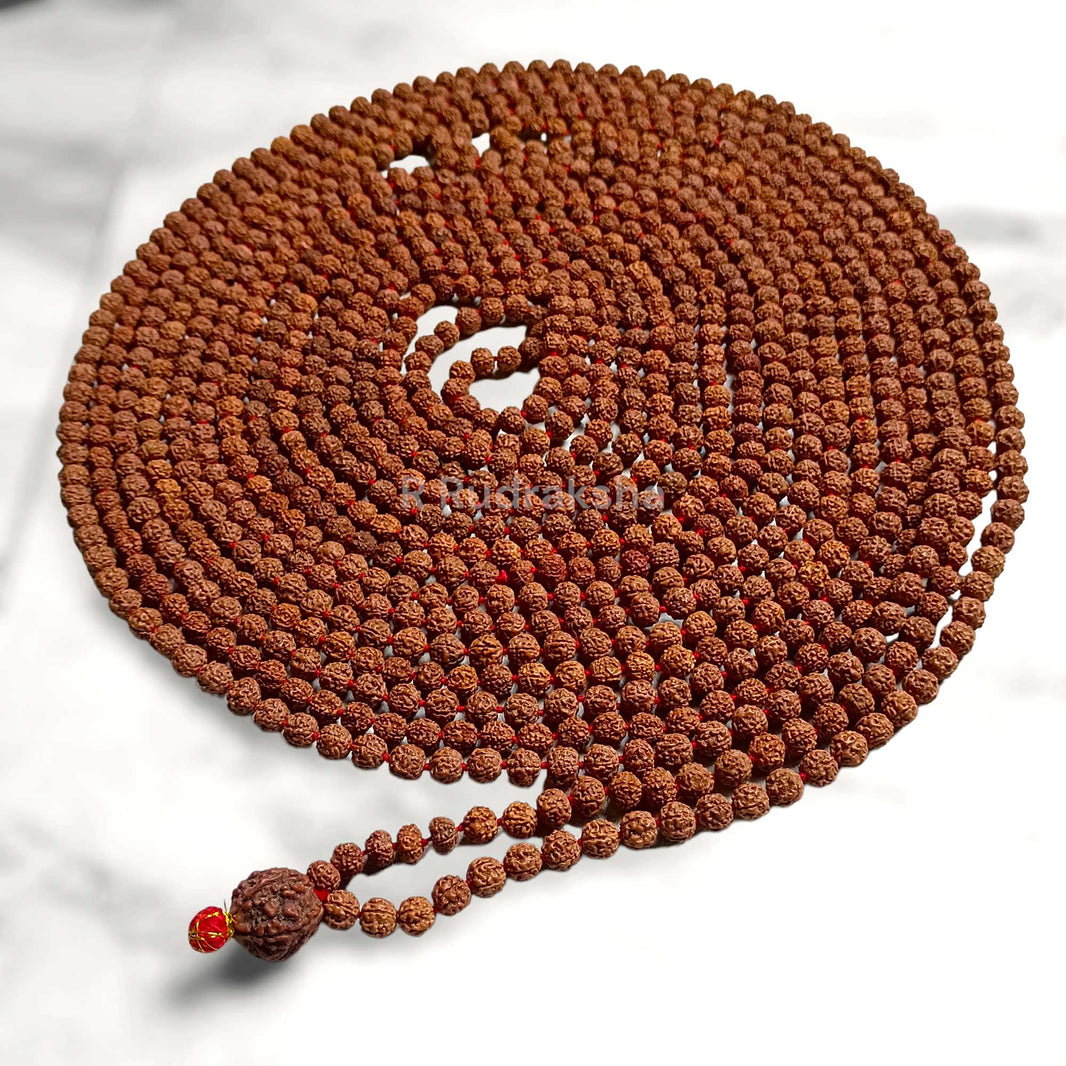
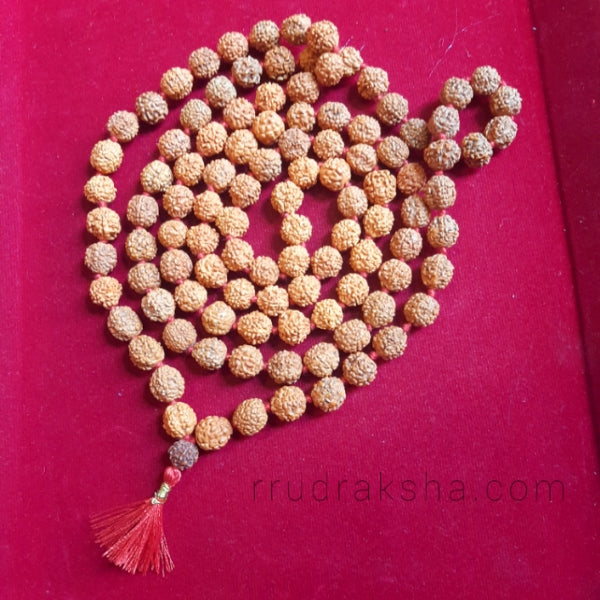
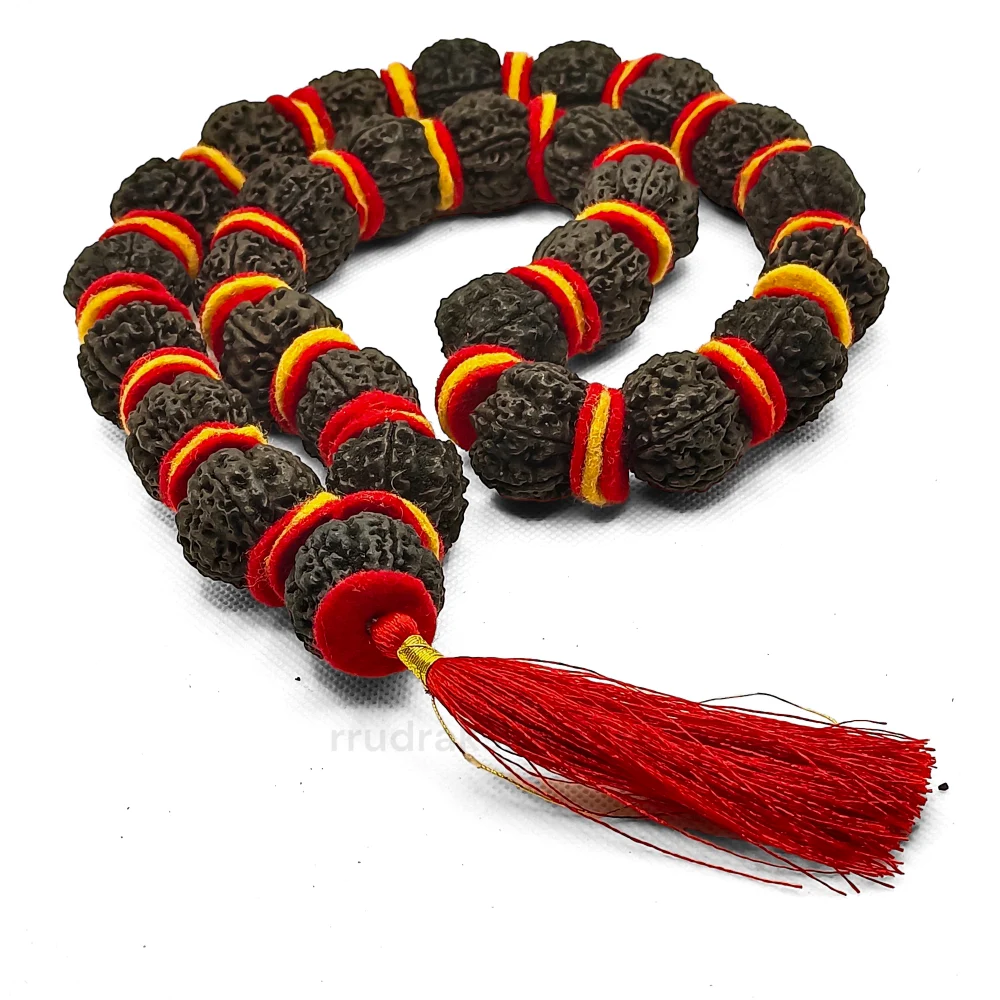
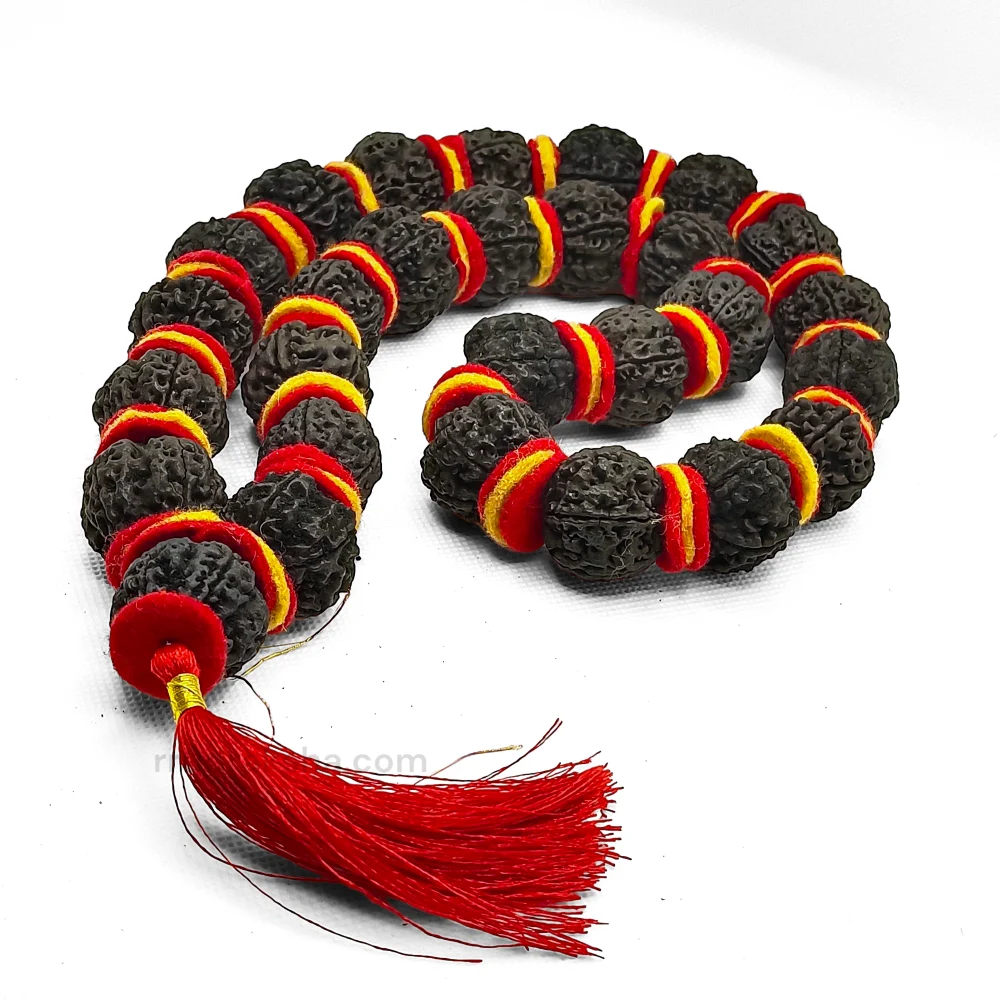
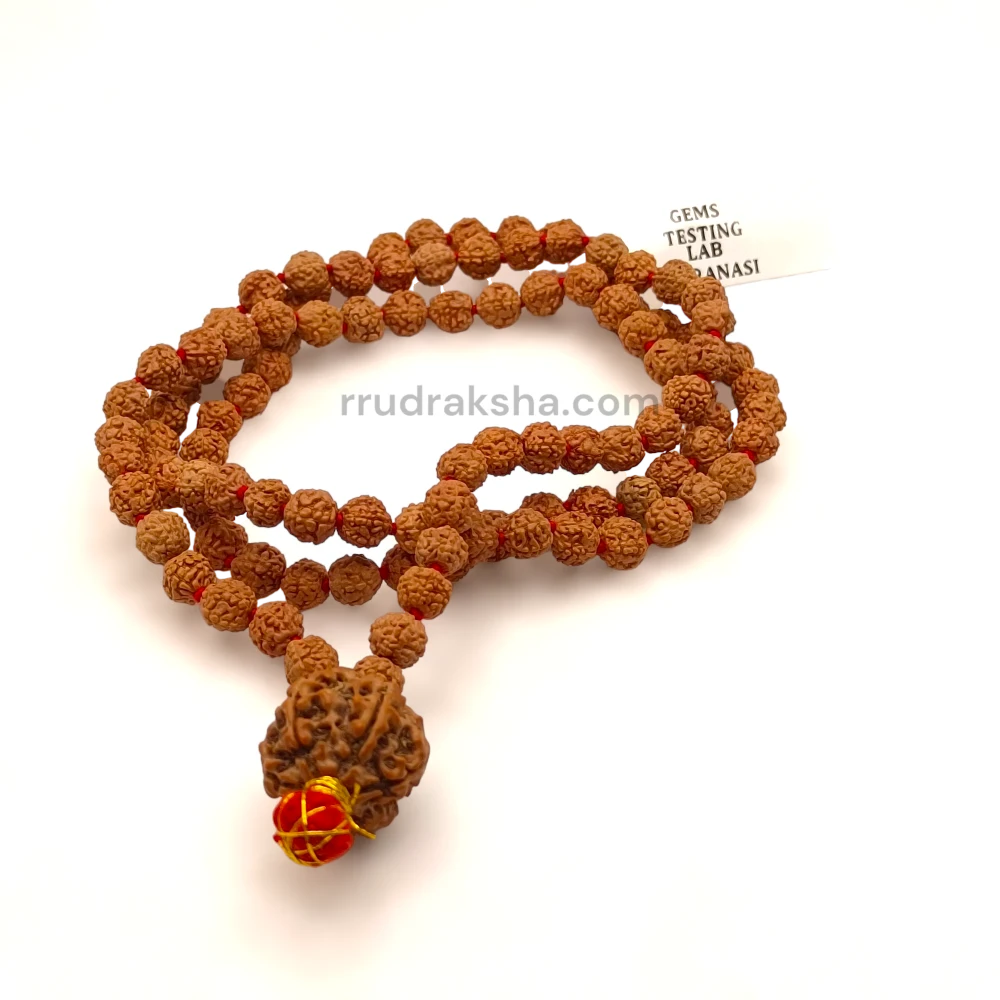
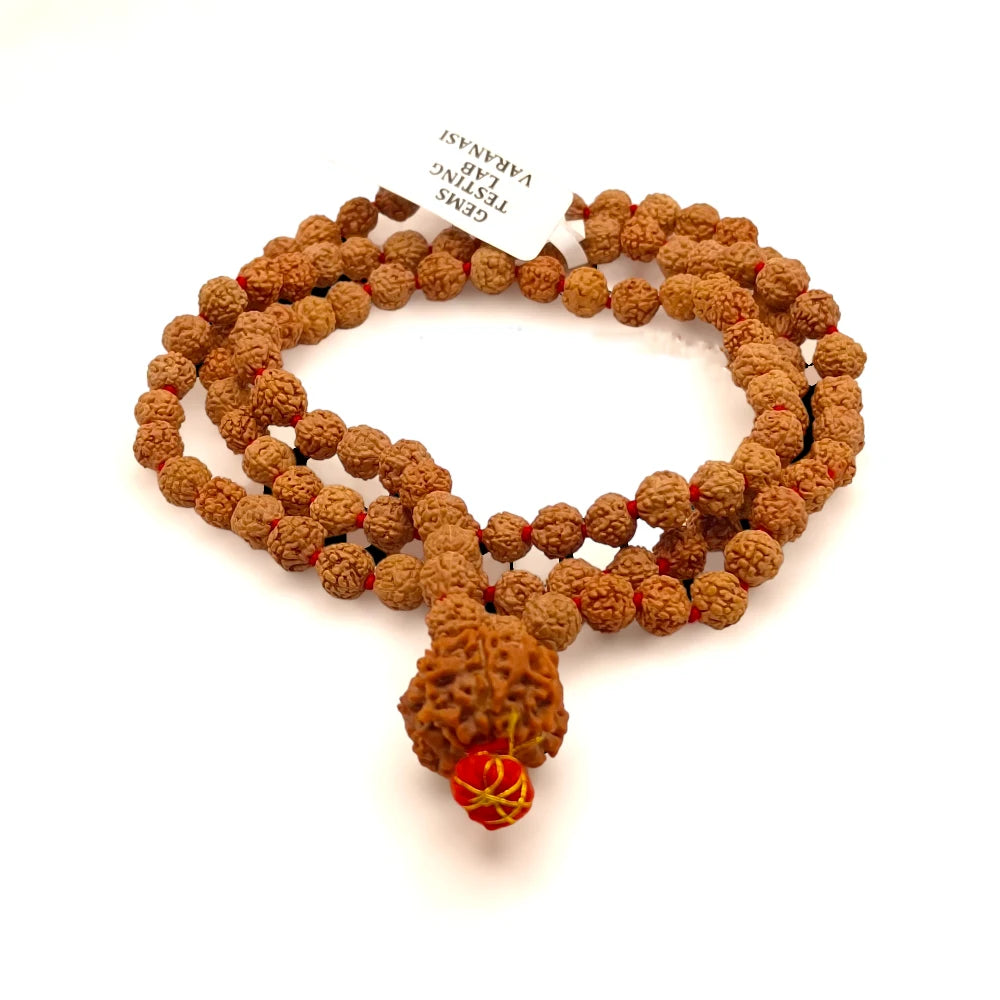
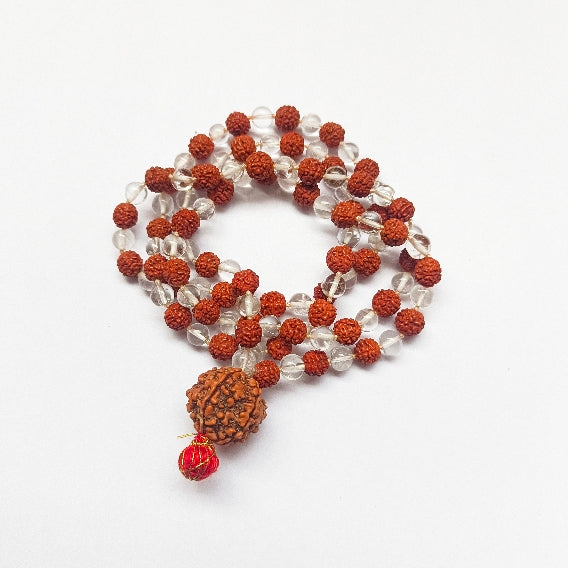
Spiritual growth requires consistency. Rudraksha malas are traditionally used for counting mantra repetitions, ensuring focus and rhythm during chanting. This repetitive, mindful practice helps train attention and reduce mental restlessness.
In this way, Rudraksha becomes a bridge between intention and action—turning devotion into a structured inner practice.
Belief-Based Scientific Perspective (Explained Responsibly) 🕉️
From a belief-based scientific viewpoint, Rudraksha is said to possess electromagnetic and paramagnetic properties due to its natural composition and surface structure.
Traditionally, it is believed that these properties help stabilize mental fluctuations and support calmness during meditation and worship. However, it is important to clarify that these effects are understood within spiritual and experiential frameworks—not as medical claims.
Modern practitioners often describe Rudraksha as a grounding influence, helping maintain emotional balance during spiritual practices.
Rudraksha and Mantra Chanting Logic 📿
Mantra chanting requires rhythm, repetition, and focus. Rudraksha malas naturally support this process.
Each bead acts as a marker, allowing the practitioner to remain aware of the mantra count without mental distraction. This frees the mind from calculation and keeps attention anchored in the sound and meaning of the mantra.
This is why Rudraksha malas are preferred over ordinary beads in spiritual chanting traditions.
Why Rudraksha Is Preferred Over Ordinary Beads ✨
Ordinary beads may be visually similar, but Rudraksha carries symbolic, traditional, and experiential significance that goes beyond appearance.
Its natural formation, connection with Shaiva traditions, and long history of spiritual use give Rudraksha a distinct role in worship.
Using Rudraksha in worship is a conscious choice to engage with a tradition rooted in discipline, awareness, and inner balance.
Types of Rudraksha and Their Symbolic Meaning (Brief & Relevant) 🌺
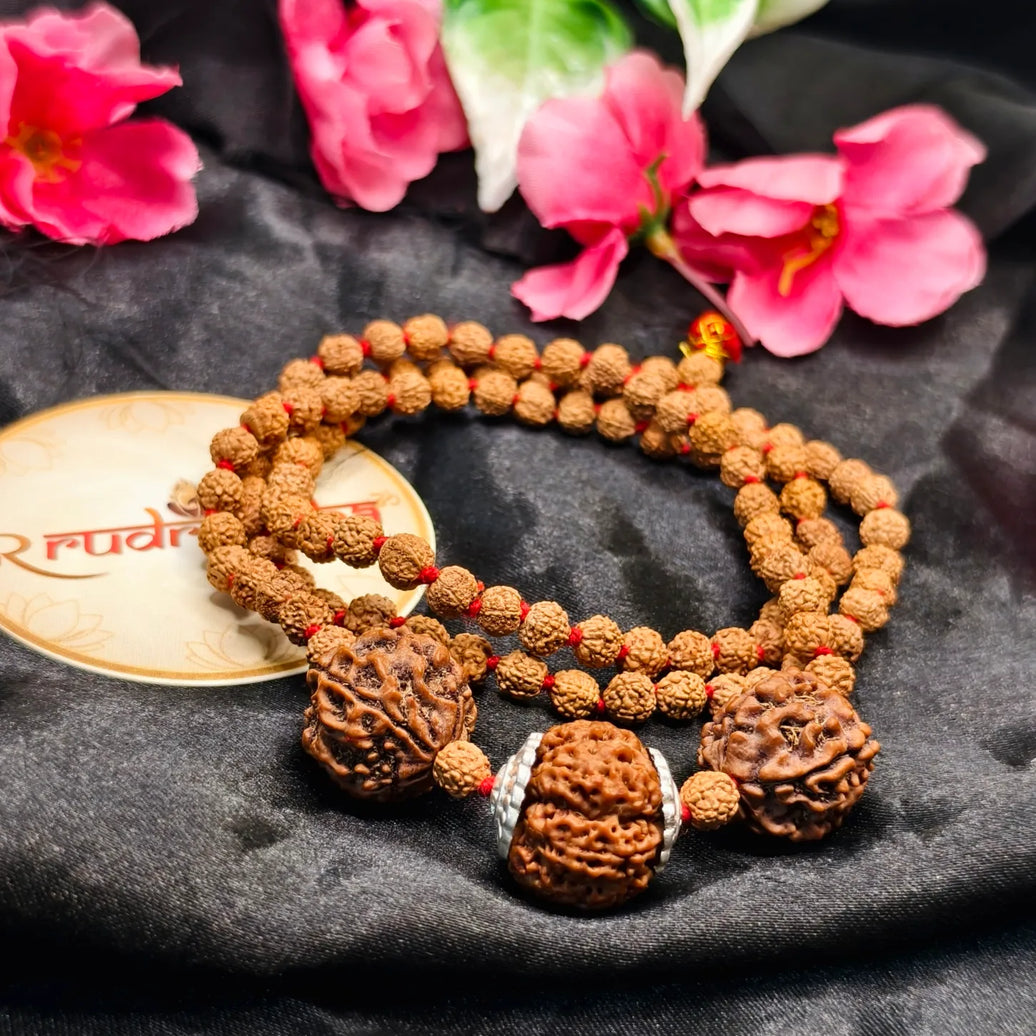
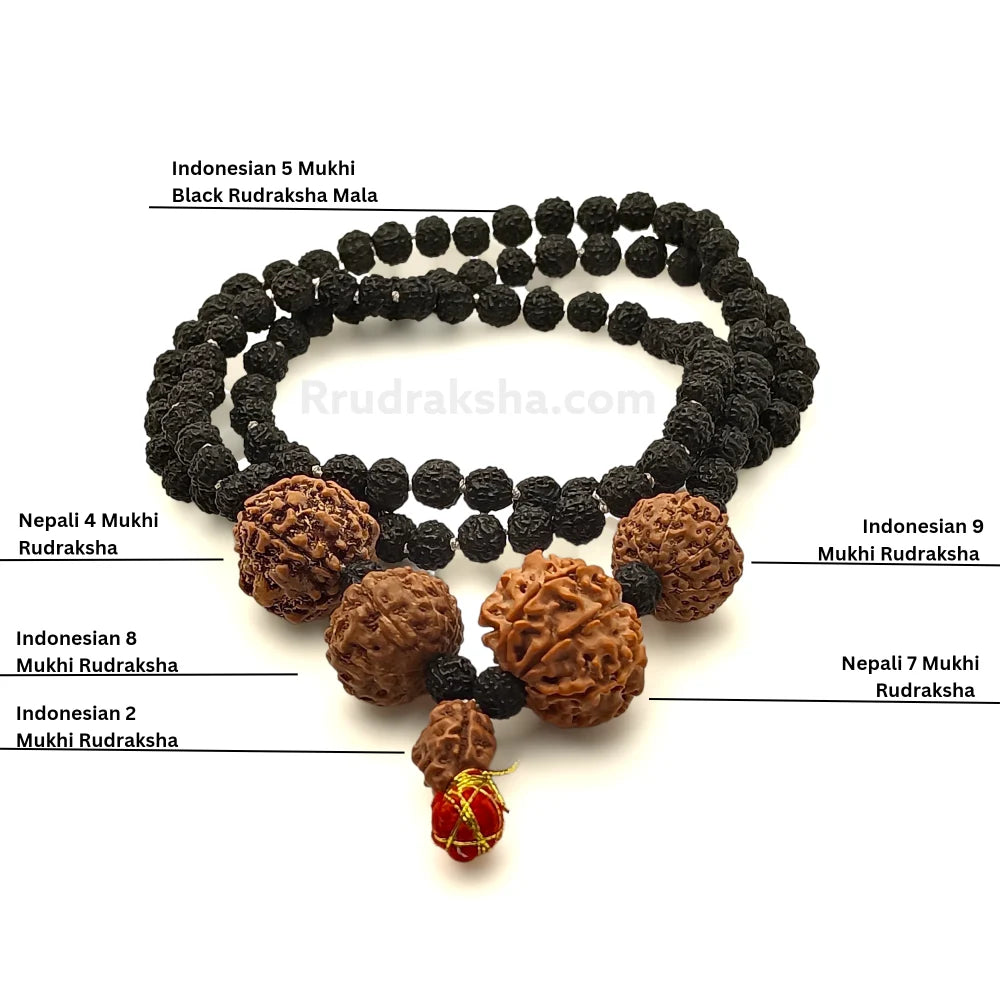
Rudraksha beads are classified based on the number of natural lines or divisions on their surface, known as mukhis. Each mukhi carries a symbolic meaning rooted in traditional interpretation.
For example, a 5 Mukhi Rudraksha is widely associated with balance, calmness, and general well-being, which is why it is the most commonly used bead in worship and daily spiritual practice. Other mukhis are traditionally linked with specific qualities such as discipline, focus, or introspection.
It is important to understand that these associations are symbolic and belief-based. The true value of Rudraksha in worship lies not in chasing specific mukhis, but in using it with sincerity, discipline, and awareness.
Why Rudraksha Is Placed on Shivling During Worship 🔱
During Shiva worship, especially in Rudra Abhishek, Rudraksha is often placed on or around the Shivling. This act is deeply symbolic.
The Shivling represents formless consciousness—Shiva in his absolute state. Rudraksha, associated with discipline and awareness, becomes an offering of inner restraint rather than material desire.
By offering Rudraksha, the devotee symbolically offers control over ego, restlessness, and distraction. It is a reminder that Shiva worship is about inner purification, not external display.
Rudraksha in Daily Spiritual Practice (Beyond Rituals) 🍃
Rudraksha is not meant only for temple rituals. Traditionally, it has been used as a companion in daily spiritual life.
Wearing or holding Rudraksha during meditation, prayer, or even quiet reflection serves as a constant reminder of awareness. It subtly reinforces the intention to remain calm, mindful, and disciplined throughout daily activities.
This is why many spiritual practitioners regard Rudraksha not as a sacred object alone, but as a tool for consistent inner alignment.
Common Myths About Rudraksha (Clarified Responsibly) 🌼
Myth 1: Rudraksha brings instant results.
Rudraksha is not a shortcut or miracle object. Its value lies in supporting discipline and focus over time.
Myth 2: Only saints can use Rudraksha.
Rudraksha is suitable for anyone seeking inner clarity and stability, regardless of spiritual level.
Myth 3: Wearing Rudraksha guarantees success.
Rudraksha supports inner alignment; outcomes depend on effort, awareness, and responsibility.
Understanding these points keeps Rudraksha usage grounded and respectful.
Who Should Use Rudraksha in Worship? ✅
Rudraksha is traditionally recommended for individuals engaged in spiritual practice, meditation, mantra chanting, or those seeking mental stability and clarity.
There are no rigid restrictions based on age, profession, or background. However, using Rudraksha with sincerity and respect is essential.
Rather than wearing it casually or as a fashion accessory, Rudraksha should be approached as a symbol of conscious living.
Why Rudraksha Still Matters in Modern Times 🌍
Modern life is fast-paced, overstimulated, and mentally demanding. In such an environment, tools that encourage stillness and focus become increasingly valuable.
Rudraksha serves as a grounding influence. It does not remove challenges, but it can help individuals respond with greater clarity and composure.
This relevance makes Rudraksha timeless—not bound to a particular era, but adaptable to every generation.
Frequently Asked Questions (FAQs) ❓
Why is Rudraksha considered sacred?
Because it symbolizes awareness, discipline, and Shiva-consciousness.
Can anyone use Rudraksha in worship?
Yes, as long as it is used with respect and sincerity.
Is Rudraksha only for Shiva devotees?
While strongly associated with Shiva, its principles apply universally.
Does Rudraksha have scientific proof?
Its benefits are understood within spiritual and experiential frameworks, not medical claims.
Can Rudraksha replace meditation or prayer?
No. It supports practice but does not replace personal effort.
📿 Conclusion 📌
Rudraksha Is a Symbol of Conscious Discipline
Rudraksha is used in worship not because of superstition or blind tradition, but because it represents a way of living rooted in awareness and discipline.
Its connection with Shiva reminds devotees that true spirituality is not about external rituals alone, but about inner stability, restraint, and clarity.
When used with understanding, Rudraksha becomes more than a Bead—it becomes a constant reminder to live consciously, act responsibly, and remain aligned with higher awareness.
🙏 Har Har Mahadev 🙏





Leave a comment