
























Bhairav Ashtami Guide: Meaning, Puja Vidhi, Fasting Rules & Significance 🌙🔱
Bhairav Ashtami is one of the most spiritually intense and deeply respected observances in Shiva worship. It is dedicated to Kaal Bhairav, the fierce yet protective form of Lord Shiva, known as the guardian of dharma, discipline, and fearlessness. 🖤🔱
While many people know Bhairav worship through temples—especially in Kashi—Bhairav Ashtami is the day when devotees consciously connect with Bhairav’s energy through prayer, restraint, and devotion. The focus is not just ritual. The focus is inner strength, spiritual boundaries, and clarity.
In this complete guide, you’ll learn what Bhairav Ashtami is, why it is celebrated, its spiritual meaning, simple puja vidhi, fasting rules (beginner-friendly), what to offer, what mistakes to avoid, and an important topic many people ask about: why wine is offered to Kaal Bhairav in some traditions—explained respectfully and responsibly.
What is Bhairav Ashtami? (Meaning in Simple Words) 🌙
Bhairav Ashtami is a sacred day dedicated to Lord Bhairav (especially Kaal Bhairav), observed on the Ashtami tithi in the Krishna Paksha of the Margashirsha month (as followed in many traditions). It is believed to be associated with the manifestation and worship of Bhairav as a powerful protector form of Shiva.
For devotees, Bhairav Ashtami is not only a festival—it’s a spiritual reminder that discipline is protection. It is the day when many people choose to offer prayers for courage, clarity, and inner stability.
Why Bhairav Ashtami is Important (Spiritual Significance) 🖤🔱
Kaal Bhairav is worshipped as the guardian energy that protects spiritual order. In a belief-based interpretation, Bhairav represents the force that destroys ego, removes fear, and enforces boundaries—both externally and internally.
That is why Bhairav Ashtami is considered powerful. It symbolically encourages devotees to reflect on their life discipline. Are we being truthful? Are we wasting time? Are we ignoring our responsibilities? Bhairav worship is often associated with “truth that cannot be avoided.”
Devotees connect with Bhairav because Bhairav does not represent comfort—Bhairav represents clarity. And clarity is one of the strongest forms of spiritual protection.
Bhairav Ashtami and Kashi: The Kotwal Connection 🛕
In Kashi (Varanasi), Kaal Bhairav is famously revered as the Kotwal of Kashi—the divine guardian of the city. The belief is that Kashi is not only a physical place, but a spiritual field where liberation is the central theme. And every spiritual field needs a protector.
This is why many devotees visiting Kashi feel that Bhairav darshan is essential. Bhairav Ashtami, in this sense, becomes a day where devotees everywhere connect to Kashi’s protective Bhairav energy—even from their homes.
When is Bhairav Ashtami Celebrated? 📅
Bhairav Ashtami is celebrated on the Ashtami (8th lunar day) as per the Hindu calendar tradition. Since tithi depends on lunar movement, the date changes every year. Many devotees check a Panchang calendar or temple announcements to confirm the correct date and timing.
Even if you miss the exact time window, the spiritual approach stays the same: sincere worship with discipline is what matters most.
How to Perform Bhairav Ashtami Puja at Home (Step-by-Step Vidhi) 🏠
Bhairav Ashtami puja does not need to be complicated. A simple, respectful, and consistent approach is best, especially for beginners.
Step 1: Clean your space & prepare your mindset 🕯️
Start by cleaning the worship area. Take a calm moment to settle your mind. Bhairav worship is about seriousness and focus, so a quiet environment helps.
Step 2: Light a diya and incense 🪔
Light a diya (lamp) and dhoop/agarbatti. This creates a devotional atmosphere and helps you concentrate.
Step 3: Offer flowers & simple bhog 🌺
Offer flowers and a simple bhog such as fruits or sweets. Keep the offering minimal and respectful.
Step 4: Chant a Bhairav mantra or Shiva mantra 📿
Beginners can chant a simple mantra like “Om Bhairavaya Namah” or “Om Namah Shivaya” with focus. You can chant 11 or 108 times depending on your comfort.
Step 5: Prayer for protection, discipline, and courage 🖤
Close your eyes and offer a sincere prayer. Bhairav worship is powerful when the prayer is honest: ask for inner strength, clarity, and freedom from fear.
Bhairav Ashtami Fasting Rules (Beginner-Friendly & Practical) 🍽️
Fasting on Bhairav Ashtami is a personal choice. Some devotees observe a strict fast, while others follow a light fast. The core purpose of fasting is not punishment—it is mental discipline and spiritual focus.
A beginner-friendly approach is to avoid heavy meals, avoid distractions, and keep the day sattvic and calm. Many devotees prefer fruits, simple food, or one meal depending on their capacity. The best fast is the one you can follow responsibly and respectfully.
If you cannot fast due to health reasons, you can still worship Bhairav with devotion. Spiritual sincerity is always greater than physical strictness.
What to Offer on Bhairav Ashtami (Simple & Traditional) 🪔🌺
Offerings vary across regions and traditions, but the most universally respected offerings are simple and devotional: diya, incense, flowers, and prasad.
Some devotees prefer oil lamps (especially sesame oil) as Bhairav is associated with protection and intensity. Many people also offer black sesame (til) in some traditions. The meaning is always the same: respect, surrender, and sincere prayer.
Want to understand the deeper spiritual logic behind offerings? Read: Why Coconut is Offered in Puja?
Why Wine is Offered to Kaal Bhairav (Respectful & Responsible Explanation) 🍷🖤
This is one of the most searched and most misunderstood topics in Bhairav worship.
In certain regional and tantric traditions, wine (madira) is offered to Kaal Bhairav as a symbolic offering. This does not mean Bhairav worship promotes drinking or intoxication for devotees. Instead, it is a ritual practice followed in specific lineages with specific rules and meanings.
In belief-based interpretation, Bhairav is a deity who accepts intense forms of worship and represents the transformation of raw human nature into disciplined spiritual awareness. Some traditions view such offerings as symbolic of “taming” lower impulses and surrendering them at the feet of the divine.
It is also important to understand that many devotees do not offer wine at all, and their worship is equally valid. In mainstream bhakti practices, devotees usually offer diya, flowers, sweets, and sincere prayer. Kaal Bhairav does not demand a specific offering—devotion, discipline, and respect are the core.
Responsible note: If you are not guided by a tradition that clearly follows such practices, it is perfectly fine to avoid these offerings. Simple devotional worship is always the safest and most recommended approach for beginners.
Bhairav Ashtami Do’s and Don’ts (Simple Rules for Devotees) ✅🖤
Bhairav Ashtami worship becomes more meaningful when you follow a few simple devotional rules. These are not meant to create fear or pressure—these are meant to maintain spiritual focus and respect. Kaal Bhairav worship is traditionally associated with intensity and discipline, so your approach should also be calm and mindful.
Do keep your worship space clean and peaceful. Do maintain a respectful mindset throughout the day. Do speak and behave mindfully, because Bhairav worship is deeply connected with inner control. Do keep your offerings simple and sincere—especially if you are a beginner.
Don’t perform Bhairav worship in a rushed or careless way. Don’t treat Bhairav as a “fear deity” or worship from panic. The healthiest devotional approach is respect, clarity, and confidence. Don’t copy advanced rituals from social media without understanding them. Bhairav worship is most powerful when it is correct, simple, and consistent.
Common Mistakes to Avoid on Bhairav Ashtami ⚠️🔱
Many devotees make mistakes not because they lack devotion, but because they feel confused about what is “right.” The good news is that Bhairav worship does not require perfection. It requires sincerity. Still, avoiding certain mistakes will help you keep your worship clean and spiritually strong.
The most common mistake is expecting immediate results or treating the day like a shortcut for life problems. Bhairav Ashtami is not a “quick fix.” It is a spiritual discipline that helps you become calmer and stronger over time.
The second common mistake is overcomplicating the puja. Some people think they need many items and many rituals. But Bhairav worship can be deeply complete with a diya, a simple mantra, and a sincere prayer. More items do not automatically mean better worship.
The third mistake is mixing fear with devotion. Kaal Bhairav is worshipped with respect, not fear. If the mind is afraid, it becomes unstable. The purpose of Bhairav worship is to build inner courage—not anxiety.
Another mistake is copying wine-related offerings without understanding. As explained earlier, such offerings exist in specific traditions and lineages. For general devotees, it is safest to follow simple bhakti offerings. Your devotion is valid without following every extreme practice.
Best Time for Bhairav Ashtami Puja 🕯️🌙
Many devotees prefer performing Bhairav Ashtami puja during the evening or night because Bhairav worship is often associated with intense spiritual energy and strong focus. However, there is no universal rule that applies to everyone. The best time is the time when your mind is calm and you can worship without interruption.
If you are someone who feels most peaceful in the morning, you can worship in the morning as well. The most important thing is sincerity and attention. Bhairav worship responds to truth of intention, not only timing.
Some devotees also check local Panchang or temple guidance for tithi-based timing. If you have access to correct local timing, it is helpful. But if you do not, do not stress. Simple worship done respectfully is always accepted.
How to Worship Kaal Bhairav in a Temple (Practical Tips) 🛕✅
Visiting a Kaal Bhairav temple on Bhairav Ashtami can be a deeply powerful experience. The energy of a temple, the presence of other devotees, and the intensity of collective worship often create a strong spiritual atmosphere.
If you visit a temple, keep your behavior calm and respectful. Avoid rushing. Offer your prayer with focus. If there is a queue, accept the waiting as part of discipline. Bhairav worship teaches patience naturally.
For offerings, follow what the temple allows. Many temples have specific guidelines for bhog and rituals. The safest method is to offer what the temple tradition recommends and keep your personal worship simple and sincere.
Best Mantra for Bhairav Ashtami 📿
Mantra chanting is one of the most powerful ways to connect with Bhairav energy, especially on Bhairav Ashtami. If you are a beginner, keep mantras simple. Complex chanting is not required to build devotion.
The most beginner-friendly mantra is:
Om Bhairavaya Namah
You can chant it 11 times, 21 times, or 108 times depending on your comfort. Many devotees also chant Shiva’s universal mantra:
Om Namah Shivaya
Both mantras are safe and devotion-friendly. The real power comes from focused repetition. It is better to chant slowly with sincerity than chant fast with distraction.
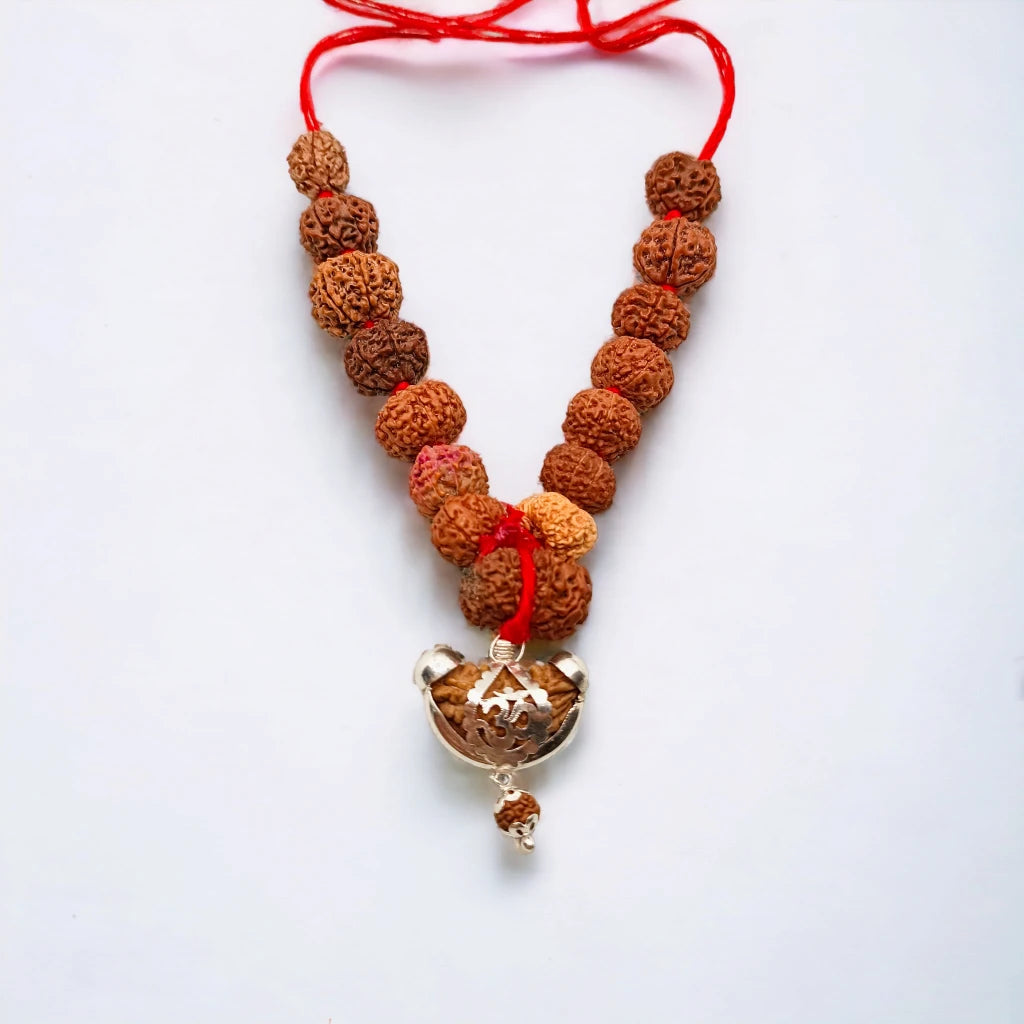
For consistent mala jaap and deeper focus, choose our premium Rudraksha Jaap Mala (108+1) for daily mantra practice. ✅📿
Frequently Asked Questions (FAQs) ❓
1) What is Bhairav Ashtami?
Bhairav Ashtami is a sacred day dedicated to Lord Kaal Bhairav, observed on Ashtami tithi, and known for prayers focused on discipline, protection, and fearlessness.
2) Why is Bhairav Ashtami celebrated?
It is celebrated to honor Kaal Bhairav’s protective energy and to renew spiritual discipline through worship, mantra chanting, and devotion.
3) Who is Kaal Bhairav?
Kaal Bhairav is a fierce and powerful form of Lord Shiva worshipped as a guardian of dharma and a symbol of time (kaal) and discipline.
4) What is the best mantra for Bhairav Ashtami?
“Om Bhairavaya Namah” is one of the simplest and safest mantras. “Om Namah Shivaya” is also widely chanted.
5) Can beginners do Bhairav Ashtami puja at home?
Yes. Beginners can worship at home with a diya, incense, flowers, simple prasad, and mantra chanting with sincerity.
6) Is fasting compulsory on Bhairav Ashtami?
No. Fasting is optional. The most important thing is devotion, discipline, and respectful worship.
7) What should we eat during Bhairav Ashtami fast?
Many devotees follow fruits, light sattvic food, or one simple meal depending on their capacity and health condition.
8) What is offered to Kaal Bhairav on Bhairav Ashtami?
Common offerings include diya, incense, flowers, and simple bhog. Some traditions offer sesame oil lamps for spiritual grounding.
9) Why do some people offer wine to Kaal Bhairav?
In certain regional and tantric traditions, wine is offered as a symbolic ritual practice. It is not mandatory, and most devotees follow simple bhakti offerings.
10) Is offering wine necessary for Bhairav worship?
No. Wine offerings are not required. Simple devotional worship is the most recommended approach for beginners.
11) What is Bhairav’s spiritual meaning?
Bhairav represents discipline, truth, protection, and fearlessness (belief-based understanding) and encourages inner strength.
12) Why is Bhairav linked with time (kaal)?
“Kaal” symbolizes time and unstoppable change. Bhairav represents mastery over fear and illusion created by time.
13) What should we do after Bhairav Ashtami puja?
After puja, sit quietly for a minute, offer gratitude, and end with a simple prayer for protection and inner stability.
14) Can we visit Kaal Bhairav temple on Bhairav Ashtami?
Yes. Many devotees visit Bhairav temples on this day for darshan and special prayers, following temple rules respectfully.
15) What is the most important lesson of Bhairav Ashtami?
The most important lesson is discipline—worship that strengthens inner courage, boundaries, and truth-based living.
🔱 Conclusion 🖤
Bhairav Ashtami is a Day of Discipline, Courage, and Protection
Bhairav Ashtami is not just a ritual day—it is a spiritual reminder that inner strength is the greatest protection. Kaal Bhairav worship represents the fearless truth of Shiva: ego must be controlled, fear must be transformed, and life must be lived with discipline and sincerity.
Whether you worship at home with a diya and mantra, or you visit a temple for darshan, the essence remains the same: approach Bhairav with respect, clarity, and steady devotion. Keep your puja simple, avoid unnecessary confusion, and focus on the inner message—truth and discipline bring spiritual stability.
🙏 हर हर महादेव 🙏





Leave a comment