


Why Kumkum, Sindoor & Red Chunri Are Offered to Devi 🔴🌺
Step inside any temple dedicated to the Goddess and one colour instantly dominates the space — red. The idols are draped in red chunri, the forehead of the Goddess shines with sindoor, and the altar is decorated with kumkum, hibiscus flowers, and red cloth. During Navratri, entire cities glow in shades of crimson. Women wear red sarees, devotees carry red flags, and temples overflow with red offerings.
This repetition is not accidental. In Hindu spiritual symbolism, nothing is random. Every ritual, colour, gesture, and offering carries centuries of meaning layered through mythology, psychology, culture, and spiritual philosophy. The colour red is not simply a tradition — it is a symbolic language that communicates the nature of the divine feminine.
To understand why kumkum, sindoor, and red chunri are offered to Devi, we must first understand the concept of Shakti — the living force that represents movement, creation, protection, and transformation. This journey will take us through ancient stories, temple traditions, psychology, and everyday rituals that connect devotees to the divine feminine energy.
The Story Begins with Shakti — The Energy of the Universe ⚡
In Hindu philosophy, the universe is understood through two fundamental principles — Shiva and Shakti. Shiva represents stillness, awareness, and consciousness. Shakti represents movement, creation, and energy. Without Shakti, Shiva remains pure potential. Without Shiva, Shakti has no direction. Together, they form the balance of existence.
When devotees worship the Goddess, they are not merely worshipping a deity in physical form. They are honoring the universal energy that drives life itself. This energy is dynamic, vibrant, and powerful — and throughout history, the colour red has been used to represent this active force.
Why Red Became the Colour of Divine Feminine Power 🔴
Across cultures and civilizations, red has always symbolized life and vitality. It is the colour of blood, the colour of sunrise, and the colour of transformation. In the spiritual context, it represents the life force that keeps the universe moving.
In the Indian tradition, red is deeply connected with creation. It symbolizes birth, fertility, strength, and prosperity. This connection explains why brides wear red, why newborn celebrations use red decorations, and why red is present in most sacred ceremonies.
When devotees offer red to the Goddess, they symbolically offer the essence of life itself.
The Mythological Roots of Red in Devi Worship 📖
Ancient stories of the Goddess repeatedly highlight her association with radiant energy and fiery strength. In the Devi Mahatmya, the Goddess Durga appears glowing like thousands of suns, radiating a powerful aura that symbolizes protection and courage.
When Durga battles the demon Mahishasura, the texts describe her as shining with intense brilliance, wearing red garments and surrounded by divine light. This imagery reinforced the connection between the Goddess and the colour red in the collective imagination of devotees.
Over centuries, these mythological descriptions became living traditions practiced in temples and homes.
Kumkum — The Sacred Powder of Energy 🌺
Kumkum is one of the most recognizable offerings in Hindu worship. Traditionally made from turmeric processed with lime, it transforms into a bright red powder that symbolizes vitality and prosperity.
Applying kumkum to the Goddess represents devotion, surrender, and the offering of one's own life energy to the divine. Devotees believe this act connects them with the Goddess’s protective and nurturing presence.
Sindoor — Symbol of Protection and Courage 🛡️
Sindoor carries deep symbolism in Indian culture. It represents strength, commitment, and protection. When offered to the Goddess, sindoor symbolizes surrendering fears and seeking divine courage.
This ritual reflects the human desire for safety, stability, and inner strength.
The Emotional Psychology of Colour in Worship 🧠
Modern psychology confirms what ancient traditions intuitively understood — colours influence emotions and behavior. Red stimulates attention, increases focus, and creates emotional engagement.
Temple rituals use colour intentionally to create a powerful spiritual atmosphere. When devotees see red decorations, red flowers, and red offerings, their mind naturally shifts into a focused and devotional state.
Red Chunri — The Symbol of Honor, Protection & Devotion 🧣
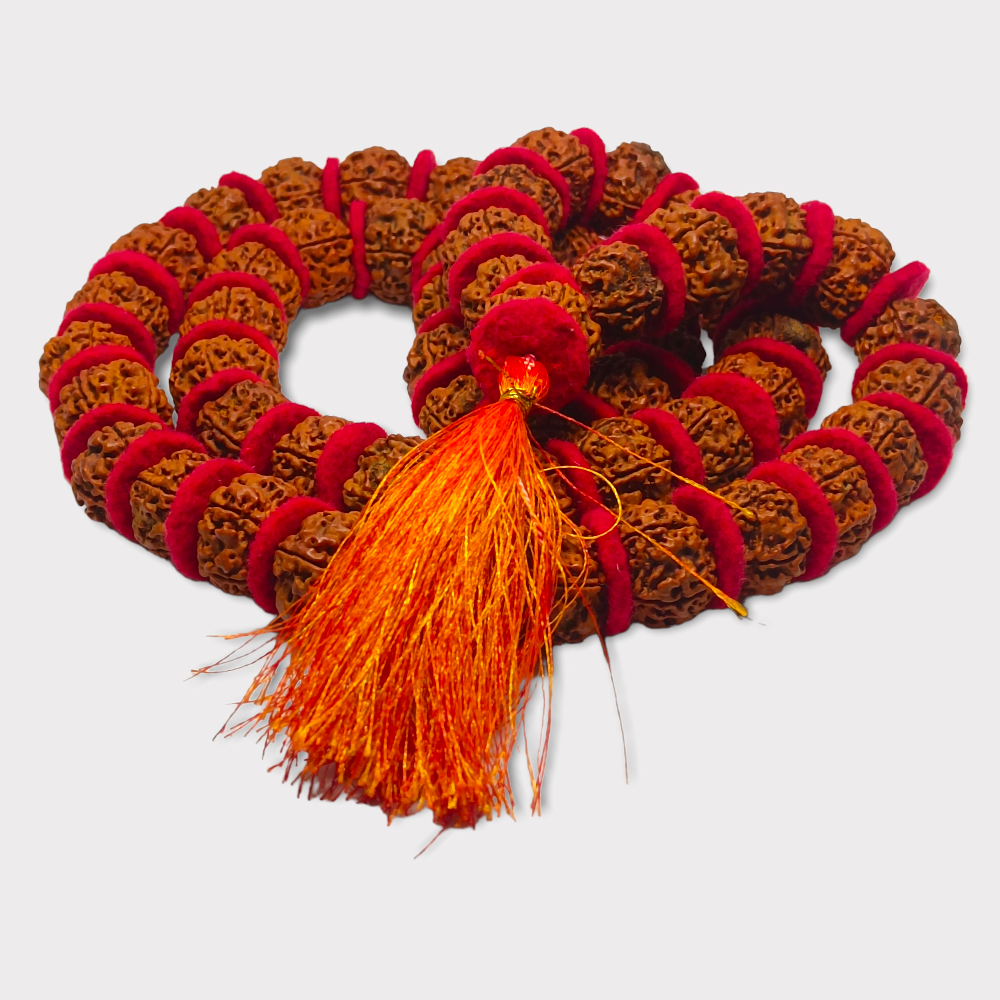
Among all offerings made to the Goddess, the red chunri holds a deeply emotional and cultural place. Offering cloth to a deity has long symbolized care, gratitude, and reverence. In traditional societies, offering cloth was considered an act of deep respect because clothing protects and preserves dignity. When devotees offer a red chunri to the Goddess, they symbolically honor her as the universal mother.
The red chunri also reflects the cultural tradition of honoring women. In many Indian households, offering a chunri to a married woman during festivals symbolizes blessings, respect, and goodwill. When the same act is performed for the Goddess, it becomes an expression of gratitude and surrender.
Navratri — When the World Turns Red 🌺
Navratri is the most vivid example of the connection between red and Devi worship. During these nine nights, temples, homes, and communities immerse themselves in the energy of the divine feminine.
Red clothing, red flowers, red decorations, and red offerings dominate the celebrations. This collective use of red creates a shared emotional environment that reinforces devotion and spiritual focus.
On a psychological level, collective rituals amplify emotional experience. When thousands of devotees gather in red attire and chant together, the shared energy deepens the spiritual experience.
Red and the Symbolism of Marriage & Prosperity 💍
Red has always been the color of marriage in Indian tradition. Brides wear red to symbolize prosperity, fertility, and new beginnings. This cultural symbolism strengthens the connection between the Goddess and red offerings.
The Goddess is often viewed as the divine mother and protector of family life. Offering red items reflects prayers for stability, prosperity, and harmony.
Why Red Flowers Are Offered to the Goddess 🌹
Flowers symbolize beauty and impermanence. Red flowers, especially hibiscus, are strongly associated with Devi worship. Their vibrant color and delicate nature symbolize both strength and compassion.
The offering of flowers represents devotion and gratitude.
The Spiritual Meaning of Offering Colour 🎨
Colour in rituals acts as a bridge between emotion and spirituality. Offering red becomes a way of expressing devotion without words. It communicates energy, surrender, and gratitude.
Modern Perspective — Rituals as Emotional Anchors 🌍
In today’s fast-paced world, rituals help create moments of pause and reflection. Offering kumkum or lighting a lamp may appear simple, but these actions build routine and emotional grounding.
These rituals remind devotees to slow down and reconnect with gratitude and intention.
Scientific View of Ritual Behaviour 🔬
Research shows that rituals help reduce anxiety and improve focus. Repeating meaningful actions creates emotional stability and predictability.
This explains why devotional rituals remain relevant even in modern life.
How to Offer Kumkum & Chunri at Home 🪔
Keep the ritual simple and respectful. Offer fresh kumkum, clean cloth, and flowers. Light a diya and express gratitude. The intention matters more than complexity.
Frequently Asked Questions (FAQs)❓
1. Why is red considered the color of Shakti?
Red represents energy, life force, and creation in spiritual symbolism.
2. Is offering red mandatory?
No. It is a symbolic tradition rather than a strict rule.
3. Why is kumkum used in daily prayer?
It represents devotion and auspiciousness.
4. Can other colors be offered?
Yes, but red remains the most commonly associated color.
5. Why do temples use red decorations?
Red creates emotional engagement and spiritual focus.
📌 Conclusion 🔱
The Language of Devotion
Kumkum, sindoor, and red chunri are not merely ritual items. They are symbols of devotion, energy, and gratitude. The color red represents life, creation, protection, and the powerful feminine energy that sustains the universe.
Offering red to the Goddess is a timeless expression of faith and reverence.
🙏 हर हर महादेव 🙏





Leave a comment