

















Tulja Bhavani Shakti Peeth: Story, Meaning, Significance & Complete Guide ⚔️🌺
Among the many revered forms of the Divine Mother, Tulja Bhavani stands as a powerful symbol of protection, courage, and righteous strength. She is worshipped not as a distant goddess, but as a guardian—one who rises when injustice grows and dharma is threatened.
Tulja Bhavani Devi is often remembered as a warrior form of Shakti, yet her energy is not driven by anger alone. It is driven by responsibility. She represents the Shakti that protects the vulnerable, supports righteous action, and gives courage to those who stand for truth.
In this complete guide, we explore the meaning of Tulja Bhavani, her Shakti Peeth identity, mythological stories, spiritual symbolism, cultural importance, Bhairav connection, and relevance in modern devotional life. This blog is written responsibly using belief-based language, avoiding exaggerated or miracle-style claims, and is suitable for beginners as well as advanced seekers.
What is Tulja Bhavani Shakti Peeth? (Simple Meaning) ⚔️
Tulja Bhavani Shakti Peeth is a sacred center of Devi worship where the Divine Mother is honored as Bhavani—the giver of life, strength, and protection. The name “Bhavani” comes from Bhava, meaning existence or life. Tulja Bhavani thus represents the Shakti that sustains life by defending righteousness.
For beginners, Tulja Bhavani can be understood as the Mother who empowers devotees with courage. She does not remove challenges magically. Instead, she gives strength to face them with clarity and discipline.
This makes her worship deeply empowering. Devotees do not approach Tulja Bhavani seeking escape from life, but seeking the power to live responsibly.
Why Tulja Bhavani is Revered as a Shakti Peeth 🕉️
The Shakti Peeth tradition originates from the sacred story of Sati and Shiva. After Daksha Yagna and Sati’s sacrifice, Shiva carried Sati’s body across the universe in grief. To restore cosmic balance, Vishnu intervened, and sacred locations emerged where parts of Sati’s body or ornaments were believed to have fallen.
These locations became known as Shakti Peeths, powerful centers of Devi worship. Tulja Bhavani is widely revered within this sacred framework, especially in regional and devotional traditions that emphasize Devi as a protector of dharma.
Responsibly speaking, Shakti Peeth lists vary across texts and regions. However, Tulja Bhavani’s identity as a powerful Shakti presence is firmly rooted in living devotion and cultural history.
The Mythological Story of Tulja Bhavani Devi 📖
The mythology of Tulja Bhavani Devi centers around her role as a protector of righteousness. In belief-based tradition, when oppressive forces threatened peace and justice, the Divine Mother manifested as Tulja Bhavani to restore balance.
Her stories often highlight decisive action guided by compassion. She does not act impulsively. She acts when injustice becomes unbearable. This reflects her spiritual identity as disciplined Shakti rather than uncontrolled force.
These stories remind devotees that true power is not about dominance—it is about responsibility. Tulja Bhavani’s mythology reinforces this lesson repeatedly.
Spiritual Meaning of Tulja Bhavani: Shakti of Protection & Courage 🌼
Spiritually, Tulja Bhavani represents protective strength, courage, and moral clarity. She symbolizes the Shakti that stands between chaos and order, ensuring that righteousness is not overwhelmed by injustice.
Her worship is often associated with inner courage. Devotees feel supported when they must take difficult decisions, stand firm against pressure, or face fear responsibly.
In belief-based devotion, Tulja Bhavani does not promise an easy path. She promises strength for the right path.
Spiritual Significance of Tulja Bhavani Shakti Peeth 🛕
Tulja Bhavani Shakti Peeth is spiritually significant because it represents Devi as a guardian of dharma. She is not only worshipped as a cosmic force, but as an ethical presence—one that supports justice, discipline, and responsibility.
Many devotees feel drawn to Tulja Bhavani during times when they must choose between comfort and righteousness. Her symbolism strengthens the resolve to act correctly, even when it is difficult.
This makes Tulja Bhavani worship deeply meaningful for those who value integrity and courage.
Tulja Bhavani as the Divine Mother: Fierce Yet Nurturing 🍃
Though Tulja Bhavani appears fierce, her fierceness is rooted in compassion. She protects because she cares. She confronts injustice because she values life.
This dual nature makes her worship emotionally powerful. Devotees feel both protected and guided. The Mother does not simply fight for them—she teaches them how to stand strong themselves.
In this sense, Tulja Bhavani is both warrior and teacher.
History & Cultural Importance of Tulja Bhavani 💫
Tulja Bhavani holds immense cultural importance, especially in regional Devi traditions where she is honored as a guardian deity. Her worship has been preserved through centuries of devotion, rituals, and storytelling.
Historically, Tulja Bhavani has been associated with the values of courage, leadership, and protection. This cultural memory continues to influence how devotees connect with her today.
She remains a living symbol of Shakti that protects society by strengthening individuals.
Bhairav Connection in Tulja Bhavani Worship 🖤
In Shakta traditions, Bhairav often appears as the guardian energy accompanying Devi. Bhairav represents discipline, boundaries, and spiritual seriousness.
In Tulja Bhavani worship, Bhairav symbolism reinforces the idea that courage must be guided by discipline. Strength without control can become destructive. Bhairav ensures balance.
Deeper Symbolism of Tulja Bhavani: Warrior Shakti with Moral Discipline ⚔️
Tulja Bhavani is often described as a warrior goddess, but her deeper symbolism goes far beyond weapons or battle imagery. She represents disciplined strength—the kind of power that is guided by ethics and responsibility. In Shakta philosophy, power without wisdom becomes destructive, while power guided by dharma becomes protective.
This is why Tulja Bhavani’s energy feels firm but not chaotic. She does not act out of rage. She acts out of necessity. Her symbolism teaches devotees that courage must always be aligned with righteousness.
In belief-based devotion, Tulja Bhavani becomes the inner force that helps a person stand up for what is right without losing balance.
What Tulja Bhavani Represents Spiritually (Belief-Based Meaning) 🔱
Spiritually, Tulja Bhavani represents protection, courage, responsibility, and moral clarity. She is worshipped as the Shakti that empowers the devotee to face injustice without becoming unjust themselves.
Devotees who feel drawn to Tulja Bhavani are often those who value integrity. They may be facing situations where strength is required—not aggression, but firmness. Tulja Bhavani’s symbolism supports that inner firmness.
In belief-based understanding, her blessings are often experienced as confidence, clarity, and the ability to take correct action even under pressure.
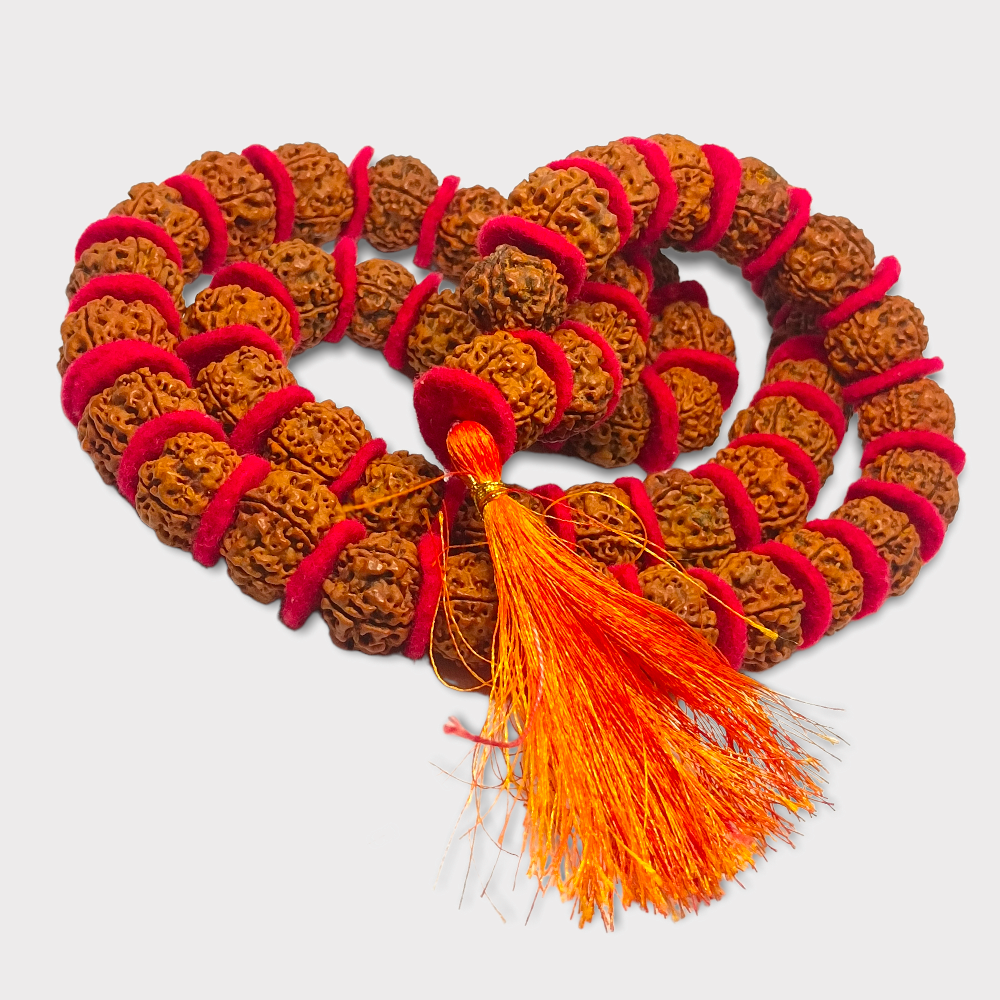
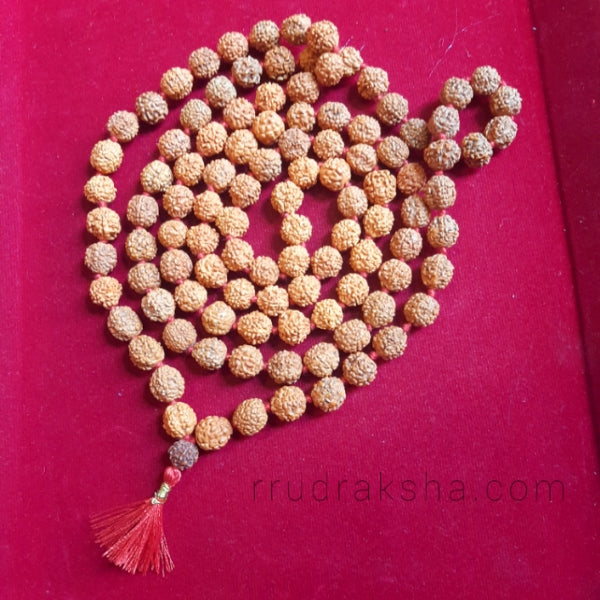
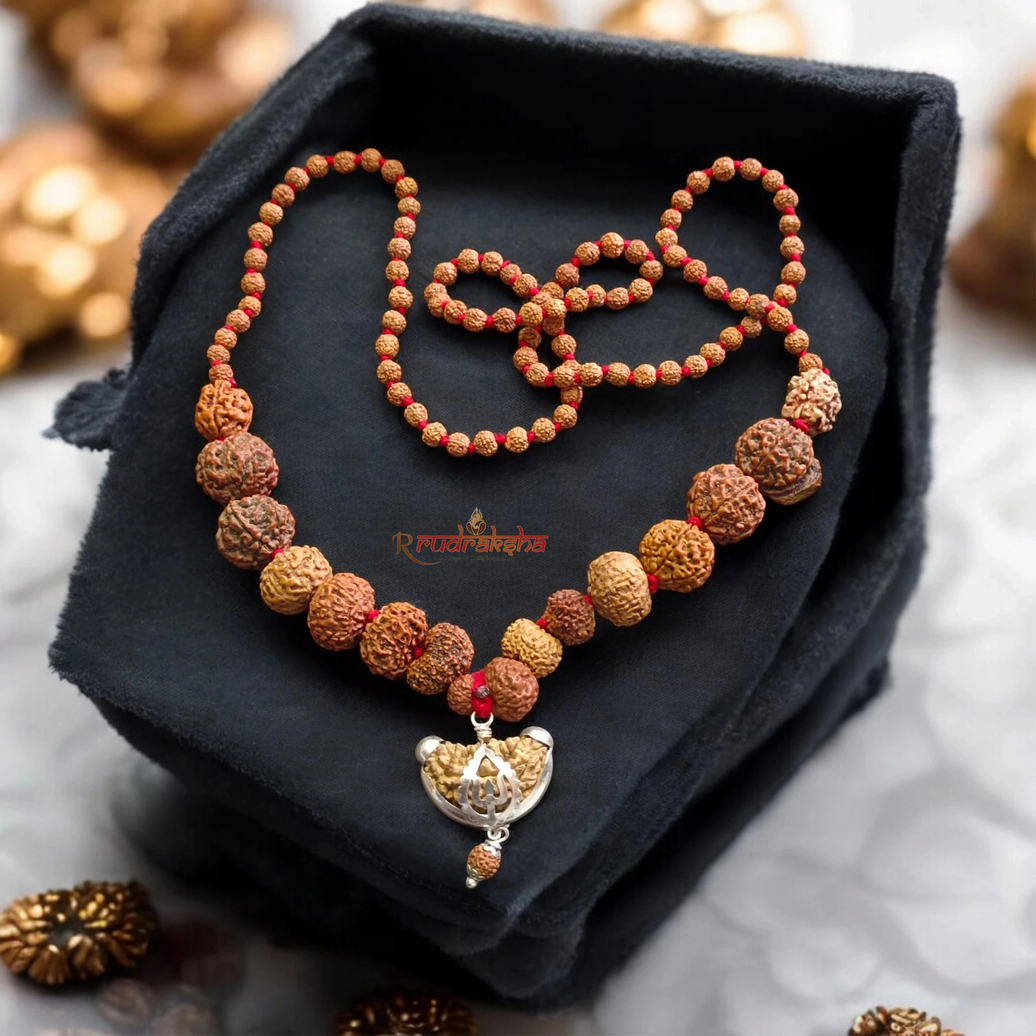
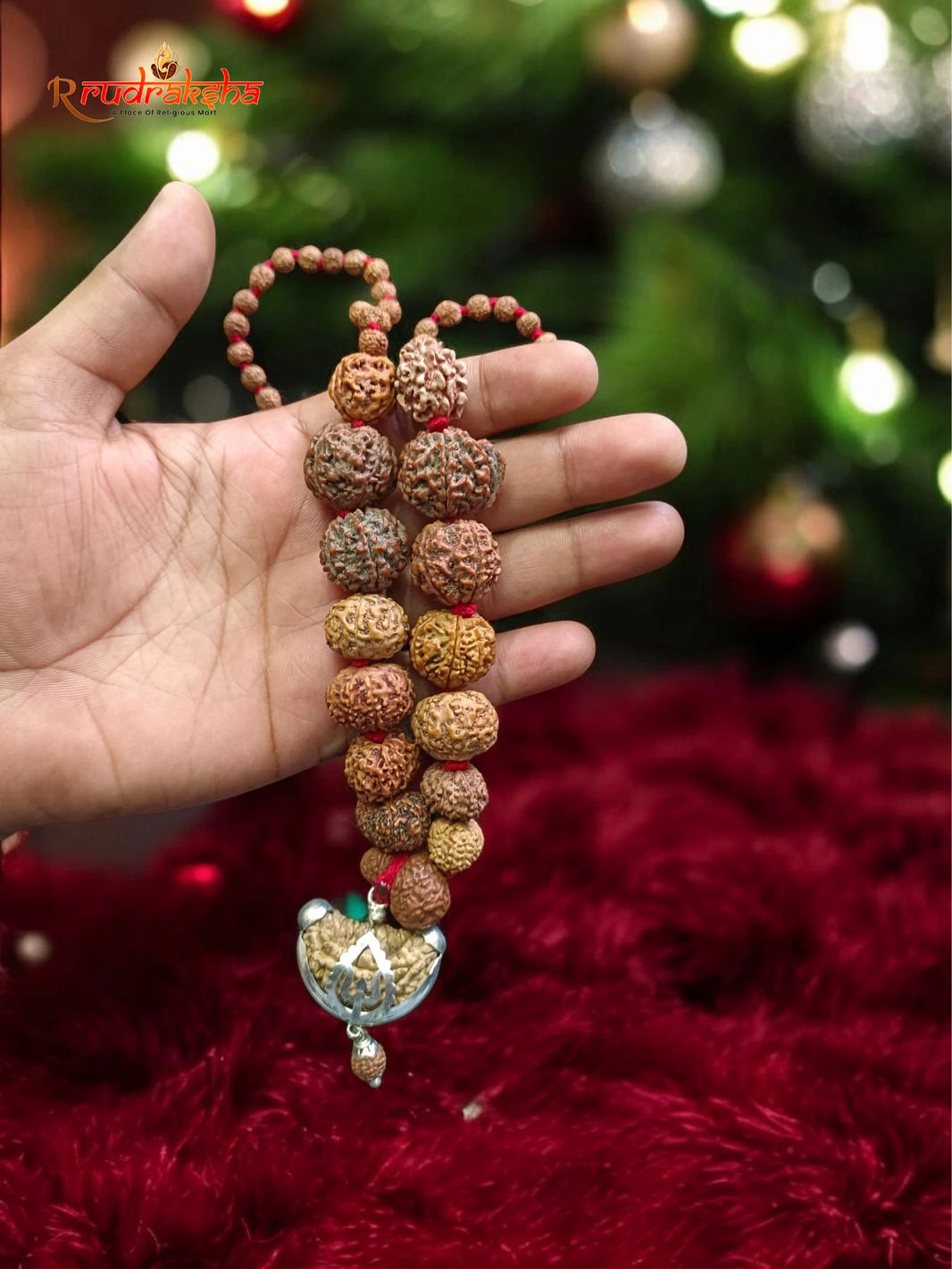
For those who need courage, firmness, and calm control without aggression, the 11 Mukhi Rudraksha is often worn to strengthen confidence and disciplined inner power.
Tulja Bhavani and the Spiritual Lesson of Righteous Action 🕉️
One of the most important lessons in Tulja Bhavani worship is the importance of righteous action. Dharma is not passive. It requires action when values are threatened.
Tulja Bhavani symbolizes the Shakti that awakens when patience alone is no longer enough. Her presence reminds devotees that spiritual life is not about avoiding conflict at all costs—it is about choosing the right response.
This teaching is especially relevant in modern life, where ethical challenges are often subtle but powerful.
Tulja Bhavani in Modern Life: Why Her Energy Still Matters 🧠
Modern society presents many moral challenges. People face pressure to compromise values for convenience, success, or approval. In such situations, courage is not loud—it is quiet resistance.
Tulja Bhavani worship becomes meaningful here because her symbolism encourages strength with restraint. In belief-based devotion, people connect with her to regain confidence and moral grounding.
She reminds devotees that doing the right thing may not always be easy, but it is always empowering.
Scientific & Psychological Perspective: Why Courage-Based Devotion Builds Strength 🌺
From a psychological perspective, courage and self-belief are essential for mental resilience. Symbolic practices that reinforce protection and ethical strength help individuals face stress and decision-making pressure.
Devotional focus on protector archetypes like Tulja Bhavani supports emotional stability. It gives the mind a strong reference point—an inner image of confidence and clarity.
Without exaggerated claims, it is reasonable to understand that such symbolism supports psychological strength and self-trust over time.
Frequently Asked Questions (FAQs) ❓
1) Why is Tulja Bhavani Shakti Peeth famous?
Tulja Bhavani Shakti Peeth is famous for representing Devi as a protector of dharma, courage, and righteous action.
2) Is Tulja Bhavani a Shakti Peeth?
Tulja Bhavani is widely revered as a Shakti Peeth in devotional and regional Shakta traditions.
3) What does Tulja Bhavani mean?
Tulja Bhavani means the Divine Mother who sustains life by protecting righteousness and moral order.
4) What is Tulja Bhavani Devi known for?
She is known for courage, protection, disciplined strength, and upholding dharma.
5) Is Tulja Bhavani a fierce goddess?
She appears fierce, but her fierceness is guided by compassion and responsibility.
6) What do devotees seek from Tulja Bhavani?
Devotees seek courage, protection, clarity, and strength to act righteously (belief-based).
7) Is Tulja Bhavani worship suitable for beginners?
Yes. Beginners can approach her with simple prayers and sincere devotion.
8) Does Tulja Bhavani worship give instant results?
No. Worship supports gradual inner strength rather than instant external change.
9) What is the Bhairav connection in Tulja Bhavani worship?
Bhairav represents discipline and ensures Shakti remains guided and balanced.
10) Why is courage important in spiritual life?
Courage allows a person to live truthfully and act responsibly without fear.
11) How is Tulja Bhavani different from Mahakali?
Mahakali dissolves illusion completely, while Tulja Bhavani protects dharma within the world.
12) Can Tulja Bhavani be worshipped at home?
Yes. Home worship through prayer and devotion is acceptable.
13) Why do people feel protected by Tulja Bhavani?
Because her symbolism represents active guardianship and moral strength.
14) What is the spiritual lesson of Tulja Bhavani worship?
The lesson is that power must serve righteousness and not personal ego.
15) Why is Tulja Bhavani worship still relevant today?
Because modern life demands ethical courage and inner strength.
⏳ Conclusion ✅
Tulja Bhavani is the Shakti of Courage, Protection & Righteous Strength
Tulja Bhavani Shakti Peeth represents the Divine Mother as a fearless protector of dharma. Rooted in Shakta tradition and preserved through centuries of devotion, Tulja Bhavani symbolizes strength guided by ethics, courage balanced with compassion, and power anchored in responsibility.
Her worship reminds devotees that true spiritual strength is not about domination—it is about standing firm for what is right. In a world full of moral challenges, Tulja Bhavani remains a timeless guide, inspiring courage, clarity, and righteous action.
🙏 हर हर महादेव 🙏





Leave a comment