











Rudraksha for Stress & Anxiety – Complete Spiritual, Psychological & Lifestyle Guide 🧘
Modern life moves at an unprecedented pace. Constant notifications, demanding careers, financial responsibilities, and social expectations have created a world where mental pressure has become part of everyday life. Many individuals feel overwhelmed, restless, or mentally exhausted even when life appears stable on the surface. In response, people increasingly seek tools that help them slow down, reconnect with themselves, and cultivate emotional balance.
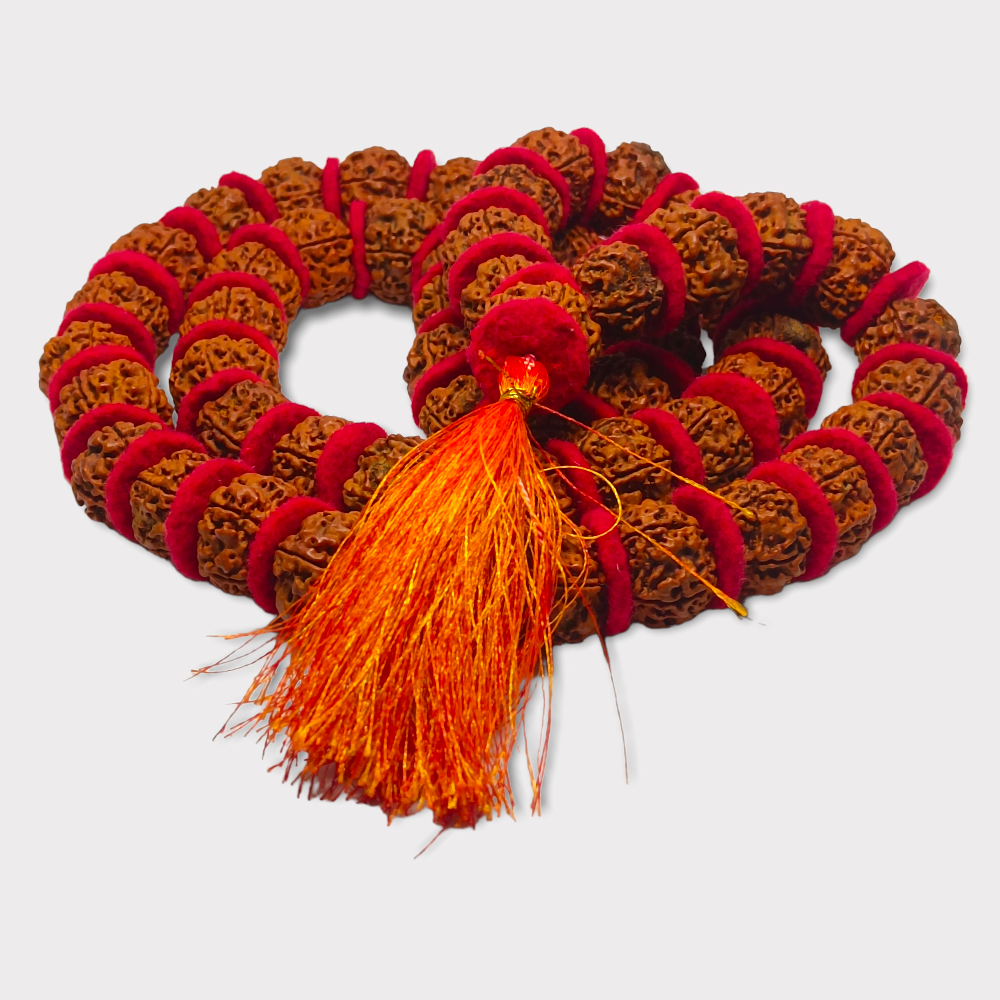
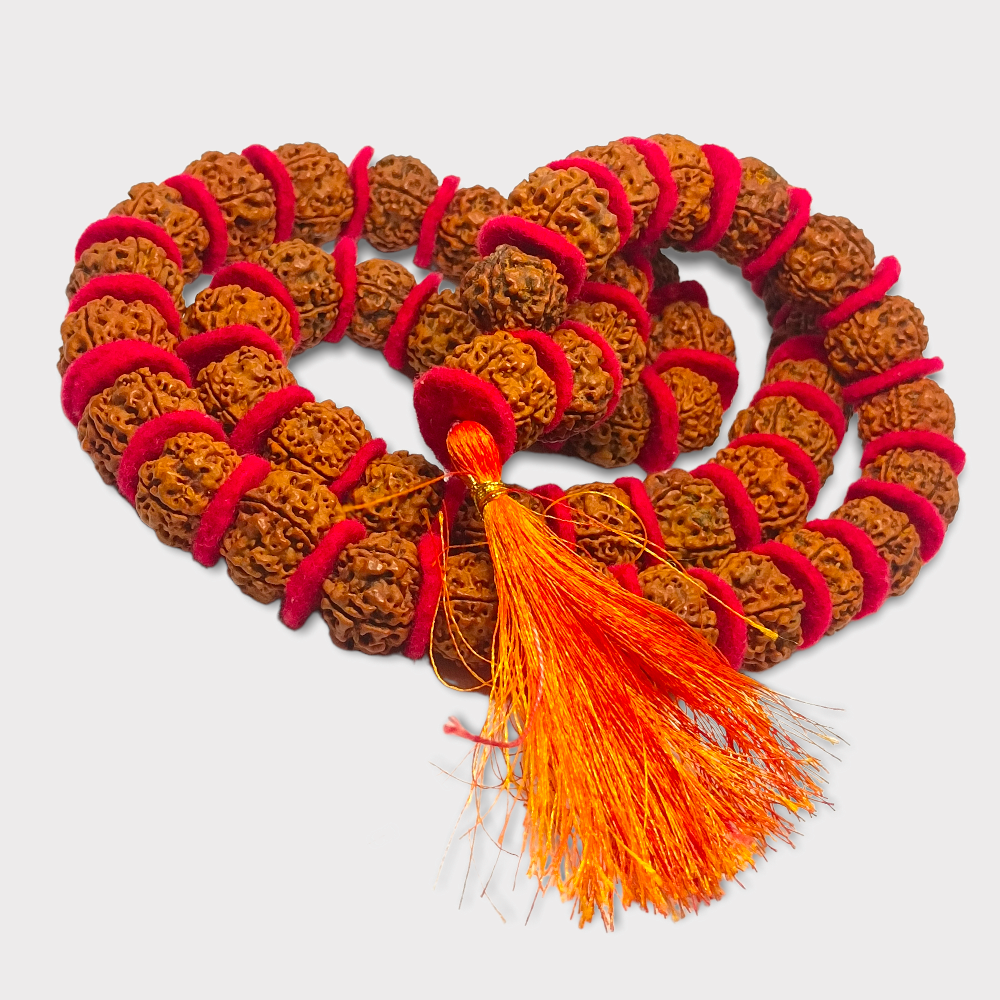
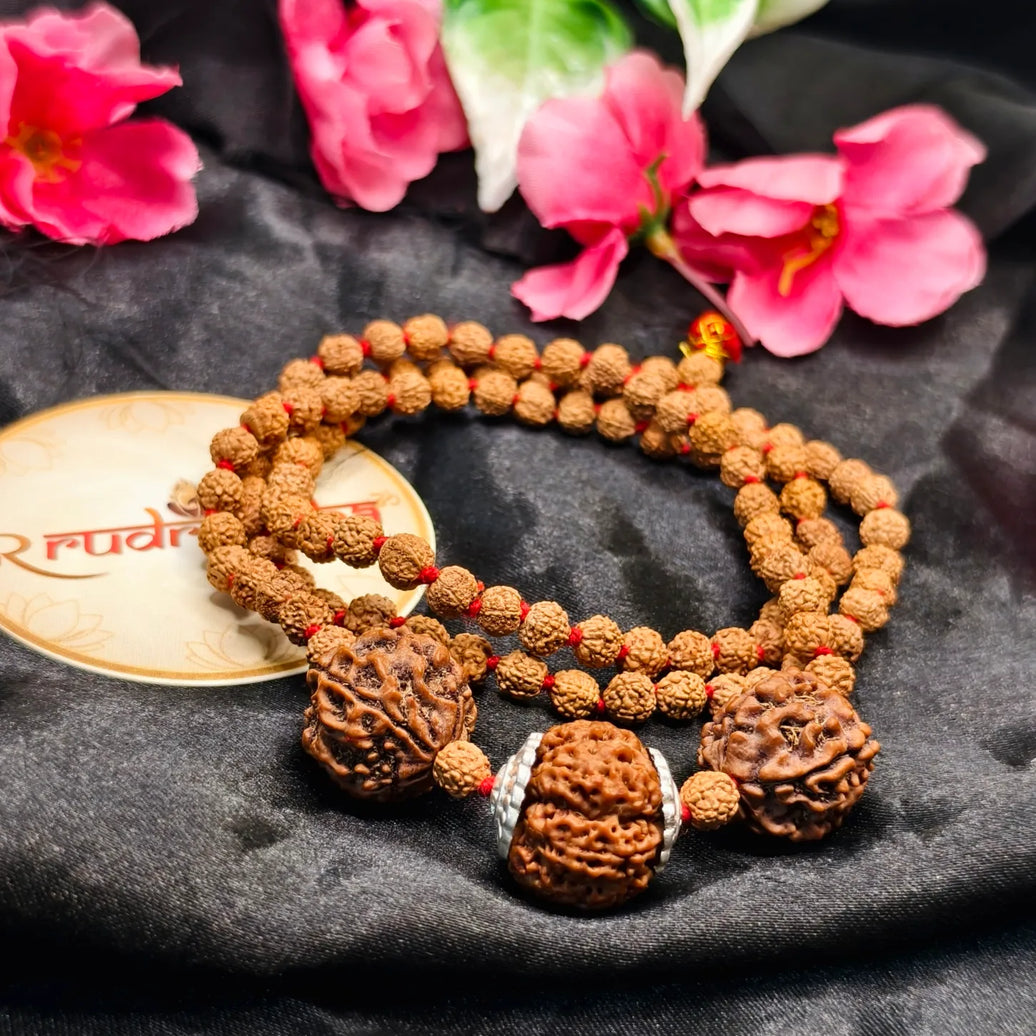
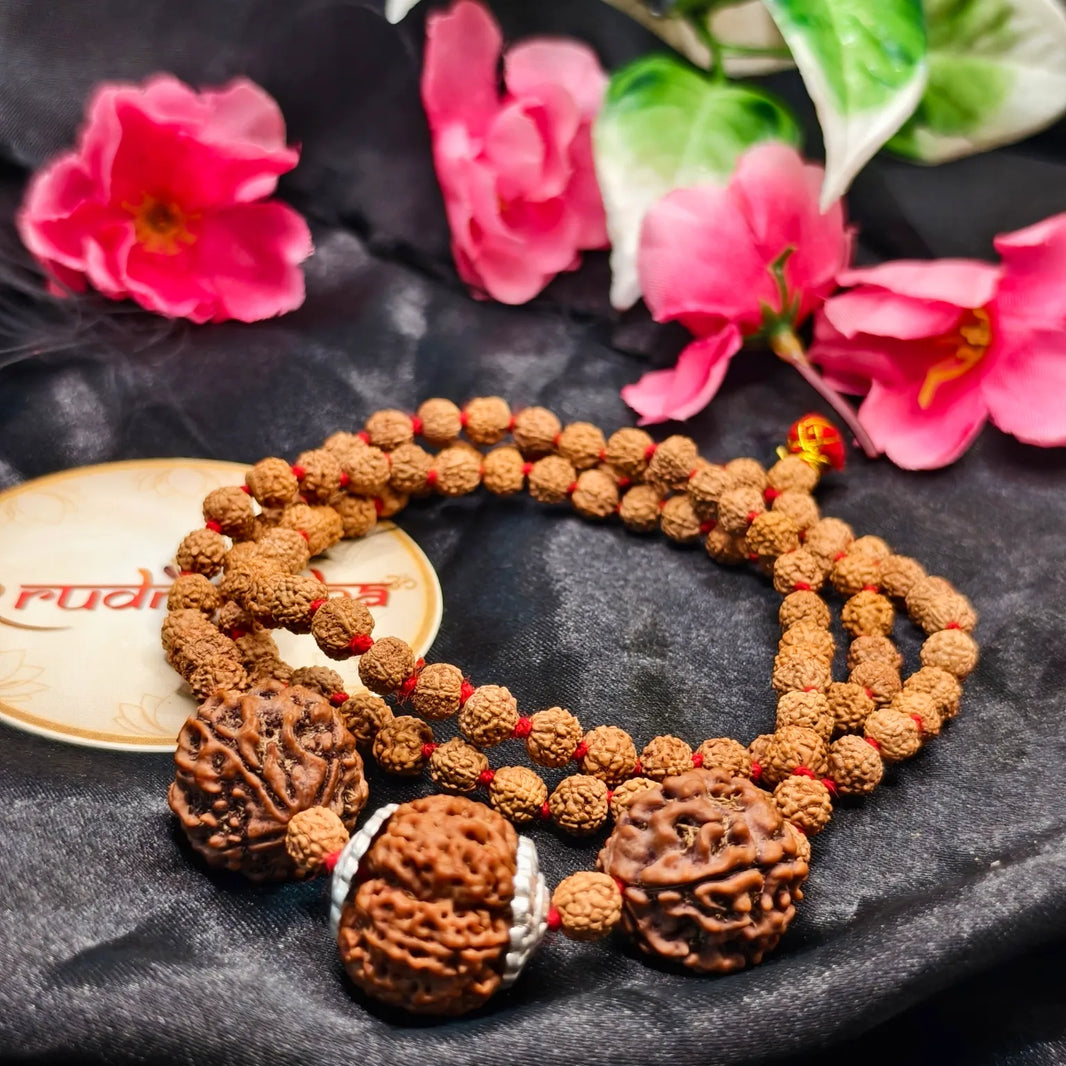
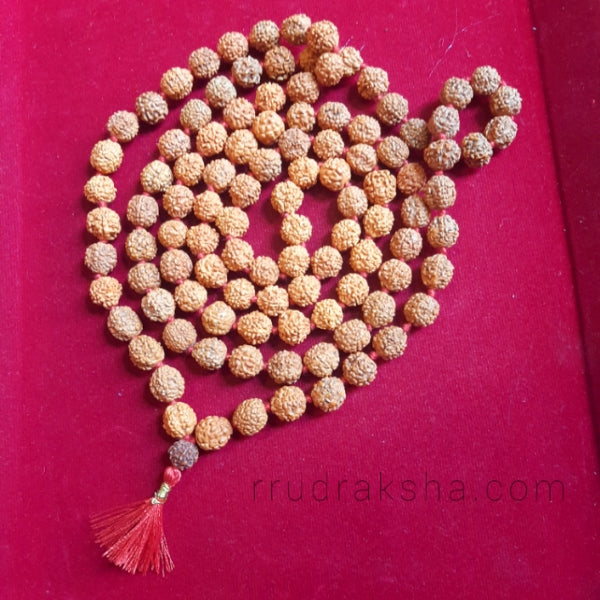
In Sanatan Dharma, spiritual practices have long been used to support emotional stability and inner peace. Among these practices, Rudraksha beads hold a special place. For centuries, seekers, yogis, and householders have worn Rudraksha as part of their daily spiritual discipline. These sacred beads are traditionally associated with calmness, mindfulness, and self-awareness — qualities that play a vital role in managing stress and anxiety.
This guide explores the spiritual, psychological, and lifestyle aspects of Rudraksha for stress and anxiety. Rather than making medical claims, the focus is on belief-based traditions, emotional well-being, and the role of mindfulness practices in cultivating mental balance.
🌍 Why Stress & Anxiety Are Rising in Modern Life
Human life has always included challenges, but the nature of modern stress is unique. Unlike physical threats faced by ancient humans, today’s stress is often mental and emotional. Deadlines, social comparison, financial pressure, and constant digital stimulation create a continuous state of alertness in the mind.
When the mind rarely experiences rest, emotional fatigue gradually develops. Over time, individuals may feel overwhelmed, restless, or disconnected. Spiritual traditions have long recognized the importance of calming the mind and cultivating inner stillness.
Ancient practices such as meditation, mantra chanting, breath awareness, and prayer were designed to help individuals return to a balanced mental state. Rudraksha beads are deeply connected with these practices.
🧠 Understanding Stress from a Spiritual Perspective
In spiritual philosophy, stress is often described as the result of excessive mental activity and attachment to outcomes. When the mind constantly worries about the past or future, it loses its connection with the present moment. This continuous mental activity creates tension and emotional fatigue.
Spiritual teachings emphasize the importance of grounding the mind through awareness and discipline. Practices such as meditation, mantra chanting, and mindful breathing help individuals return to the present moment.
Rudraksha beads have traditionally been used as tools that support these practices by acting as reminders of mindfulness and self-awareness.
🕉️ The Historical Connection Between Rudraksha & Emotional Balance
Rudraksha beads have been mentioned in ancient scriptures and spiritual traditions for thousands of years. Yogis and spiritual practitioners often used them during meditation and mantra chanting. The repetitive movement of beads during prayer was believed to help focus the mind and reduce mental distractions.
Over generations, Rudraksha became associated with calmness, discipline, and spiritual grounding. While the challenges of modern life differ from ancient times, the need for emotional balance remains the same.
🧘 Spiritual Psychology of Mindfulness Tools
Modern psychology recognizes the benefits of mindfulness practices such as meditation and deep breathing. Spiritual traditions have long incorporated similar practices using tools like mala beads.
The act of touching beads during chanting or reflection creates a rhythmic and repetitive activity that helps anchor attention. This gentle repetition can encourage relaxation and focus.
🌿 Why People Wear Rudraksha for Emotional Balance
Many individuals wear Rudraksha as a symbol of their intention to live mindfully. The presence of the bead serves as a reminder to pause, breathe, and remain calm during stressful moments.
🌿 How Daily Rituals Influence Mental Calmness
One of the most powerful ideas found in ancient spiritual traditions is the importance of daily rituals. A ritual is not merely a religious act; it is a structured pause in the flow of daily life. When life becomes fast and unpredictable, the mind begins to crave stability and rhythm. Rituals provide that rhythm.
From a psychological perspective, daily rituals create predictability. Predictability reduces mental load because the brain does not need to constantly make new decisions. Even simple acts like morning prayer, meditation, or silent reflection create a sense of stability. Over time, this stability reduces emotional turbulence and promotes mental clarity.
Rudraksha beads have traditionally been part of such rituals. When used during prayer or meditation, they become a symbolic anchor that reminds individuals to pause, breathe, and return to the present moment.
🧠 The Mind–Body Connection in Spiritual Traditions
Ancient yogic philosophy describes the mind and body as deeply interconnected. When the mind becomes restless, the body often responds with tension. Similarly, when the body relaxes, the mind gradually follows.
Spiritual practices such as meditation, chanting, and breath awareness aim to calm the nervous system by creating a state of relaxation. The rhythmic movement of Rudraksha beads during chanting is believed to support this process by encouraging steady breathing and focused attention.
While spiritual traditions describe this experience in philosophical language, modern psychology also recognizes the importance of repetitive calming activities in promoting relaxation and mental clarity.
📿 Why Repetition Calms the Mind
Repetition plays a powerful role in calming the human mind. Activities such as walking, knitting, chanting, or counting beads create rhythmic movement. This rhythm signals the brain that it is safe to relax.
In spiritual traditions, mantra chanting combined with mala beads creates a gentle cycle of repetition and focus. Over time, this practice encourages the mind to slow down and become less reactive.
🌙 Night-Time Stress & Mental Overthinking
Many individuals experience stress most intensely at night. When the day’s distractions fade, the mind often begins to replay conversations, worries, and unfinished tasks. This cycle of overthinking can make it difficult to relax.
Spiritual traditions encourage evening routines that promote calmness, such as reflection, gratitude, or silent prayer. These practices help signal to the mind that the day is ending and rest is approaching.
🌞 Morning Mindset & Emotional Stability
The first moments of the day often shape the tone of the entire day. A rushed morning can create stress that continues for hours. In contrast, a calm morning routine can create a sense of control and clarity.
Spiritual practices emphasize starting the day with stillness, gratitude, or meditation. These habits help individuals approach daily challenges with a balanced mindset.
💭 Understanding Overthinking & Mental Noise
Overthinking is a common source of anxiety. The mind continuously analyzes past events or imagines future scenarios. While planning is useful, excessive mental activity can create emotional fatigue.
Mindfulness practices encourage observing thoughts without becoming overwhelmed by them. Over time, this practice helps individuals develop emotional resilience.
🌍 Creating a Personal Calm Space
Many spiritual traditions encourage creating a dedicated space for reflection or meditation. This space does not need to be large or elaborate. Even a small quiet corner can become a powerful reminder to pause and breathe.
Returning to the same space daily strengthens the habit of mindfulness and emotional balance.
🧘 The Role of Breath Awareness in Reducing Mental Pressure
Breathing is one of the most powerful yet overlooked tools for calming the mind. In spiritual traditions, breath awareness is considered a bridge between the body and the mind. When emotions become intense, breathing often becomes shallow and rapid. By consciously slowing the breath, individuals can signal the nervous system to relax.
Practices such as deep breathing and mantra chanting often go hand in hand. When beads are used during chanting, they help maintain rhythm and consistency, which encourages steady breathing and focused attention.
🌊 Emotional Waves & Accepting Feelings
Emotions naturally rise and fall like waves. Stress and anxiety often intensify when individuals resist or suppress their feelings. Spiritual teachings encourage observing emotions with compassion rather than judgment.
This approach helps individuals build emotional resilience and reduces the fear associated with stressful experiences.
🌿 Slowing Down in a Fast-Paced World
Modern life often rewards speed and productivity, leaving little time for rest or reflection. Constant activity can create mental fatigue and emotional exhaustion. Spiritual traditions emphasize the importance of balance and rest.
Simple habits such as mindful breathing, meditation, and silent reflection help individuals reconnect with themselves and restore emotional balance.
📖 The Importance of Digital Detox
Technology provides convenience but also creates constant stimulation. Notifications, social media, and endless information can overwhelm the mind. Taking regular breaks from digital devices allows the brain to reset and recover.
Spiritual practices often encourage moments of silence and disconnection from external distractions.
🌙 Rest, Sleep & Mental Recovery
Sleep plays a crucial role in emotional well-being. When sleep is disrupted, stress levels often increase. Spiritual traditions emphasize evening routines that promote relaxation and gratitude before sleep.
Calming habits before bedtime help signal the mind that it is time to rest.
💡 Developing Long-Term Emotional Resilience
Resilience is the ability to recover from challenges and adapt to change. Spiritual teachings emphasize patience, acceptance, and mindfulness as tools for building resilience.
Over time, consistent spiritual practices help individuals respond to challenges with calmness and clarity.
🌟 Creating a Sustainable Lifestyle for Mental Balance
Emotional well-being is not achieved through a single practice but through consistent habits and self-awareness. Small daily changes can create lasting improvements in mental clarity and emotional stability.
🌿 Building a Mindful Daily Routine
A consistent daily routine is one of the most effective ways to create mental stability. When life becomes unpredictable, routines provide structure and comfort. Spiritual traditions emphasize that small, repeated habits gradually shape emotional well-being.
A mindful routine does not need to be complex. Simple practices such as morning silence, mindful breathing, journaling, or gratitude reflection can create a powerful foundation for emotional balance. Over time, these practices reduce mental clutter and improve clarity.
🧠 The Power of Intentional Living
Intentional living means making conscious choices rather than reacting automatically to circumstances. Stress often arises when individuals feel out of control. By setting intentions for the day, individuals regain a sense of direction and purpose.
Intentions act as gentle reminders of personal values and goals. This awareness helps individuals respond to challenges more calmly and thoughtfully.
🌞 The Role of Gratitude in Emotional Well-Being
Gratitude practices are deeply rooted in spiritual traditions. Focusing on positive aspects of life helps shift attention away from constant worries. Gratitude does not eliminate challenges, but it changes the way individuals perceive them.
Regular gratitude reflection encourages optimism and emotional balance.
💭 Journaling for Mental Clarity
Writing thoughts and emotions on paper helps release mental tension. Journaling allows individuals to process experiences and identify patterns in their thinking.
This practice supports self-awareness and emotional growth.
🌙 Creating Evening Rituals for Calmness
Evening routines signal the mind that the day is ending. Spiritual traditions often recommend quiet reflection, gratitude, or prayer before sleep. These habits help release the stress of the day and prepare the mind for rest.
🌍 Connecting with Nature for Emotional Balance
Spending time in nature can have a calming effect on the mind. Natural environments encourage relaxation and reflection. Even short walks outdoors can help reduce mental fatigue and restore clarity.
🌟 Long-Term Emotional Wellness Through Consistency
Emotional well-being develops gradually through consistent habits and self-awareness. Small daily actions can create meaningful change over time.
Frequently Asked Questions (FAQs) ❓
1. Which Rudraksha is best for stress and anxiety?
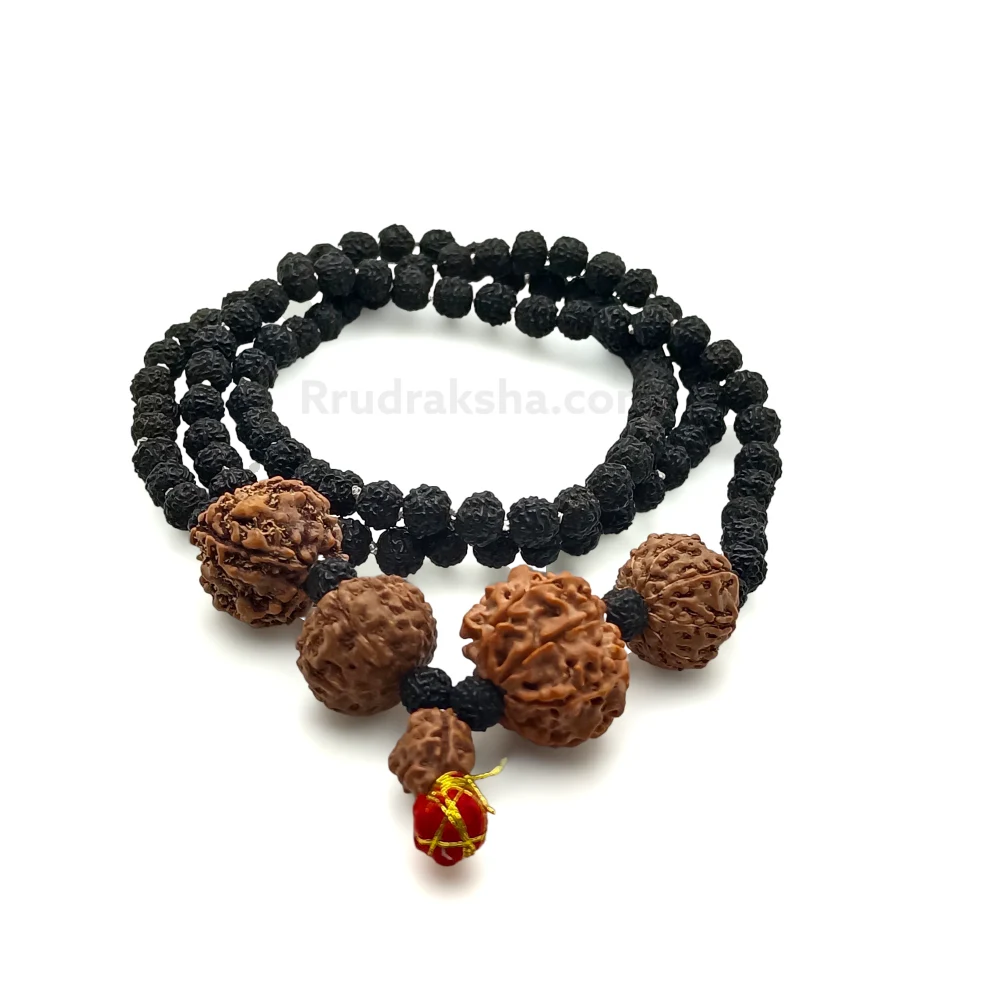
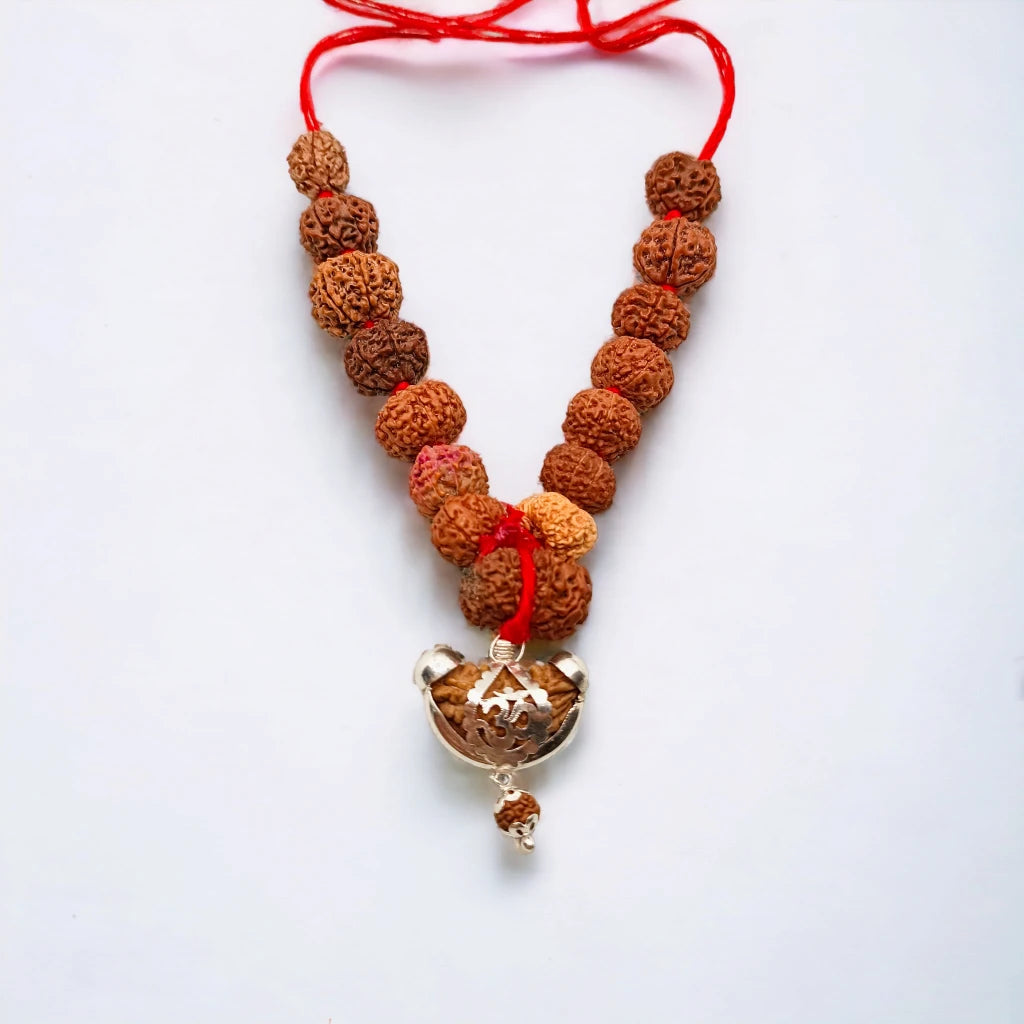
In spiritual traditions, 5 Mukhi, 6 Mukhi, and 10 Mukhi Rudraksha are commonly associated with calmness, emotional balance, and mindfulness practices.
2. Can Rudraksha help reduce stress?
Rudraksha is considered a spiritual support tool that encourages mindfulness, meditation, and emotional awareness, which may support relaxation and mental balance.
3. How should Rudraksha be used for meditation?
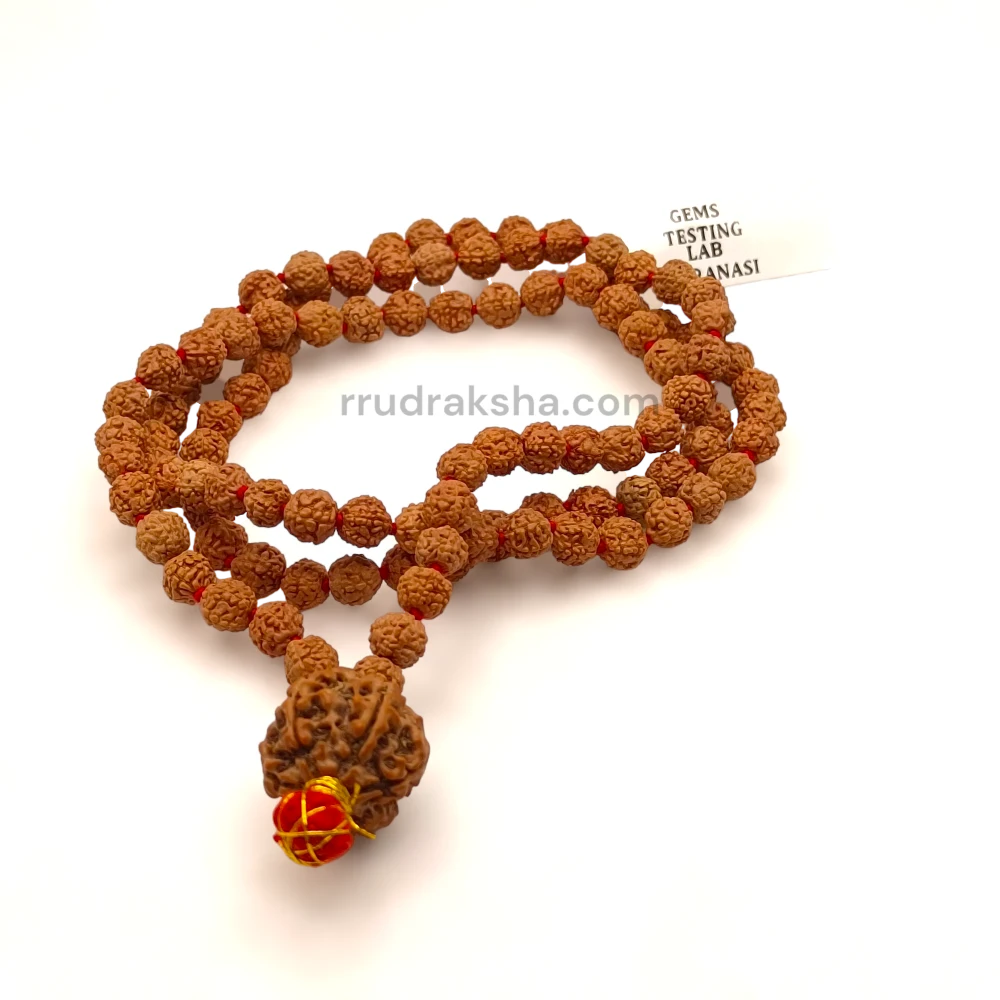
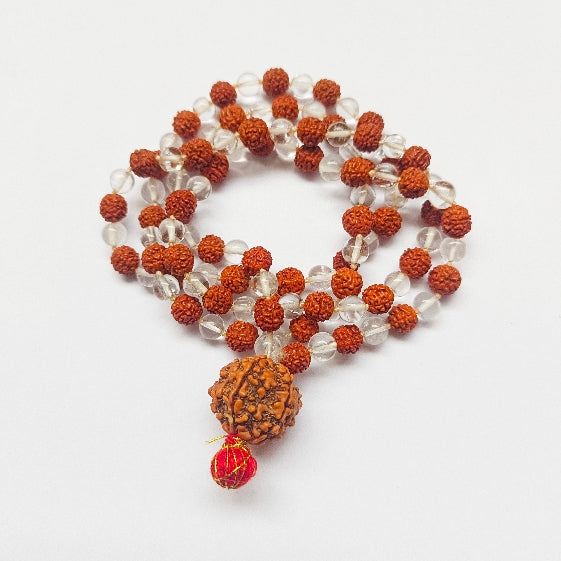
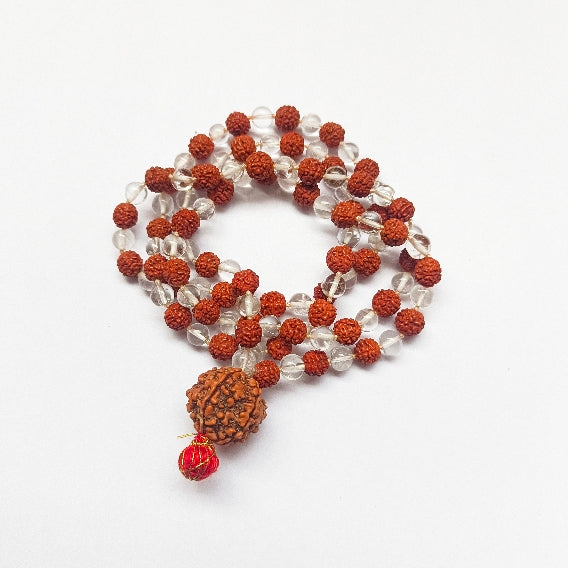
Many individuals use Rudraksha mala during mantra chanting or silent meditation to maintain focus and rhythm.
4. Can Rudraksha be worn daily?
Yes, many individuals wear Rudraksha daily as part of their spiritual routine.
5. How long does it take to notice changes?
Spiritual traditions emphasize consistency and patience. Experiences vary from person to person.
6. Can beginners wear Rudraksha?
Yes, beginners often start with commonly worn Rudraksha beads as part of mindfulness practices.
7. Can Rudraksha be worn during sleep?
Some individuals choose to wear Rudraksha continuously, while others remove it before sleep based on personal preference.
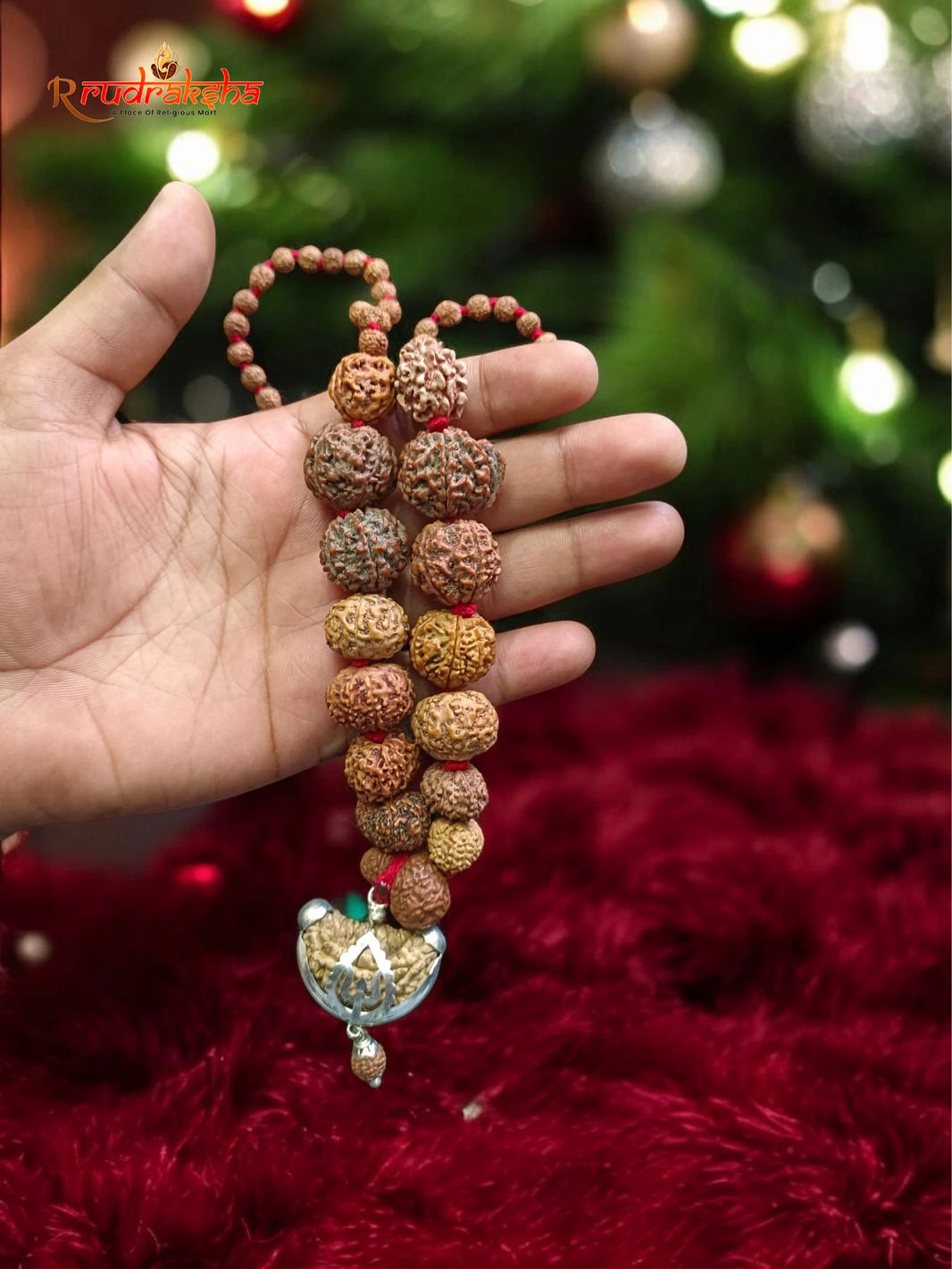
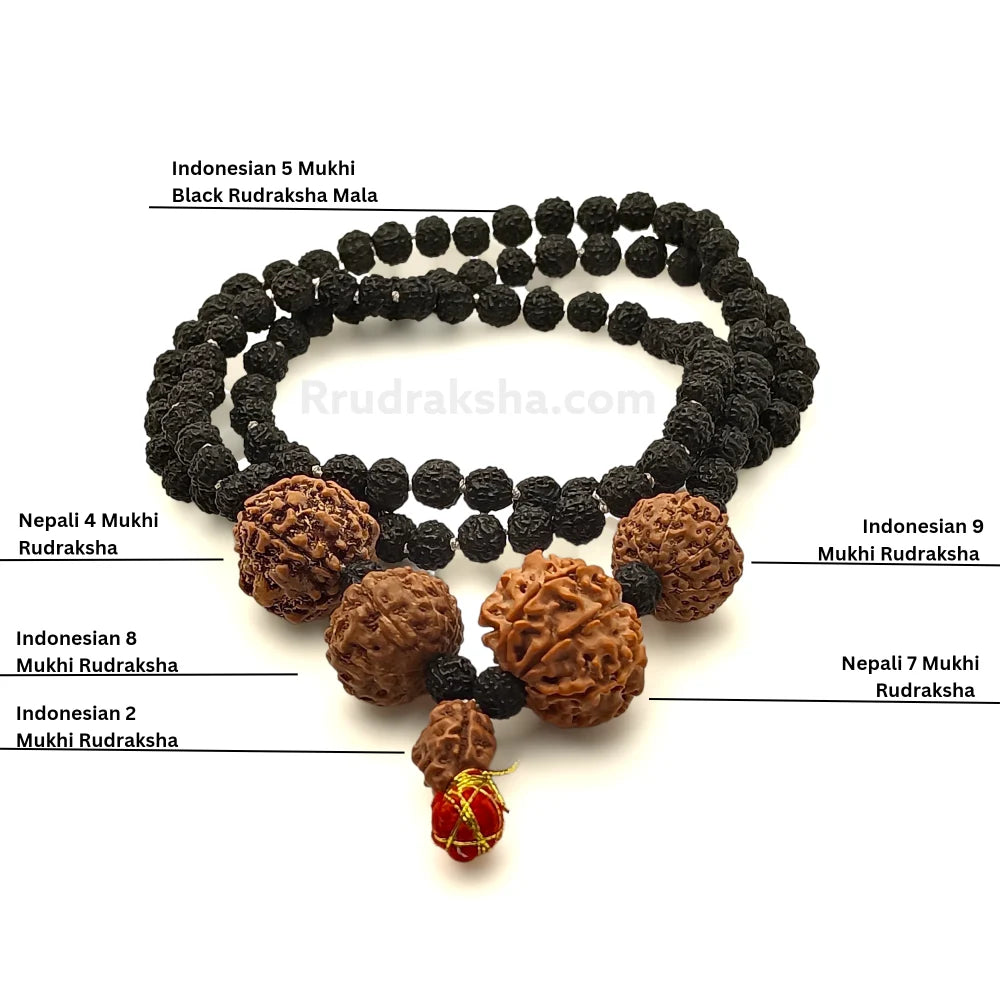
8. Can multiple Rudraksha beads be worn together?
Yes, combinations are often used in spiritual traditions.
9. Is meditation necessary when wearing Rudraksha?
Meditation is encouraged but not mandatory. Rudraksha can be part of a broader mindfulness routine.
10. Can Rudraksha help with overthinking?
Spiritual traditions associate Rudraksha with mindfulness practices that encourage awareness and emotional balance.
📌 Conclusion ⚖️
Creating a Life of Calmness & Balance
Stress and anxiety are common challenges in modern life. Spiritual traditions emphasize mindfulness, discipline, and emotional awareness as tools for cultivating balance and inner peace. Rudraksha is viewed as a supportive symbol of these practices.
By combining daily routines, mindfulness practices, and intentional living, individuals can create a sustainable path toward emotional well-being and mental clarity.
🙏 हर हर महादेव 🙏





Leave a comment