


Meaning of Damru – Symbolism, History, Spiritual Significance & Cosmic Philosophy of Shiva’s Sacred Drum 🕉️
Among the many sacred symbols associated with Lord Shiva, the Damru holds a uniquely powerful place. Often seen in Shiva’s raised hand during his cosmic dance as Nataraja, this small hourglass-shaped drum represents far more than a musical instrument. Within the spiritual and philosophical traditions of Sanatan Dharma, the Damru symbolizes the origin of sound, the rhythm of creation, the birth of language, and the continuous cycle of the universe.
For thousands of years, sages, yogis, and devotees have reflected on the deeper meaning of this sacred drum. Its symbolism connects mythology, cosmology, meditation, and human psychology into one elegant spiritual concept. The Damru reminds humanity that the universe itself is not silent — it vibrates with rhythm, movement, and sound.
This detailed guide explores the Damru through mythology, philosophy, yogic traditions, symbolism, and its relevance in modern spiritual life.
🕉️ Understanding the Symbol of the Damru
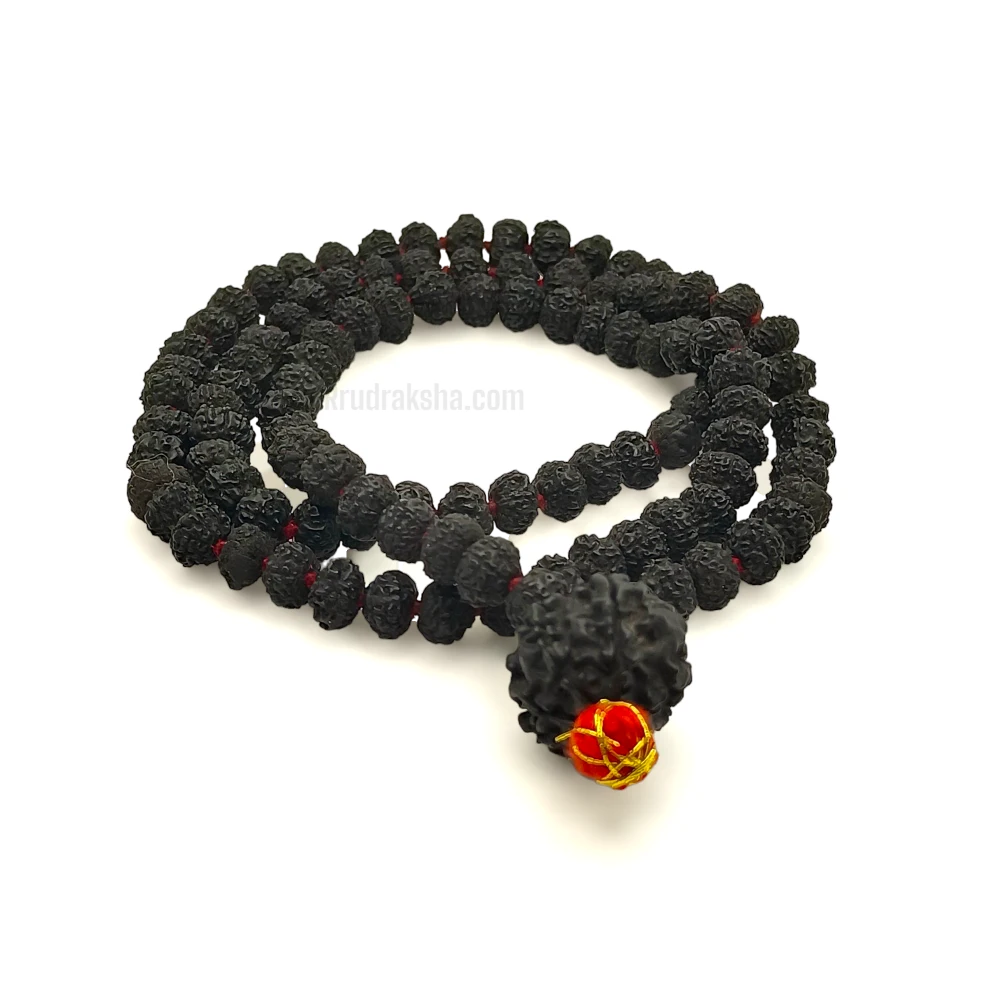
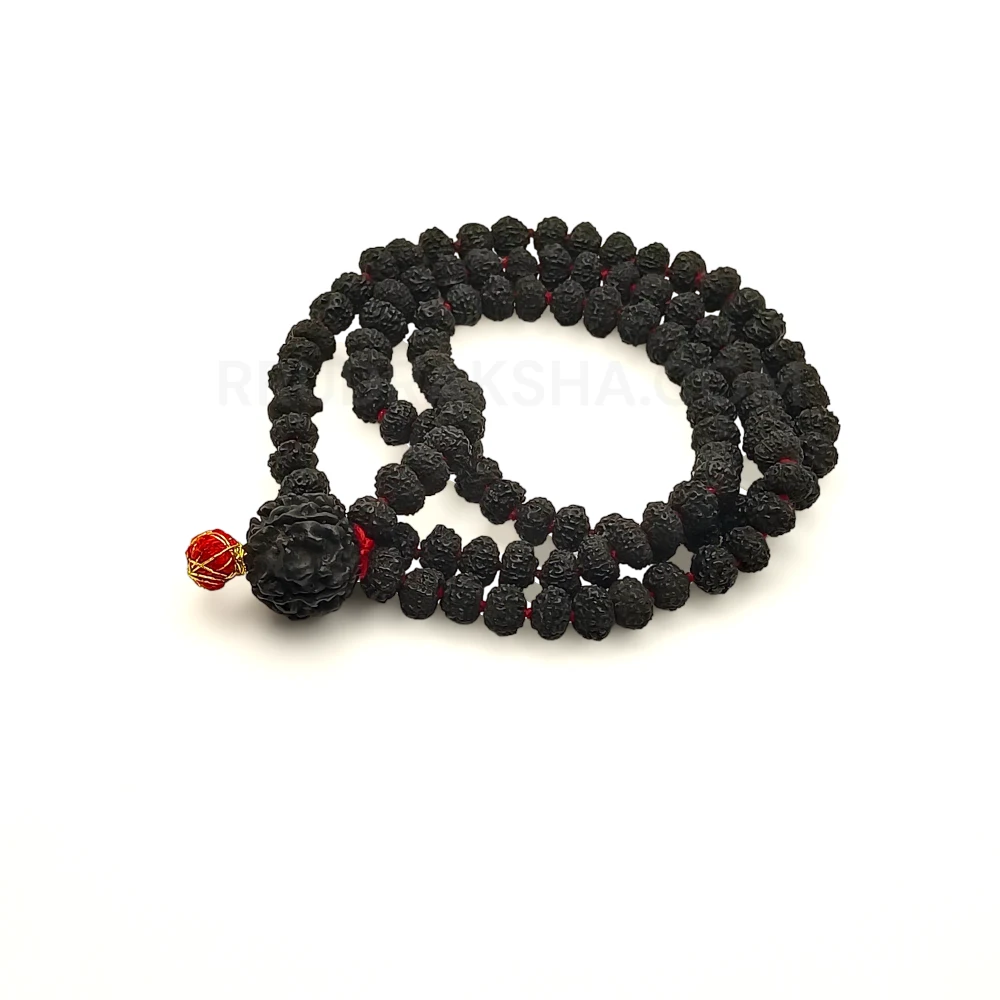
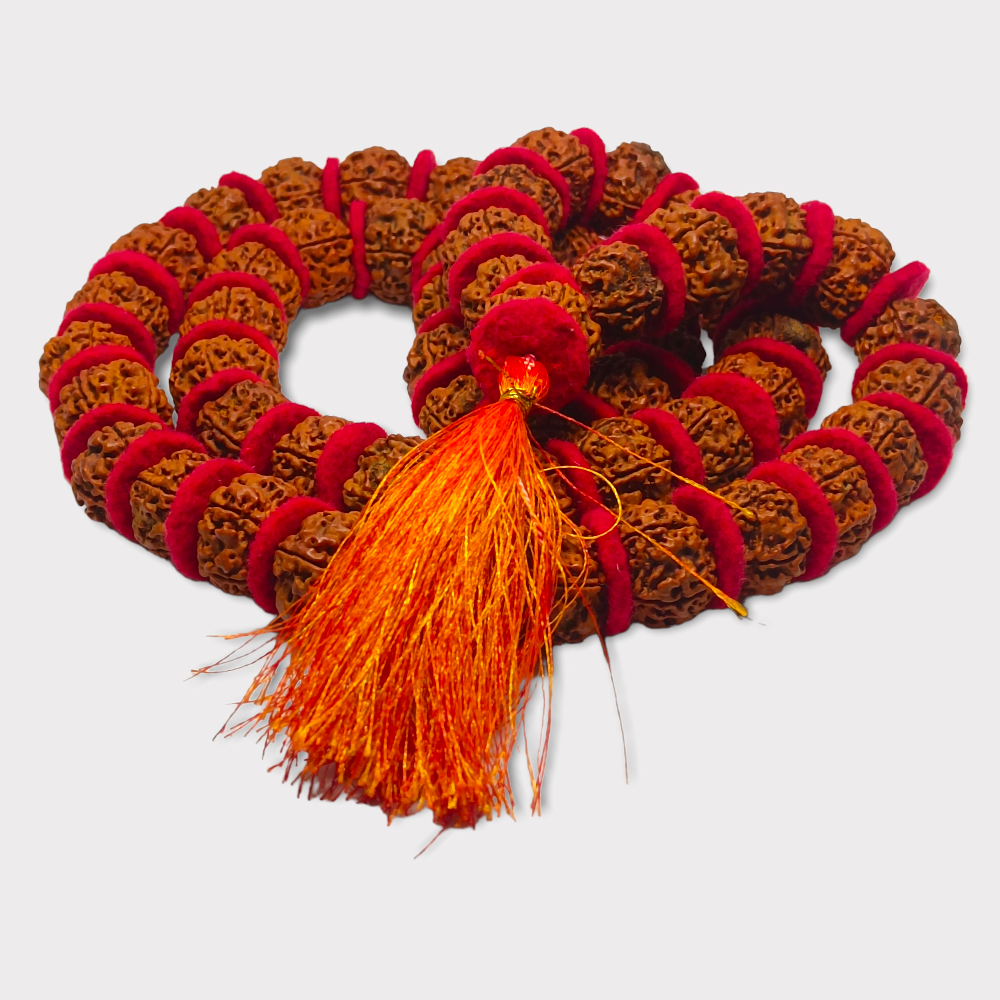
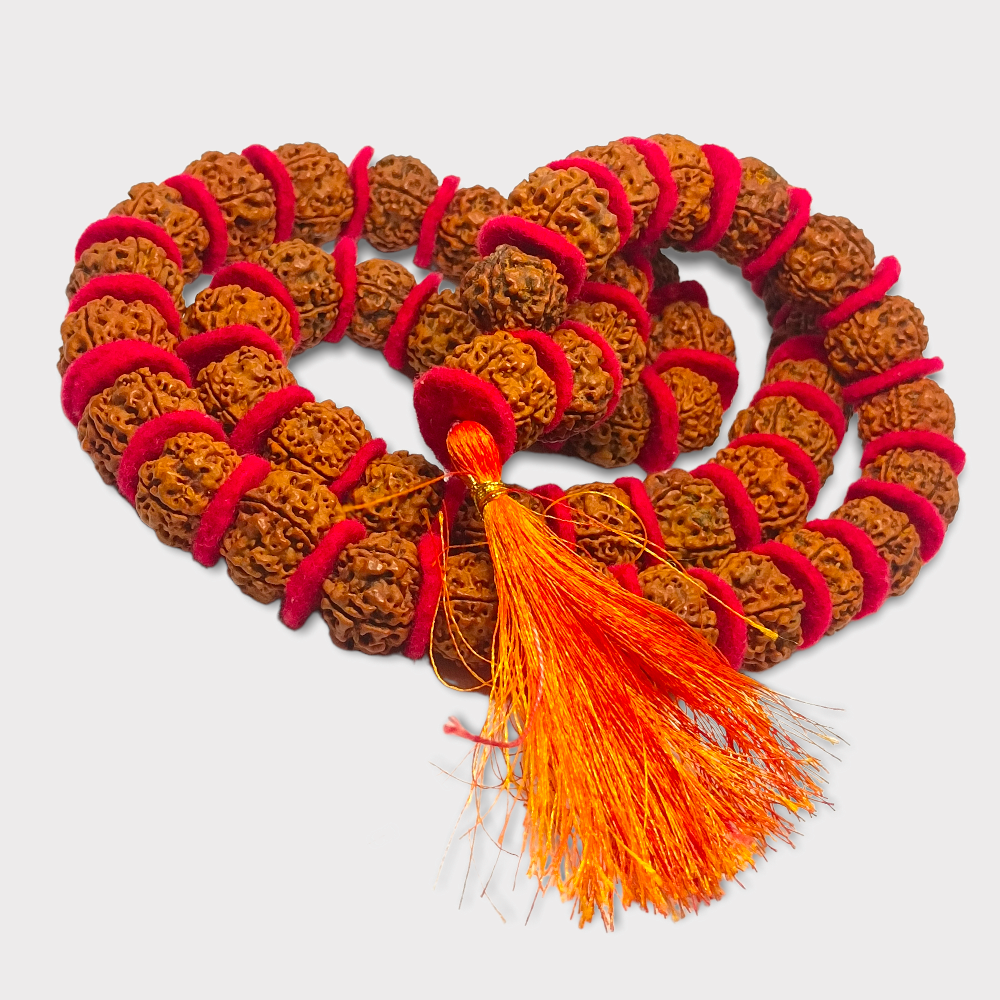
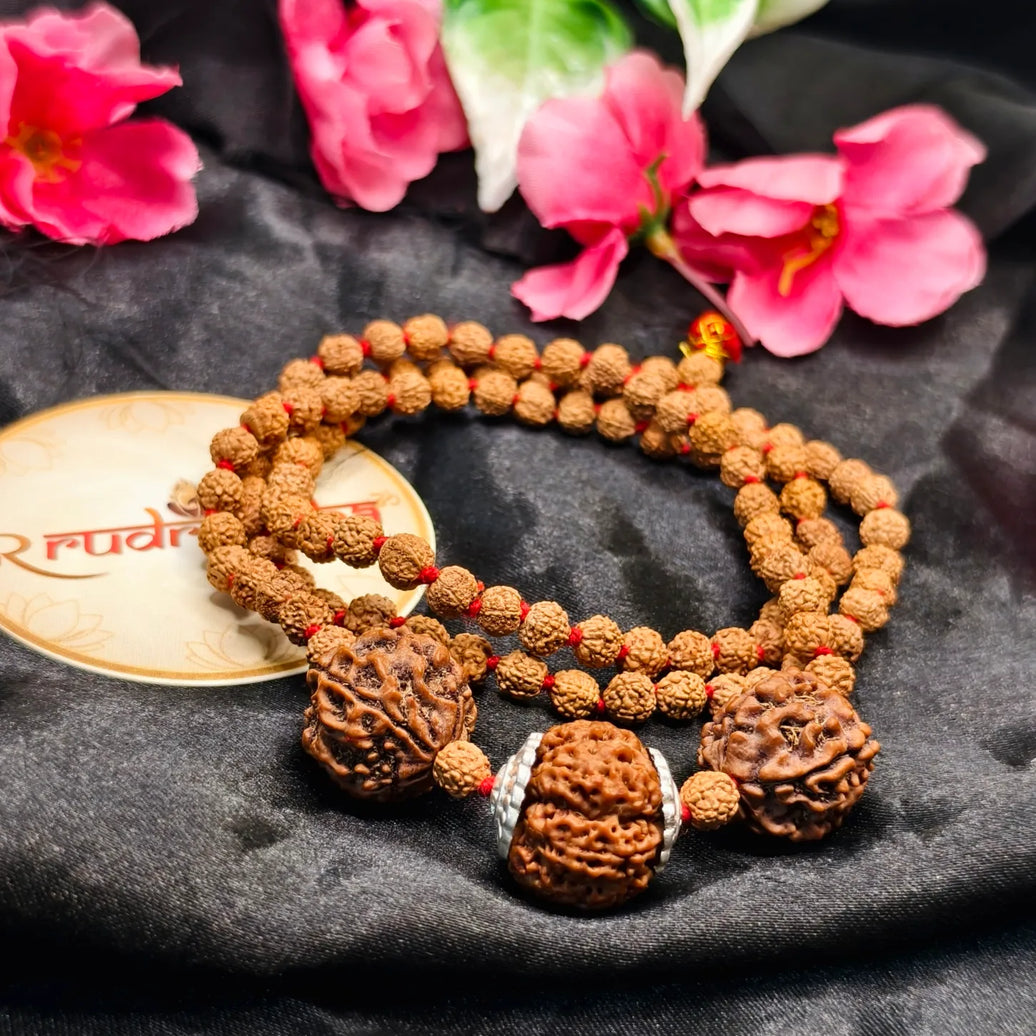
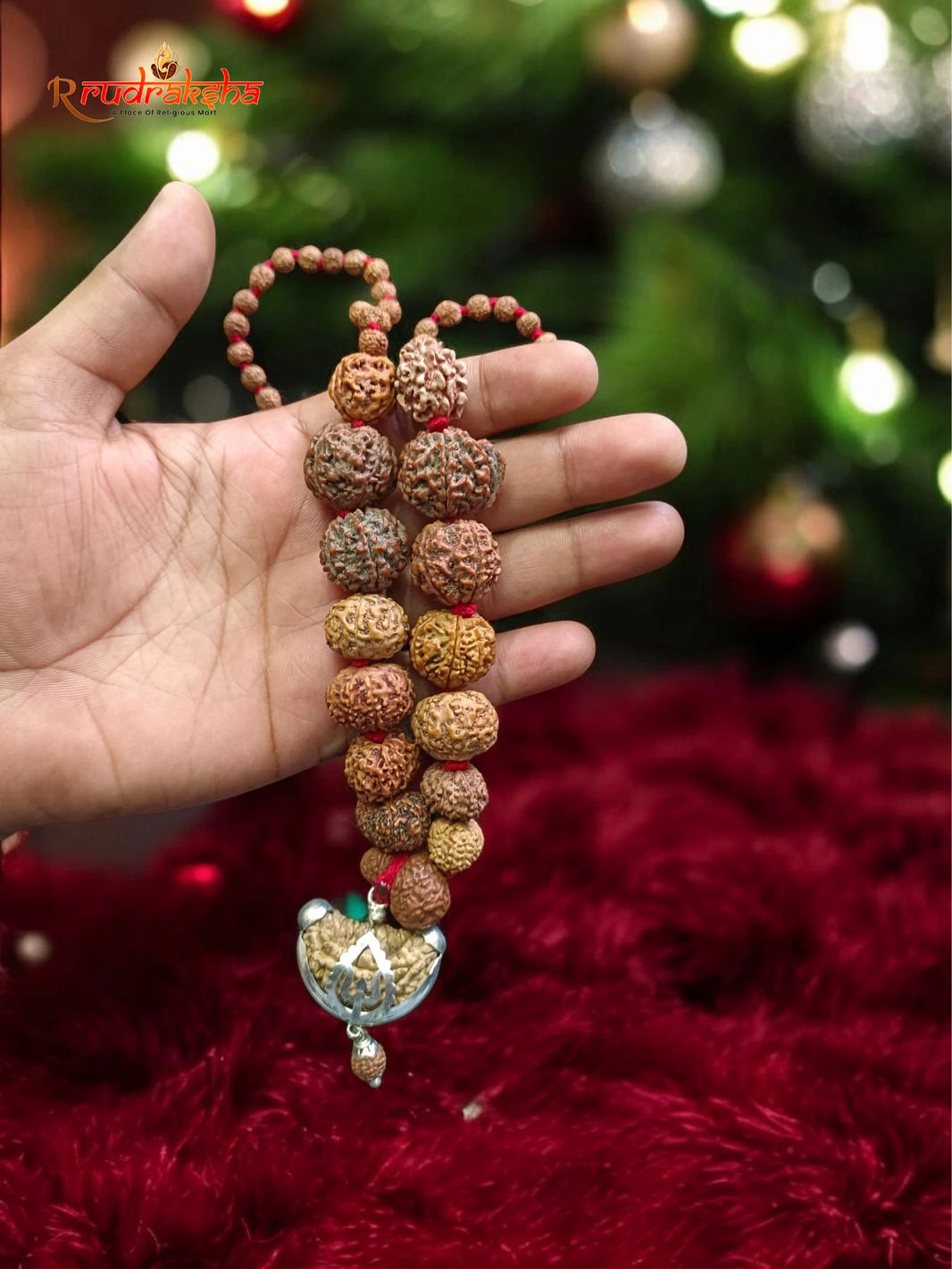
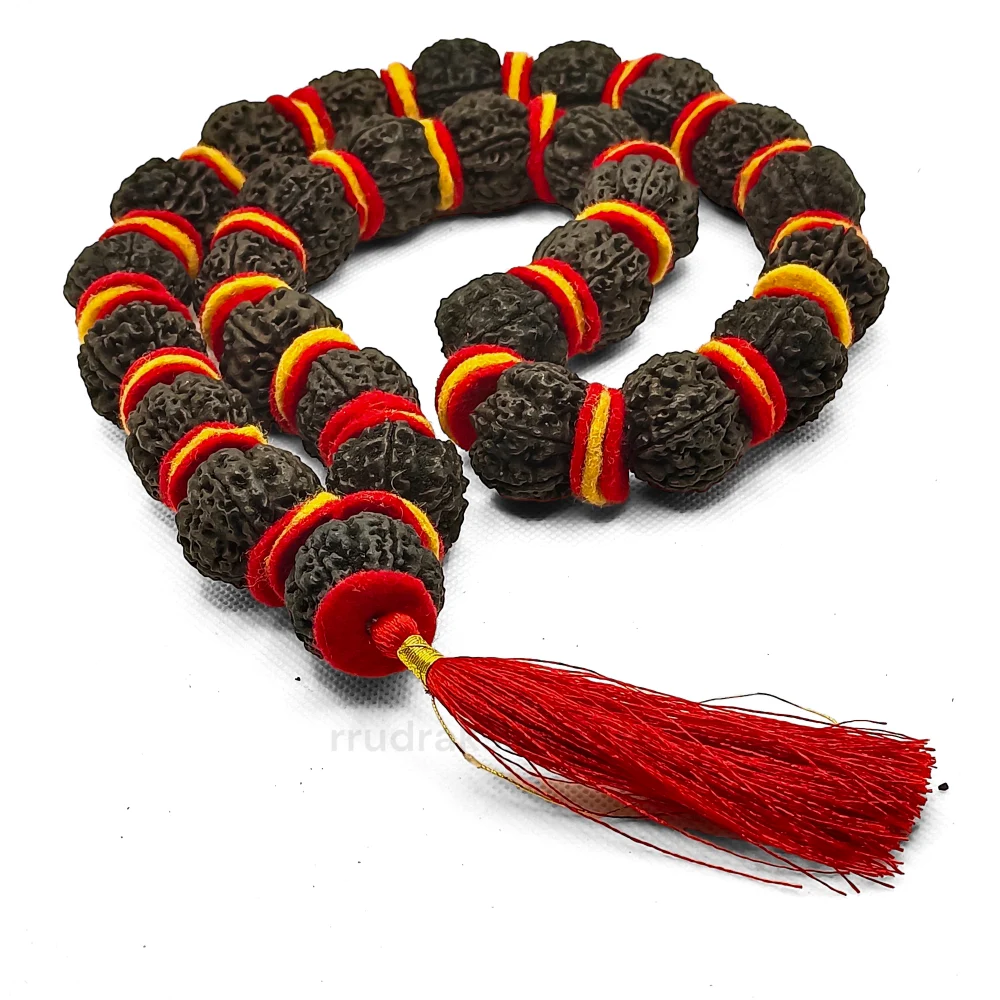
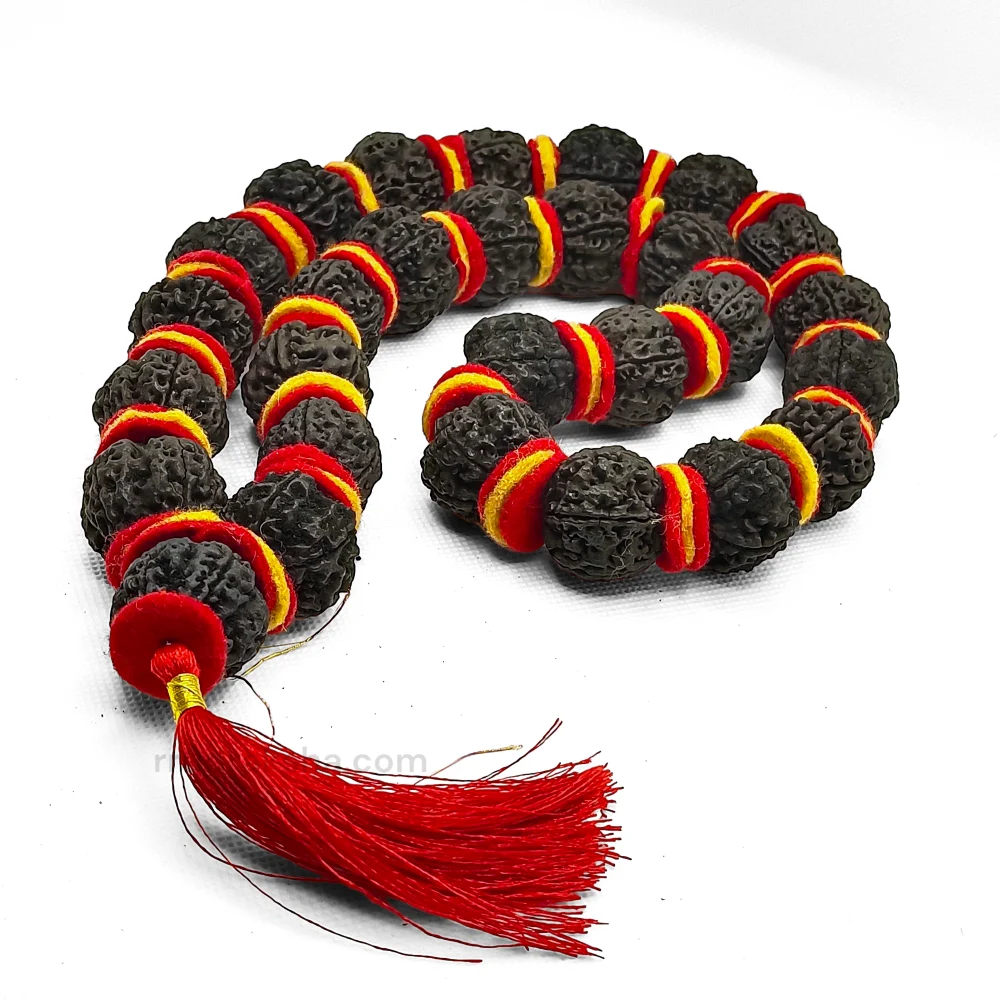
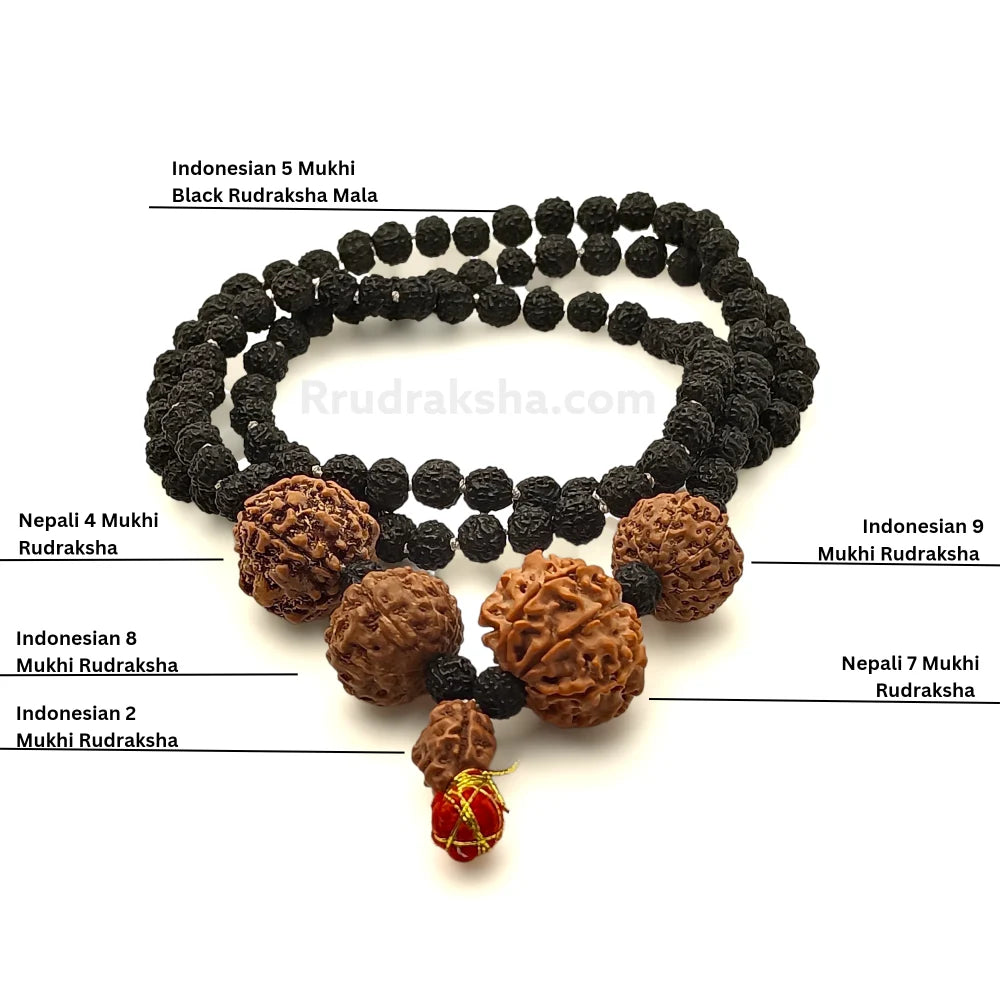
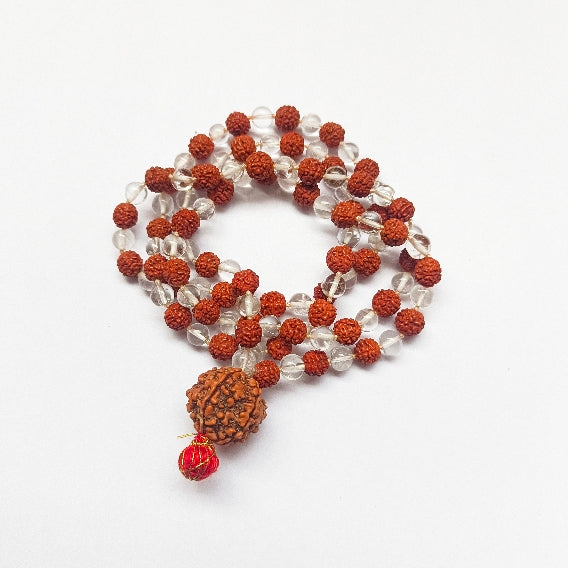
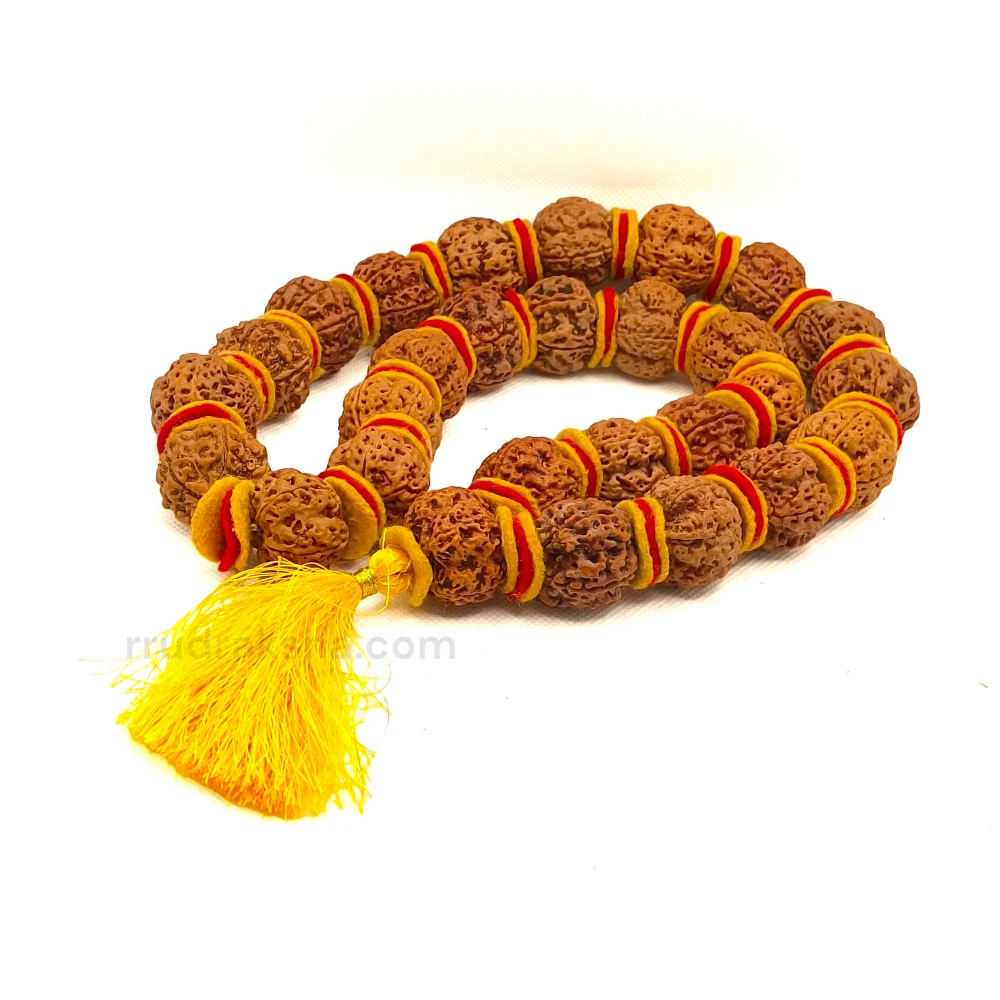
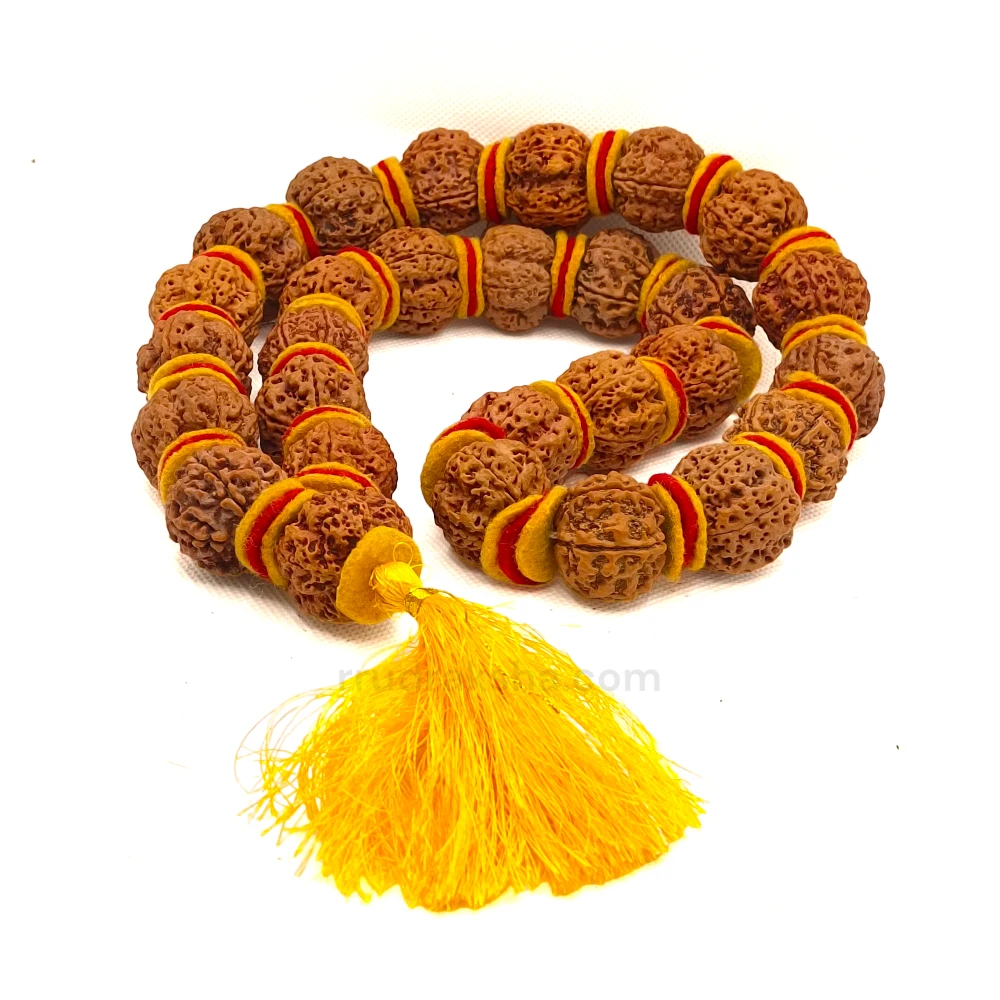
The Damru is a small double-headed drum shaped like an hourglass. When shaken, Rudraksha Beads attached to strings strike both drumheads, creating rhythmic sound. While physically simple, the Damru carries deep symbolic meaning.
In Hindu philosophy, sound is considered the first expression of creation. The Damru represents the moment when silence transforms into sound, and sound becomes the foundation of the universe.
🌌 The Concept of Cosmic Sound in Ancient Philosophy
Ancient Indian philosophy describes the universe as emerging from vibration. This primordial vibration is often referred to as “Nada” or the sacred syllable “Om.”
The Damru symbolizes this cosmic vibration — the beginning of creation.
🔥 Shiva as Nataraja – The Cosmic Dancer
The Damru is most commonly associated with Shiva’s form as Nataraja, the cosmic dancer. In this form, Shiva performs the dance of creation and transformation.
🌌 Shiva as Nataraja – The Dance of Creation, Rhythm and Transformation
To truly understand the meaning of the Damru, we must first understand Lord Shiva in his form as Nataraja — the cosmic dancer. This iconic representation of Shiva is one of the most profound images in spiritual philosophy. It depicts Shiva dancing within a ring of fire, symbolizing the dynamic and ever-changing universe.
In this sacred dance, every gesture has meaning. One hand holds fire, symbolizing transformation. Another offers protection and reassurance. One foot presses down on ignorance, representing the victory of awareness over illusion. And in another hand, Shiva holds the Damru — the drum whose rhythm initiates creation itself.
The presence of the Damru in this cosmic dance is deeply symbolic. It represents the beginning of movement, the emergence of rhythm, and the unfolding of time. According to spiritual philosophy, creation does not begin with matter — it begins with vibration. The beat of the Damru symbolizes this first vibration that sets the universe into motion.
🔊 The Damru and the Birth of Sound (Nada Brahma)
One of the most profound ideas in Indian spiritual philosophy is the concept of Nada Brahma, which translates to “the universe is sound.” This idea suggests that everything in existence — from stars and planets to human thoughts and emotions — originates from vibration.
The Damru represents this primordial vibration. When Shiva beats the Damru, it symbolizes the emergence of sound from silence. This sound is not merely audible vibration; it represents the beginning of existence itself.
Modern science has surprisingly echoed this ancient idea. Physics describes the universe as composed of energy and vibration. While ancient sages did not use scientific language, their symbolic understanding resonates with modern discoveries.
📜 The Damru and the Origin of Language and Sanskrit
One of the most fascinating mythological stories associated with the Damru is its connection to the origin of language. According to tradition, the beats of Shiva’s Damru produced the Maheshwara Sutras — the foundational sounds of the Sanskrit language.
This symbolic narrative highlights a profound idea: communication itself is an expression of cosmic sound. Human language allows ideas to move from mind to mind, just as vibration moves through space. The Damru thus represents knowledge, expression, and the power of communication.
🌿 The Symbolism of the Damru’s Hourglass Shape
The physical shape of the Damru carries deep symbolic meaning. Its hourglass form is one of the most important aspects of its spiritual symbolism. The two drumheads represent duality — the many pairs of opposites that exist throughout the universe: day and night, silence and sound, creation and dissolution, masculine and feminine energies, and life and death.
The narrow center connecting the two sides symbolizes balance. It represents the meeting point where opposites merge into unity. This idea reflects a central teaching of Sanatan Dharma: duality is part of existence, but ultimate reality lies in unity.
🌍 The Damru and the Cycle of Creation and Dissolution
In Hindu philosophy, the universe is not static. It is constantly expanding, transforming, dissolving, and renewing itself. The rhythmic beat of the Damru represents this endless cycle.
Each beat symbolizes a moment in the cosmic process — creation emerging from silence, existence unfolding, and eventually returning to stillness. This rhythmic cycle mirrors natural patterns: the heartbeat, breathing, day and night, and the changing seasons.
🧘 The Damru and the Practice of Meditation
Sound has long been used as a tool for meditation. Chanting, rhythmic breathing, and listening to repetitive sounds can help focus the mind and reduce mental distractions.
The Damru symbolizes this meditative rhythm. It reminds practitioners that stillness and sound are not opposites but complementary aspects of awareness.
🧠 The Psychological Meaning of the Damru
Beyond mythology and symbolism, the Damru can also be understood through a psychological lens. Human beings naturally respond to rhythm. The sound of a heartbeat, the rhythm of breathing, the repetition of footsteps — these patterns create a sense of stability and familiarity.
When rhythm becomes steady and predictable, the mind begins to relax. This is why rhythmic music, chanting, and drumming have been used in spiritual traditions across cultures. The Damru represents this calming and focusing effect of rhythm on the human mind.
🌄 The Damru in Yogic Traditions
Yogic philosophy places great importance on sound and vibration. Practices such as mantra chanting, breath control, and meditation use rhythm as a way to guide attention inward.
The Damru symbolizes the rhythm that connects breath, movement, and awareness.
🌞 The Damru as a Symbol of Balance in Life
The hourglass shape of the Damru also represents balance between the material and spiritual aspects of life.
🌍 Cultural Presence of the Damru Across India
The Damru appears in festivals, rituals, devotional music, and sacred art throughout India.
⚡ The Damru and the Philosophy of Change
One of the most powerful spiritual messages hidden within the symbolism of the Damru is the acceptance of change. In Sanatan Dharma, change is not viewed as something to resist. Instead, it is understood as the natural rhythm of existence. Every moment brings transformation — thoughts change, emotions shift, seasons pass, and life continuously evolves.
The rhythmic beat of the Damru represents this constant movement. Just as the drum produces sound through motion, life unfolds through change. The Damru reminds devotees that stability does not mean stillness; it means learning to move gracefully with life’s rhythm.
🌙 The Damru as a Symbol of Silence and Sound
Another profound interpretation of the Damru lies in the relationship between silence and sound. Sound cannot exist without silence, and silence cannot be understood without sound. The Damru symbolizes the dance between these two states.
🌿 The Damru and the Journey of Self-Expression
The Damru also represents expression — the ability to communicate thoughts, emotions, and creativity. Human beings express themselves through language, music, art, and movement.
🌍 The Damru in Festivals and Devotional Celebrations
During festivals dedicated to Lord Shiva, rhythmic instruments fill temples and streets with sound.
🌟 Why the Damru Continues to Inspire Modern Seekers
In the modern world, where life often feels fast and chaotic, the symbolism of the Damru offers a reminder of rhythm, balance, and awareness.
Frequently Asked Questions (FAQs) ❓
1. What does the Damru symbolize in Hinduism?
The Damru symbolizes cosmic sound, rhythm, and the beginning of creation. In Hindu philosophy, the universe is believed to emerge from vibration, and the Damru represents this primordial sound that initiates existence.
2. Why does Lord Shiva carry a Damru?
Lord Shiva carries the Damru in his form as Nataraja, the cosmic dancer. The drum represents the rhythm of creation and transformation, symbolizing the constant movement of the universe.
3. What is the connection between the Damru and Sanskrit language?
According to tradition, the beats of Shiva’s Damru produced the Maheshwara Sutras, the foundational sounds of Sanskrit grammar. This symbolic story connects sound with knowledge and communication.
4. What does the hourglass shape of the Damru represent?
The two sides of the Damru represent duality, such as day and night or silence and sound. The narrow center symbolizes unity and balance between opposing forces.
5. How is the Damru related to meditation?
The Damru represents rhythm and repetition, which are often used in meditation and mantra chanting to focus the mind and reduce distractions.
6. Is the Damru a musical instrument or a spiritual symbol?
It is both. While physically a musical instrument, spiritually it represents cosmic rhythm, creativity, and transformation.
7. Why is sound considered sacred in Hindu philosophy?
Ancient texts describe the universe as emerging from vibration. Sacred sounds like Om and mantra chanting are believed to reflect this cosmic vibration.
8. Why is the Damru associated with Nataraja?
In the Nataraja form, Shiva performs the cosmic dance of creation and transformation. The Damru symbolizes the rhythm that begins this dance.
9. Can the Damru be used in daily spiritual practice?
Yes. Many devotees use rhythmic chanting, music, or meditation inspired by the symbolism of the Damru.
🌱 Conclusion ✅
The Drum of Cosmic Rhythm and Creation
The Damru is far more than a musical instrument. It is a timeless symbol of rhythm, sound, balance, and transformation. Through mythology, philosophy, and spiritual practice, it represents the idea that the universe itself is alive with vibration and movement.
The sacred drum reminds us that life unfolds through rhythm — moments of silence followed by moments of expression, periods of stillness followed by transformation. By understanding the symbolism of the Damru, devotees gain insight into the deeper rhythm of existence and the role of awareness in navigating life’s changes.
For thousands of years, the Damru has inspired spiritual seekers to listen not only to external sound but also to the quiet rhythm within. Its message remains timeless: creation begins with vibration, and awareness grows through rhythm.
🙏 हर हर महादेव 🙏





Leave a comment