











👁️ Third Eye Chakra (Ajna): Perception, Discernment & Inner Clarity
The Third Eye Chakra, known as Ajna in traditional systems, governs perception, discernment, and mental clarity. Located between the eyebrows, Ajna is often misunderstood as a center of supernatural vision or psychic ability. Classical teachings, however, describe it in far more grounded terms. The Third Eye does not create extraordinary experiences; it refines how reality is perceived, processed, and understood.
Ajna functions as the mind’s organizing center. It influences how information is filtered, how patterns are recognized, and how insight forms from experience. When balanced, perception becomes stable rather than reactive. Decisions are guided by understanding instead of impulse, and clarity emerges without mental strain. In this sense, the Third Eye does not add new knowledge—it removes distortion.
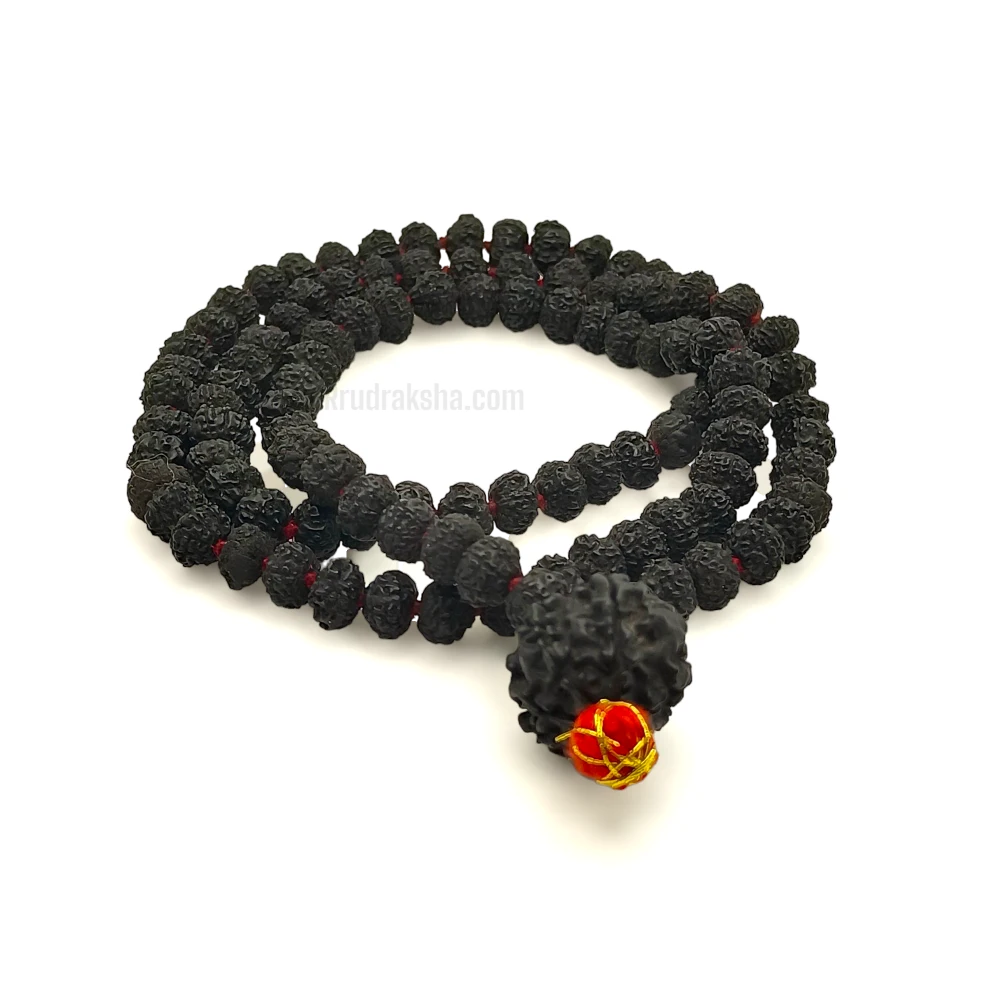
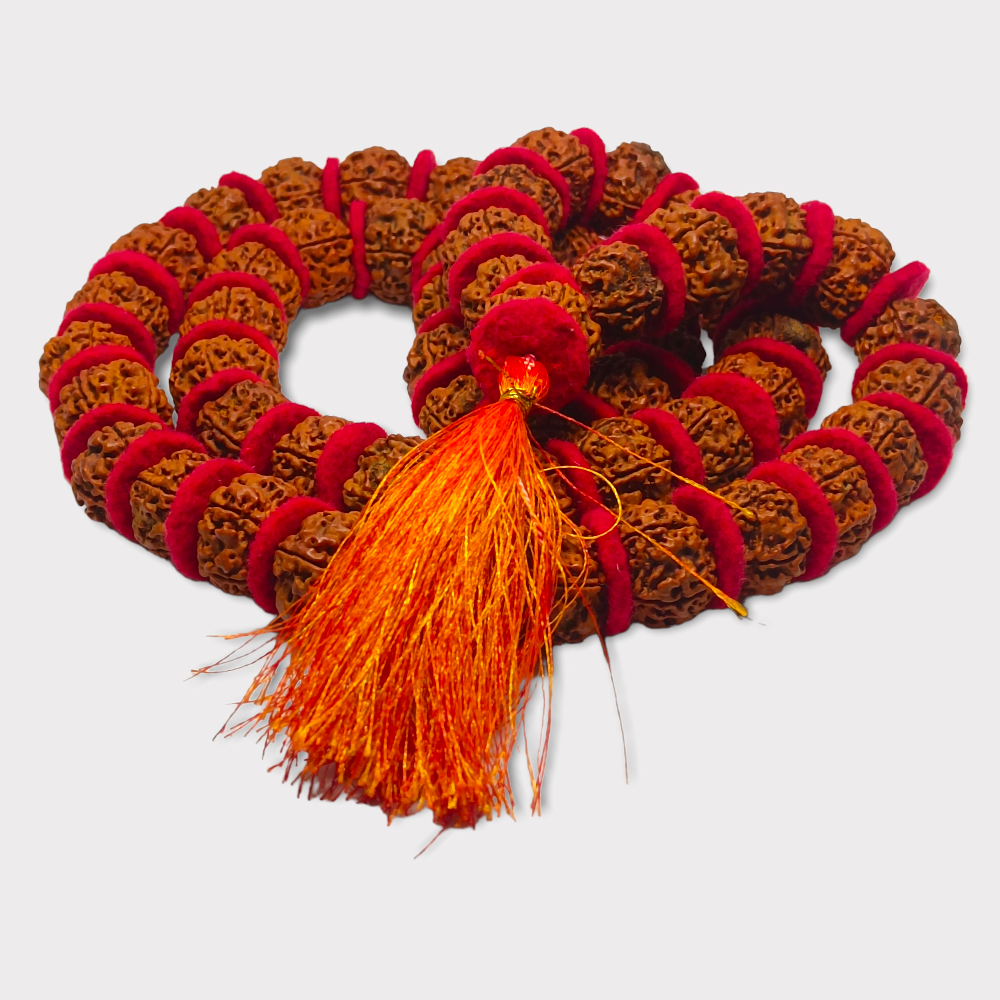
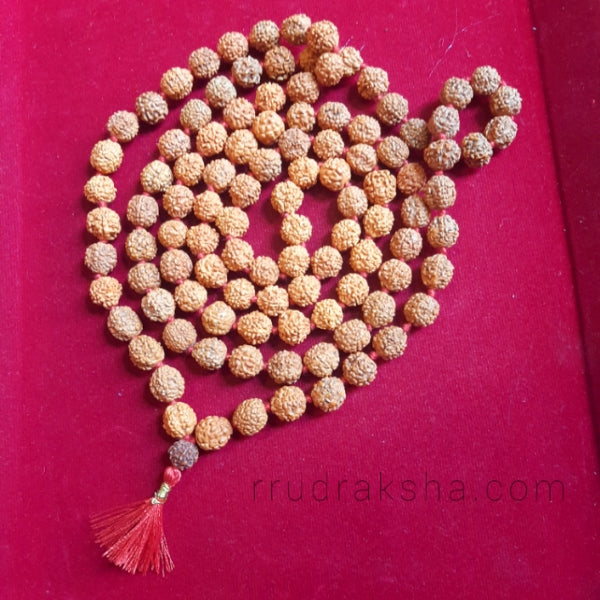
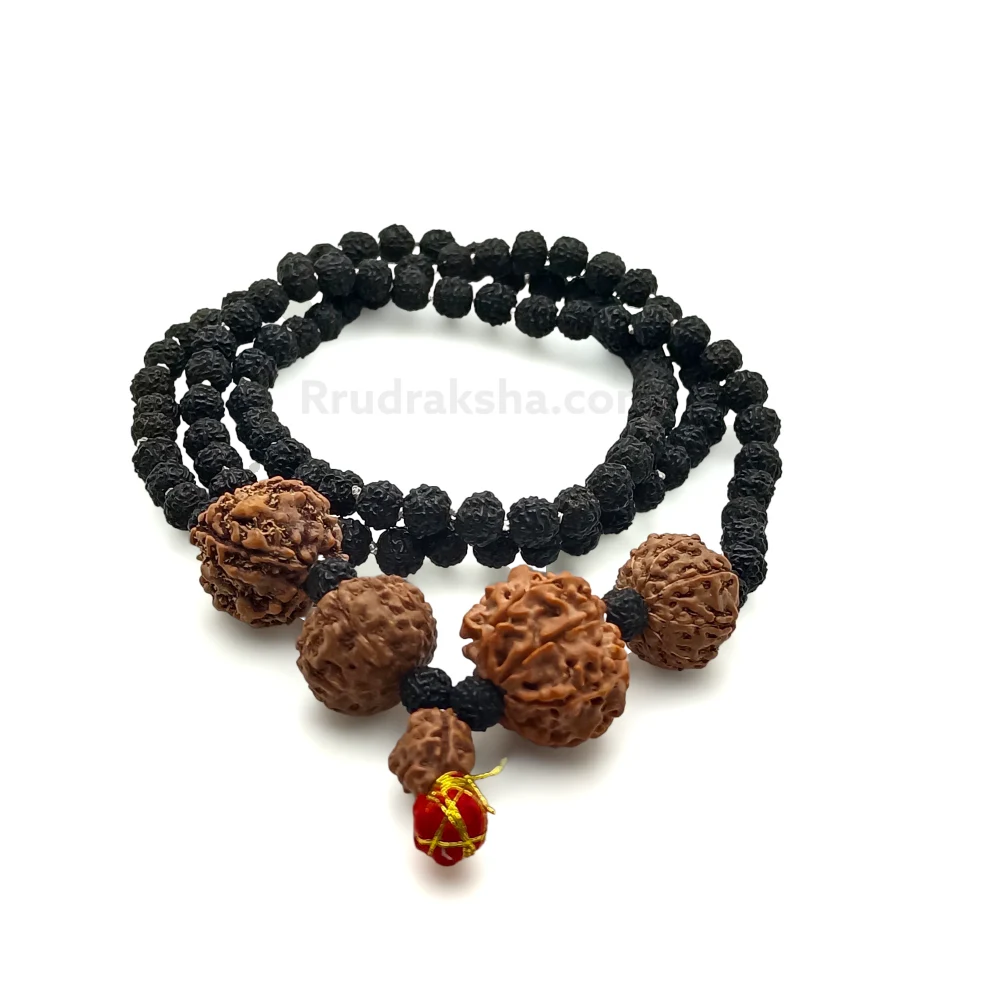
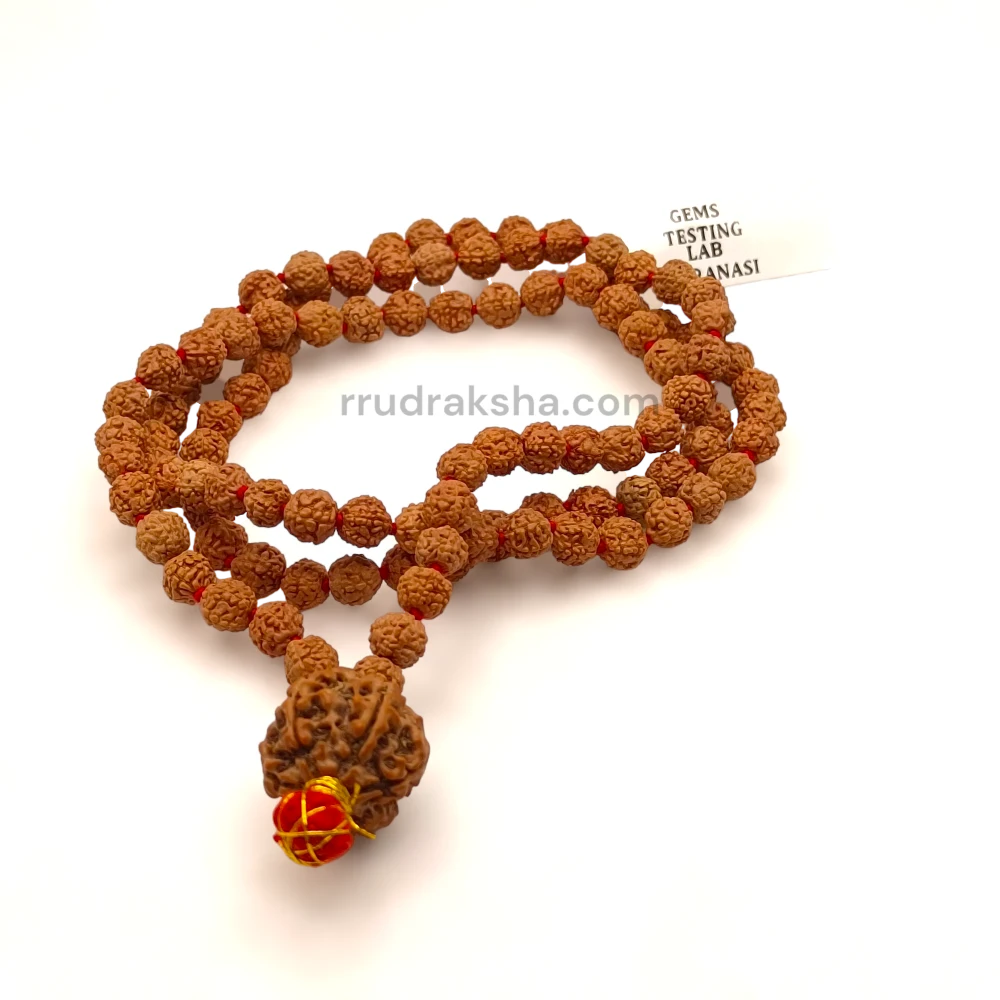
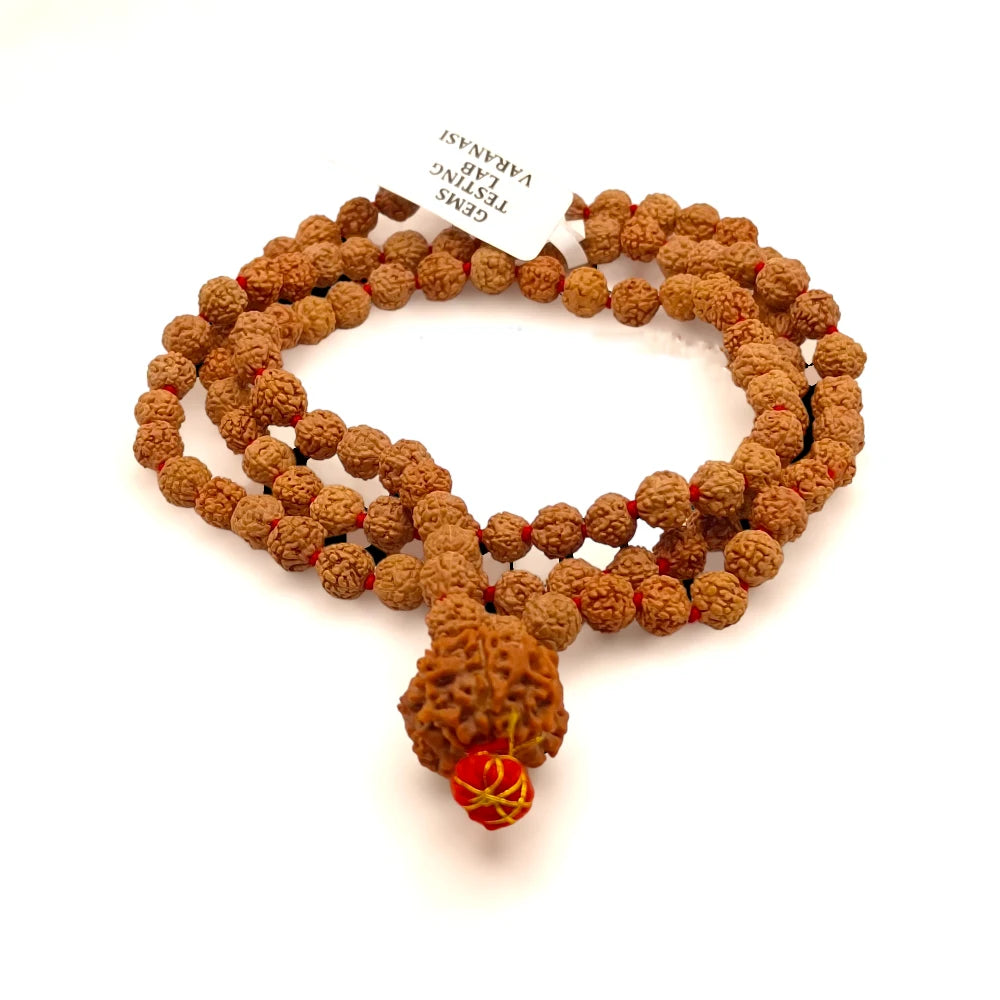
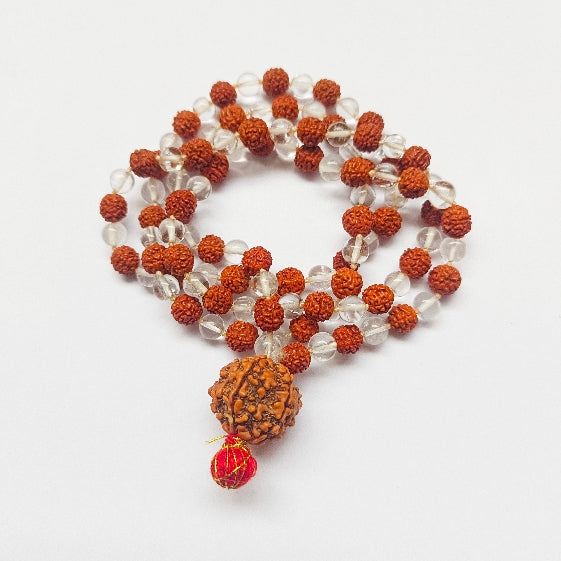
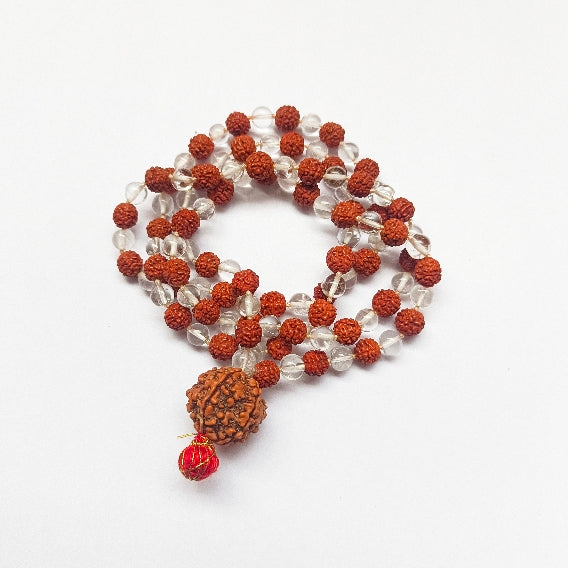
This is why traditional systems associate Ajna with clarity rather than imagination. It governs insight rooted in observation, not fantasy. A steady Third Eye allows individuals to see situations without exaggeration, fear, or wishful thinking. In contemplative traditions, practices involving a Rudraksha mala for meditation or a Sphatik mala for mental clarity are often explored to support stillness of mind, not to stimulate visions.
🧠 Perception Versus Imagination: Clearing a Common Misconception
One of the most common misconceptions about the Third Eye Chakra is the belief that it governs imagination or visualization. In reality, Ajna operates in the opposite direction. Rather than amplifying mental imagery, it quiets unnecessary mental activity. The Third Eye supports the ability to distinguish observation from assumption and understanding from projection.
When Ajna is balanced, thoughts become structured and purposeful. There is less mental clutter, fewer racing ideas, and a greater ability to remain focused. This clarity supports learning, decision-making, and emotional regulation simultaneously. The Third Eye is therefore closely connected with mental discipline and cognitive steadiness.
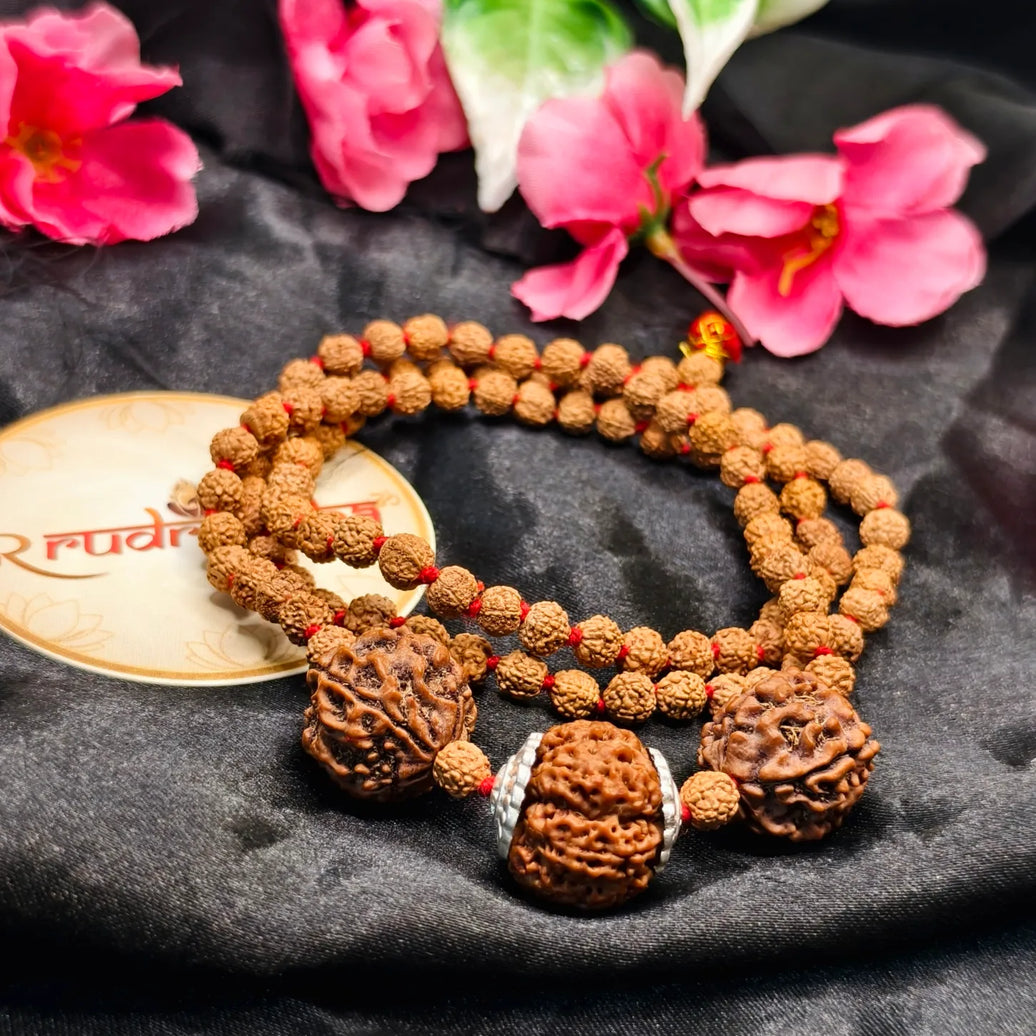
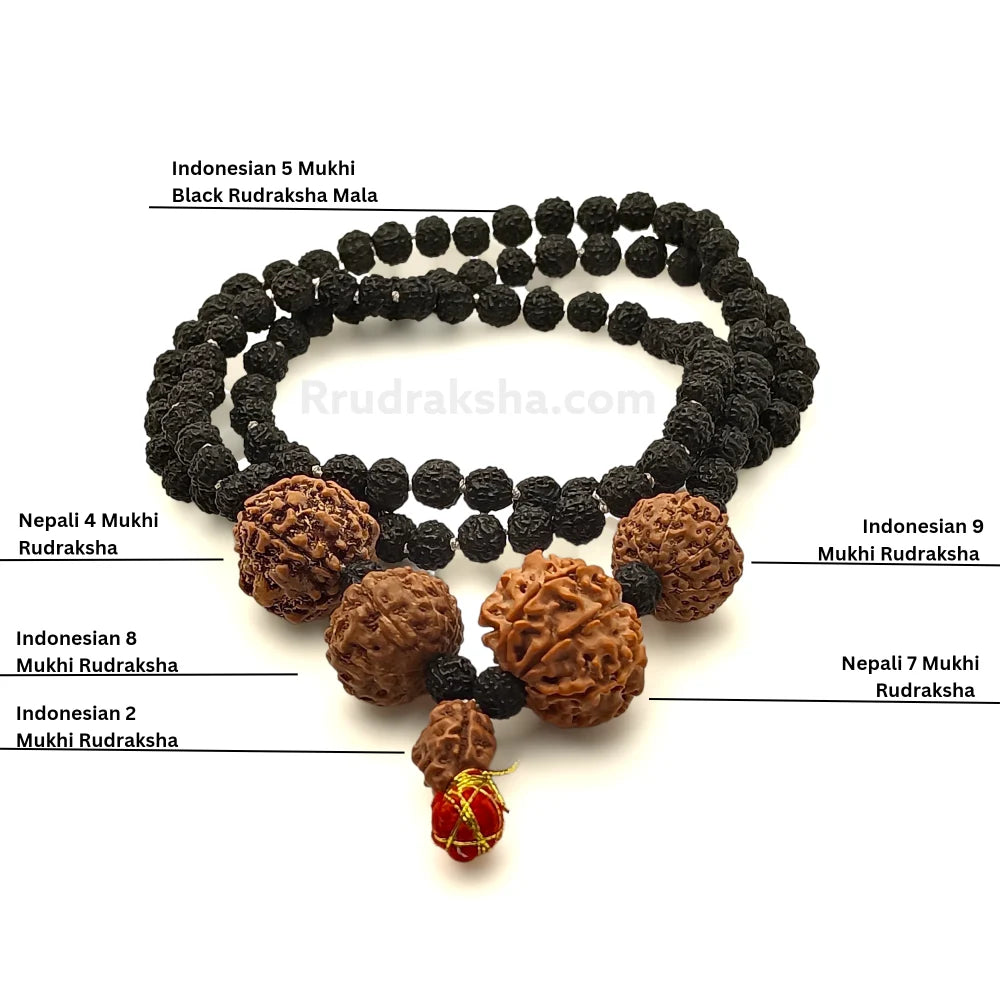
Imbalance in Ajna often leads to confusion or rigidity. Overactivity may manifest as excessive analysis, obsession with signs, or detachment from practical reality. Underactivity may appear as indecision, poor judgment, or difficulty trusting one’s understanding. Traditional teachings emphasize grounding practices before higher awareness, which is why supportive tools like a 6 Mukhi Rudraksha for focus on daily awareness are traditionally associated with stabilizing perception.
⚖️ Insight, Discernment, and Mental Balance
The Third Eye Chakra governs discernment—the ability to evaluate information without bias or emotional distortion. Discernment differs from intelligence. It reflects how well the mind integrates experience, logic, and awareness into clear understanding. A balanced Ajna allows insight to emerge calmly, without urgency or doubt.
When discernment is strong, individuals can hold multiple perspectives without confusion. They are less influenced by external opinion and more capable of forming independent judgment. This stability reduces mental exhaustion and prevents over-identification with thoughts. Traditional systems describe this state as clarity without attachment.
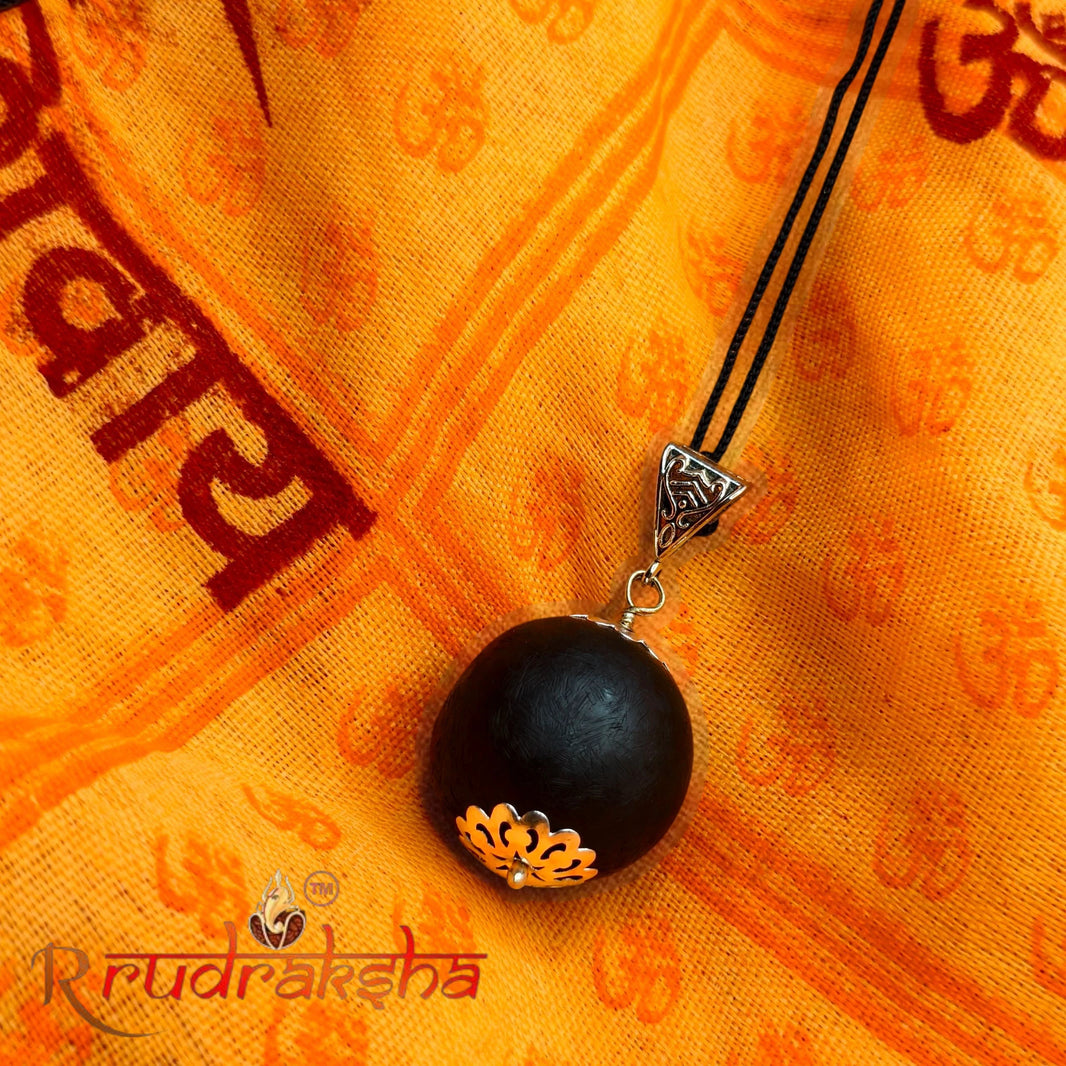
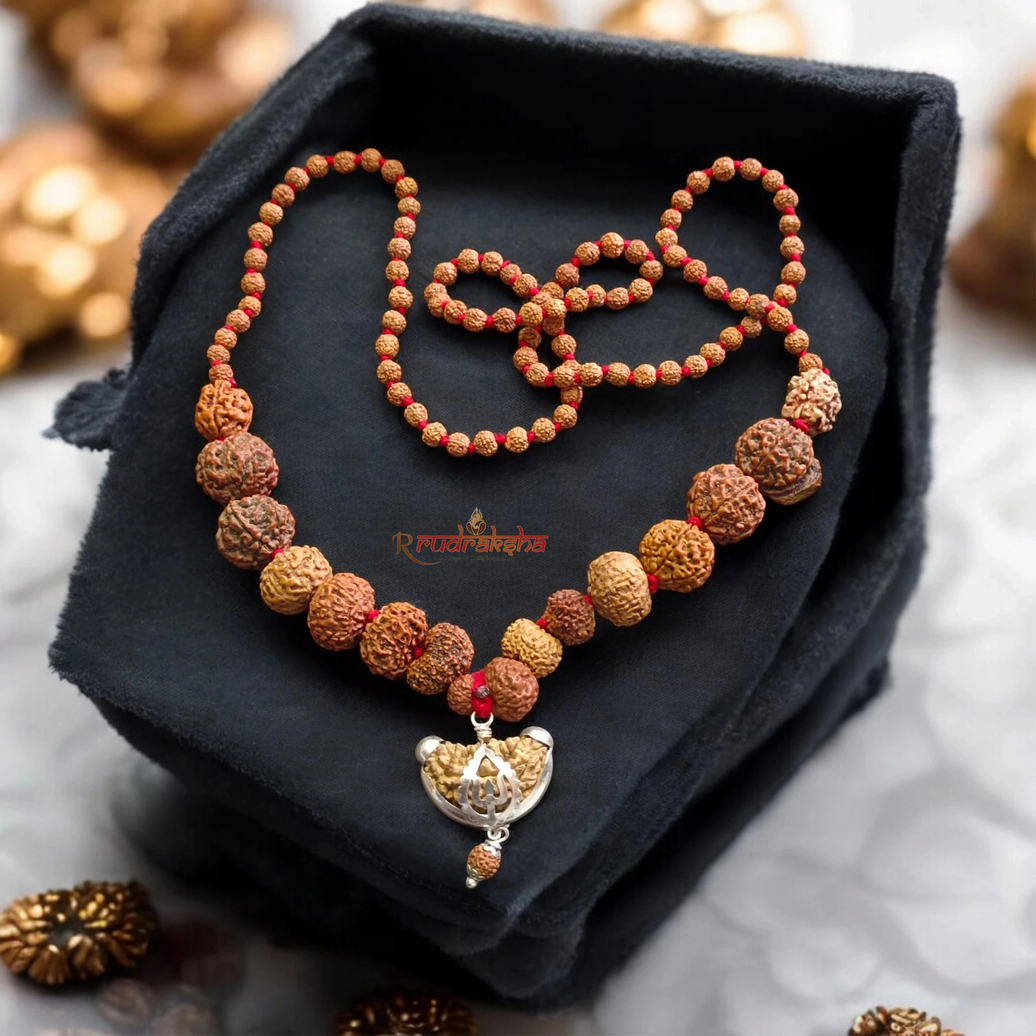
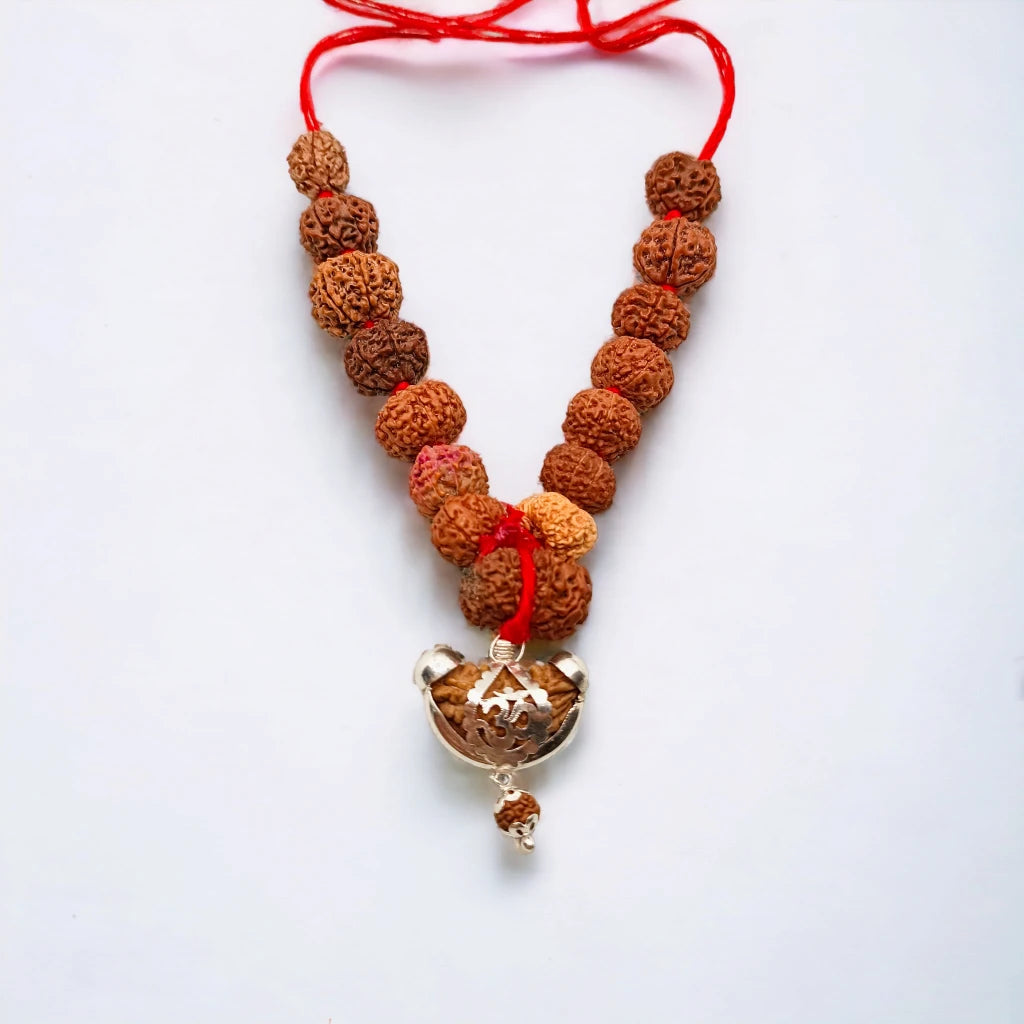
In reflective disciplines, Ajna is strengthened through consistency rather than effort. Regular contemplation, disciplined routines, and mental hygiene are emphasized. Practices supported by tools such as a Rudraksha Kantha Mala or a Sphatik pendant are traditionally explored to encourage steady awareness, reinforcing the principle that perception sharpens when the mind is calm.
🌀 Ajna and the Relationship Between Mind and Emotion
Although the Third Eye is a center of perception, it does not operate independently of emotion. Ajna processes emotional information after it has passed through lower centers. When emotional clarity is lacking, perception becomes distorted. Fear, desire, or attachment may color understanding, leading to misinterpretation.
A balanced Ajna allows emotions to be acknowledged without dominating perception. Emotional responses are observed rather than reacted to, creating space for thoughtful response. This integration supports mental calm and reduces impulsive decision-making. The Third Eye thus acts as a stabilizing influence across the entire chakra system.
Traditional teachings emphasize that higher awareness must remain connected to grounded living. This is why Ajna practices are often paired with stabilizing elements, including disciplined routine and symbolic supports like a Rudraksha mala for chanting or a Sphatik Bracelet, used not to intensify experience but to maintain clarity during daily life.
🌫️ Overthinking, Mental Noise, and the Loss of Clarity
One of the clearest signs of Third Eye Chakra imbalance is persistent mental noise. Overthinking does not arise from too much intelligence, but from a lack of perceptual stability. When Ajna is unsettled, the mind attempts to resolve uncertainty by producing more thoughts, often repeating the same questions without arriving at clarity.
This mental looping gradually erodes confidence in one’s own understanding. Decisions feel heavier than necessary, and even simple choices may trigger excessive analysis. Traditional teachings describe this state as awareness scattered across possibilities rather than anchored in observation. The Third Eye, when balanced, reduces excess thinking by refining attention, not by suppressing thought.
For this reason, classical systems emphasize mental stillness before insight. Regular contemplative practices—sometimes supported by a Rudraksha Jaap Mala or a Sphatik bracelet for mental calm—are traditionally explored to help the mind disengage from repetitive thought patterns and return to direct perception.
⚖️ Overactive vs Underactive Ajna: Two Extremes of Perception
Ajna imbalance often expresses itself through two contrasting patterns. An overactive Third Eye may lead to excessive analysis, fixation on symbolism, or detachment from practical reality. Individuals may constantly search for hidden meanings, signs, or explanations, while losing touch with immediate experience.
An underactive Ajna, by contrast, may manifest as confusion, poor judgment, or difficulty trusting one’s understanding. Perception feels dull or unfocused, and decisions rely heavily on external input. In both cases, the issue is not lack of intelligence, but instability in perception.
Traditional frameworks stress grounding as the corrective principle for both extremes. This is why Ajna work is never isolated from daily discipline. Practices that support steadiness—sometimes associated with tools like a 6 Mukhi Rudraksha Bracelet for focus or a Rudraksha Kantha mala—are traditionally viewed as stabilizers rather than enhancers of perception.
🧩 Belief Systems, Illusion, and Mental Rigidity
The Third Eye Chakra governs not only insight, but the flexibility of belief. When perception is clear, beliefs remain adaptable, open to refinement through experience. When Ajna is imbalanced, beliefs may become rigid, defensive, or detached from reality.
Rigid belief systems often arise from fear of uncertainty rather than confidence in understanding. The mind clings to fixed interpretations to avoid ambiguity. Traditional teachings caution that such rigidity blocks genuine insight, as perception becomes filtered through expectation rather than observation.
Cultivating perceptual openness requires patience and humility. In reflective traditions, clarity-oriented supports—such as a Sphatik mala for meditation or a clear quartz pendant—are symbolically associated with transparency of mind, reminding practitioners to observe without prematurely concluding.
🧠 Decision-Making, Intuition, and Practical Wisdom
Ajna plays a crucial role in decision-making. Contrary to popular belief, intuition is not a sudden impulse or emotional reaction. In traditional understanding, intuition reflects perception informed by experience and observation. A balanced Third Eye allows decisions to arise quietly, without mental pressure or urgency.
When Ajna is stable, individuals can distinguish intuition from anxiety. Choices feel proportionate to circumstances, and outcomes are accepted with equanimity. This clarity reduces regret and second-guessing, as decisions are made from understanding rather than compulsion.
To support this steadiness, disciplined routines are emphasized over dramatic practices. Tools traditionally associated with perceptual balance—such as a Rudraksha Mala for daily meditation or a Rudraksha Bracelet for awareness—are explored as companions to routine, reinforcing clarity through consistency rather than stimulation.
🔄 Emotion, Perception, and the Third Eye’s Filtering Role
Although Ajna is a center of perception, it does not operate in isolation from emotion. Emotional states influence how information is filtered before it reaches conscious understanding. When emotions are unregulated, perception becomes colored by fear, desire, or attachment, leading the mind to interpret situations inaccurately. The Third Eye’s role is not to suppress emotion, but to contextualize it.
A balanced Ajna allows emotions to be acknowledged without overriding clarity. Feelings are registered as data rather than commands. This capacity prevents impulsive conclusions and supports thoughtful response. Traditional teachings emphasize that perceptual clarity increases when emotional awareness is present but not dominant.
For this reason, contemplative routines often pair emotional steadiness with perceptual training. Quiet practices supported by a Rudraksha mala for meditation or a Sphatik Mala for clarity are traditionally explored to help the mind observe emotional movement without being pulled into reaction.
🪞 Fear, Projection, and the Creation of Illusion
Fear is one of the most common sources of perceptual distortion. When fear is active, the mind projects potential outcomes onto present reality, creating illusions that feel real but lack grounding. Ajna imbalance amplifies this tendency, causing assumptions to replace observation and anticipation to replace understanding.
Projection occurs when internal states are mistaken for external facts. This can lead to misjudgment, strained relationships, and unnecessary anxiety. A balanced Third Eye recognizes projection as a mental event rather than a truth, allowing perception to return to immediacy.
Traditional systems approach fear by strengthening awareness rather than confrontation. Practices associated with steady perception—sometimes complemented by a 6 Mukhi Rudraksha Pendant for focus or a Rudraksha bracelet for awareness—are explored to reinforce attentiveness and reduce mental exaggeration.
🧭 Discipline Versus Imagination: Restoring Perceptual Accuracy
Imagination is often mistaken for insight in discussions of the Third Eye. While imagination has creative value, Ajna is concerned with accuracy. Excessive imagination without discipline can blur perception, leading to fantasy-driven interpretations rather than clear understanding.
Discipline restores balance by providing structure to awareness. Regular routines, mindful observation, and consistent reflection train the mind to remain present. This steadiness allows imagination to serve creativity without dominating perception.
In classical approaches, perceptual discipline is favored over dramatic visualization. Tools like a Rudraksha Kantha Mala or a Sphatik mala for meditation are traditionally associated with composure and continuity, reinforcing the idea that clarity develops through repetition and restraint.
📅 Integrating Ajna into Daily Life and Decisions
Third Eye alignment is reflected most clearly in everyday decision-making. How one evaluates information, responds to uncertainty, and prioritizes attention reveals the stability of Ajna more accurately than isolated spiritual experiences. Balanced perception supports calm choices and realistic expectations.
When integrated into daily life, Ajna reduces mental fatigue. The mind becomes selective rather than scattered, focusing on what matters instead of reacting to every stimulus. This integration improves efficiency, judgment, and emotional balance across professional and personal contexts.
Daily reminders of perceptual steadiness are often subtle. Some individuals maintain this clarity through consistent practices paired with symbolic supports such as a Rudraksha mala for daily meditation or a Sphatik Quartz, used as cues for presence rather than tools for stimulation.
❓ Frequently Asked Questions (FAQs)
What does the Third Eye Chakra represent?
The Third Eye Chakra represents perception, discernment, and mental clarity. It governs how information is interpreted, how patterns are recognized, and how understanding forms without distortion from fear or desire.
Is the Third Eye Chakra related to psychic abilities?
Traditional teachings do not associate Ajna with supernatural powers. Instead, it is linked with clarity of perception, grounded intuition, and the ability to see reality accurately rather than imaginatively.
How do I know if my Third Eye Chakra is imbalanced?
Signs of imbalance may include overthinking, confusion, rigid beliefs, excessive imagination, difficulty making decisions, or lack of mental focus. These patterns reflect instability in perception rather than lack of intelligence.
What is the difference between intuition and overthinking?
Intuition arises quietly from clarity and experience, while overthinking is driven by anxiety and uncertainty. A balanced Third Eye allows intuition to emerge without mental pressure.
Can emotions affect Third Eye clarity?
Yes. Emotional states strongly influence perception. Ajna functions best when emotions are acknowledged but do not dominate interpretation or judgment.
Why do traditional systems emphasize grounding before Ajna work?
Without grounding, higher perception may become unstable or detached from reality. Grounding ensures that insight remains practical, functional, and integrated into daily life.
Does meditation automatically activate the Third Eye?
Meditation supports clarity over time, but activation is not instant. Traditional approaches emphasize consistency, discipline, and patience rather than forceful techniques.
Can excessive imagination disturb the Third Eye?
Yes. When imagination overrides observation, perception becomes distorted. Ajna favors accuracy and discernment over fantasy or symbolic fixation.
How does the Third Eye affect decision-making?
A balanced Ajna supports calm, proportionate decisions. Choices arise from understanding rather than urgency, reducing regret and mental fatigue.
How long does it take to balance the Third Eye Chakra?
There is no fixed timeline. Balance develops gradually through consistent awareness, emotional regulation, and disciplined perception.
🧿 Conclusion 🌟
Clarity as a Way of Seeing
The Third Eye Chakra teaches that clarity is not something to be achieved, but something that emerges when distraction falls away. Ajna refines perception by filtering fear, projection, and excess thought, allowing reality to be seen without distortion. This clarity does not separate individuals from life; it enables deeper engagement with it.
Traditional systems consistently emphasize that higher perception must remain grounded. Insight without discipline becomes imagination, and awareness without stability becomes confusion. Ajna reaches maturity not through stimulation, but through consistency, humility, and integration with daily responsibilities.
When the Third Eye is balanced, understanding feels quiet rather than dramatic. Decisions become simpler, beliefs more flexible, and perception more reliable. This state reflects not extraordinary vision, but ordinary life experienced with extraordinary clarity.
🙏 हर हर महादेव 🙏





Leave a comment