


👑 Crown Chakra (Sahasrara): Awareness Beyond Identity
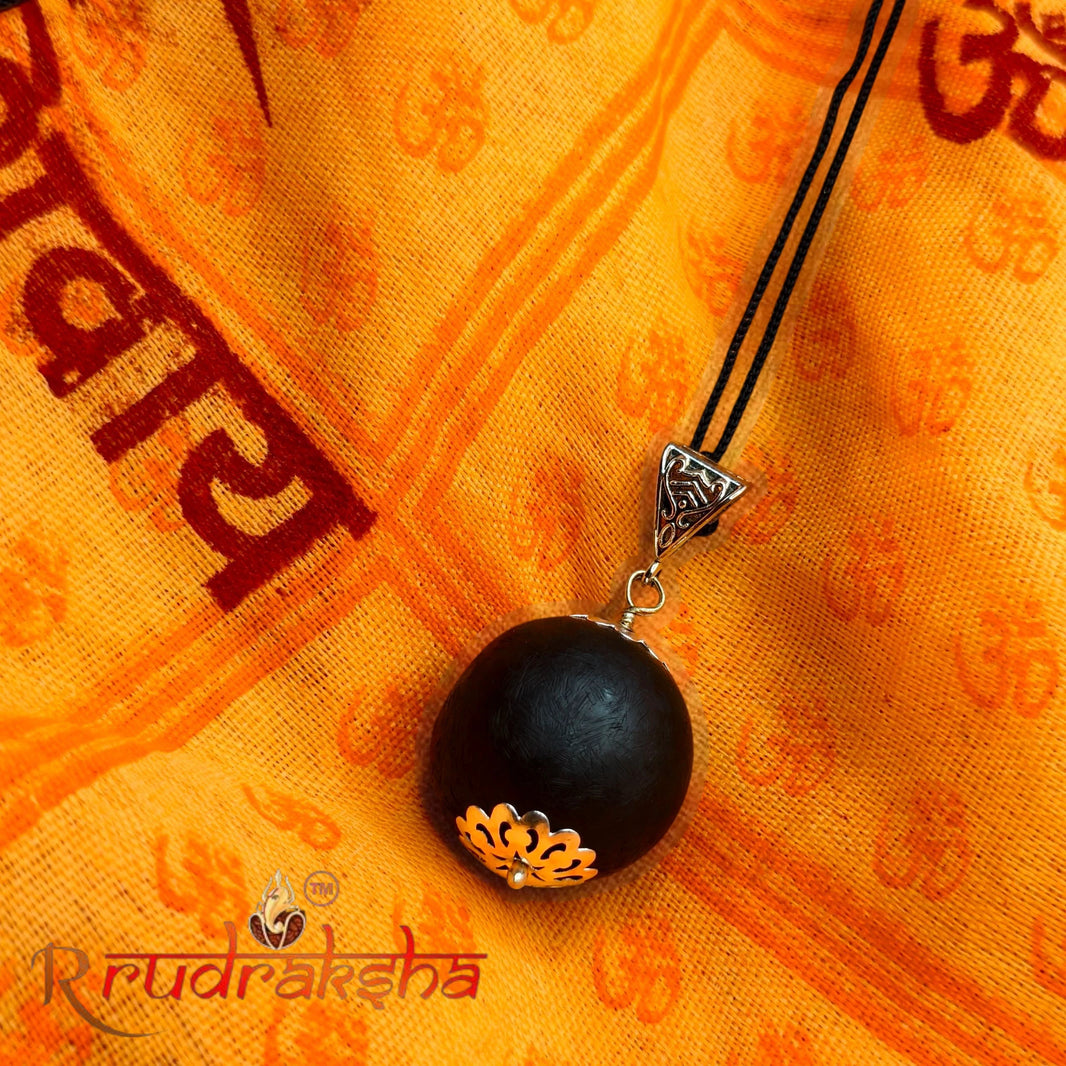
The Crown Chakra, known as Sahasrara in traditional systems, represents the culmination of the chakra framework. Unlike the lower chakras, which govern survival, emotion, power, and perception, Sahasrara is not concerned with function in the ordinary sense. It does not regulate behavior, emotion, or thought directly. Instead, it reflects the quality of awareness through which all experience is understood. Because of this, practices associated with the Crown Chakra traditionally emphasize simplicity and universality rather than stimulation—this is why seekers often gravitate toward minimalistic tools such as a Sphatik mala for meditation, which symbolically represents clarity without effort.
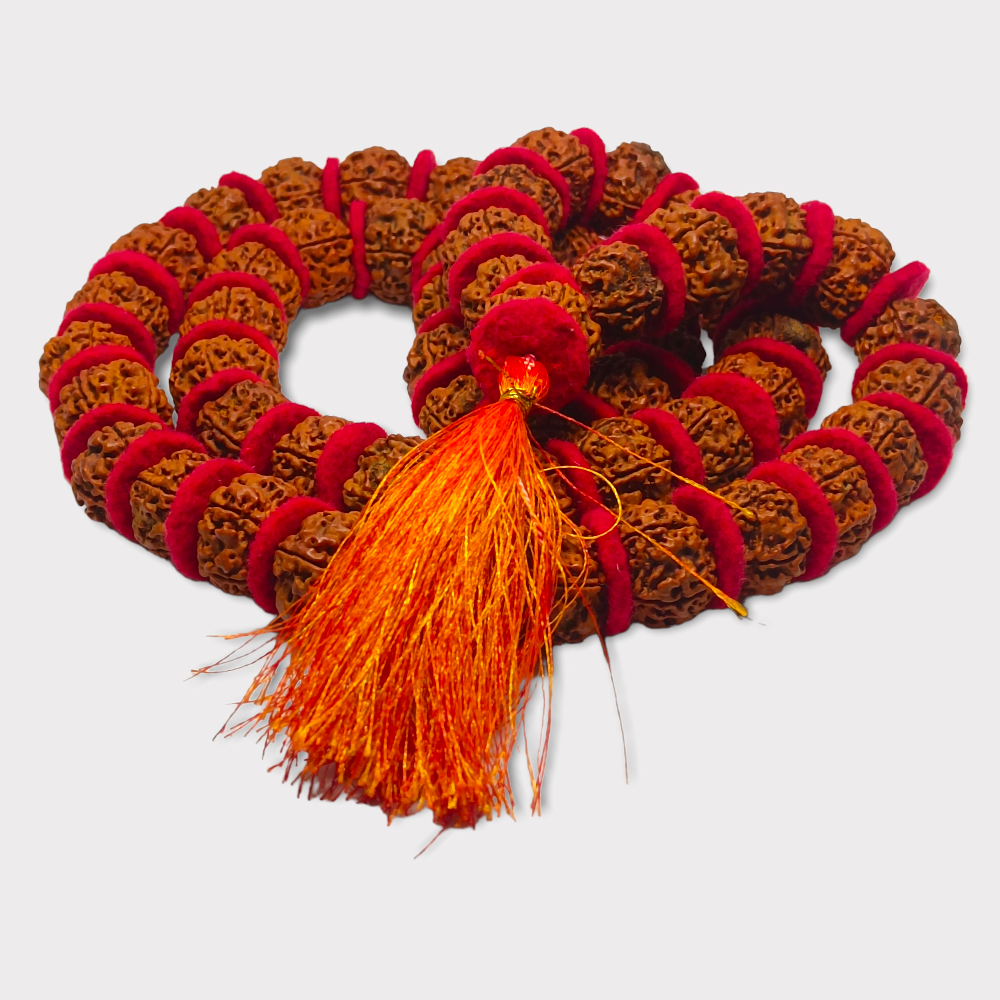
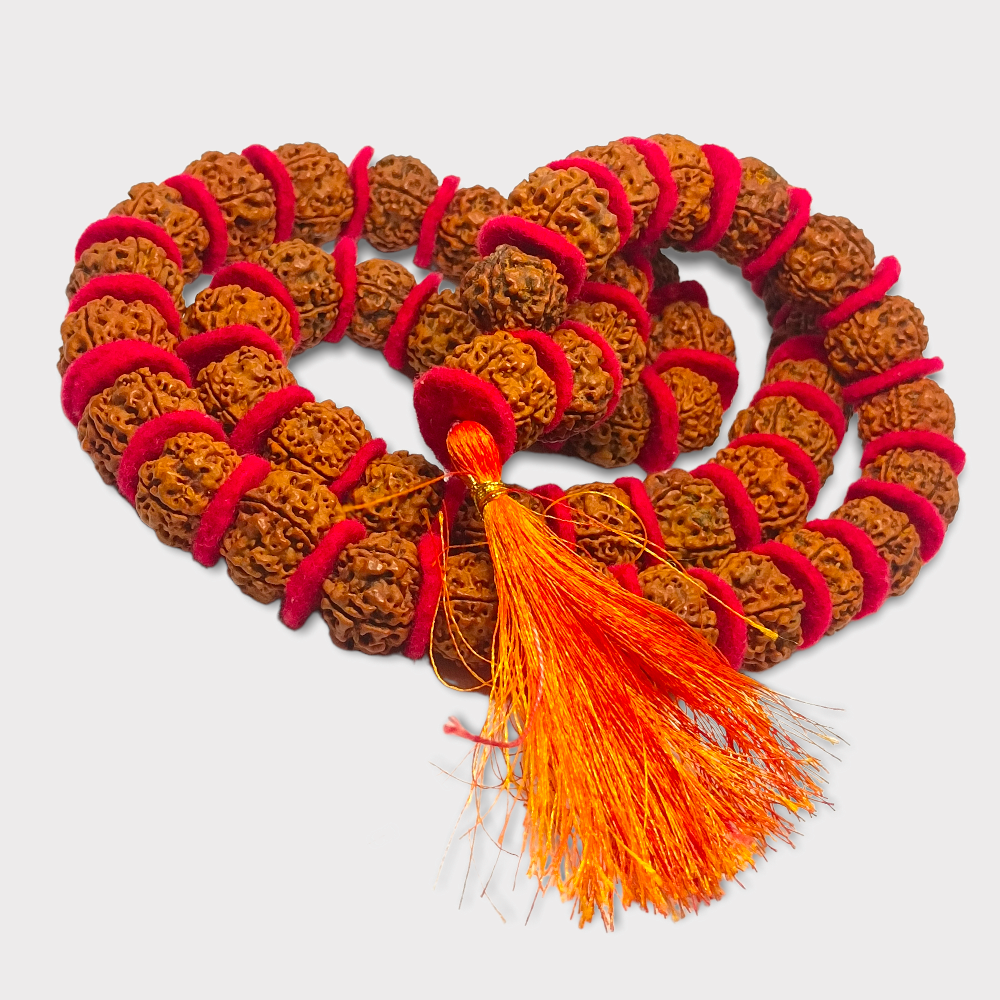
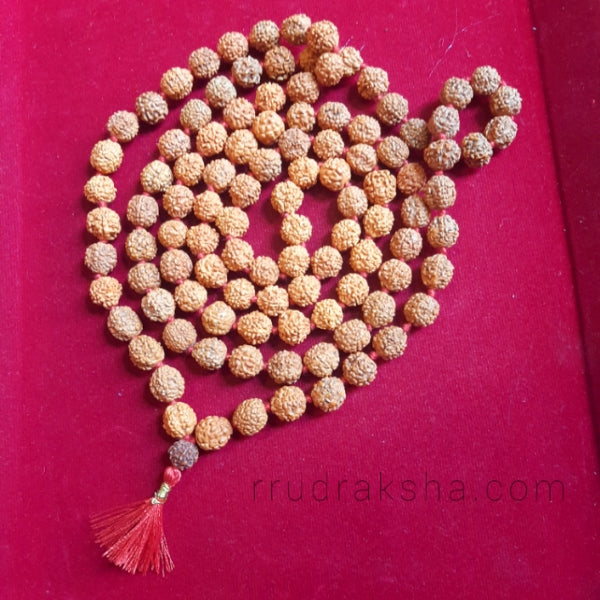
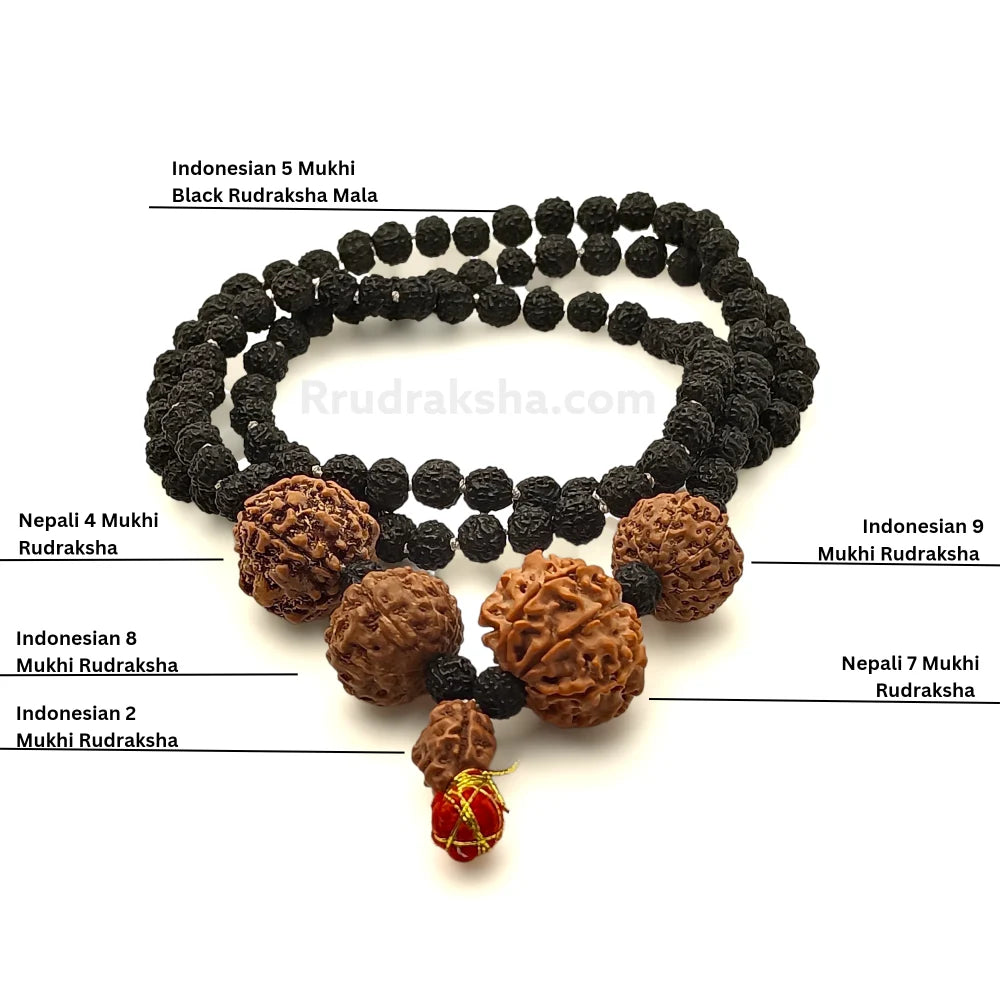
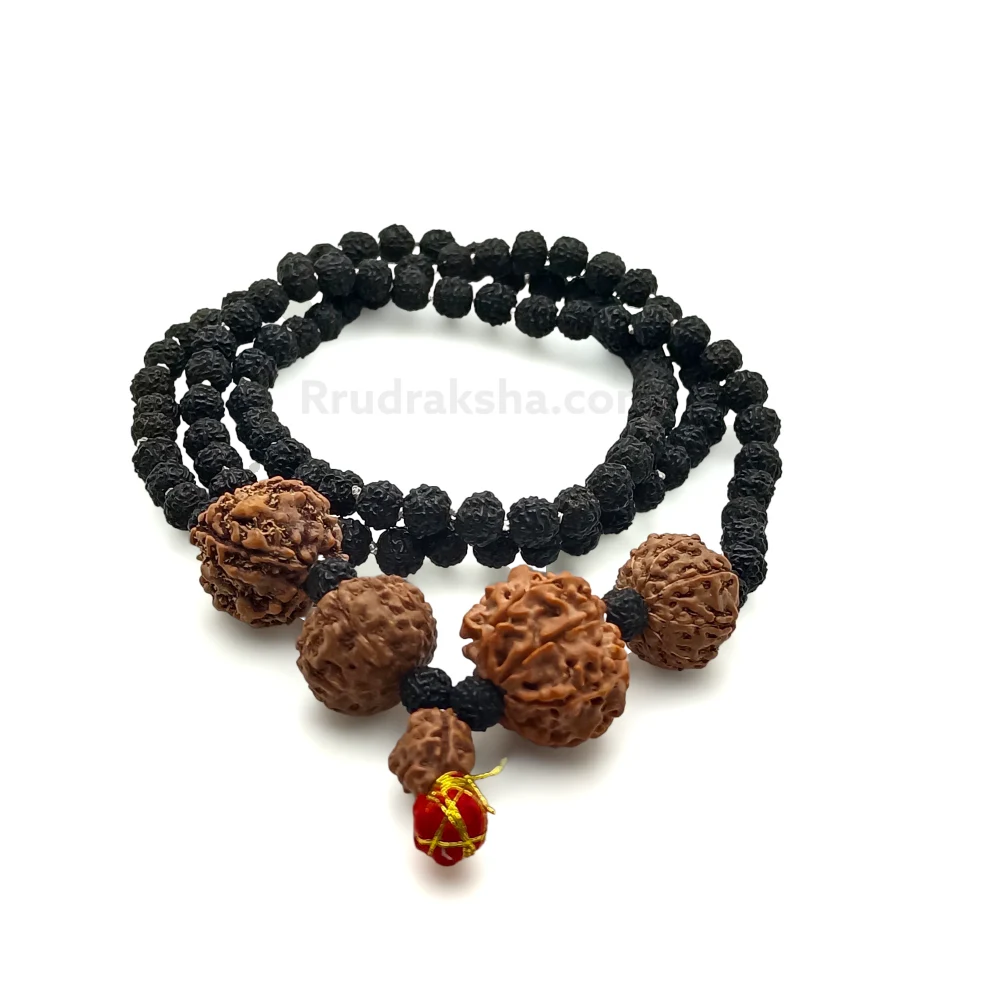
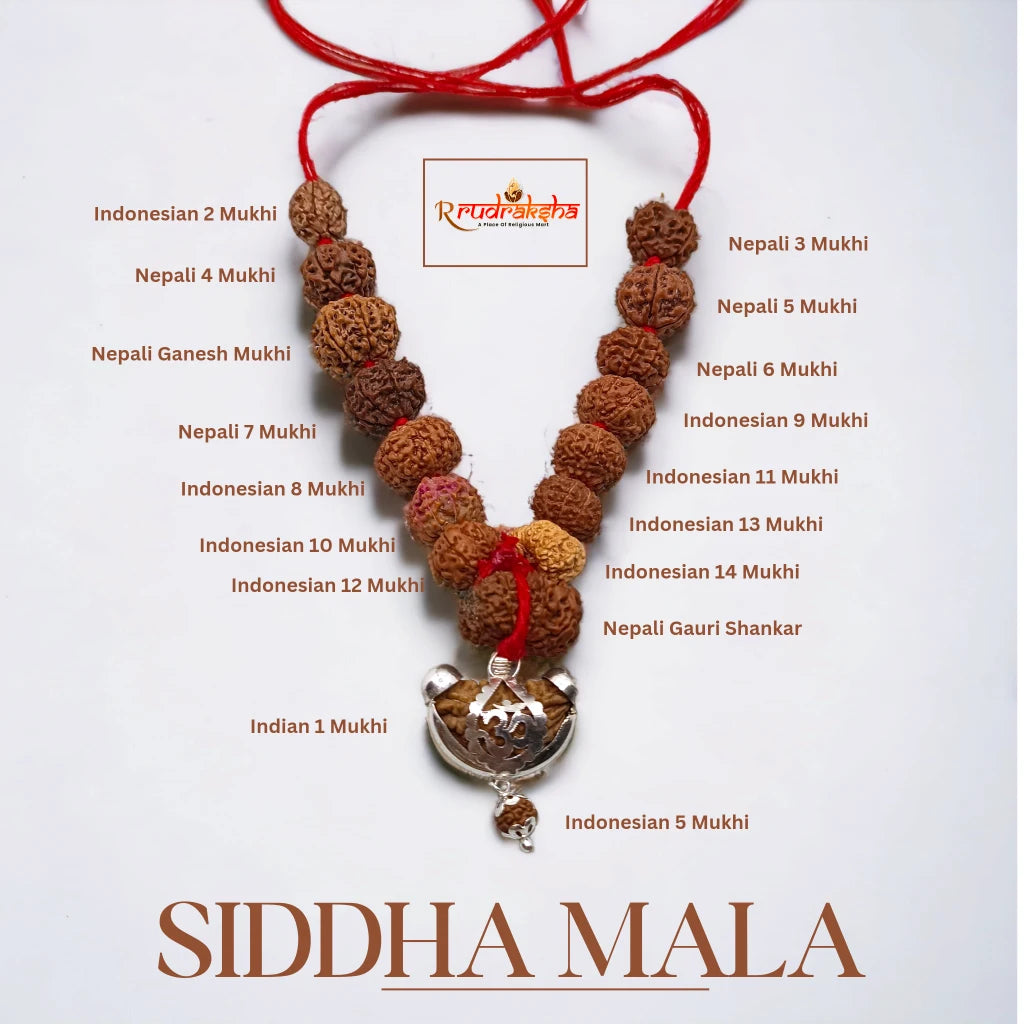
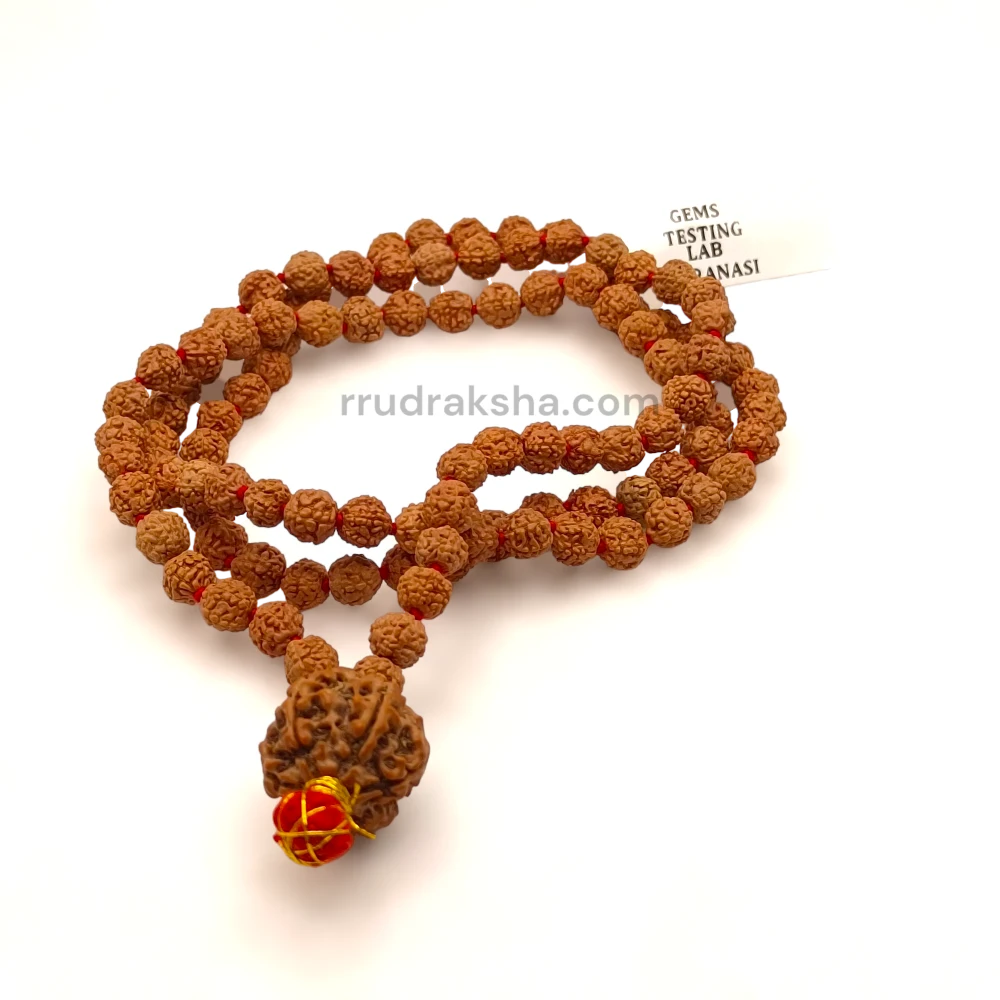
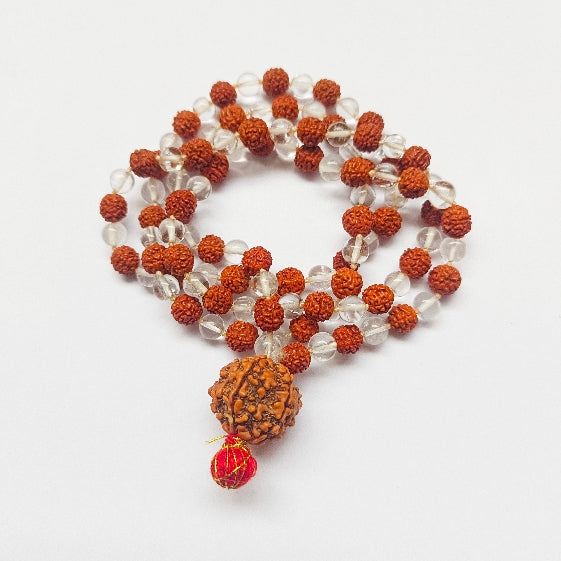
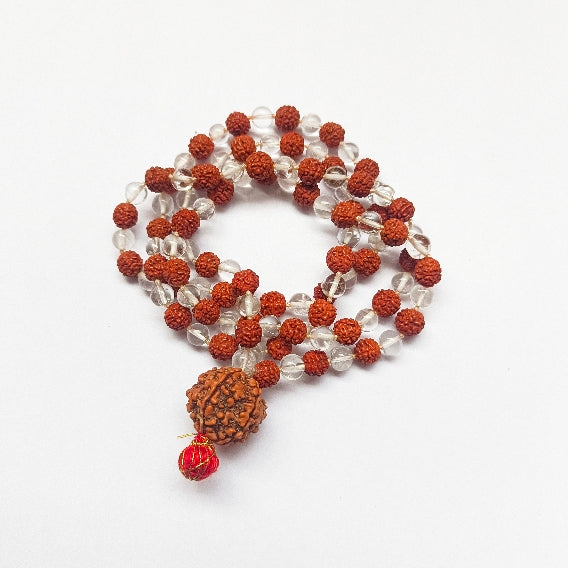
Sahasrara is traditionally located at the crown of the head, symbolizing openness rather than activity. It is not a center to be activated or stimulated, but one that becomes accessible when identification with limited identity gradually loosens. This distinction is critical, as many modern interpretations incorrectly frame the Crown Chakra as a source of extraordinary power or constant bliss. Classical teachings describe it instead as the space where effort subsides and understanding deepens. In such contemplative contexts, repetitive but neutral practices—sometimes supported by a 5 Mukhi Rudraksha mala used for silent japa—are preferred because they encourage steadiness without reinforcing personal ambition.
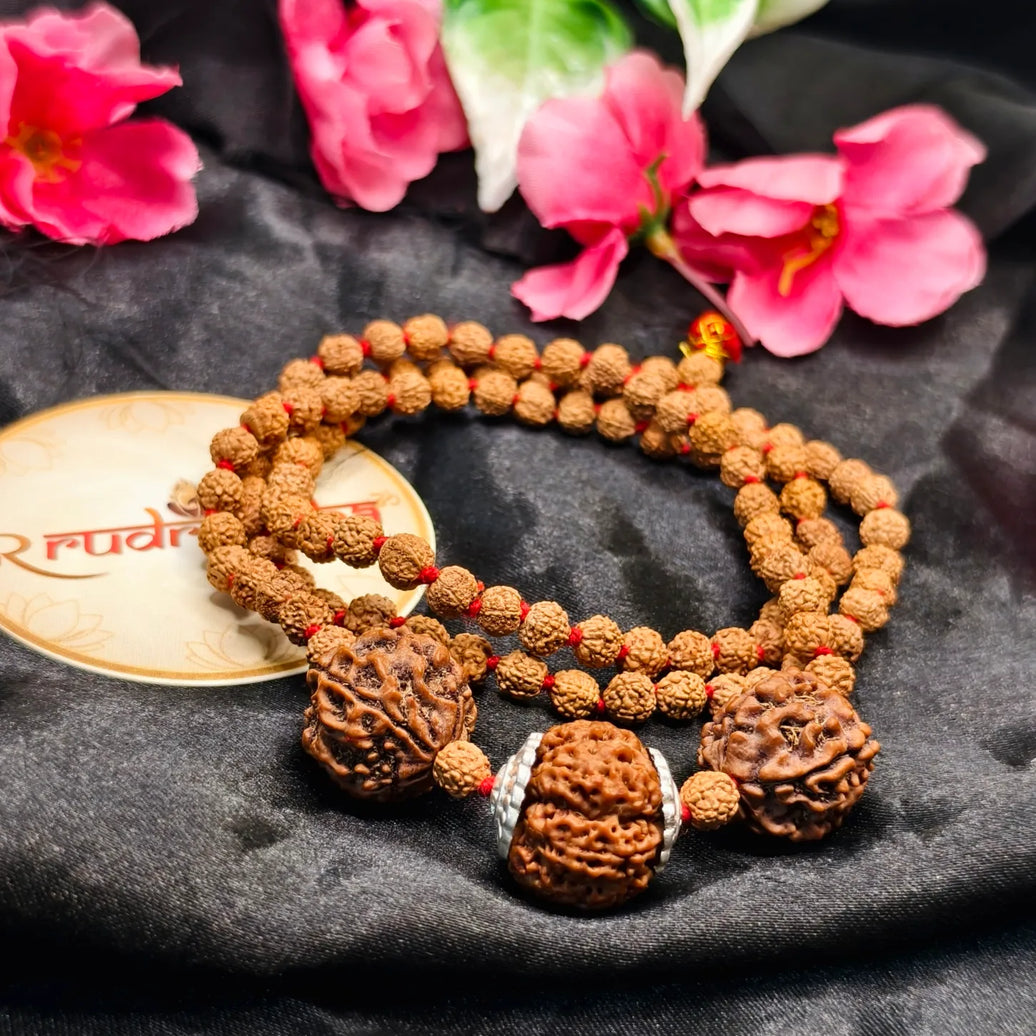
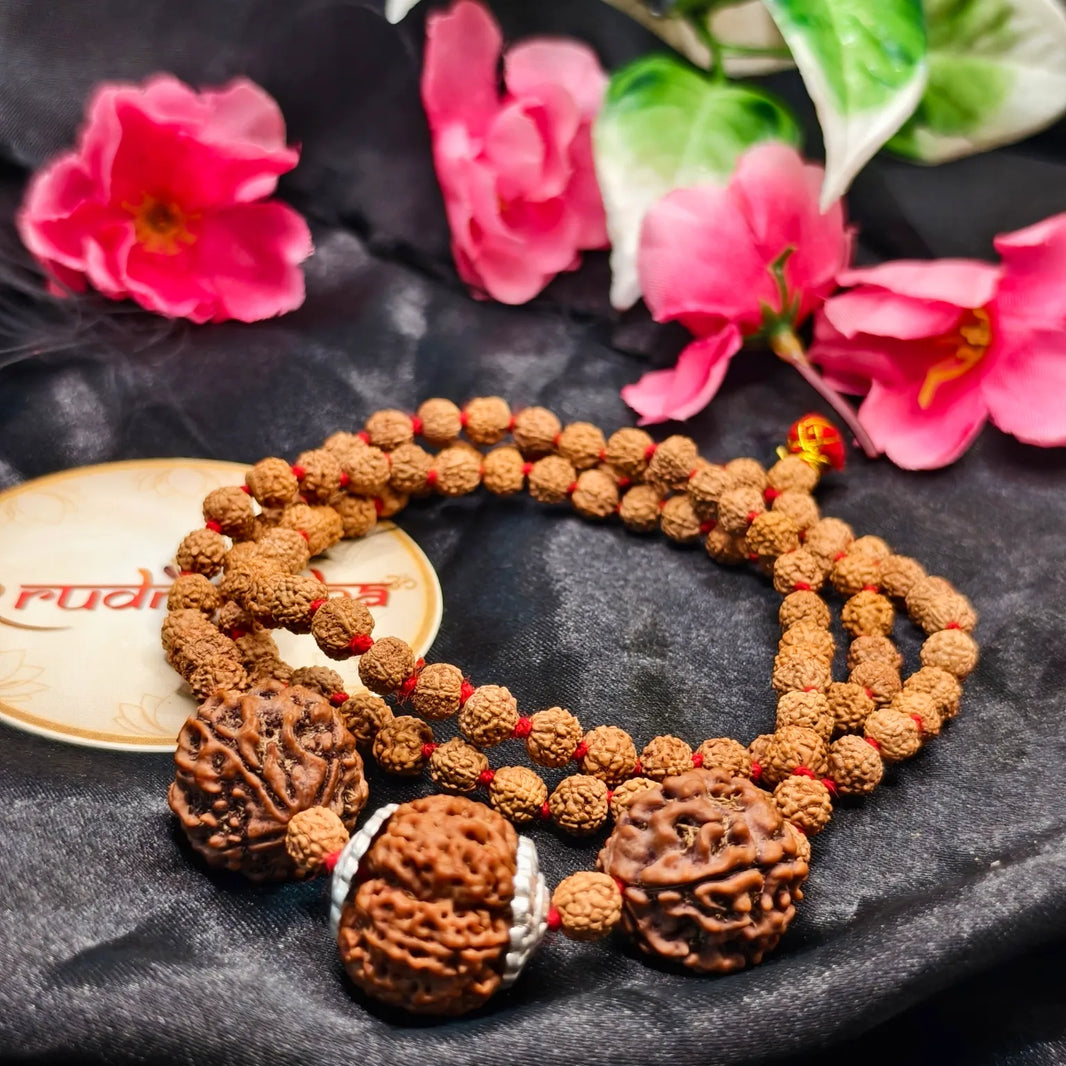
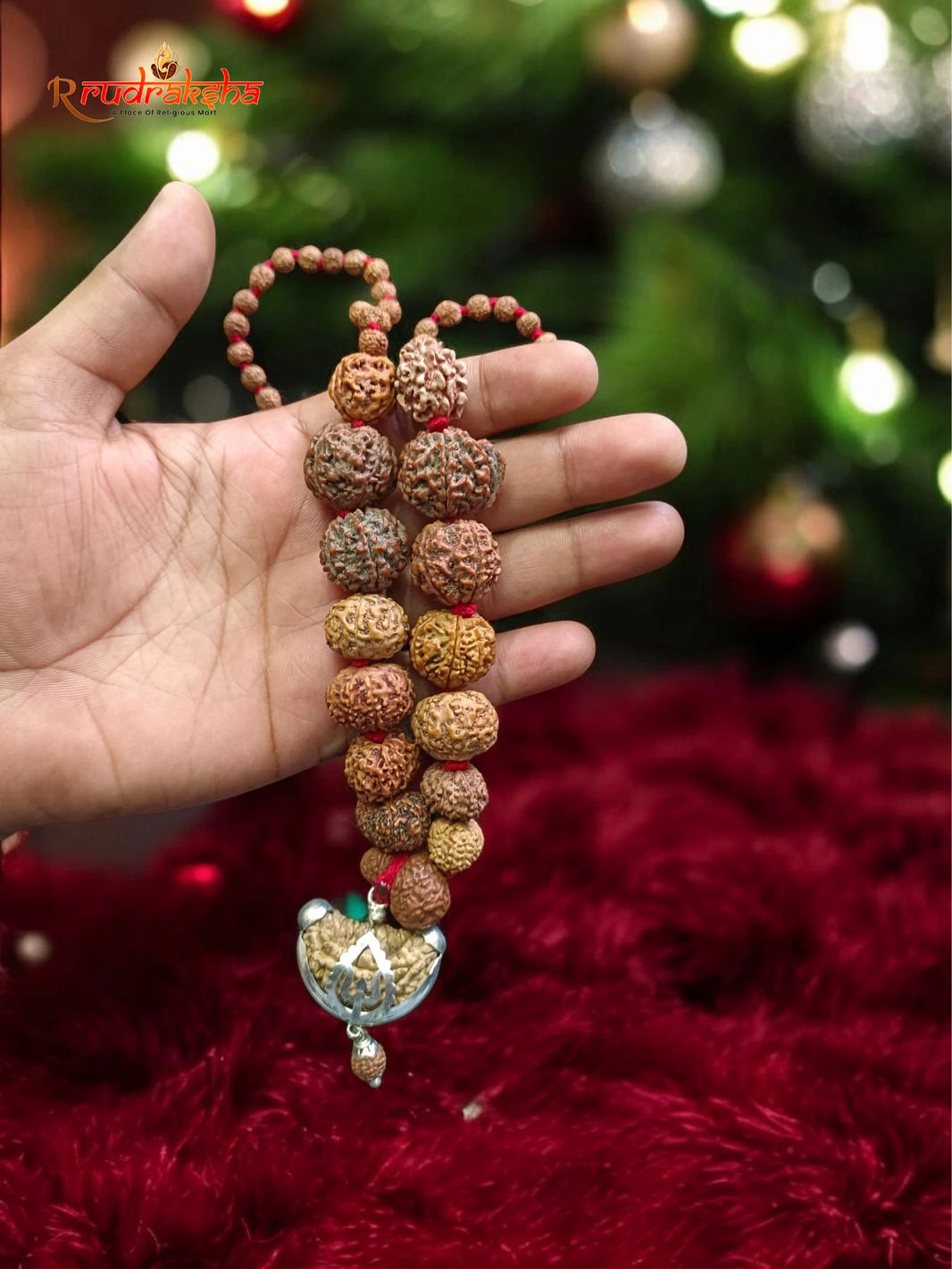
The Crown Chakra is associated with meaning, coherence, and the recognition of interconnectedness. When balanced, it supports a quiet sense of belonging within a larger whole without withdrawing from practical life. Awareness remains engaged with daily responsibilities, yet is no longer confined by them. This balance allows life to be lived fully without being reduced to personal gain or fear. For many practitioners, maintaining this grounded engagement is symbolically reinforced through simple daily reminders, such as wearing a Rudraksha Bracelet for daily awareness, not to elevate consciousness, but to remain integrated while living ordinarily.
🌌 Sahasrara and the Nature of Awareness
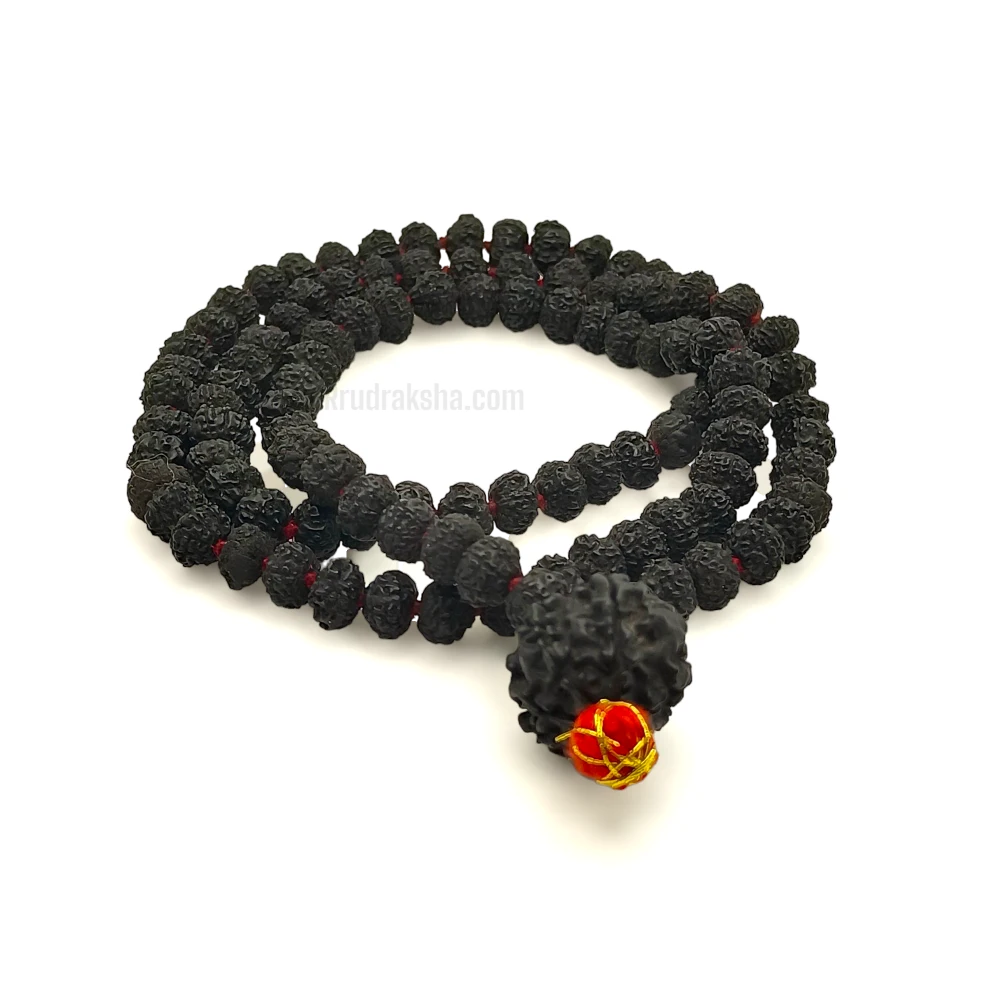
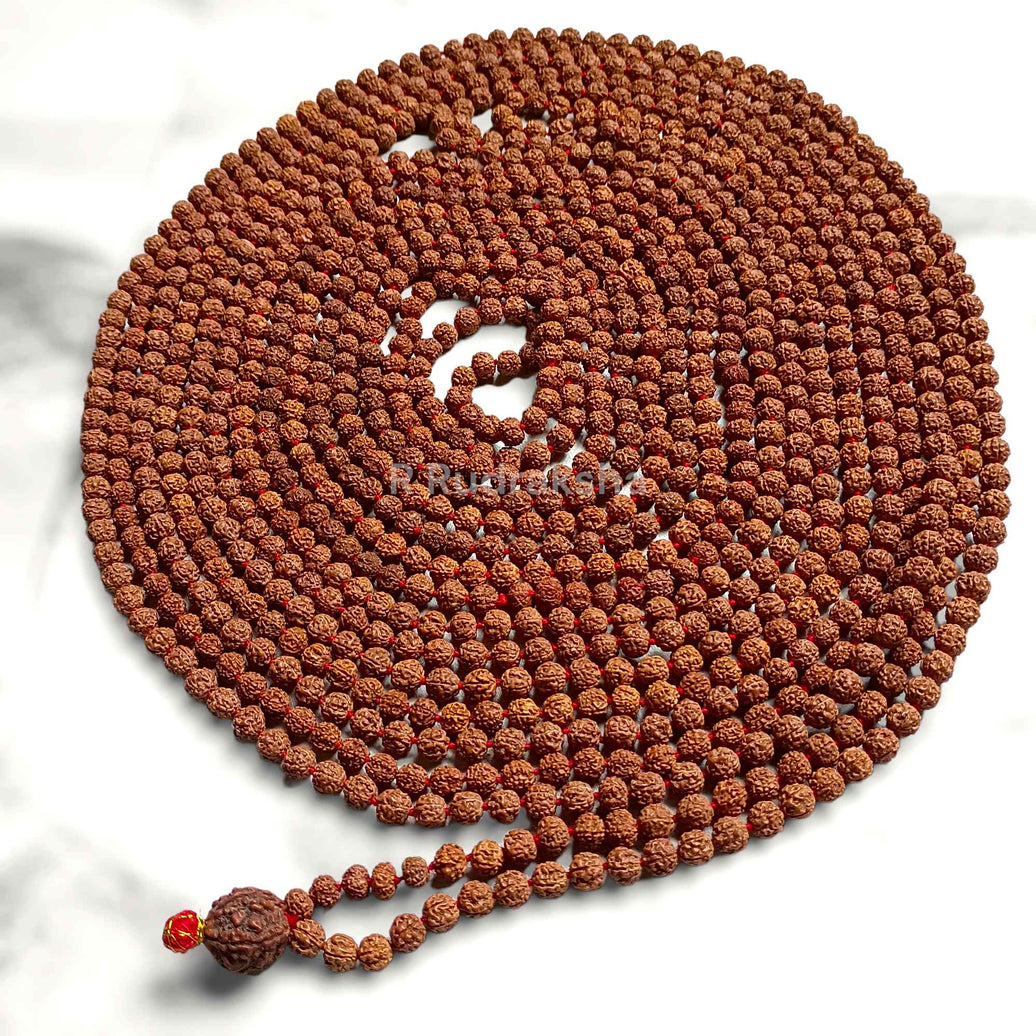
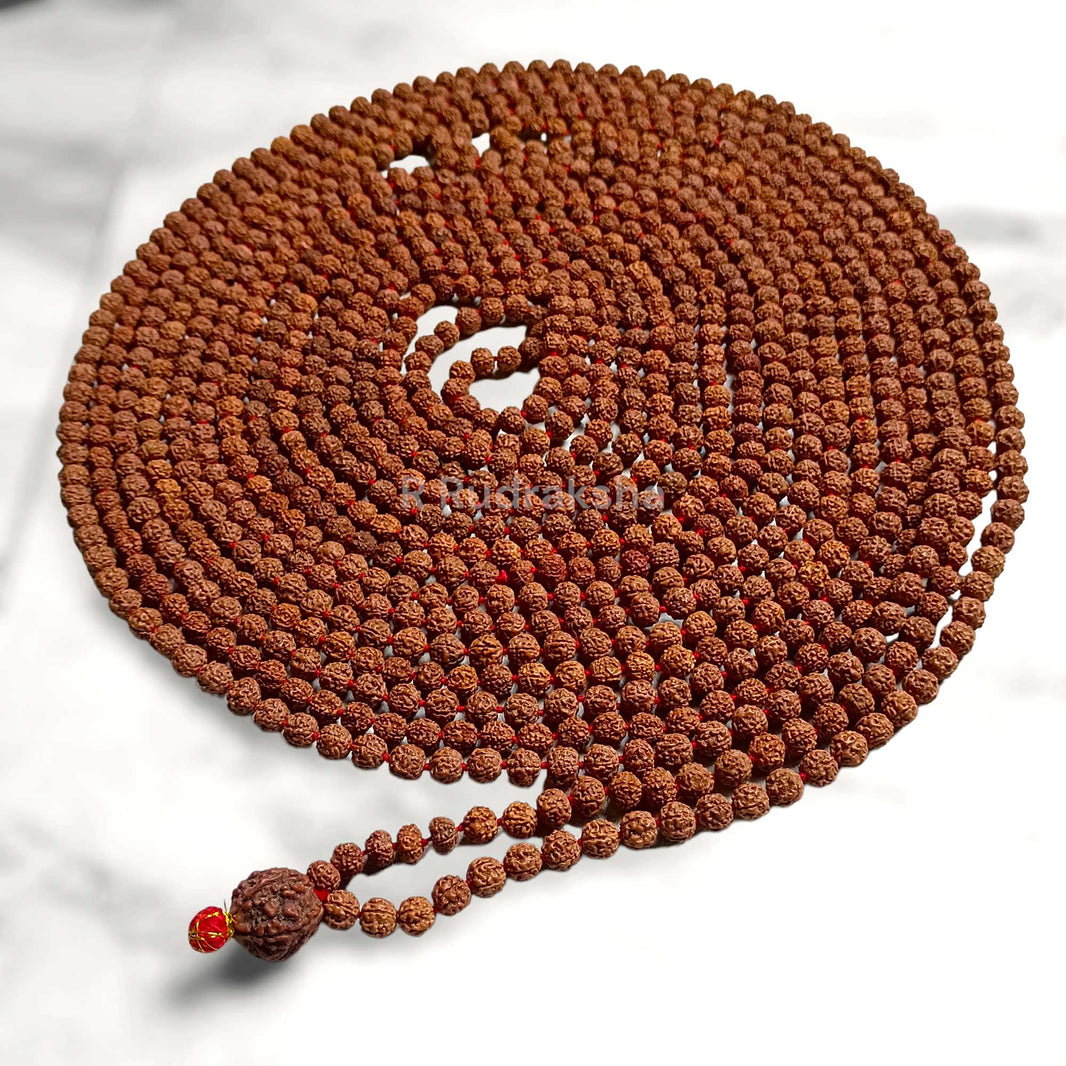
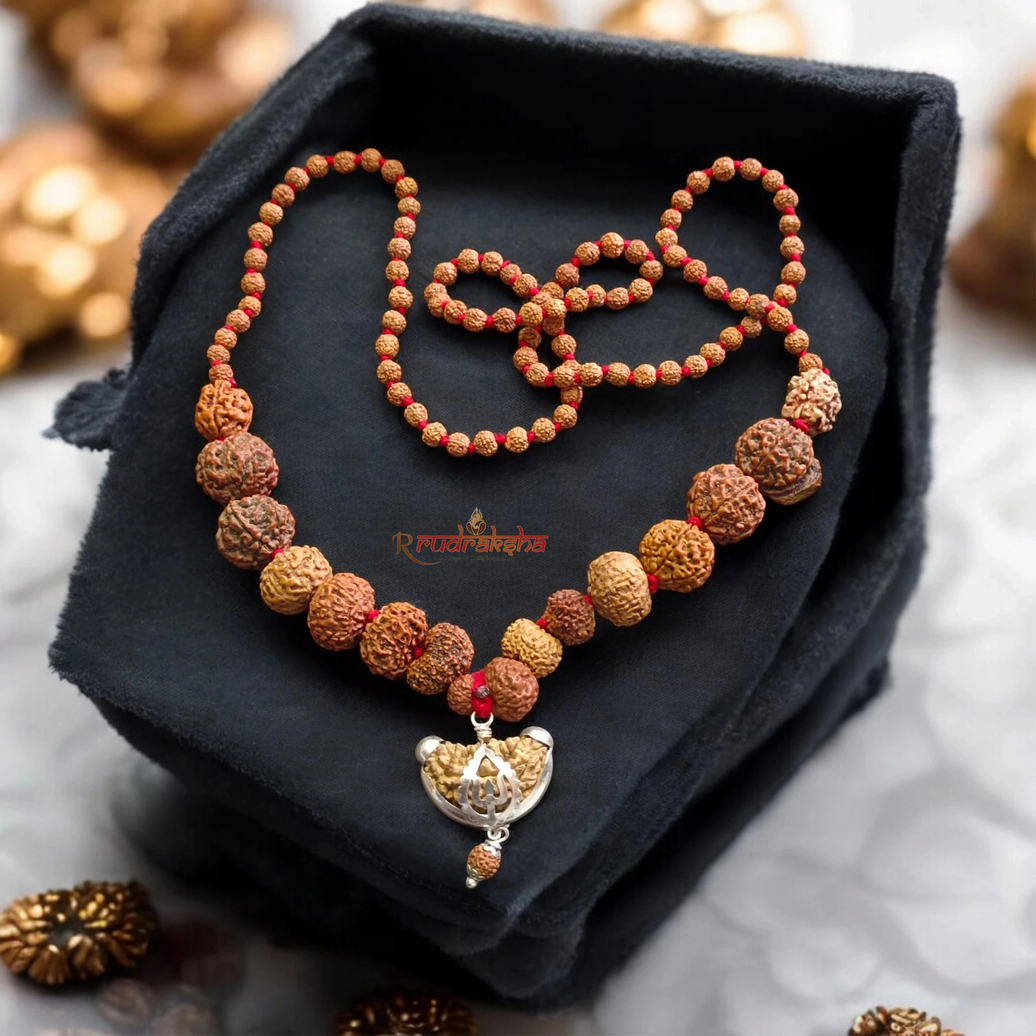
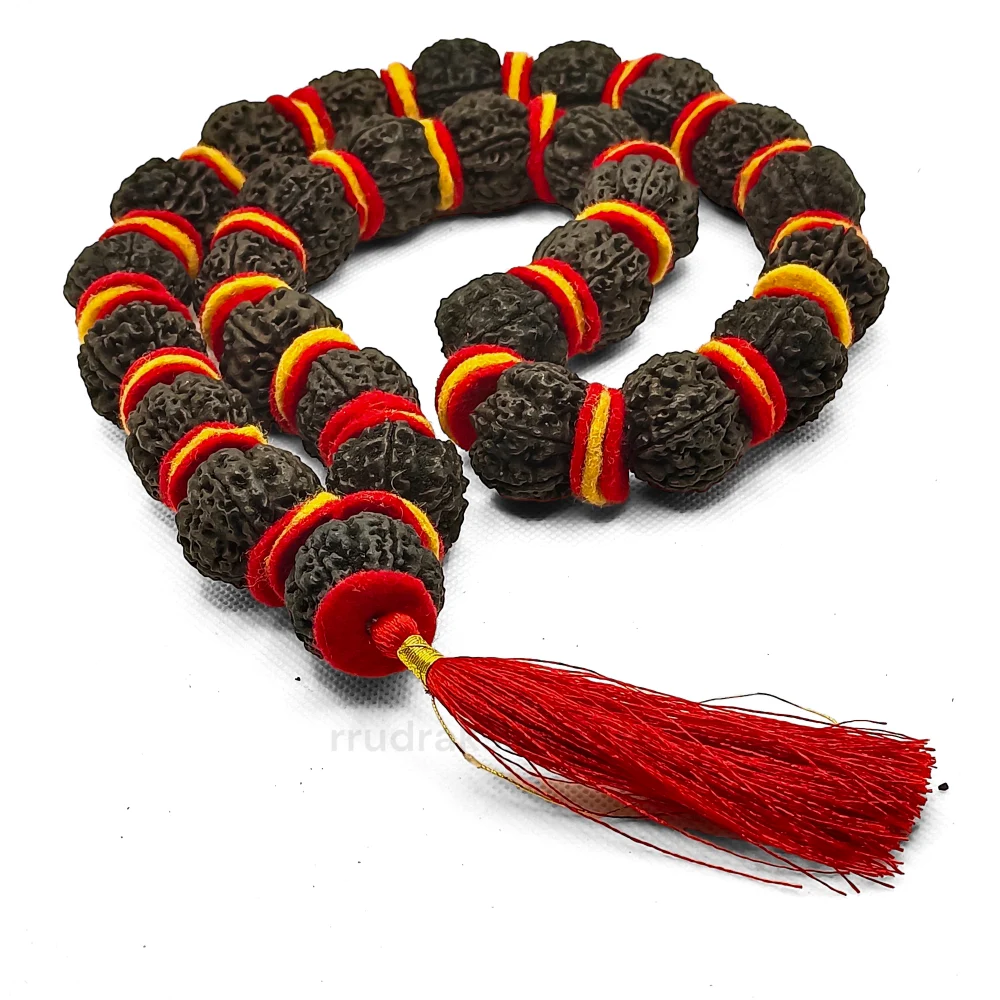
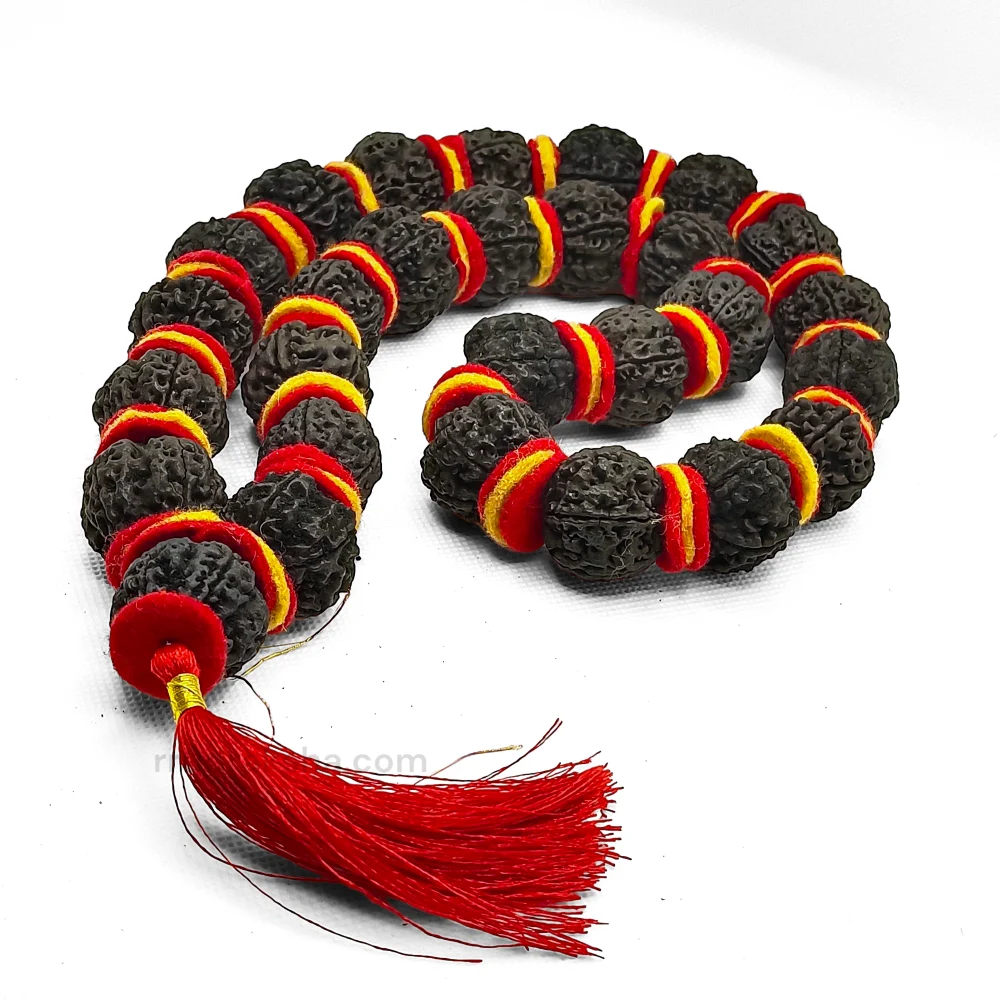
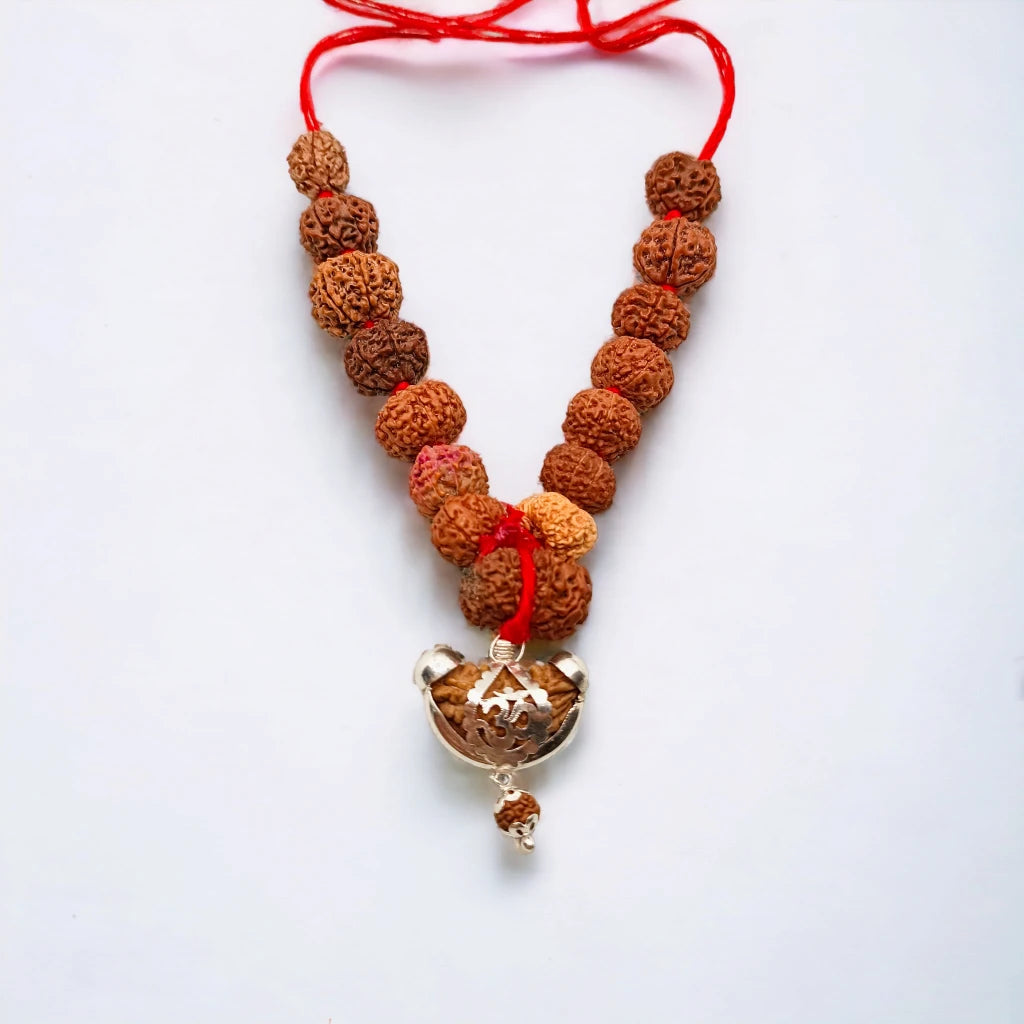
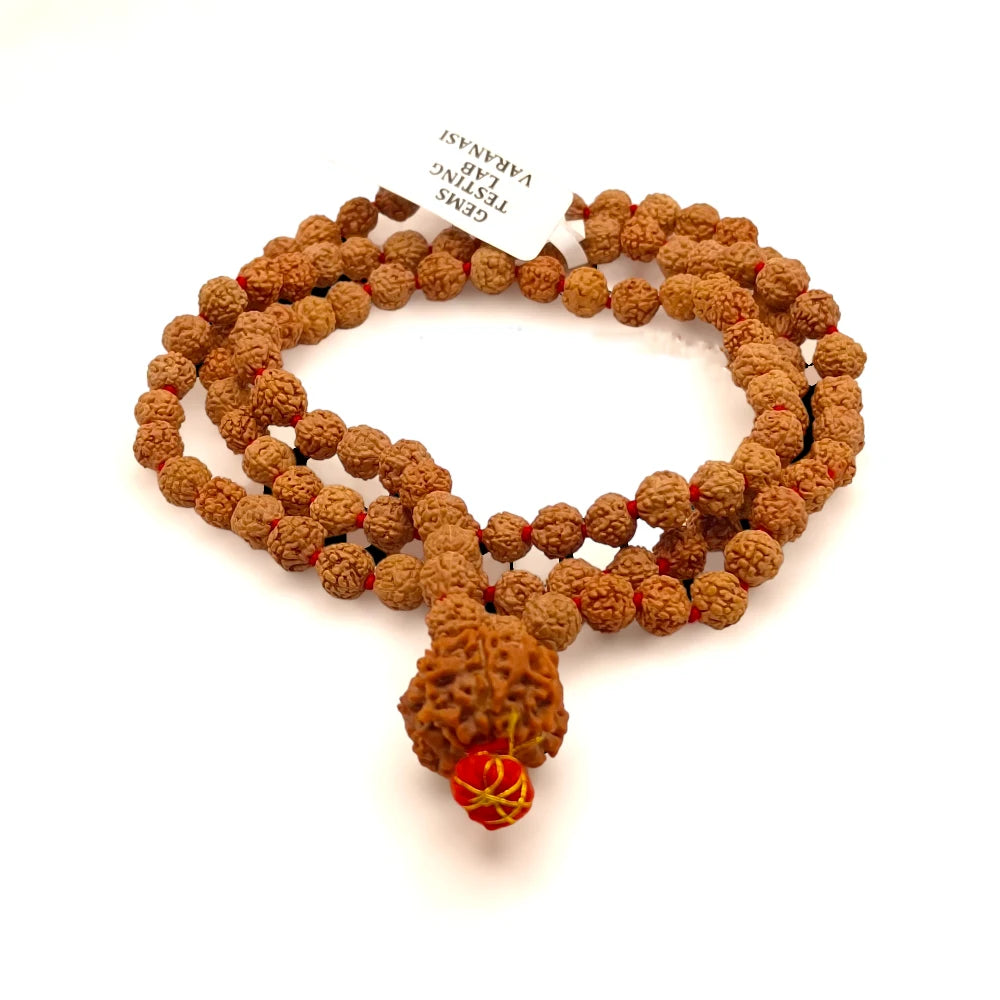
Unlike other chakras, Sahasrara does not operate through energy movement in the conventional sense. It is often described as a state rather than a center—a condition of awareness that emerges when mental noise, emotional reactivity, and compulsive identification gradually quiet down. This is why traditional systems emphasize preparation through the lower chakras before addressing the crown. Awareness here is not achieved; it is revealed when unnecessary effort dissolves. Practices that support steadiness—such as disciplined meditation routines traditionally performed with a Rudraksha mala for contemplation—are valued not for stimulation, but for cultivating consistency, patience, and inner quiet.Awareness at this level is neither outward-focused nor inward-absorbed; it is inclusive. Thoughts, emotions, and perceptions continue to arise, yet they are no longer experienced as defining the self. Instead, they are recognized as transient expressions within a broader field of understanding. This shift does not remove individuality, but it softens its dominance. In such states, symbolic supports associated with neutrality—such as a Sphatik mala used during silent sitting—are sometimes preferred because they reinforce openness without strengthening personal identity or emotional charge.Importantly, Sahasrara is not reached through force or ambition. Attempts to prematurely focus on transcendence often lead to imbalance, detachment, or avoidance of responsibility. Traditional teachings consistently caution that clarity at the crown depends on stability below. Grounded living, ethical conduct, and disciplined awareness are considered prerequisites rather than optional supports. For this reason, many traditions continue to emphasize grounding practices even while exploring higher awareness, occasionally supported by stabilizing tools such as a Rudraksha Kantha mala worn close to the body, symbolizing continuity between inner awareness and lived responsibility.
🧭 Meaning, Surrender, and Inner Orientation
One of the primary functions associated with the Crown Chakra is the experience of meaning. This meaning is not constructed intellectually, nor is it borrowed from belief systems alone. It arises organically when awareness is no longer exclusively centered on personal narratives of success, failure, or control. In traditional contemplative paths, this shift in orientation is often supported by practices that emphasize repetition without expectation—sometimes accompanied by a 5 Mukhi Rudraksha Mala used for reflective japa, symbolizing universality and balance rather than personal ambition.
Surrender, in this context, does not imply passivity or resignation. It reflects a willingness to engage with life without attempting to dominate outcomes. When Sahasrara is balanced, action continues and effort remains, but the psychological burden of constant self-referencing diminishes. Decisions are made with clarity, yet outcomes are accepted without inner resistance. This steadiness is why traditions often associate surrender with simple, consistent disciplines, occasionally reinforced through the quiet presence of a Rudraksha bracelet worn daily as a reminder of inner orientation, rather than as a tool for transformation.
This orientation supports humility without self-negation. Individuals remain capable and responsible, yet no longer experience themselves as isolated agents struggling against existence. Life is approached as participation rather than opposition. Traditional texts describe this state as natural rather than exceptional, emphasizing that it unfolds gradually as understanding matures—often alongside grounded practices that keep awareness integrated with ordinary responsibilities, rather than detached from them.
⚖️ Crown Chakra Balance Versus Escapism
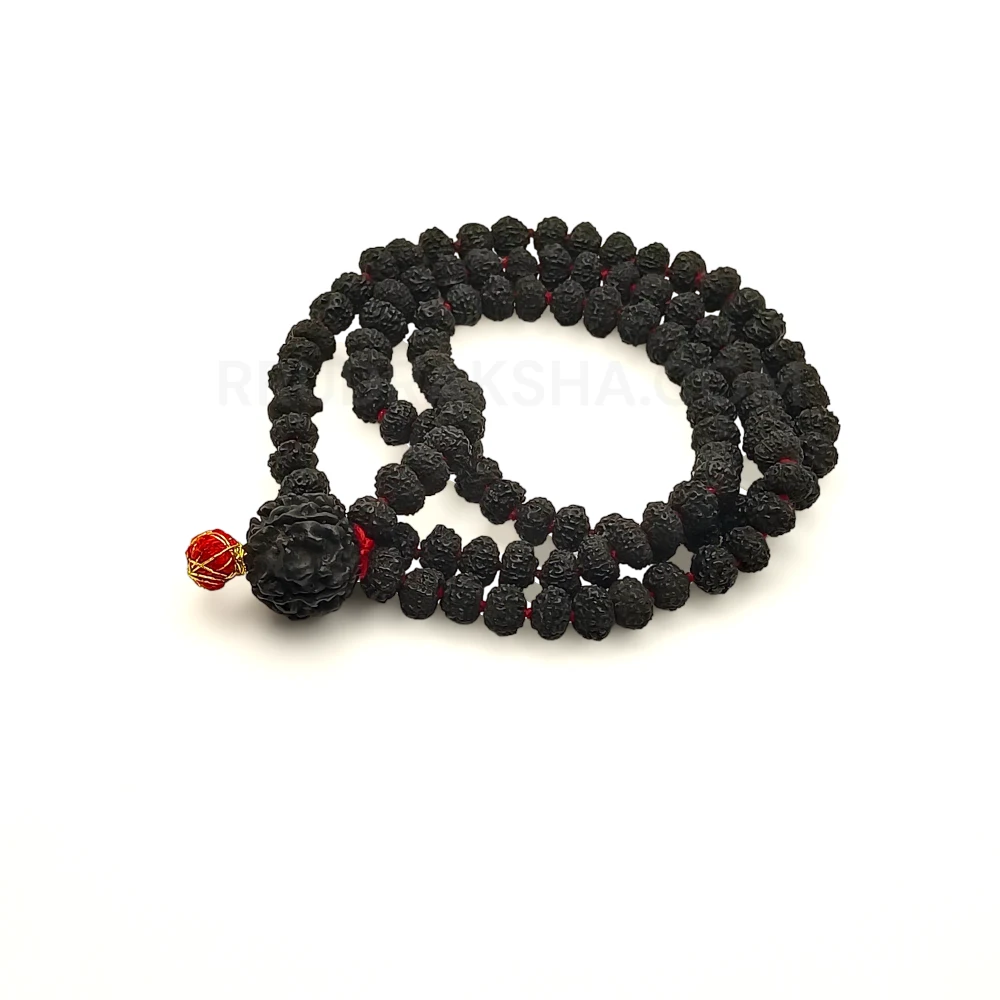
A common misunderstanding surrounding the Crown Chakra is the assumption that spiritual awareness requires disengagement from material life. In reality, imbalance at Sahasrara often appears as escapism rather than insight. This may include avoidance of responsibility, dismissal of practical concerns, or excessive abstraction disconnected from lived experience. Traditional teachings consistently caution against this tendency, emphasizing that higher awareness must remain rooted in disciplined living—often symbolically reinforced through grounding practices supported by a Rudraksha Kantha Mala worn close to the body, representing continuity between inner awareness and external responsibility.
Balanced Sahasrara does not reject the world; it contextualizes it. Daily tasks, relationships, and responsibilities remain meaningful, yet are no longer experienced as absolute determinants of worth or identity. This integration allows spiritual understanding to enhance practical life rather than replace it. For many practitioners, maintaining this balance involves subtle reminders of presence during ordinary activity, such as using a Rudraksha bracelet for daily grounding, not as a spiritual badge, but as a cue to remain engaged without over-identification.
Traditional systems emphasize that true alignment at the crown manifests as simplicity, steadiness, and ethical clarity. There is less compulsion to prove understanding or to seek validation through spiritual identity. Awareness expresses itself quietly, through consistency rather than display. In such contexts, minimalistic tools—like a simple Rudraksha mala used during evening reflection—are valued not for transcendence, but for reinforcing humility and continuity at the end of the day.
🧠 Identity, Belief, and the Subtle Nature of Ego
At the level of the Crown Chakra, the question is no longer about how one thinks, feels, or perceives, but about who is doing the thinking, feeling, and perceiving. Sahasrara gently exposes the structures of identity that usually remain unquestioned. These structures are not removed or rejected; they are seen more clearly. In traditional contemplative settings, this clarity is often supported through neutral, non-stimulating practices—sometimes accompanied by a Sphatik mala used during silent observation, symbolizing transparency without reinforcing personal narratives.
Beliefs play a significant role here. While beliefs can provide orientation and meaning, over-identification with them may limit openness. When awareness becomes rigidly attached to ideologies—spiritual or otherwise—understanding narrows instead of expanding. A balanced Crown Chakra allows beliefs to exist without becoming psychological boundaries. This is why classical systems emphasize inquiry over assertion, occasionally supported by reflective repetition using a 5 Mukhi Rudraksha mala, traditionally associated with balance and universality rather than doctrinal identity.
Traditional teachings describe this process as a refinement rather than a transformation. Identity does not dissolve abruptly; it becomes more flexible. One can hold roles, responsibilities, and values without confusing them with the totality of the self. This flexibility supports humility, curiosity, and a willingness to learn rather than defend. In daily life, this orientation is often reinforced through simple continuity practices, such as wearing a Rudraksha Bracelet as a reminder of grounded awareness, not to signal belief, but to remain attentive without attachment.
🌱 Faith, Inquiry, and Direct Understanding
Faith at the level of Sahasrara is not blind acceptance. It reflects trust in the unfolding of understanding rather than reliance on fixed answers. This trust allows inquiry to remain open-ended, reducing the urgency to conclude or categorize experience prematurely.
Inquiry here is experiential. Instead of asking abstract questions about existence, attention turns toward how experience is interpreted moment to moment. This shift reveals that clarity often arises not from accumulating information, but from noticing what no longer needs to be held so tightly.
In traditional contexts, simple contemplative practices are favored over elaborate techniques. Quiet sitting, reflective observation, or silent repetition are explored not to achieve transcendence, but to cultivate receptivity. Some individuals symbolically associate this receptivity with minimalistic tools—such as Sphatik used during quiet contemplation—not as a means to reach awareness, but as a reminder to remain open and attentive.
🪶 Effort, Non-Effort, and the Maturation of Awareness
One of the defining characteristics of the Crown Chakra is the diminishing role of effort. While effort is essential for stabilizing the lower chakras, Sahasrara matures through non-effort. This does not imply inactivity, but rather the absence of psychological strain. Traditional teachings describe this transition as moving from doing toward being, where awareness rests without constant self-management. In such phases, practitioners often rely on steady, unchanging disciplines—sometimes supported by a Rudraksha mala for long-duration meditation, which encourages consistency without performance or expectation.
When awareness matures, attention no longer needs to be constantly directed or corrected. Thoughts, sensations, and emotions are allowed to arise and pass without interference. This ease is not passive; it reflects confidence in awareness itself. Because this state depends on stability rather than intensity, symbolic supports associated with calm continuity—such as a simple Rudraksha bracelet worn throughout the day—are traditionally valued as reminders to remain present without effort, especially during ordinary activity.
Traditional systems caution against attempting to practice non-effort prematurely. Without grounding and discipline, non-effort can easily become avoidance or disengagement. When approached appropriately, however, it allows life to be experienced with simplicity and depth simultaneously. This is why higher awareness is always paired with disciplined foundations, occasionally reinforced through grounding continuity practices symbolized by a Rudraksha Kantha Mala, representing steadiness that does not require constant attention.
🧩 Integration of Sahasrara into Ordinary Life
The Crown Chakra does not express itself through dramatic experiences or altered states alone. Its presence is most evident in how individuals relate to ordinary circumstances. Tasks are performed with care but without excessive identification, and challenges are addressed without internal resistance. Success and failure gradually lose their capacity to define self-worth. In traditional understanding, this steadiness is cultivated through consistency rather than intensity, which is why quiet daily disciplines—sometimes supported by a Rudraksha Bead worn during routine activity—are associated with maintaining presence without effort or display.
This integration supports resilience. When meaning is no longer dependent on external validation, inner stability increases. Life’s fluctuations are met with adaptability rather than reaction, allowing engagement without entanglement. Such balance is sustained not through withdrawal, but through grounded participation. Many traditions therefore emphasize remaining anchored in responsibility, occasionally symbolized by wearing a Rudraksha Kantha mala, reinforcing continuity between awareness and everyday obligations.
In daily life, reminders of this orientation are often understated. Some individuals maintain a sense of continuity through simple routines or symbolic practices that reinforce humility and presence. These supports function not as solutions, but as quiet acknowledgments of a broader perspective. In reflective contexts, minimalistic tools—such as a Sphatik mala used during evening reflection—are valued for their neutrality, helping awareness settle without reinforcing identity or expectation.
⚖️ Imbalance at the Crown: Spiritual Bypassing vs Material Fixation
Imbalance at the level of Sahasrara often appears in subtle and contrasting ways. One extreme is spiritual bypassing, where abstract ideas of awareness or surrender are used to avoid unresolved emotional, relational, or practical responsibilities. In this state, individuals may speak of transcendence while remaining disconnected from the realities of daily life. Traditional teachings respond to this imbalance not by encouraging higher practices, but by reinforcing embodiment—often symbolized through grounded continuity practices such as wearing a Rudraksha Kantha mala, which represents responsibility and presence rather than escape.
The opposite imbalance manifests as material fixation. Here, meaning is sought exclusively through achievement, possession, or identity roles, with little space for reflection or broader perspective. While this orientation may appear practical, it often lacks coherence during uncertainty or loss, as meaning remains externally dependent. In reflective traditions, this fixation is softened by introducing pauses for contemplation—sometimes supported by a Sphatik crystal mala used during quiet reflection, helping awareness step back from constant evaluation without rejecting worldly engagement.
Balanced Sahasrara does not favor one extreme over the other. It allows material engagement to coexist with reflective awareness. Traditional systems emphasize integration, reminding practitioners that clarity at the crown stabilizes life below rather than replacing it. For many, this balance is sustained through simple daily disciplines reinforced by a Rudraksha Bracelet worn during everyday activity, serving as a subtle reminder that awareness and responsibility are not separate domains.
🔗 Sahasrara and the Integration of All Chakras
The Crown Chakra does not function independently. It reflects the cumulative balance of the entire chakra system. Stability at Muladhara, emotional maturity at Svadhisthana, disciplined power at Manipura, discernment at Anahata, clarity at Vishuddha, and perception at Ajna collectively support Sahasrara’s maturation. For this reason, traditional systems emphasize working through the foundations first—often supported by stabilizing tools such as a Rudraksha Jaap Mala which symbolically represents continuity and discipline across all stages of inner development.
When lower centers are neglected, attempts to emphasize the crown often lead to fragmentation rather than wholeness. This is why traditional teachings consistently approach Sahasrara last. It unfolds naturally when foundational aspects of life—routine, responsibility, emotional balance, and clarity—are already in place. In practice, many traditions maintain this foundation through steady, embodied reminders like a Rudraksha Kantha mala, reinforcing the idea that higher awareness must remain rooted in lived responsibility rather than abstract pursuit.
This integration ensures that awareness remains embodied. Spiritual understanding is expressed through ethical conduct, patience, and humility rather than abstraction. The crown becomes not a destination, but a quiet continuity running through all aspects of experience. In such integrated states, minimalistic supports—such as a Sphatik mala used during reflective meditation—are valued for maintaining clarity without disrupting balance or drawing attention away from daily life.
❓ Frequently Asked Questions (FAQs)
What does the Crown Chakra represent?
The Crown Chakra represents expanded awareness, meaning, and connection beyond limited identity. It reflects how experience is understood rather than how energy is expressed.
Is Sahasrara associated with constant bliss?
No. Traditional teachings describe it as clarity and acceptance, not continuous pleasure or emotional elevation.
Can the Crown Chakra be activated intentionally?
Sahasrara is not activated through effort. It unfolds gradually when awareness matures and lower chakras are balanced.
What causes Crown Chakra imbalance?
Imbalance may arise from spiritual bypassing, excessive abstraction, or neglect of practical responsibilities and emotional grounding.
Does Sahasrara require detachment from daily life?
No. Balanced Sahasrara supports engagement with life without excessive identification or resistance.
Why is the Crown Chakra addressed last?
Because it depends on the stability and maturity of all other chakras. Addressing it prematurely often leads to imbalance.
Is faith important for Crown Chakra balance?
Faith here refers to openness and trust in understanding, not adherence to rigid belief systems.
How does Sahasrara affect decision-making?
It provides perspective, allowing decisions to be made without excessive attachment to outcome or identity.
Can meditation alone balance the Crown Chakra?
Meditation supports awareness, but balance depends equally on disciplined living and ethical clarity.
How long does it take to experience Crown Chakra balance?
There is no fixed timeline. It develops gradually as understanding integrates into daily life.
🧘 Conclusion ✨
Awareness as Integration, Not Escape
The Crown Chakra represents the natural maturation of awareness rather than an extraordinary achievement. Sahasrara does not elevate individuals above life; it allows life to be lived with coherence, humility, and depth. When balanced, meaning is no longer dependent on control, certainty, or validation.
Traditional systems consistently emphasize that true spiritual maturity is quiet. It expresses itself through steadiness, ethical conduct, and openness to experience rather than dramatic realization. The Crown Chakra completes the chakra system not by surpassing it, but by integrating it fully.
In this way, Sahasrara reflects the essence of the entire journey: awareness that remains present, engaged, and grounded while no longer confined by narrow identity.
🙏 हर हर महादेव 🙏





Leave a comment