




Maa Tara Tarini Shakti Peeth: Story, Significance, History & Complete Guide 🌺✨
In the sacred geography of Devi worship, some Shakti Peeths are known for their fierce power, while others are known for their nurturing protection. Maa Tara Tarini is deeply respected as a Shakti center where devotees feel a unique blend of strength and compassion—like a mother who protects with both love and authority.
Tara Tarini is not simply a temple name; it is a spiritual identity. The words themselves carry meaning: “Tara” is often associated with protection, guidance, and crossing over difficulties, while “Tarini” is understood as the one who helps devotees move beyond fear and struggle. Together, Tara Tarini becomes a powerful symbol of the Divine Feminine who leads the devotee from chaos toward clarity.
In this complete guide, we will explore Maa Tara Tarini Shakti Peeth meaning, its mythological connection to Shakti Peeth tradition, spiritual significance, cultural importance, symbolic meaning of Tara Tarini worship, the Bhairav connection (where applicable in Shakti traditions), and FAQs that answer the most searched questions. This blog is written in a responsible tone with belief-based language—beginner-friendly but deep enough for advanced readers.
What is Maa Tara Tarini Shakti Peeth? (Simple Meaning) 🌺
Maa Tara Tarini Shakti Peeth is a revered Devi worship center linked to Shakta tradition and the sacred Shakti Peeth concept. Devotees worship Maa Tara Tarini as a form of the Divine Mother who guides, protects, and strengthens devotees through life’s uncertainties.
What makes Tara Tarini spiritually special is the way the name itself reflects devotion. Tara is often understood as the one who helps “carry” devotees beyond fear, while Tarini is the one who “saves” and guides them. This combined symbolism creates a devotional identity that feels both protective and transformative.
For beginners, the simplest understanding is this: Tara Tarini is a Shakti center where devotees feel Devi’s protection, strength, and guidance through belief-based worship and timeless spiritual symbolism.
Why Tara Tarini is Considered a Shakti Peeth 🕉️
The concept of Shakti Peeths is deeply connected with the mythological story of Sati and Shiva. In traditional belief, Shakti Peeths are sacred locations formed after the events of Daksha Yagna, Sati’s sacrifice, and Shiva’s cosmic grief, where parts of Sati’s body or ornaments are believed to have fallen.
Tara Tarini is widely respected as a Shakti Peeth in popular devotion and regional Shakta traditions. While different sources may present Shakti Peeth lists with slight variations, Tara Tarini’s place as a powerful Devi center is widely recognized and emotionally significant for devotees.
In belief-based devotion, Shakti Peeths represent concentrated centers of Devi presence, where worship feels spiritually alive. Tara Tarini fits this identity strongly because it is revered not only as a temple, but as a sacred space of protection and transformation.
The Mythological Story Behind Maa Tara Tarini Shakti Peeth 📖
Like other Shakti Peeths, Tara Tarini is understood within the broader Shakti Peeth origin narrative. This origin begins with the story of Daksha Yagna, where Shiva was disrespected and Sati faced intense humiliation.
In belief-based mythology, Sati’s sacrifice in the yagna fire led to Shiva’s deep grief. Shiva carried Sati’s body and entered the cosmic state of Rudra Tandava, disturbing the balance of the universe. Vishnu intervened to restore order, and sacred locations formed across the land where parts or ornaments fell. These places became known as Shakti Peeths.
This larger story carries an important spiritual message: Shakti is never destroyed. Even through loss, pain, and cosmic disturbance, the Divine Feminine spreads into the world as sacred power. Tara Tarini is understood as one such sacred manifestation of Devi’s presence—symbolically guiding devotees across life’s hardships.
Spiritual Meaning of “Tara Tarini”: Devi as Guide and Protector ✨
One of the deepest strengths of Tara Tarini worship is its symbolism. The word “Tara” is often connected with rescue, guidance, and protection. The word “Tarini” is often interpreted as the one who helps devotees cross over difficulties and move beyond suffering.
Spiritually, this symbolism creates a powerful devotional idea: Devi is not only worshipped as a distant goddess. She is worshipped as a guiding force—one that helps the devotee rise above fear, confusion, and emotional struggle.
In belief-based devotion, Tara Tarini worship supports the devotee’s inner stability. It reminds the devotee that life challenges are real, but Shakti is stronger. And when devotion becomes sincere, the mind becomes calmer and more courageous.
Maa Tara Tarini’s Spiritual Significance in Shakta Tradition 🕉️
In Shakta tradition, the Divine Feminine is not only worshipped as a blessing giver. She is worshipped as the energy that transforms life. Tara Tarini represents this transformative Shakti in a deeply compassionate form.
Many devotees connect with Tara Tarini when they feel uncertain or emotionally weak. They do not necessarily come only for desires or wishes. They come for strength, stability, and protection. In belief-based understanding, Tara Tarini worship supports inner courage and clarity.
This is why Tara Tarini is often remembered as a motherly Shakti form: loving, protective, yet powerful. A form that encourages the devotee to trust, to grow, and to walk forward even when life feels heavy.
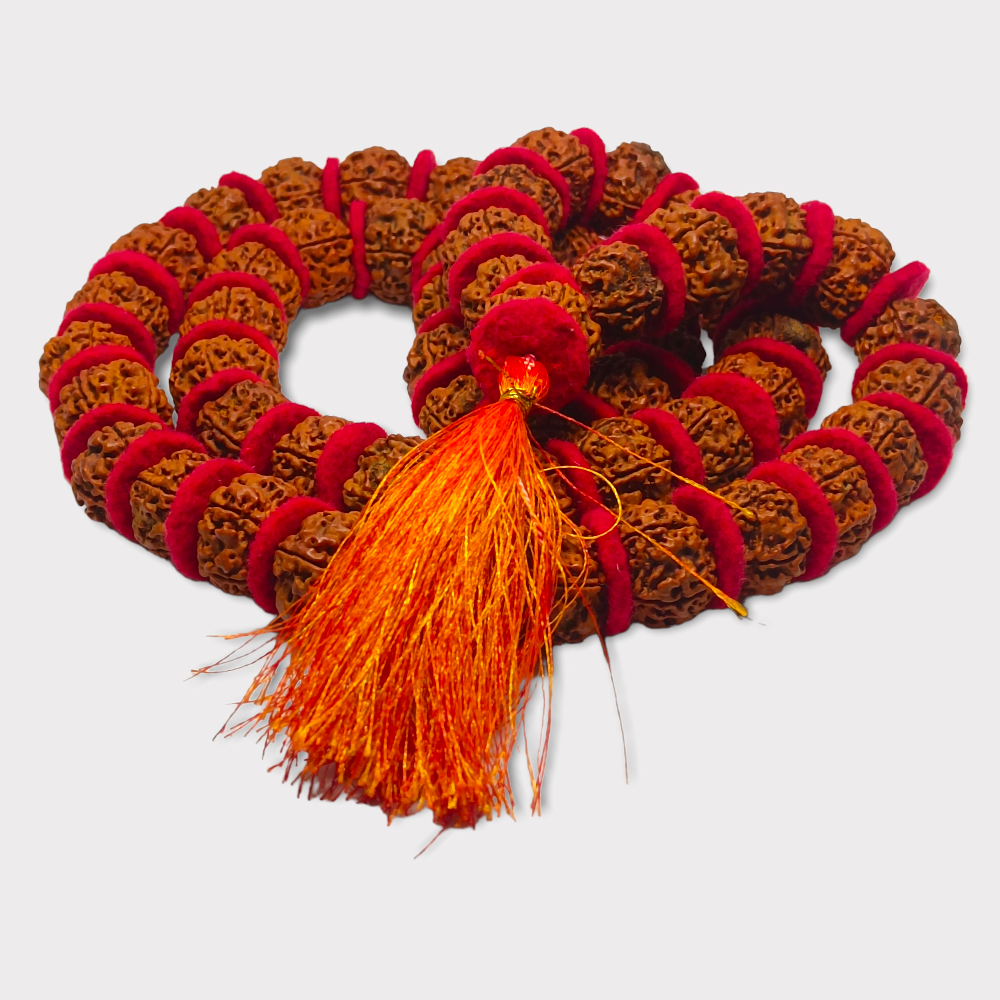
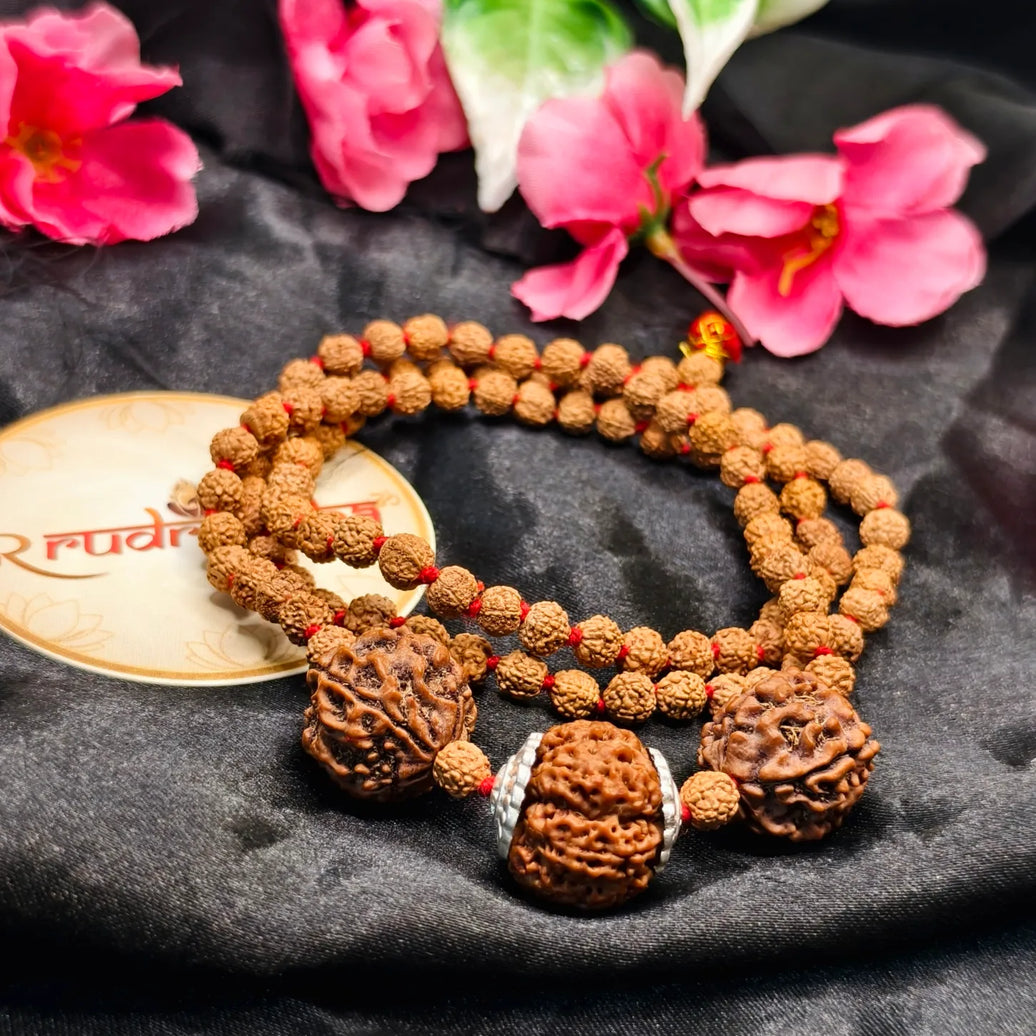
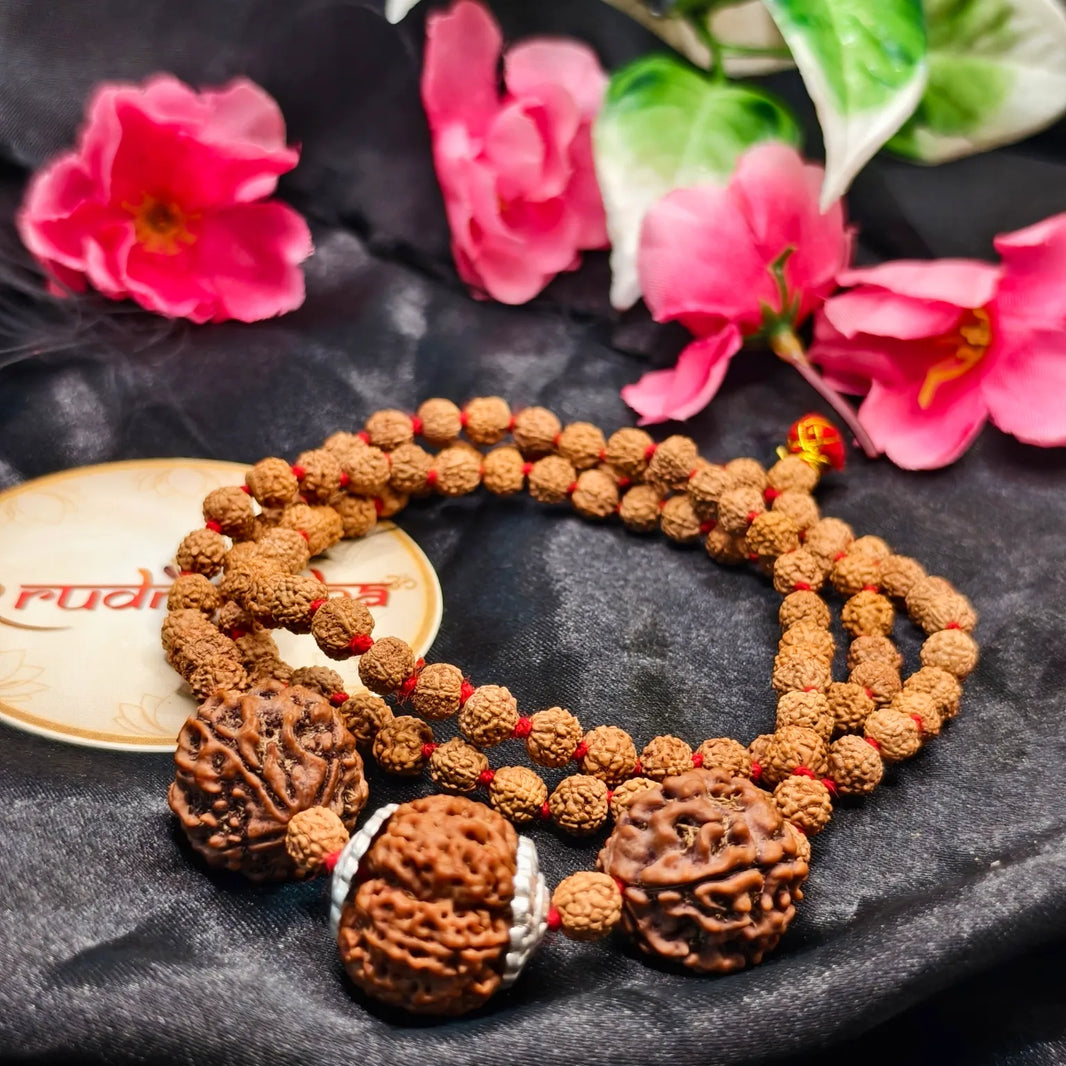
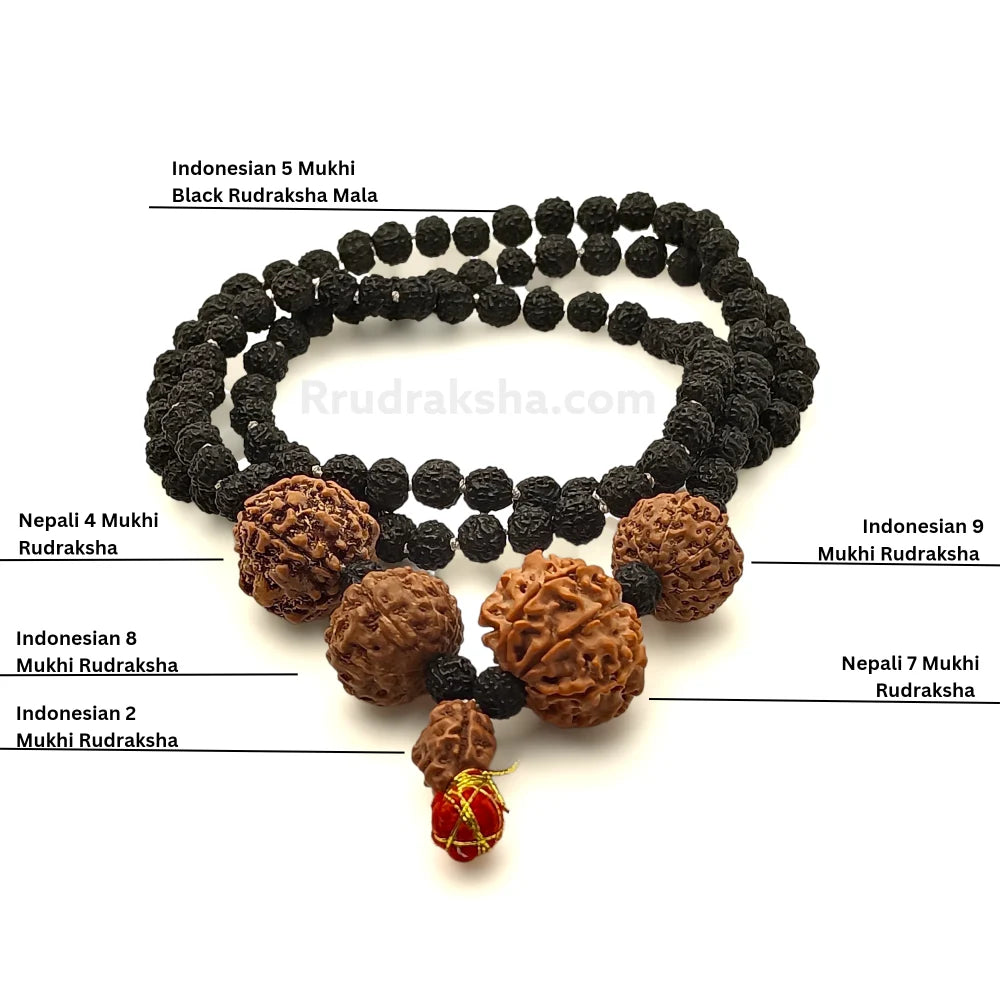
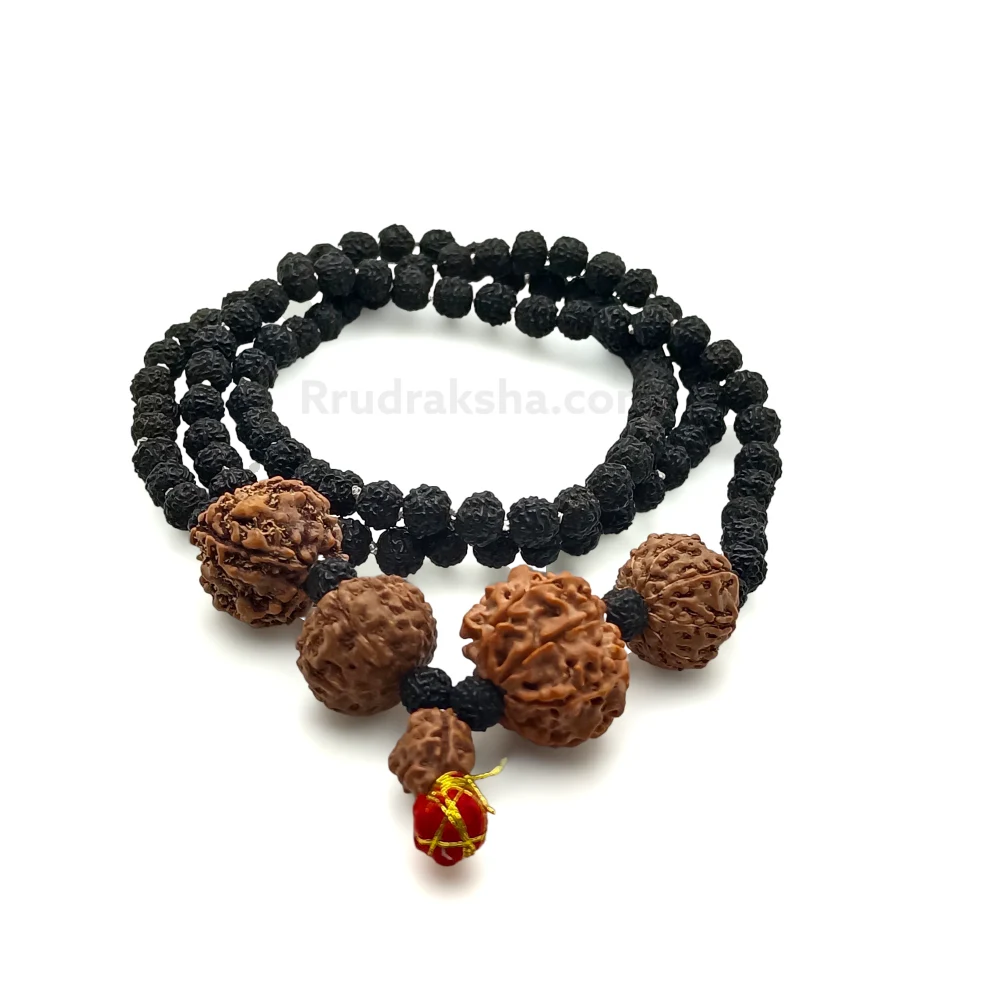
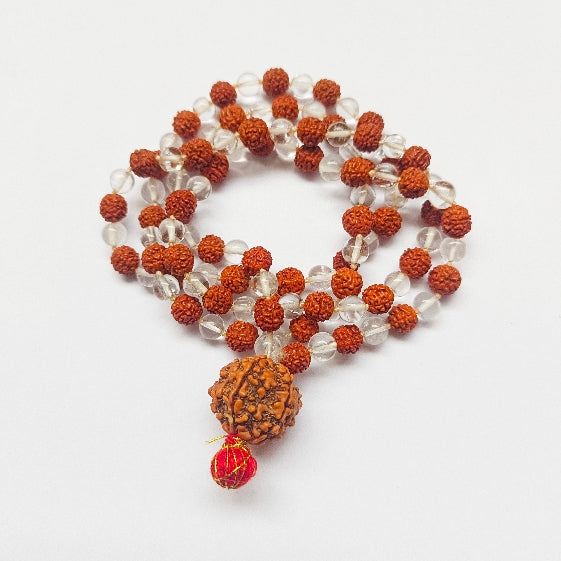
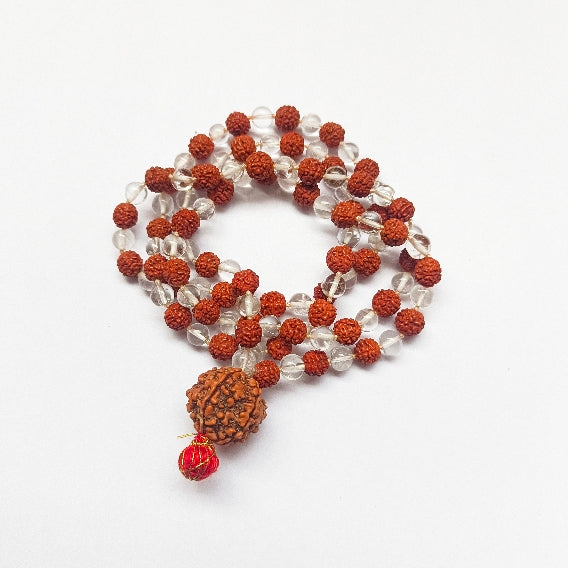
For those who need calmness, reassurance, and gentle inner support, the Rudraksha + Sphatik Combination is often preferred for emotional balance and clarity. 🤍🖤
The Divine Feminine Here: Compassion with Power 💫
Some Shakti Peeths are known for fierce transformation energies, while others are known for nurturing protection. Tara Tarini beautifully reflects a balance. Devi is compassionate, but not weak. Devi is loving, but not helpless. Devi is powerful, but not cruel.
This balance makes Tara Tarini worship emotionally comforting for many devotees. It gives a feeling of spiritual support. It reminds the devotee that they are not alone, and that strength can exist without aggression.
In this way, Tara Tarini becomes a Shakti Peeth of inner courage through softness—a rare and deeply meaningful spiritual identity.
History & Cultural Importance of Maa Tara Tarini 🛕
Maa Tara Tarini is culturally significant because it carries a long tradition of Devi worship that has influenced regional devotion, festivals, and temple-based faith practices. The continuity of Tara Tarini worship reflects how Shakti traditions are preserved not only through texts, but through living community devotion.
Over generations, Tara Tarini became deeply woven into the spiritual identity of devotees who view Devi not only as a goddess, but as a motherly guide. The temple’s importance is shaped by this emotional connection. It is not only sacred—it is personal for many devotees.
This is one of the reasons Tara Tarini remains strong in spiritual influence even today. It is a temple of faith that is carried forward by the hearts of devotees.
Bhairav Connection in Tara Tarini Shakti Tradition 🔱🖤
In many Shakti Peeth traditions, Bhairav is worshipped alongside Devi as a guardian energy. Bhairav represents discipline, boundaries, and spiritual protection. Devi represents Shakti, transformation, and divine strength.
Even when Bhairav worship is not the central identity for every devotee, the symbolism remains meaningful: spiritual power must be approached with respect. Tara Tarini worship also reflects this idea—devotion should be sincere, not casual, and faith should be steady, not ego-driven.
Deeper Symbolism of Maa Tara Tarini Worship 🍃
Maa Tara Tarini worship becomes even more meaningful when we understand its symbolism beyond the surface. Tara Tarini is not only a temple identity—it is a spiritual message. It tells the devotee that divine power is not only meant to be feared or worshipped from distance. Divine power is meant to guide, protect, and strengthen the devotee during life’s most uncertain phases.
In Shakta tradition, the Divine Mother is often described as the one who holds the devotee’s hand through darkness. Tara Tarini represents this guidance in a deeply emotional way. For many devotees, her name itself becomes a prayer: “Help me cross over my struggles.” This idea is not merely poetic. It reflects a living emotional truth within devotional life.
When a devotee connects with Tara Tarini, the core spiritual experience is often the same: the mind becomes lighter, courage increases, and inner stability grows—slowly, steadily, through faith.
What Maa Tara Tarini Represents Spiritually (Belief-Based Meaning) 🕉️
Spiritually, Maa Tara Tarini is often understood as a form of Devi who represents protection, direction, and emotional strength. She is the Divine Mother who does not only bless; she also supports the devotee’s inner growth.
In belief-based devotion, Tara Tarini represents the Shakti that helps the devotee move beyond confusion, fear, and emotional heaviness. Many devotees connect with her during uncertain times, when the mind feels unstable and the heart feels weak. The worship becomes a form of anchoring—where devotion creates stability and courage.
Tara Tarini also symbolizes spiritual maturity. The idea of crossing over difficulties is not just about external problems. It is also about overcoming inner weaknesses, such as self-doubt, impulsiveness, emotional restlessness, and loss of faith.
Tara Tarini as the Mother Who Leads You Toward Clarity ✨
In many Shakti traditions, there is a deep emphasis on Devi as the guiding mother. Tara Tarini fits perfectly into this spiritual identity. She is worshipped as the one who leads the devotee away from inner storms and toward clarity.
Life often feels uncertain because people lack inner direction. There are moments when even strong individuals feel confused, emotionally tired, or unable to make decisions. Tara Tarini devotion is meaningful because it gives the devotee a sense of inner support. It creates the feeling that there is a divine presence watching, guiding, and protecting.
This is why Tara Tarini is often remembered as a Shakti Peeth of spiritual comfort—not comfort in a weak sense, but comfort in a powerful sense. Comfort that becomes courage.
The Divine Feminine Here: Strength Without Harshness 🌀
Not every form of Shakti is expressed as fierce destruction of negativity. Some forms of Shakti work more gently—like steady protection, emotional healing, and guidance. Tara Tarini represents that dimension of Devi worship where the devotee feels supported rather than shaken.
This is an important spiritual truth: transformation does not always happen through force. Sometimes, transformation happens through patience. Sometimes, it happens through steady devotion. Sometimes, it happens through silence and surrender.
Tara Tarini symbolizes this path. She represents a kind of Shakti that strengthens a devotee through reassurance. That is why Tara Tarini devotion can feel extremely personal for many worshippers.
Maa Tara Tarini in Modern Life: Why Devotees Still Connect Today 🧠
Even in the modern world, devotees continue to connect deeply with Tara Tarini because the most difficult struggles are often internal. People fight battles that no one sees: anxiety, emotional stress, mental fatigue, confusion about life direction, and fear of uncertain future.
Tara Tarini worship becomes meaningful because it gives the mind a place to rest. A place to surrender. A place to rebuild strength. In belief-based devotion, the Divine Mother becomes a source of emotional stability—helping devotees trust life again.
This does not mean worship eliminates every problem instantly. But it does mean worship changes the devotee’s inner relationship with problems. When you feel supported spiritually, your courage naturally increases.
Scientific & Modern Perspective: Why Protective Devi Symbols Feel Powerful ✅
From a modern perspective, spiritual devotion often acts like an emotional stabilizer. When a devotee prays with sincerity, the mind becomes quieter. The nervous system relaxes. The emotions settle. It becomes easier to breathe, reflect, and regain control over mental noise.
Sacred places carry cultural meaning built over centuries. But even beyond the place, the symbol itself matters. The idea of a protective mother is one of the deepest psychological needs of human beings. Tara Tarini devotion fulfills that emotional need through sacred symbolism, prayer, and trust.
This is why many devotees feel calmer after prayer. Not because life becomes perfect instantly, but because devotion creates inner strength and stability—something modern life often takes away.
Frequently Asked Questions (FAQs) ❓
1) Why is Maa Tara Tarini Shakti Peeth famous?
Maa Tara Tarini is famous because it is a revered Shakti Peeth where Devi is worshipped as a powerful protector and guiding mother in Shakta tradition.
2) Is Tara Tarini a Shakti Peeth?
Yes, Tara Tarini is widely respected as a Shakti Peeth in regional Shakta traditions and popular devotional belief systems.
3) What does Tara Tarini mean spiritually?
Spiritually, Tara Tarini symbolizes Devi as the one who protects and helps devotees cross over difficulties with inner strength and guidance.
4) What is the mythological origin story of Tara Tarini?
Tara Tarini is connected to the broader Shakti Peeth origin story linked to Sati, Shiva, Daksha Yagna, and sacred Shakti centers.
5) What does Maa Tara Tarini represent?
Maa Tara Tarini represents protection, guidance, and emotional strength, helping devotees find clarity and courage (belief-based meaning).
6) Is Tara Tarini worship suitable for beginners?
Yes. Beginners can worship Tara Tarini with simple devotion, prayer, and sincerity without complex rituals.
7) What do devotees pray for at Tara Tarini Shakti Peeth?
Devotees commonly pray for protection, mental stability, courage, and clarity in uncertain life phases (belief-based).
8) Is Tara Tarini connected with Bhairav like other Shakti Peeths?
Many Shakti traditions include Bhairav as a guardian concept. Even where Bhairav worship is not central, the symbolism of protection remains meaningful.
9) Why is Devi worship important in Shakta tradition?
Devi worship is important because Shakti is seen as the cosmic energy of creation, protection, and transformation in Hindu philosophy.
10) Is Tara Tarini only about protection?
No. Tara Tarini also represents guidance and transformation, helping devotees grow spiritually and emotionally through devotion.
11) What is the deeper spiritual lesson of Tara Tarini worship?
The lesson is that divine support strengthens the mind, and devotion helps the devotee cross inner and outer struggles with courage.
12) Does Tara Tarini worship give instant results?
No. Worship is a belief-based spiritual practice that supports inner stability and strength over time, not instant guarantees.
13) Why do protective Devi forms feel emotionally powerful?
Because they reflect the human need for guidance and support, making devotion feel personal and deeply comforting.
14) Is Tara Tarini worship linked to mythology?
Yes. Tara Tarini is linked with Shakti Peeth mythology and regional devotional traditions that preserve Devi’s sacred identity.
15) What is the main message of Maa Tara Tarini Shakti Peeth?
The message is that Devi guides and protects devotees through life’s uncertainties, helping them grow stronger and clearer within.
🔱 Conclusion ✨
Maa Tara Tarini is the Shakti Peeth of Protection, Guidance & Inner Strength
Maa Tara Tarini Shakti Peeth is deeply revered because it represents the Divine Mother as a guiding and protective force. Rooted in Shakti Peeth tradition and preserved through living devotion, Tara Tarini symbolizes the Shakti that helps devotees cross over life’s struggles with courage and clarity.
When approached with sincere faith, Tara Tarini worship becomes a powerful emotional anchor. It teaches that strength does not always arrive as force—it can also arrive as guidance, patience, and inner stability. In a world full of mental pressure and uncertainty, Maa Tara Tarini remains a timeless reminder that Shakti is always present to protect, strengthen, and lead the devotee forward.
🙏 हर हर महादेव 🙏





Leave a comment