

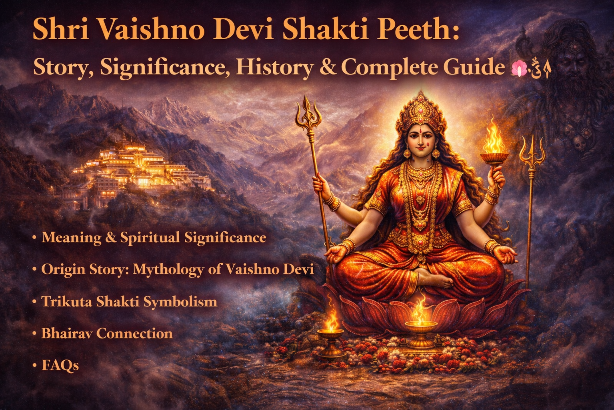
Shri Vaishno Devi Shakti Peeth: Story, Significance, History & Complete Guide 🔱
When people speak about Devi bhakti in India, one name is remembered with unmatched devotion: Shri Vaishno Devi. For countless devotees, Vaishno Devi is not only a sacred temple identity—it is a symbol of faith that feels personal, emotional, and deeply protective. 🌺🔱
Unlike many spiritual places that people connect with only as tradition, Vaishno Devi often feels like a living relationship for devotees. They remember the Mother as someone who listens, guides, and strengthens. And even though different traditions interpret the Shakti Peeth map in different ways, Vaishno Devi holds a strong place in Devi worship culture as one of the most revered Shakti centers of the Divine Mother.
In this complete guide, we will explore Shri Vaishno Devi Shakti Peeth meaning, the mythological stories connected to her worship, her spiritual symbolism, cultural importance, and the deeper devotional meaning that makes her one of the most worshipped forms of Devi Shakti. This blog is written responsibly, with belief-based language, and is designed for beginners and advanced devotees alike—without any exaggerated or miracle-style claims.
What is Shri Vaishno Devi Shakti Peeth? (Simple Meaning) 🌺
Shri Vaishno Devi is worshipped as a powerful form of the Divine Mother, honored for protection, guidance, and spiritual strength. In devotional understanding, she is often seen as a form of Devi who carries the combined divine qualities of wisdom, prosperity, and courage.
Many devotees call her “Mata Rani” or “Trikuta Mata,” expressing the feeling that she is not a distant goddess but a motherly presence. This emotional connection is one of the main reasons Vaishno Devi worship became one of the strongest expressions of Devi bhakti in modern times.
For beginners, the easiest way to understand Vaishno Devi is this: she is worshipped as a protective and blessing-giving Divine Mother, and her sacred presence is deeply rooted in Shakta devotion and Devi worship tradition.
Is Vaishno Devi a Shakti Peeth? Understanding the Devotional Belief 🕉️
Many devotees associate Vaishno Devi with Shakti Peeth tradition because of her deep connection to Devi worship and Shakta faith. It is important to understand that Shakti Peeth lists can vary in different traditions, texts, and regional belief systems. Some lists mention one set of Peeths, while others include additional sacred Devi centers respected as Shakti manifestations.
In devotional culture, Vaishno Devi holds an extremely powerful position as a Shakti center, where devotees experience Devi’s presence as deeply protective and responsive. Whether one defines her strictly through classical Shakti Peeth lists or through living devotional tradition, the spiritual role of Vaishno Devi remains immensely significant.
In this blog, we are focusing on Vaishno Devi as a major sacred Devi worship center with strong Shakti identity, respected as a Shakti form by millions of devotees across India.
The Mythological Story Behind Vaishno Devi 📖
The story of Vaishno Devi is loved not only because it is mythological, but because it carries a strong spiritual message: Devi protects those who surrender sincerely, and she tests the devotee’s faith to make it stronger.
In popular belief-based tradition, Vaishno Devi is described as a powerful divine feminine presence who takes a human-like form to fulfill a sacred purpose. She is often remembered as a Devi who embodies discipline, devotion, and divine energy, and who ultimately reveals her true spiritual form as the Divine Mother.
Different regional versions of the story exist, but a common theme remains: Vaishno Devi represents purity, dharma, and the power of Shakti to protect the devotee from negativity.
Vaishno Devi and the Symbolism of Trikuta Shakti 🔱
Vaishno Devi is also popularly associated with the idea of Trikuta—a spiritual symbol of threefold Shakti. In many devotional interpretations, Vaishno Devi is worshipped as the presence that carries the essence of Mahalakshmi, Mahasaraswati, and Mahakali.
This symbolism is deeply powerful. It suggests that Devi is not limited to one quality. She is prosperity and stability, wisdom and clarity, courage and protection—all together.
In belief-based understanding, this makes Vaishno Devi a complete Devi form. Devotees do not come only for one desire. They come for overall blessings: emotional stability, life direction, inner strength, and protection.
Spiritual Significance of Shri Vaishno Devi ✨
Vaishno Devi is spiritually significant because she represents the Devi who responds to sincere faith. Many devotees describe a strong emotional connection with her, because Vaishno Devi worship is often based on surrender and trust.
In belief-based devotion, people approach Vaishno Devi when they want protection, guidance, and blessings for their family and life journey. The Mother is remembered as compassionate, but also powerful. She is not seen as a goddess of comfort alone—she is seen as the goddess who strengthens the devotee to face life with courage.
This is why Vaishno Devi devotion feels timeless. It carries a simple truth: even when the mind feels weak, the Divine Mother’s protection gives strength.
History & Cultural Importance of Vaishno Devi 🛕
Vaishno Devi holds enormous cultural importance because it became one of the most loved Devi worship traditions across India. Over time, the devotion expanded beyond regional identity and became a national symbol of Devi bhakti.
The cultural strength of Vaishno Devi is not only because of numbers of devotees, but because of emotional connection. People remember Vaishno Devi during difficult times. They carry her name with devotion. They see her as a protective mother who listens.
This is why Vaishno Devi remains one of the most respected and spiritually influential Devi worship identities in modern Hindu life.
Bhairav Connection in Vaishno Devi Tradition 🖤
In Vaishno Devi worship tradition, the concept of Bhairav is also remembered as an important part of the spiritual narrative. Bhairav represents discipline, spiritual testing, and protection. Many devotees interpret the Bhairav connection as the reminder that devotion should be sincere, not ego-driven.
Spiritually, Bhairav symbolism fits well here: Devi blesses the devotee, but also strengthens them. Devotion is not only about receiving—it is also about becoming worthy through sincerity.
Deeper Symbolism of Vaishno Devi Worship: Faith, Purity, and Inner Strength 🔱
Vaishno Devi worship is not just about rituals—it is about the spiritual relationship between the devotee and the Divine Mother. For many people, devotion becomes strongest when life becomes uncertain. This is where Vaishno Devi’s symbolism becomes meaningful: she is remembered as the Mother who strengthens you when your mind feels weak.
The deeper teaching of Vaishno Devi is purity and devotion. In belief-based tradition, she is often described as the Devi who stands for dharma, inner discipline, and spiritual strength. This is not only a mythological identity—it is a spiritual standard. Vaishno Devi worship inspires the devotee to become more sincere, more stable, and more truthful in their inner world.
This is why Vaishno Devi devotion is emotionally powerful. The devotee does not just feel they are praying to a goddess—they feel they are speaking to a mother who listens and protects.
What Shri Vaishno Devi Represents Spiritually (Belief-Based Meaning) 💫
Spiritually, Shri Vaishno Devi represents protection, guidance, and complete Shakti. Many devotees see her as a divine presence who blesses not only one part of life, but the whole journey—mind, family, faith, and inner strength.
In belief-based devotion, Vaishno Devi worship is often connected with emotional stability. People pray when they feel confused. They pray when they feel stuck. They pray when they want courage to handle life’s pressure. This devotional connection makes Vaishno Devi one of the most personally loved Devi forms in India.
It is important to understand this responsibly: worship is not an instant guarantee. But worship can become a powerful support system. It gives direction. It creates mental strength. It reduces emotional loneliness. That is why Vaishno Devi remains spiritually relevant for modern devotees.
Vaishno Devi as Trikuta Shakti: The Complete Divine Mother 🔱
One of the most meaningful devotional interpretations of Vaishno Devi is her association with Trikuta Shakti, a symbol of threefold divine energy. In many belief-based understandings, Vaishno Devi represents the combined essence of Mahakali, Mahalakshmi, and Mahasaraswati.
This symbolism is powerful because it explains why people approach her for everything—wisdom, prosperity, protection, clarity, courage, stability, and spiritual growth. It represents Devi as complete Shakti, not limited to one role.
For a devotee, this becomes deeply comforting. It creates the faith that the Divine Mother is not partial. She understands the whole life of the devotee—mind, emotions, fears, responsibilities, and hopes.
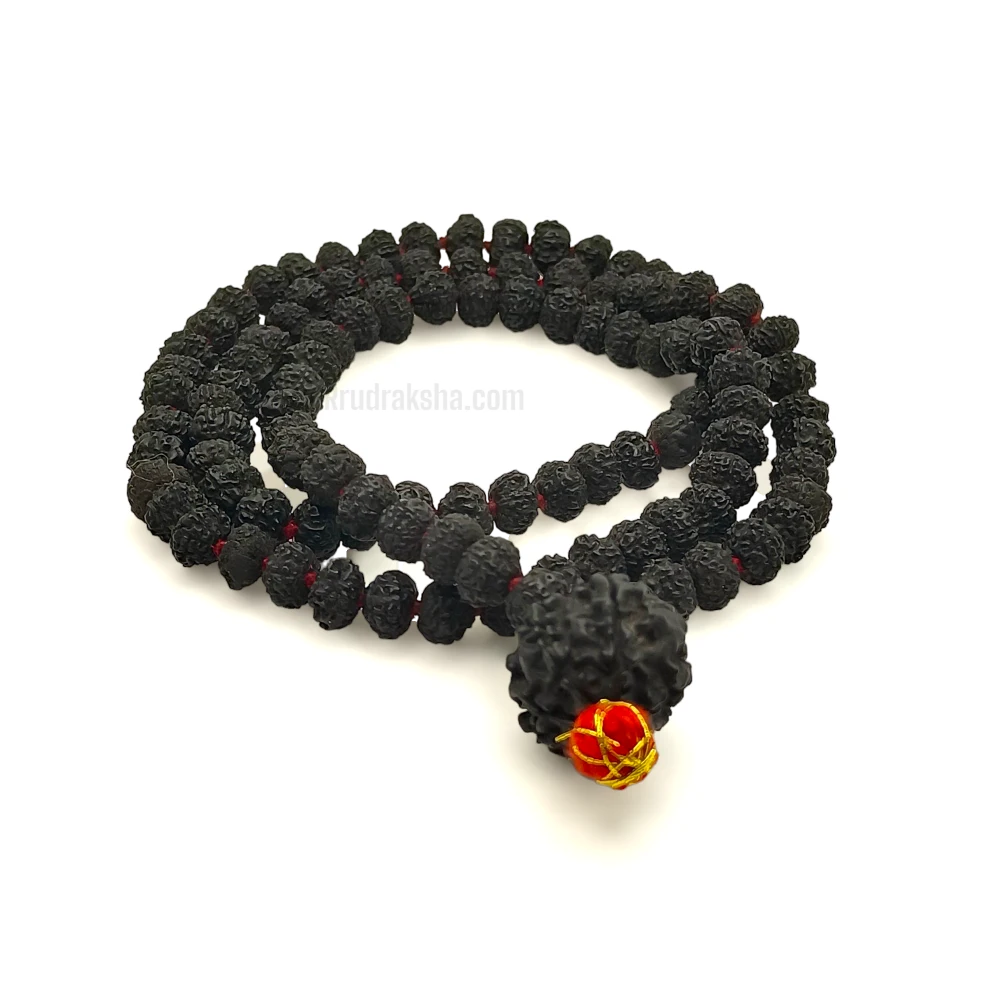
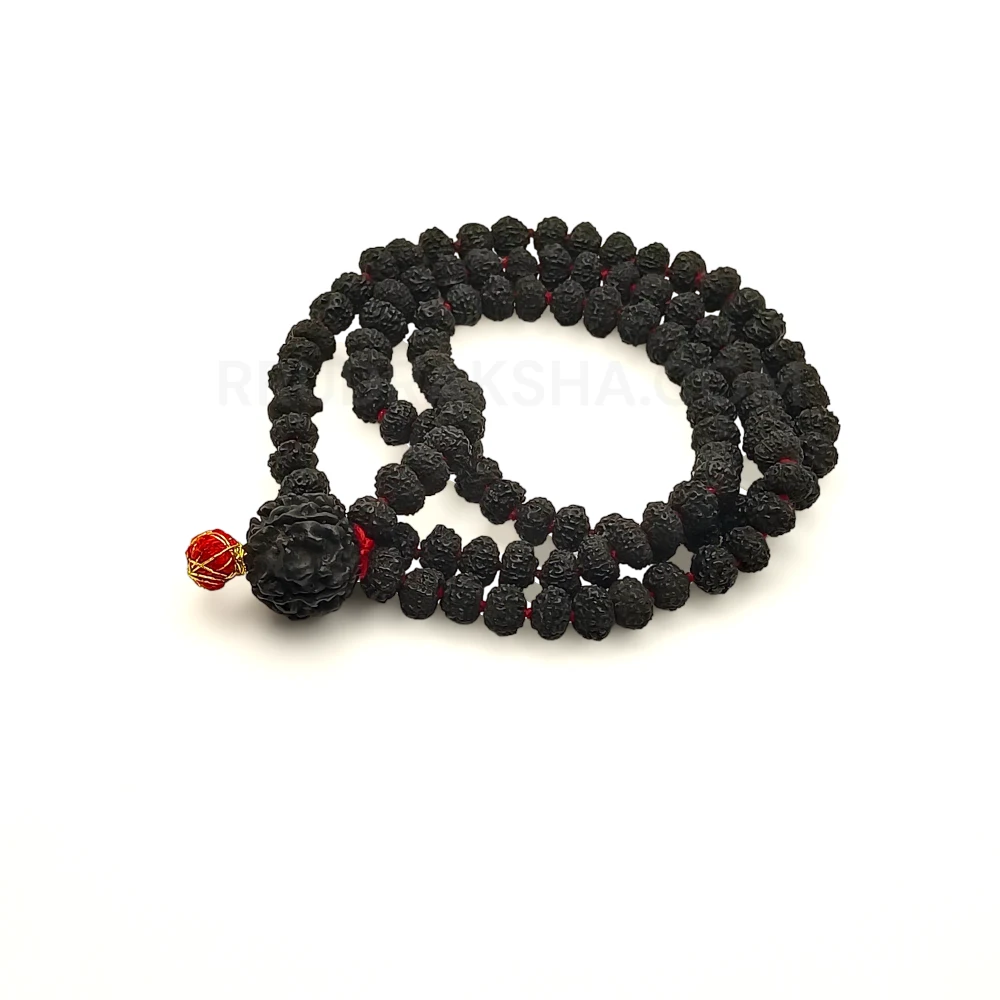
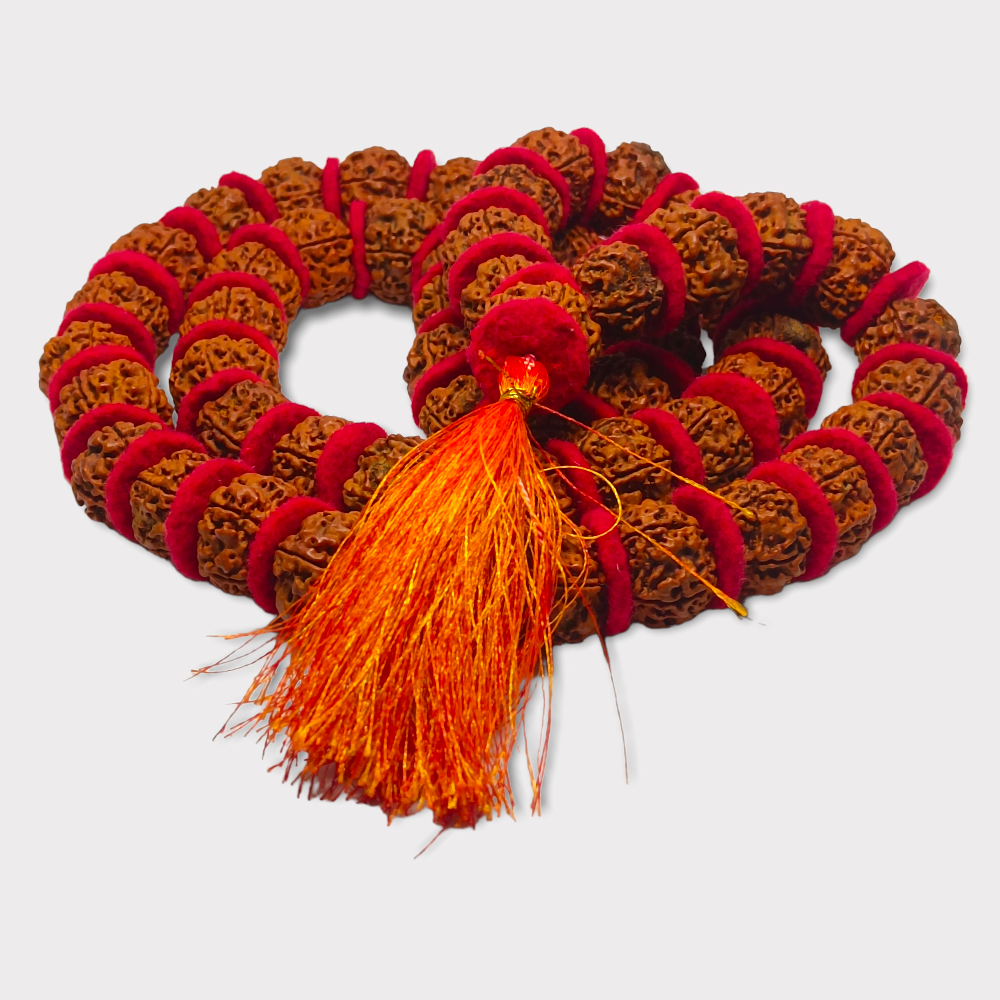
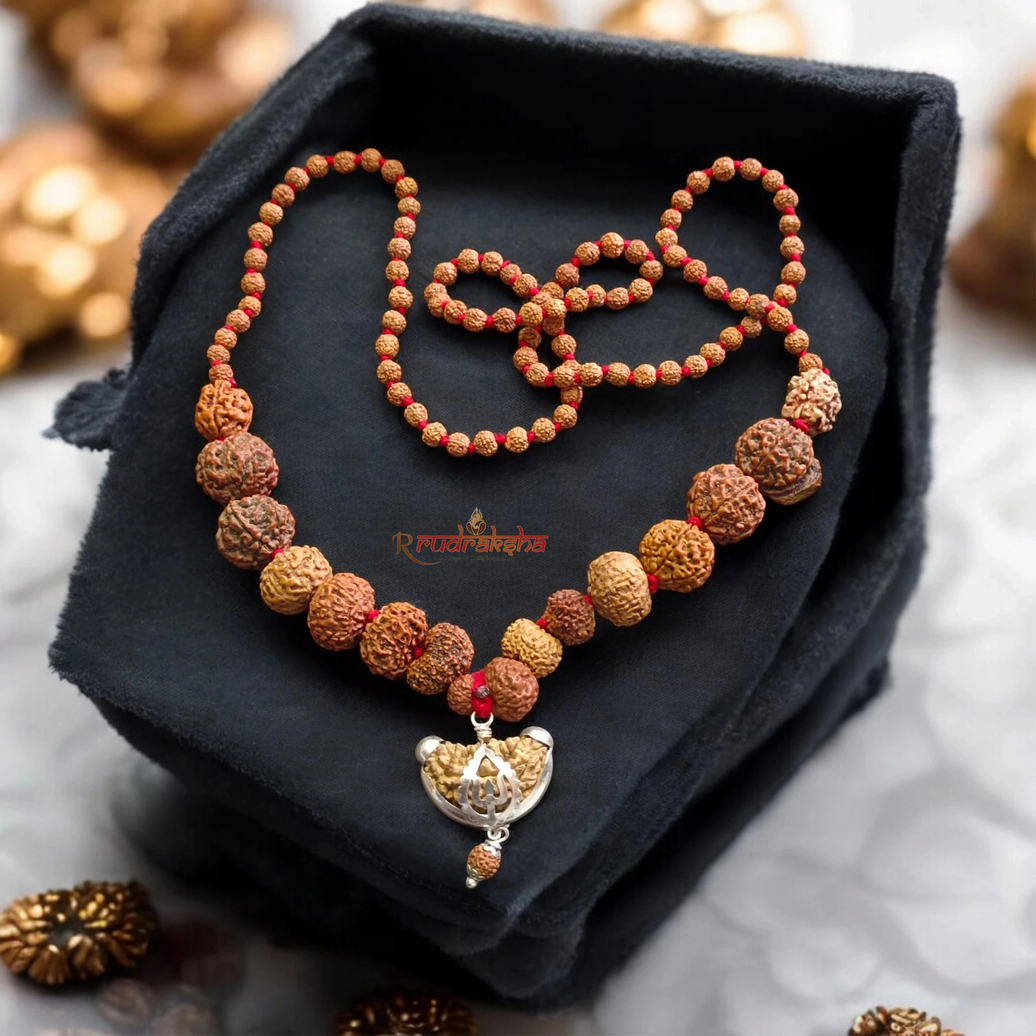
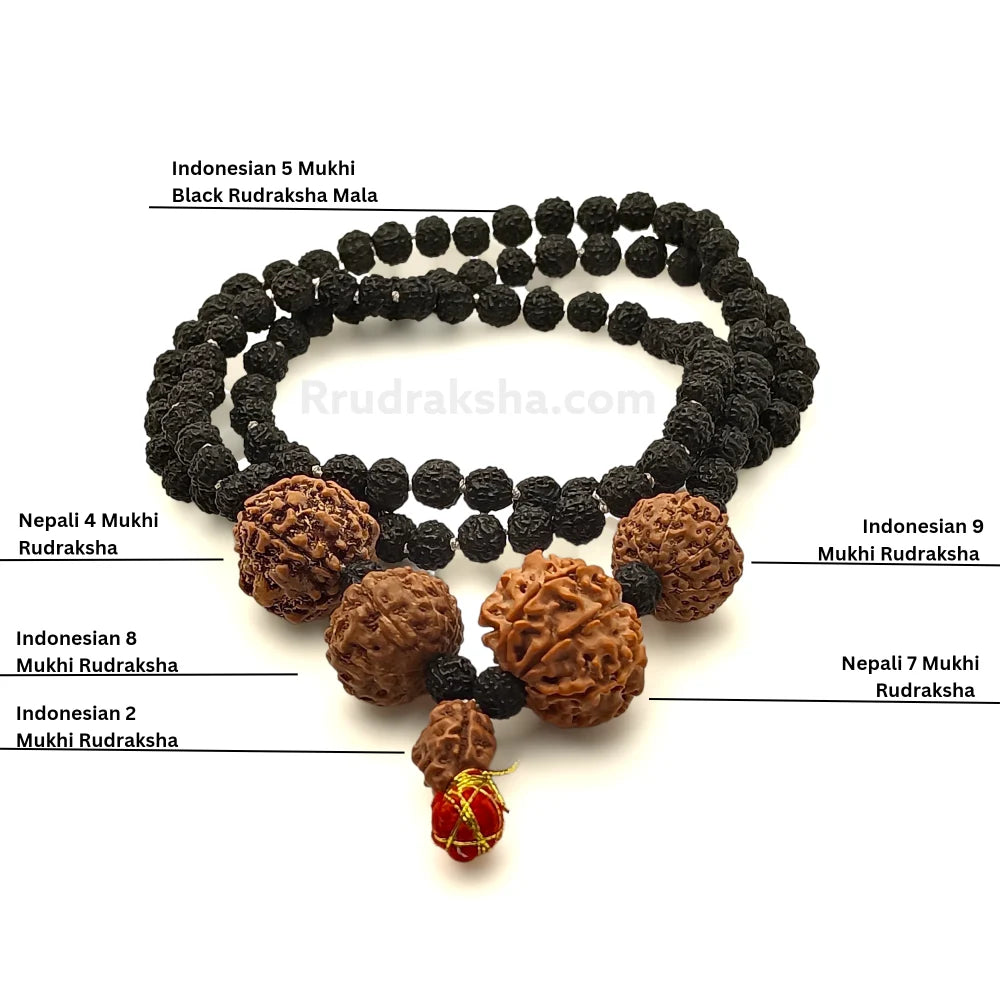
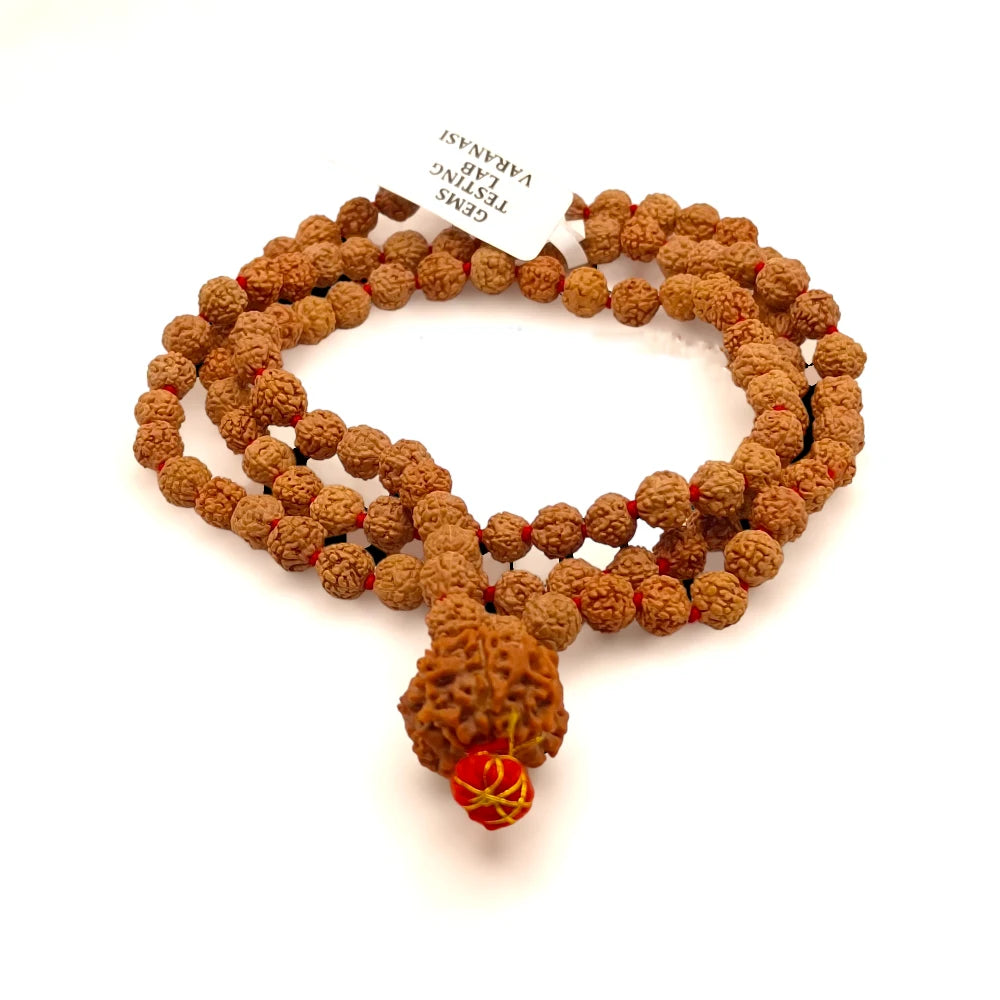
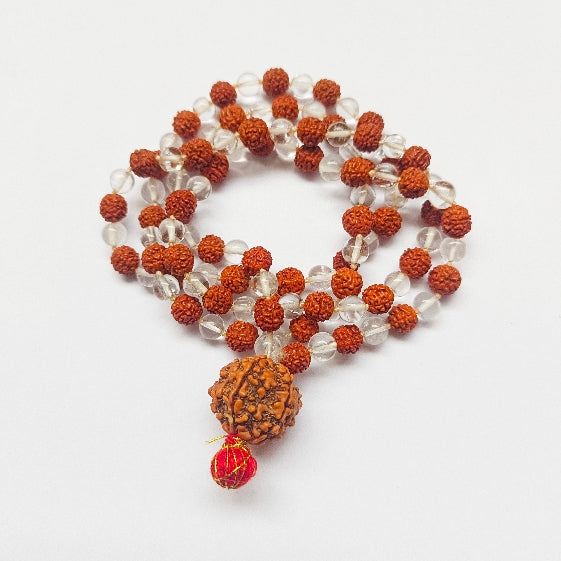
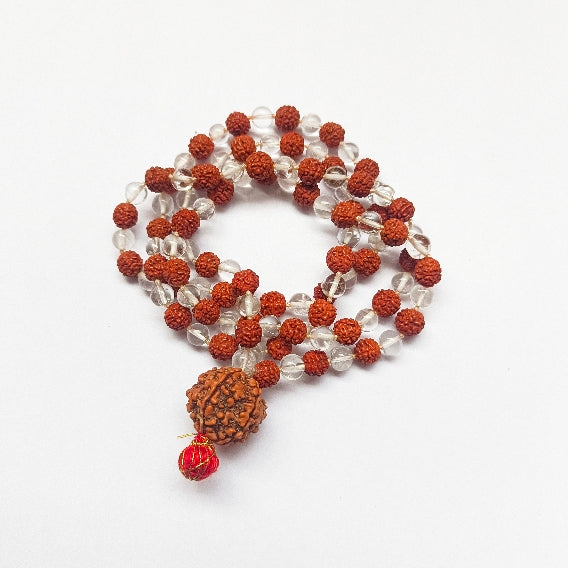
If financial stress or instability is a concern, many devotees turn to the 7 Mukhi Rudraksha, believed to carry Maa Lakshmi’s energy of steady prosperity. 🔱
Vaishno Devi and the Inner Journey of a Devotee 🕉️
Vaishno Devi worship also reflects an inner journey. Devotion is not only about asking for blessings. It is also about learning how to trust. Many devotees learn the discipline of patience through Devi worship. They learn surrender. They learn how to stay hopeful even when life becomes heavy.
This is why Vaishno Devi devotion is not only spiritual—it is psychological as well. It builds resilience. It strengthens the mind. It teaches emotional stability. The devotee does not become fearless overnight, but the devotee becomes stronger through faith over time.
This is one of the most responsible ways to understand the “benefits” of Vaishno Devi worship: it supports inner maturity and emotional courage through devotion.
Scientific & Modern Perspective: Why Vaishno Devi Devotion Feels Powerful ✅🧠
From a modern perspective, devotion often works through emotional grounding. When a person prays sincerely, the mind becomes focused. Anxiety reduces because the devotee feels supported. Spiritual traditions also create community and meaning, which naturally helps people feel mentally stronger.
Vaishno Devi is one of the most loved Devi traditions, and its emotional impact is strong because the Mother archetype is powerful in human psychology. People naturally seek protection, comfort, and guidance, and devotion fulfills these needs in a sacred way.
This does not require miracle claims. It only requires sincere faith, meaningful symbolism, and consistent devotion. The mental stability that comes from this is one of the most practical outcomes of spiritual worship.
Frequently Asked Questions (FAQs) ❓
1) Why is Vaishno Devi famous?
Vaishno Devi is famous because she is one of the most worshipped forms of the Divine Mother, revered for protection, guidance, and deep devotional faith.
2) Is Vaishno Devi a Shakti Peeth?
Many devotees regard Vaishno Devi as a powerful Shakti center. Shakti Peeth lists vary, but Vaishno Devi holds strong Shakti identity in living devotion.
3) Who is Vaishno Devi worshipped as?
Vaishno Devi is worshipped as the Divine Mother, often associated with Trikuta Shakti and the combined divine qualities of protection, wisdom, and prosperity.
4) What does Trikuta Shakti mean in Vaishno Devi worship?
Trikuta Shakti represents threefold divine energy. Devotionally, it is linked with Mahakali, Mahalakshmi, and Mahasaraswati symbolism.
5) What is the mythological story of Vaishno Devi?
Vaishno Devi’s popular mythological stories describe Devi as a powerful divine presence who protects devotees and establishes dharma through faith and strength.
6) What does Vaishno Devi represent spiritually?
Spiritually, Vaishno Devi represents protection, guidance, emotional strength, and complete Shakti (belief-based meaning).
7) Is Vaishno Devi worship suitable for beginners?
Yes. Beginners can worship Vaishno Devi through simple devotion, prayer, and sincerity without complicated rituals.
8) Why do devotees feel emotionally connected to Vaishno Devi?
Because Vaishno Devi is worshipped as a motherly divine presence, creating a strong sense of protection, trust, and emotional support through devotion.
9) What do devotees pray for at Vaishno Devi?
Devotees commonly pray for protection, courage, clarity, family well-being, and spiritual stability (belief-based devotion).
10) What is the Bhairav connection in Vaishno Devi tradition?
Bhairav symbolism is remembered in the devotional narrative, representing discipline, spiritual testing, and protection within Devi worship.
11) Does Vaishno Devi worship give instant results?
No. Worship is a belief-based spiritual path that supports inner strength and faith over time rather than instant guarantees.
12) What makes Vaishno Devi different from other Devi forms?
Vaishno Devi is widely loved because she represents complete Shakti and strong motherly protection, creating deep devotional trust.
13) Is Vaishno Devi connected to Shakta tradition?
Yes. Vaishno Devi devotion is deeply connected to Devi worship culture and Shakta belief systems across India.
14) What is the main lesson of Vaishno Devi devotion?
The main lesson is surrender, faith, and courage—devotion strengthens the mind and protects the devotee spiritually.
15) Why is Vaishno Devi worship still important today?
Because it provides emotional stability and spiritual support, helping devotees stay strong during modern life stress and uncertainty.
✨ Conclusion 🔱
Shri Vaishno Devi is the Divine Mother of Protection, Faith & Complete Shakti
Shri Vaishno Devi remains one of the most powerful symbols of Devi bhakti because she represents the Divine Mother as a living presence—compassionate, protective, and spiritually strong. Whether understood through Shakta tradition, living devotional faith, or the symbolism of Trikuta Shakti, Vaishno Devi inspires surrender, courage, and inner stability.
When approached responsibly, Vaishno Devi devotion becomes a deep emotional anchor. It encourages the devotee to trust life, face difficulties with strength, and walk forward with faith. In a world full of uncertainty, the name of Vaishno Devi continues to remind devotees that Shakti is not distant—Shakti is a mother who protects, guides, and strengthens from within.
🙏 हर हर महादेव 🙏





Leave a comment