

Maa Chintpurni Shakti Peeth: Story, Significance, History & Complete Guide 🌺✨
In the world of Devi worship, some temples are known for fierce protection, some for divine wisdom, and some for one very human need: peace of mind. Among them, Maa Chintpurni is worshipped with a special kind of devotion—because her very name carries a promise that touches every devotee’s heart. 🌺✨
The word “Chintpurni” is commonly understood as “the one who removes worries (chinta) and fulfills the devotee’s sincere prayers (purni).” In a world where the mind is constantly burdened with responsibilities, fear, uncertainty, and emotional pressure, this meaning feels timeless. Maa Chintpurni is not only a goddess of tradition—she becomes a motherly presence people turn to when they want stability, clarity, and inner comfort.
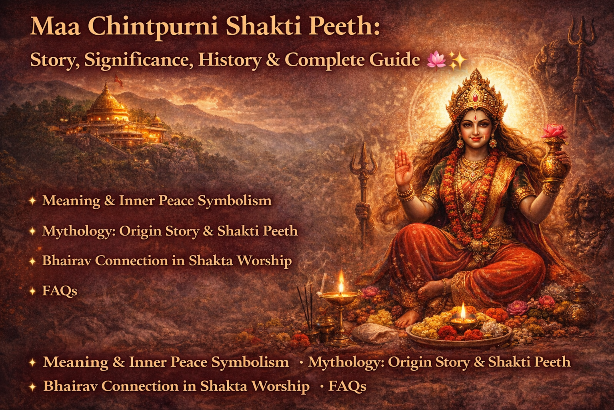
In this complete guide, we will explore Maa Chintpurni Shakti Peeth meaning, its mythological roots, spiritual significance, symbolism, cultural importance, Bhairav connection (as understood in Shakti traditions), modern perspective, and a detailed FAQ section optimized for Google search. As always, this blog is written responsibly with belief-based wording and avoids exaggerated or miracle-style claims.
What is Maa Chintpurni Shakti Peeth? (Simple Meaning) 🌺✨
Maa Chintpurni Shakti Peeth is a revered Devi worship center where the Divine Mother is honored as Chintpurni Mata—the Devi who is believed to help devotees overcome worries, confusion, and emotional heaviness through faith and devotion.
For beginners, the simplest understanding is this: Maa Chintpurni is worshipped as a compassionate yet powerful form of Devi Shakti, especially remembered for giving inner courage and mental stability. Her worship reflects the deeply personal side of Devi bhakti—where the devotee approaches the Mother not only for rituals, but for emotional support and spiritual strength.
While the word “worry-free life” may sound too perfect, the spiritual meaning is more realistic: Maa Chintpurni worship is believed to support the devotee in facing worries with greater courage, clarity, and faith.
Why Maa Chintpurni is Considered a Shakti Peeth 🌺🕉️
The Shakti Peeth tradition is rooted in the mythological story of Sati and Shiva. According to belief-based narratives, Shakti Peeths are sacred locations that formed after the events of Daksha Yagna, Sati’s sacrifice, Shiva’s cosmic grief, and Vishnu’s intervention to restore universal balance.
In this tradition, where parts of Sati’s body or ornaments are believed to have fallen, those locations became powerful Devi worship centers known as Shakti Peeths. Maa Chintpurni is widely revered as one such sacred Shakti center in regional devotional traditions.
It is also important to note responsibly that Shakti Peeth lists can vary across texts and regions. However, Maa Chintpurni’s Shakti identity is extremely strong in living devotion and is honored as a powerful Devi worship seat by millions of devotees.
The Mythological Story Behind Maa Chintpurni 📖🌺
Maa Chintpurni’s mythological identity is connected to the larger Shakti worship tradition where Devi appears to protect dharma and guide devotees. Various regional narratives exist around Maa Chintpurni, but they share a common devotional theme: the Divine Mother responds to sincere devotion and supports the devotee in times of fear and emotional struggle.
In belief-based Shakta storytelling, Devi is not only a cosmic power—she is also a compassionate mother who listens. This is why the name Chintpurni becomes spiritually meaningful. It reflects the feeling that the devotee can approach Devi with worries, confusion, and fear—and receive strength, stability, and protection.
The deeper message behind such stories is not about instant solutions. It is about trust. Trust that devotion builds inner courage, and inner courage helps the devotee handle life with a calmer mind.
Spiritual Meaning of Maa Chintpurni: The Devi Who Calms the Mind 🌺✨
Spiritually, Maa Chintpurni represents the Divine Feminine as a healer of mental heaviness. In Shakta tradition, the mind is not ignored—it is understood as one of the most powerful forces in human life. A peaceful mind can build success and stability. A disturbed mind can destroy peace even in comfort.
Maa Chintpurni devotion is often associated with the belief that Devi helps the devotee overcome inner restlessness, fear, and constant overthinking. This is why people feel emotionally connected to her. She is seen as a Mother who makes the heart feel lighter.
This does not mean worship replaces real-life action or responsibility. Instead, it supports the devotee spiritually—helping them think more clearly, remain stronger emotionally, and feel protected through faith.
Spiritual Significance of Maa Chintpurni Shakti Peeth 🌺🕉️
Maa Chintpurni Shakti Peeth is spiritually significant because it represents Shakti as reassurance. Not every devotee needs intense transformation energy at every moment. Sometimes, what people need most is inner comfort and emotional stability. Maa Chintpurni symbolizes that supportive Shakti.
Many devotees connect with Maa Chintpurni when they feel mentally burdened, emotionally exhausted, or uncertain about life direction. In belief-based devotion, her blessings are often understood as increased confidence and relief from inner pressure.
In that way, Maa Chintpurni becomes a Shakti Peeth that supports the mind. And when the mind becomes strong, the devotee becomes capable of handling life with greater courage.
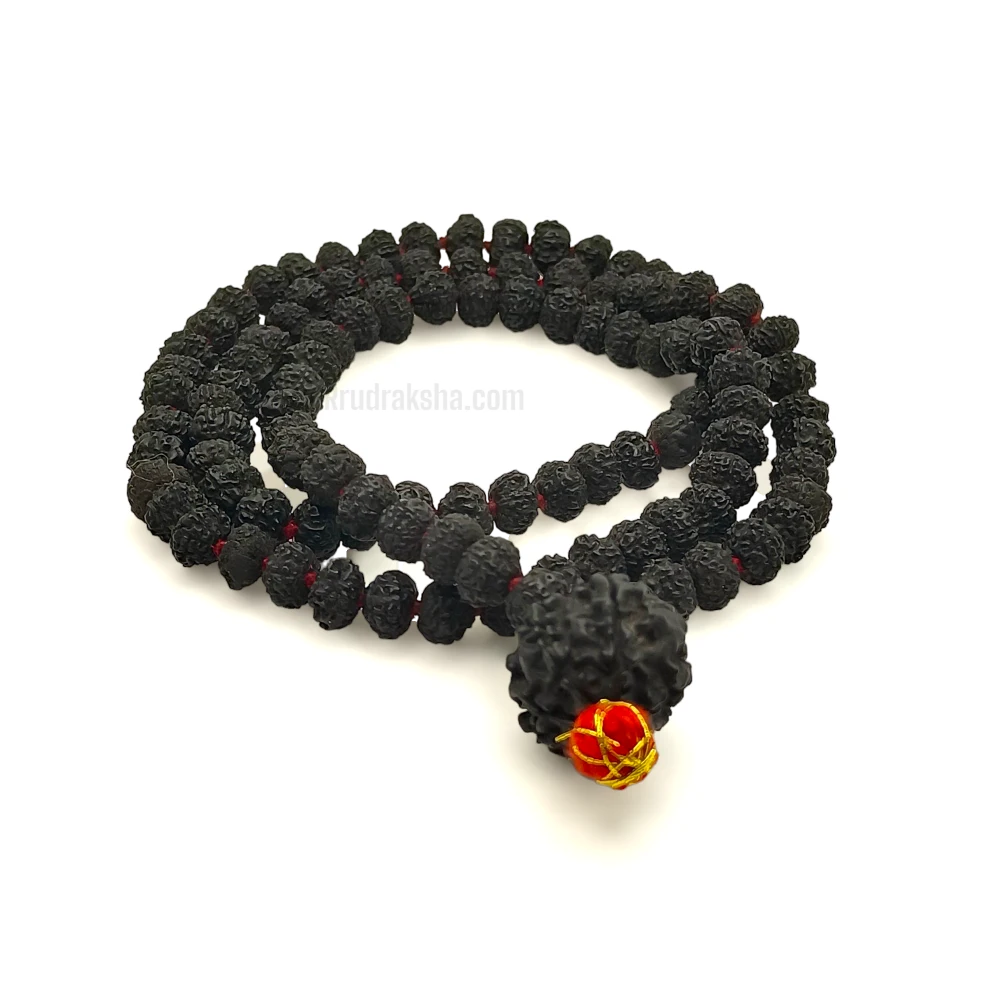
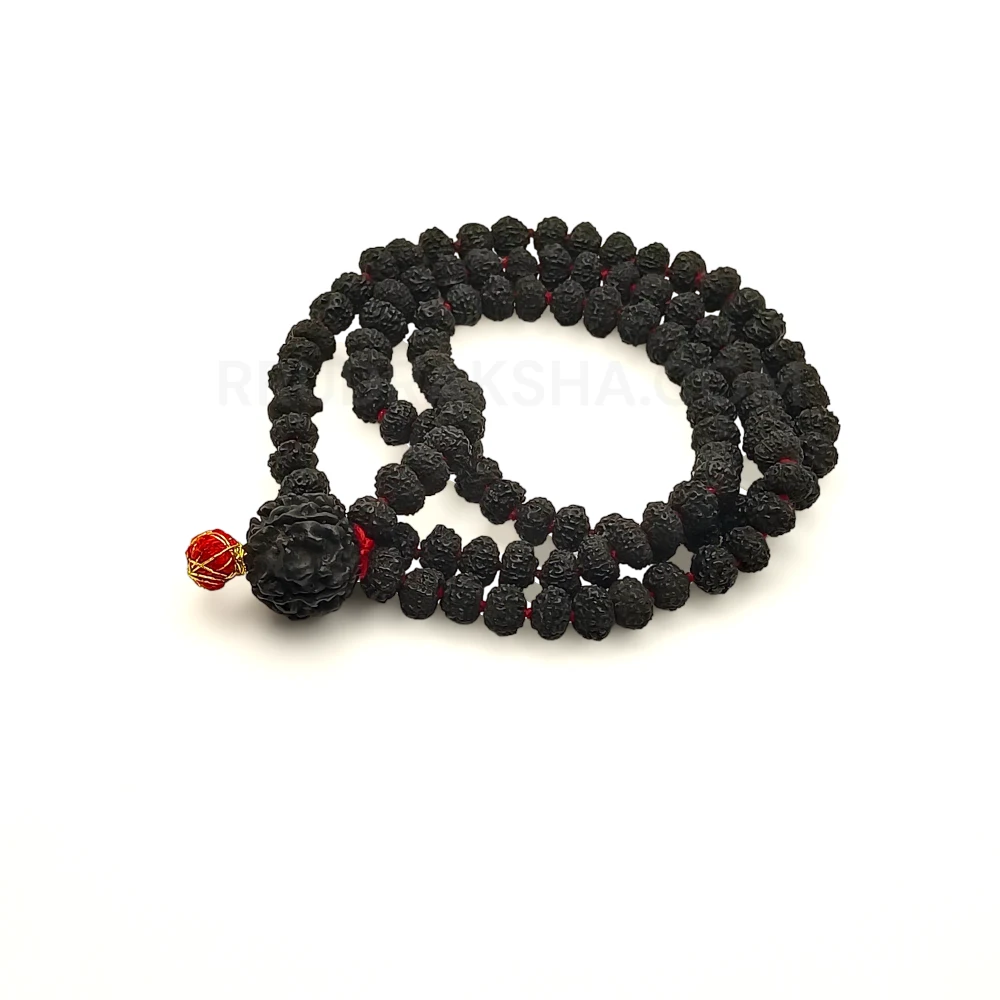
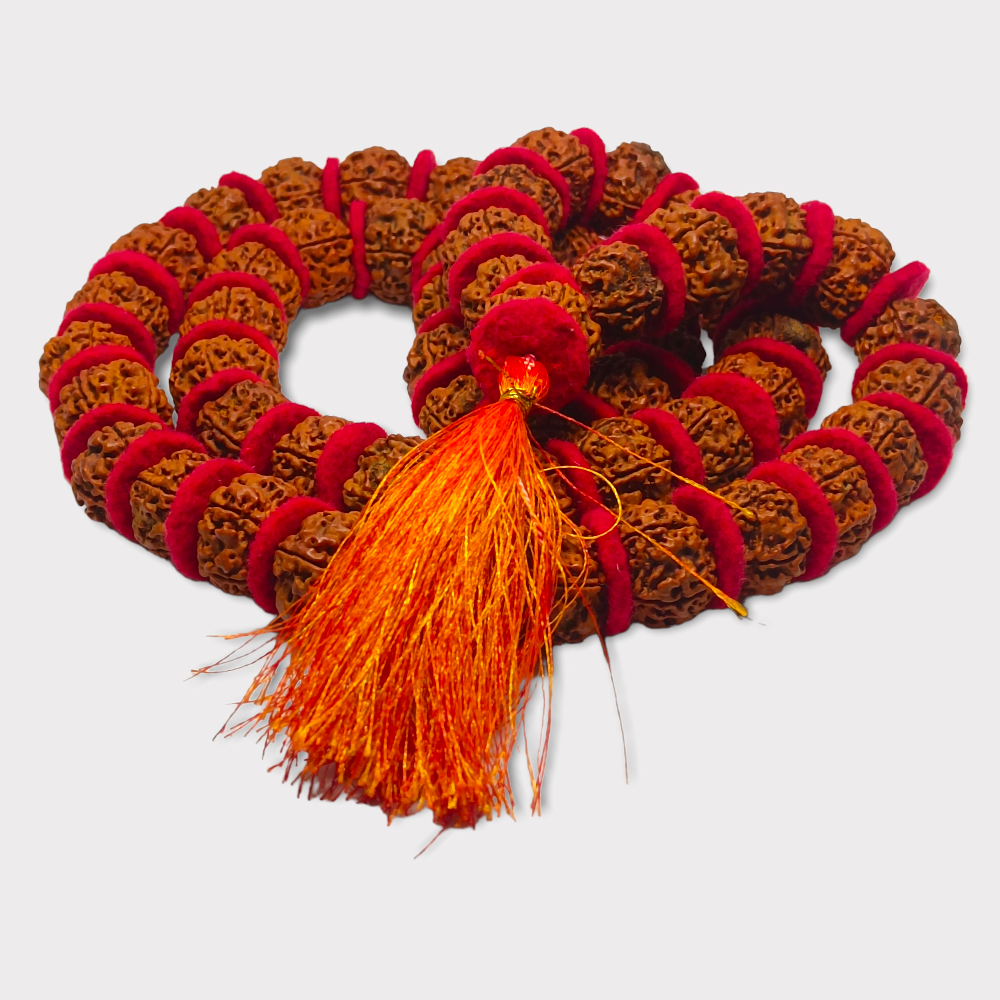
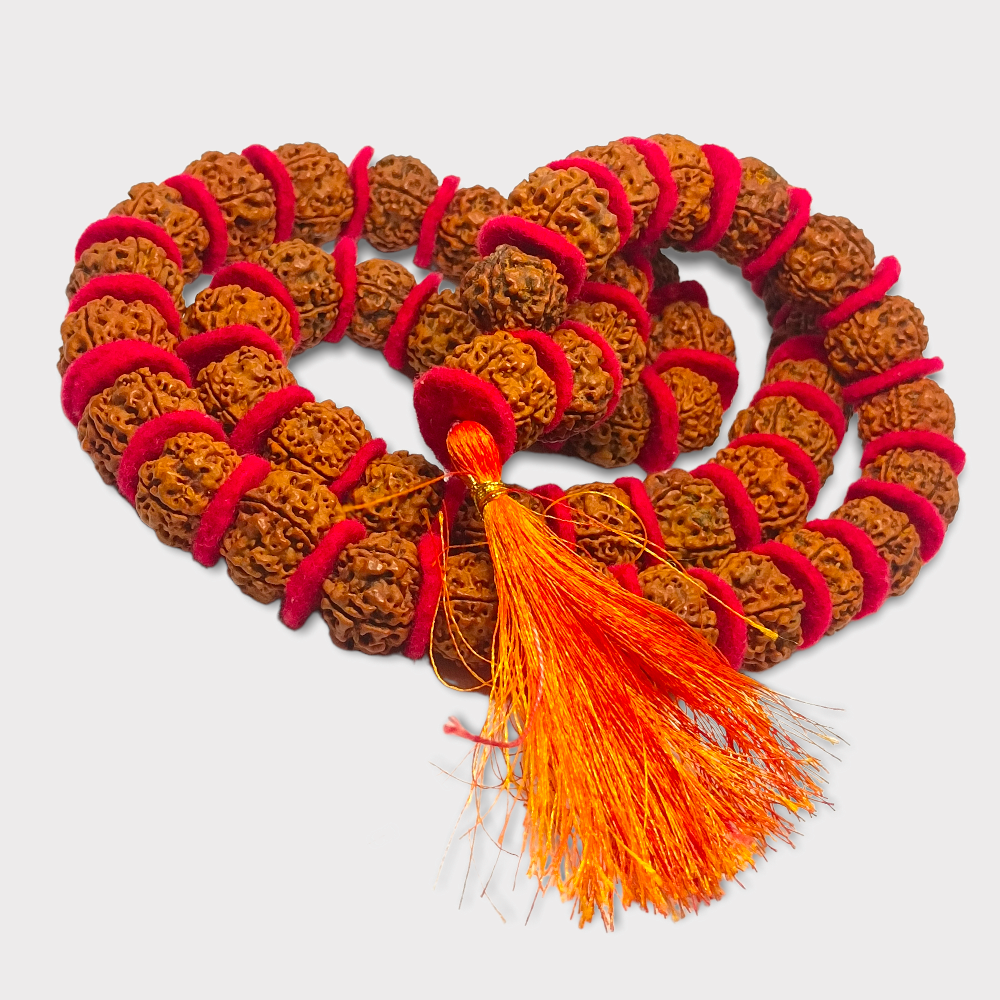
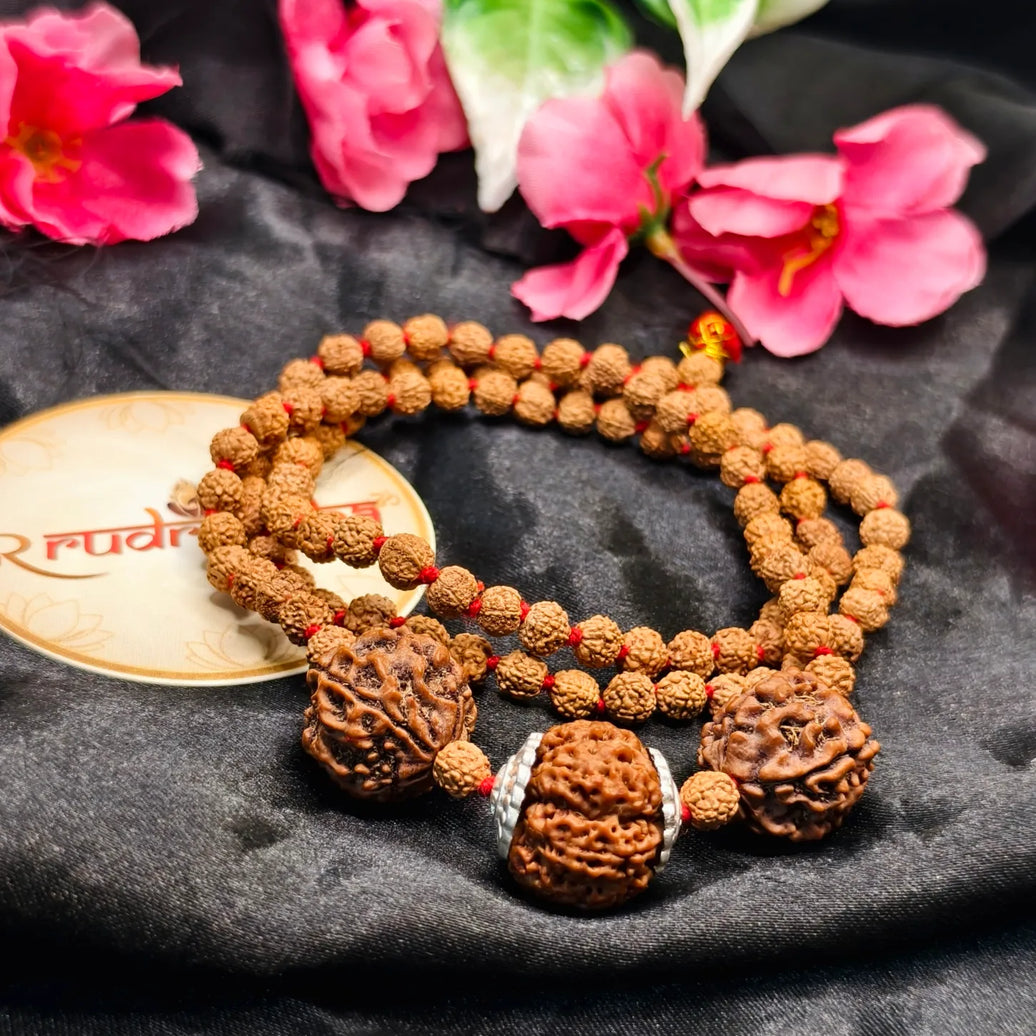
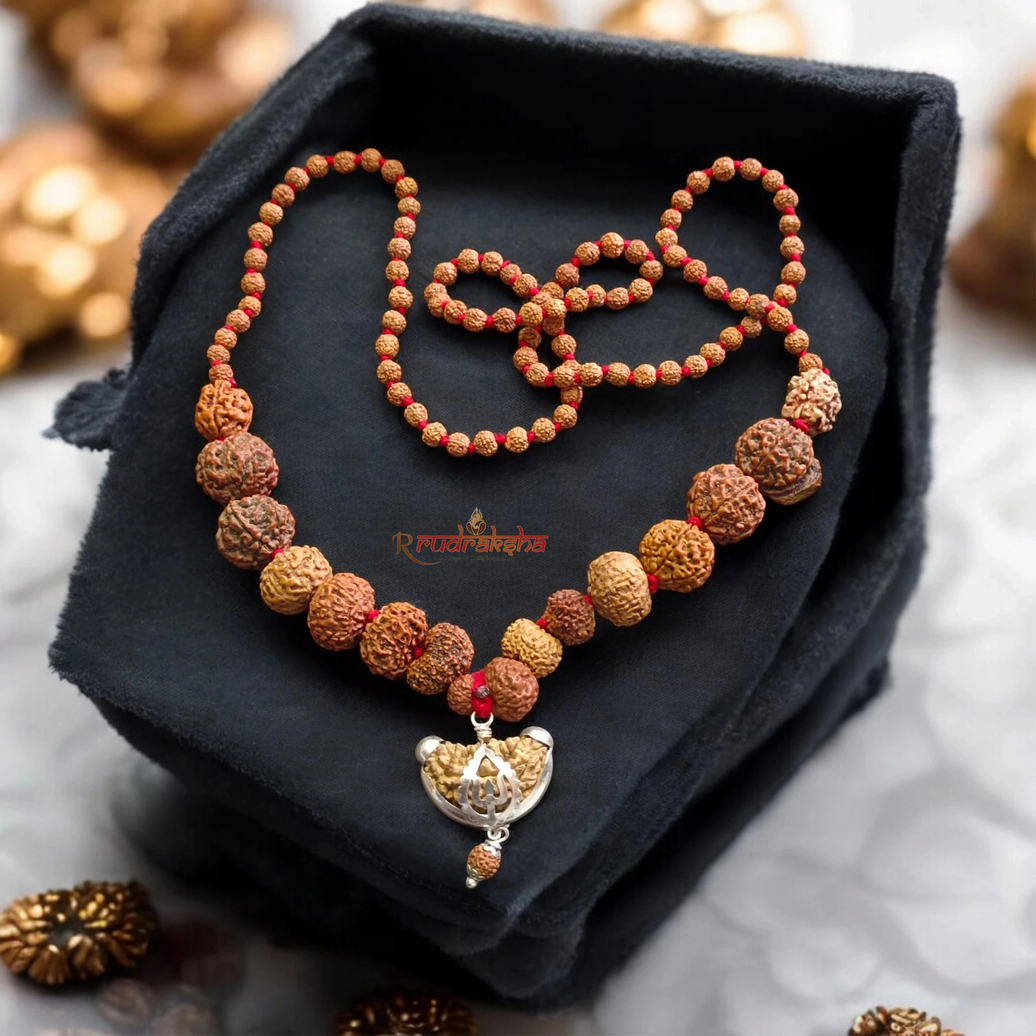
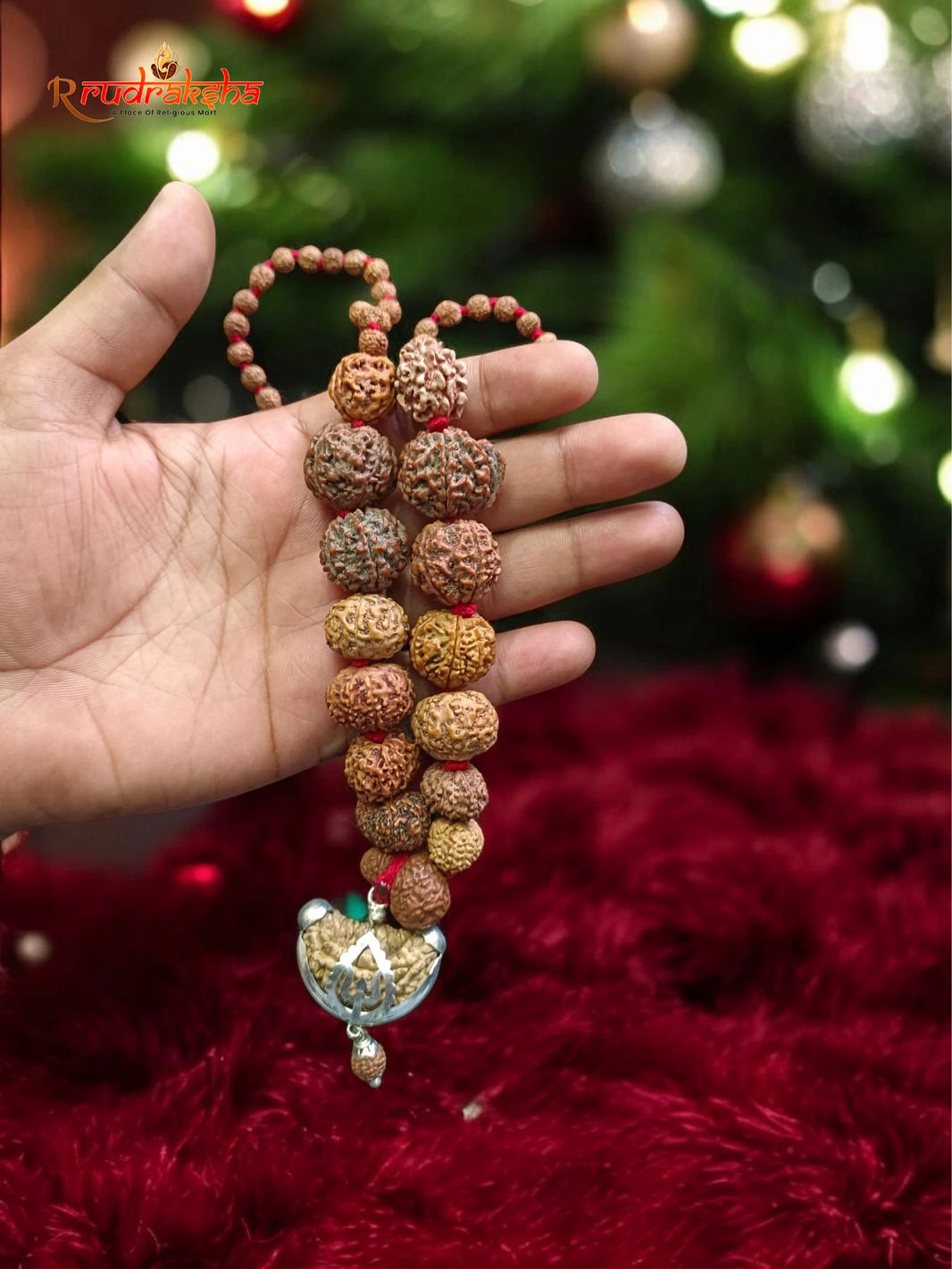
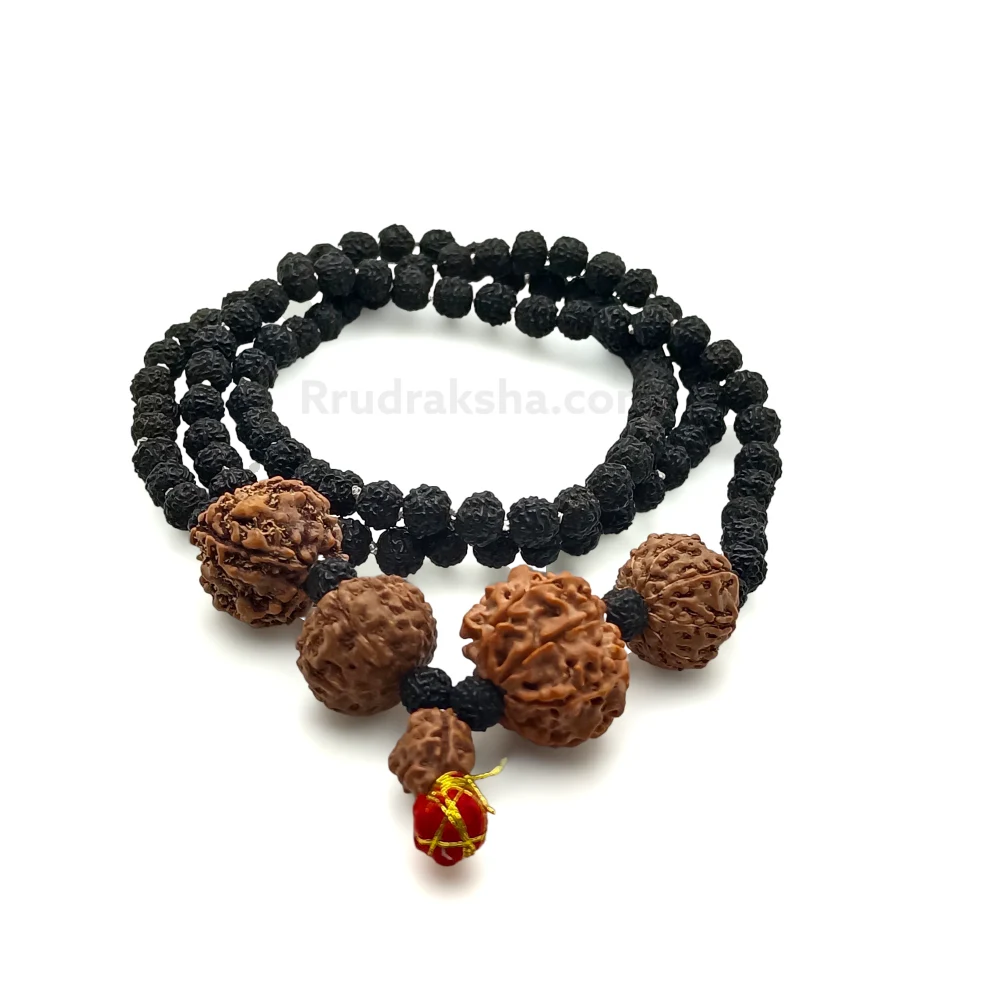
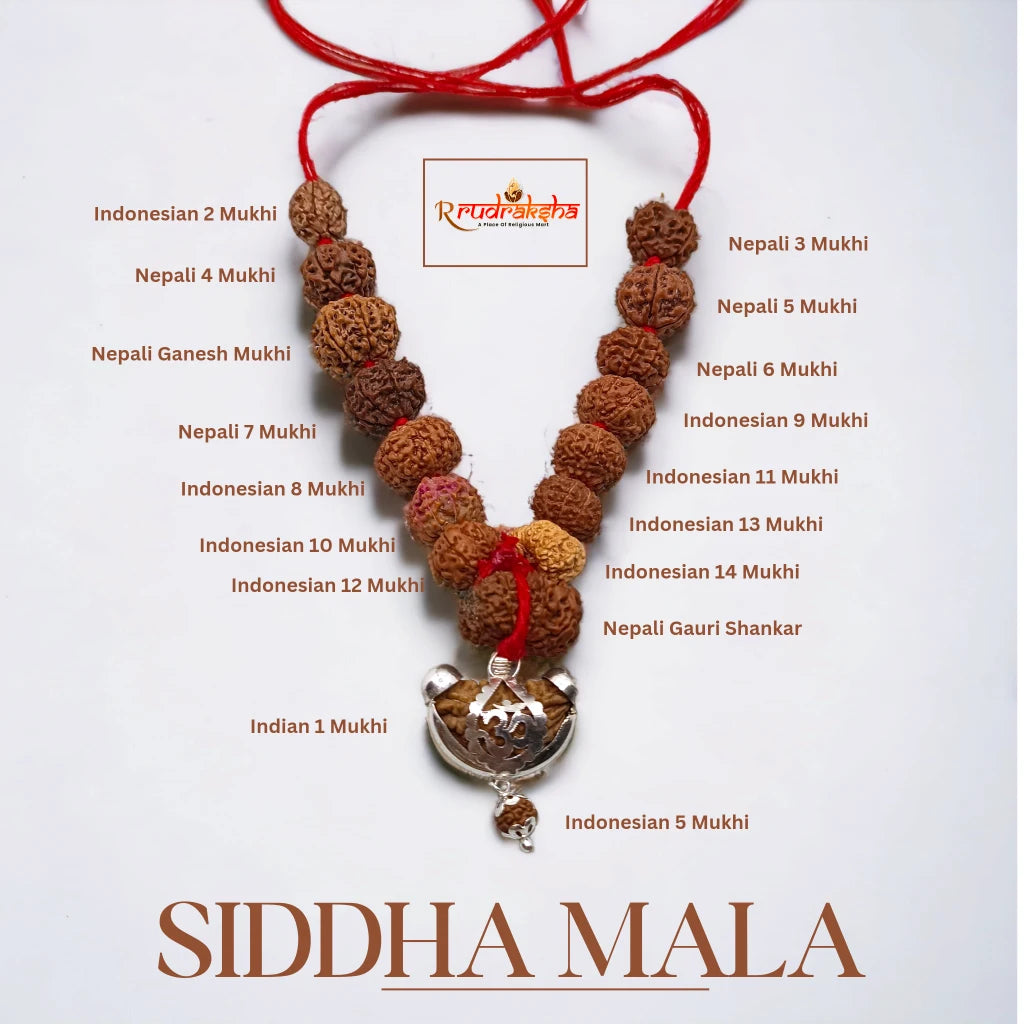
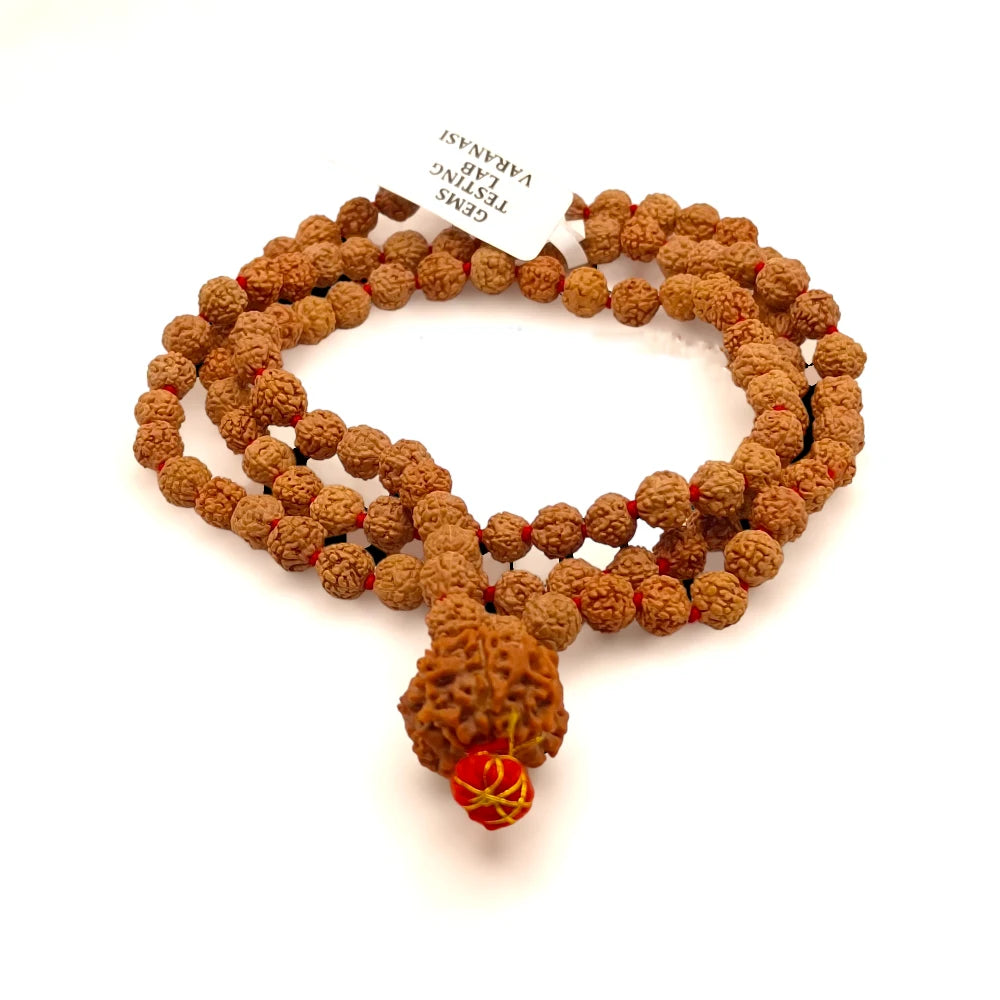
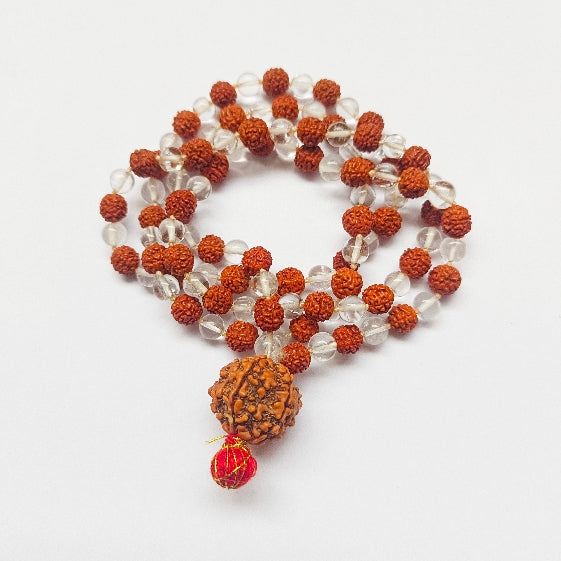
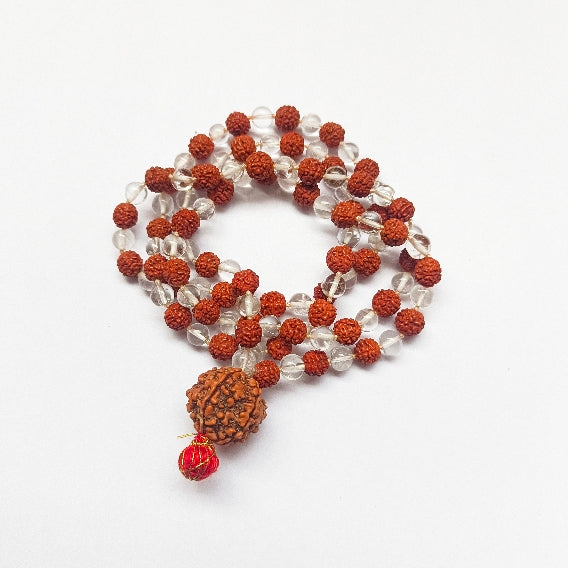
To build confidence and inner strength during uncertain times, the 11 Mukhi Rudraksha is often worn for courage, mental control, and emotional stability. 🔱
Maa Chintpurni as the Divine Mother: Compassion with Power 🌺✨
One of the most beautiful spiritual qualities of Maa Chintpurni worship is balance. The Devi here is remembered as compassionate, but not weak. Loving, but not helpless. Protective, but not harsh.
This balanced identity is what makes Chintpurni devotion emotionally easy for beginners. People do not feel intimidated. They feel welcomed. They feel safe. The Mother’s symbolism creates trust. And trust is one of the most powerful emotional foundations of spiritual life.
In Shakta devotion, when the devotee feels safe, the mind calms down. And when the mind calms down, devotion becomes deeper.
History & Cultural Importance of Maa Chintpurni 🛕🌺
Maa Chintpurni holds deep cultural importance because her worship has been preserved through generations of faith and regional Devi traditions. Over time, Chintpurni devotion became widely known as a symbol of hope and reassurance.
Devotees often remember this Devi not only during festivals, but during personal life challenges. This cultural continuity makes Maa Chintpurni more than a temple name—it becomes a living emotional tradition that people carry in their hearts.
Even today, her worship remains relevant because worries and mental burdens are universal. The Divine Mother’s symbolism continues to comfort and strengthen devotees across all ages.
Bhairav Connection in Maa Chintpurni Tradition 🔱🖤
In many Shakti Peeth traditions, Devi is worshipped with Bhairav as the guardian energy. Bhairav represents protection, discipline, and spiritual seriousness. Devi represents Shakti, transformation, and divine compassion.
In the context of Maa Chintpurni worship, Bhairav symbolism can be understood as the stabilizing force that protects the devotee’s faith. When devotion becomes sincere, discipline supports it. When emotions become intense, boundaries protect them. Bhairav represents that spiritual structure.
Deeper Symbolism of Maa Chintpurni: “Chinta” and the Human Mind 🌺✨
The name Maa Chintpurni becomes even more meaningful when we understand what “chinta” really represents. In daily life, chinta is not just simple worry—it is mental weight. It is the pressure of responsibilities. It is fear of the future. It is emotional restlessness. It is overthinking that refuses to stop.
In Shakta tradition, the mind is considered one of the most powerful forces in human life. A strong mind can build success, relationships, and spiritual stability. But a disturbed mind can make even a comfortable life feel painful. Maa Chintpurni symbolizes the Divine Mother as the one who calms this restless mind—not by ignoring problems, but by giving inner courage to handle them.
This is why her worship feels so personal. The devotee does not only ask for blessings. The devotee asks for peace. And peace is one of the greatest spiritual strengths a person can carry.
What Maa Chintpurni Represents Spiritually (Belief-Based Meaning) 🌺🕉️
Spiritually, Maa Chintpurni represents inner relief, stability, and devotional reassurance. In belief-based understanding, she is worshipped as the Devi who supports the devotee emotionally, helping them rise above fear and confusion.
Many devotees feel connected with Maa Chintpurni because her symbolism feels gentle yet powerful. She does not represent dramatic fear-based energy. She represents the kind of Shakti that comforts the heart while strengthening the soul.
In that sense, Maa Chintpurni worship becomes spiritually mature. The devotee learns that worries may come, but faith can hold the mind steady. The devotee becomes stronger, not because life becomes perfect, but because their inner world becomes calmer.
Maa Chintpurni and the Meaning of “Fulfillment” (Purni) 🌺✨
The second part of the name “Chintpurni” is often understood as “fulfillment.” But spiritual fulfillment is not only about material desires. It is also about emotional satisfaction, mental peace, and inner clarity.
Some people believe fulfillment means getting everything they want. But spiritual wisdom teaches that true fulfillment is the ability to remain stable even when not everything goes according to plan. Maa Chintpurni devotion supports this inner maturity.
This is why many devotees approach Maa Chintpurni not just with requests, but with gratitude. Because sometimes the greatest blessing is not the change of circumstances—it is the strength to face circumstances with calmness.
Maa Chintpurni Worship and Emotional Strength 🌺🧠
Emotional strength is one of the most underrated forms of power. Many people appear strong externally, but internally they feel unstable. They may struggle with stress, anxiety, or constant fear of what will happen next.
Maa Chintpurni worship symbolizes emotional resilience. The Devi becomes a reminder that the devotee is not alone. This emotional support is spiritually significant because loneliness is one of the strongest reasons people become mentally weak.
In belief-based devotion, when a devotee feels “protected,” their emotions naturally become calmer. This helps the person think better, act better, and live with more stability. That is why Maa Chintpurni devotion continues to stay relevant for the modern world.
Maa Chintpurni in Modern Life: Why People Still Connect Today 🌺✨
Today, mental stress is everywhere. Work pressure, family responsibilities, relationship uncertainty, financial fear, and constant comparisons create silent emotional exhaustion. Most people don’t need more motivation—they need more stability.
Maa Chintpurni worship becomes powerful in this context because it provides emotional grounding. It gives the mind a spiritual home. A place to rest. A place to surrender. A place to feel safe.
This is the deep relevance of Maa Chintpurni: she represents the Divine Mother who supports inner peace in a world full of pressure. Her blessings, in belief-based understanding, are often seen as clarity, courage, and relief from mental heaviness.
Scientific & Modern Perspective: Why Devotion Reduces Mental Noise ✅🧠
From a modern perspective, devotional practice often creates psychological balance. When a person prays sincerely, the mind becomes focused. Overthinking reduces. The nervous system relaxes. Emotions settle down because the devotee feels supported by meaning and faith.
Spiritual tradition also provides structure. It gives people a rhythm. It gives them a sense that life has purpose. Even if problems remain, the mind handles them better when faith exists.
This is why worship like Maa Chintpurni devotion feels powerful. Not because it promises instant results, but because it builds inner stability over time. It turns fear into trust. It turns confusion into clarity. It turns mental noise into peace.
Frequently Asked Questions (FAQs) ❓
1) Why is Maa Chintpurni famous?
Maa Chintpurni is famous because she is worshipped as the Divine Mother who helps devotees overcome worries and build inner peace through devotion.
2) Is Maa Chintpurni a Shakti Peeth?
Maa Chintpurni is widely respected as a Shakti worship center in regional devotion. Shakti Peeth lists can vary across different traditions.
3) What does Chintpurni mean?
Chintpurni is commonly understood as “the one who removes worries (chinta) and fulfills sincere devotion (purni).”
4) What does Maa Chintpurni represent spiritually?
Spiritually, Maa Chintpurni represents inner relief, emotional stability, and devotional reassurance (belief-based meaning).
5) What do devotees pray for at Maa Chintpurni?
Devotees commonly pray for mental peace, protection, clarity, emotional strength, and relief from worries (belief-based).
6) Is Maa Chintpurni worship suitable for beginners?
Yes. Beginners can worship Maa Chintpurni through simple prayer and sincere devotion without complicated rituals.
7) Can Maa Chintpurni worship help with overthinking?
In belief-based devotion, worship is seen as supporting mental calmness and clarity, helping devotees handle overthinking with more stability.
8) Is Maa Chintpurni a gentle form of Devi?
Yes, Maa Chintpurni is widely worshipped as a compassionate and reassuring form of the Divine Mother, symbolizing comfort with strength.
9) Does Maa Chintpurni worship give instant results?
No. Worship is a belief-based spiritual practice that supports inner strength and peace over time, not instant guarantees.
10) Why do people feel emotionally connected to Maa Chintpurni?
Because her symbolism is deeply personal—she is worshipped as a motherly Devi who calms the mind and supports devotees through worries.
11) Is Maa Chintpurni connected to Shakta tradition?
Yes. Maa Chintpurni devotion is deeply connected with Devi worship culture and Shakta belief traditions.
12) Can Maa Chintpurni be worshipped at home?
Yes. Devotees can worship through prayer and naam-jap at home respectfully, even without temple rituals.
13) Why is Devi worship important during stress?
Because devotion provides emotional grounding, meaning, and mental structure, helping devotees feel stable during uncertain phases.
14) What is the spiritual lesson of Maa Chintpurni devotion?
The lesson is that peace is power, and devotion strengthens the mind to face life with calmness and courage.
15) What is the main message of Maa Chintpurni Shakti worship?
The main message is that the Divine Mother supports the devotee’s mind—reducing worry and building inner stability through faith.
🔱 Conclusion ✨
Maa Chintpurni is the Shakti of Peace, Strength & Emotional Stability
Maa Chintpurni is worshipped as a deeply compassionate form of the Divine Mother whose symbolism is timeless: relief from worry and growth of inner peace. Rooted in Devi worship traditions and honored through generations of devotion, Maa Chintpurni represents a Shakti that comforts the heart while strengthening the soul.
When approached with sincere faith, Maa Chintpurni devotion becomes a powerful emotional anchor. It does not promise unrealistic instant changes—but it supports mental stability, clarity, and courage. In a world full of stress and mental pressure, Maa Chintpurni remains a sacred reminder that peace is not weakness—it is divine strength.
🙏 हर हर महादेव 🙏





Leave a comment