


🔱 Why Gomukh Is Considered a Sacred Housing
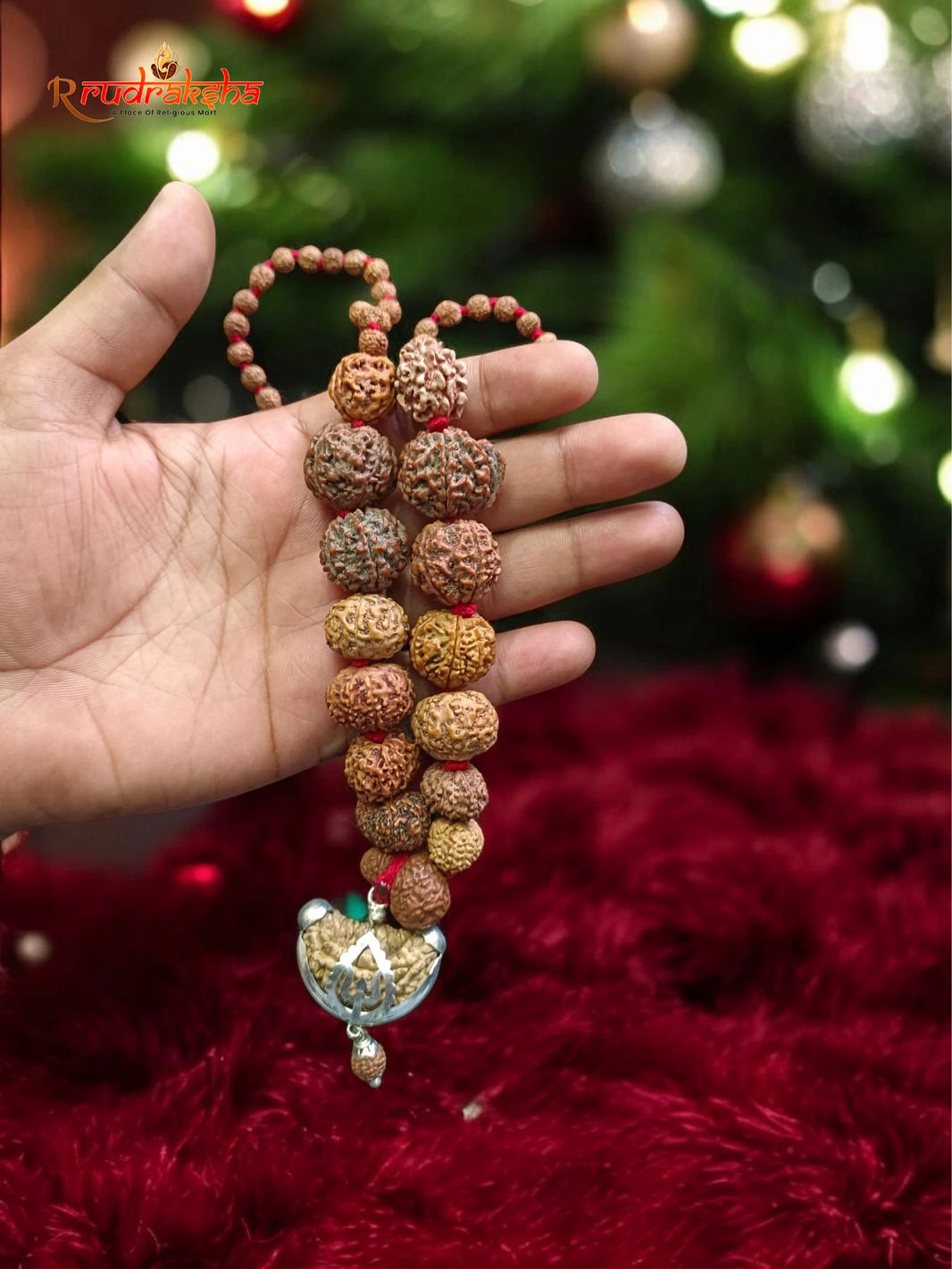
In traditional usage, sacred objects were rarely left fully exposed during long-term use. This was not due to fear or superstition, but due to reverence and understanding of material sensitivity. Rudraksha, being an organic seed, was treated with the same care as ritual tools, scriptures, and sacred vessels. Gomukh became the preferred housing because it balanced two important needs: maintaining a respectful enclosure while allowing the Rudraksha to remain energetically connected to the wearer or practitioner.
The cow symbolism associated with Gomukh is not ornamental. In Sanatan tradition, the cow represents sustenance, steadiness, and preservation of life. Housing Rudraksha within a Gomukh symbolically aligns the bead with protection rather than exposure. Practically, this meant shielding the bead from constant friction, sweat, impact, and environmental stress—factors that ancient practitioners were keenly aware of even without modern material science.
🧠 The Practical Intelligence Behind Gomukh Design
The design of Gomukh is deliberate and intelligent. Unlike full metal encapsulation, Gomukh leaves a controlled opening, ensuring that the Rudraksha is not suffocated or isolated. This opening allows airflow, prevents moisture trapping, and maintains a natural balance between protection and breathability. From a practical standpoint, this design minimizes cracking, internal stress, and surface damage over time.
Ancient design philosophies often prioritized longevity over appearance. Gomukh reflects this mindset clearly. It does not aim to enhance the visual appeal of Rudraksha but to preserve its physical integrity during prolonged use. This is why Gomukh was traditionally favored in situations involving extended chanting, travel, or daily wear where the bead would otherwise be exposed to repeated stress.
🧩 Gomukh vs Decorative Pendants: A Difference in Intent
It is important to distinguish between decorative pendants and Gomukh housings. Decorative pendants are designed primarily for visibility and aesthetic expression. Gomukh, by contrast, is designed for continuity and protection. The intent behind Gomukh is not display but preservation. This difference in intent explains why Gomukh remained prominent in spiritual lineages even when more visually elaborate options were available.
Understanding this distinction helps modern wearers make informed choices. When Gomukh is viewed merely as a stylistic option, its deeper purpose is lost. When understood correctly, it becomes clear that Gomukh is not about hiding Rudraksha but about honoring its organic nature and ensuring its stability over long-term use.
📜 Why Gomukh Was Preferred in Traditional Usage
Historically, Gomukh was not an accessory chosen casually but a conscious decision rooted in usage patterns. In traditional settings, Rudraksha was often used for extended periods during chanting, travel between pilgrimage sites, or daily spiritual discipline that involved movement and physical activity. Open exposure of the bead in such conditions increased the risk of damage, loss, or imbalance due to environmental factors. Gomukh offered a reliable solution by providing a protective housing that did not interfere with continuity of practice.
Ancient practitioners valued consistency over convenience. Gomukh supported this principle by allowing Rudraksha to remain worn or carried without constant adjustment or concern. This reliability made Gomukh especially relevant in situations where the bead was not meant to be frequently removed. Over time, this practical reliability became intertwined with spiritual discipline, reinforcing Gomukh’s role as a supportive tool rather than a decorative choice.
🛡️ Situations Where Gomukh Makes More Sense Than Open Wear
Certain situations naturally favor the use of Gomukh over open pendants or exposed malas. Travel is one such example. Movement through varying climates, crowded spaces, and long hours of wear places stress on any organic object. Gomukh reduces direct contact with sweat, friction from clothing, and accidental impact. This protection is especially valuable for higher-mukhi or rare Rudraksha, where preservation is a priority.
Gomukh is also beneficial for individuals with physically active routines. When daily life involves frequent motion, open pendants may experience repeated collisions or rubbing. Gomukh minimizes this wear by creating a stable enclosure that absorbs minor shocks. This practical advantage explains why Gomukh remained relevant even as newer forms of jewelry emerged.
🔄 Continuity from Traditional Practice to Modern Life
Modern lifestyles differ significantly from ancient contexts, yet the logic behind Gomukh remains applicable. Today’s environment introduces new challenges such as pollution, synthetic fabrics, and prolonged exposure to artificial climates. Gomukh continues to serve as a buffer between Rudraksha and these stressors. Rather than being outdated, the design adapts naturally to contemporary conditions.
The endurance of Gomukh across generations reflects its functional intelligence. It bridges tradition and practicality, allowing modern wearers to benefit from time-tested design without relying on superstition. By understanding Gomukh in this way, wearers can integrate Rudraksha into daily life with confidence and clarity.
❗ Common Misunderstandings About Gomukh
Over time, Gomukh has accumulated several misunderstandings, largely due to incomplete explanations and exaggerated claims. One common misconception is that Gomukh amplifies or suppresses the effects of Rudraksha. Traditionally, Gomukh was never intended to alter the inherent nature of the bead. Its purpose was preservation, not modification. When Gomukh is portrayed as a tool to control or intensify outcomes, it shifts focus away from its original, practical role.
Another misunderstanding is that Gomukh is mandatory for all Rudraksha. This belief often leads to unnecessary purchasing decisions. In reality, Gomukh was used selectively, based on usage context rather than rigid rules. Treating Gomukh as compulsory disregards the flexibility that traditional practices actually embraced. Understanding this nuance allows wearers to choose Gomukh consciously rather than out of fear or obligation.
🚫 What Gomukh Does Not Do
Clarifying what Gomukh does not do is just as important as explaining its purpose. Gomukh does not change the mukhi, origin, or fundamental character of a Rudraksha. It does not replace proper handling, maintenance, or suitability. If a Rudraksha is poorly drilled, immature, or unsuitable for the wearer, Gomukh alone cannot compensate for those factors.
Gomukh also does not isolate the Rudraksha energetically. The controlled opening in the design ensures continuity rather than separation. This detail is often overlooked but is central to why Gomukh was favored over fully sealed enclosures. The intent was protection without disconnection.
🧭 How to Decide If Gomukh Is Actually Needed
Deciding whether Gomukh is necessary begins with assessing how Rudraksha will be used. If the bead is worn occasionally, in controlled environments, or primarily for short durations, open wear may be sufficient. However, if the Rudraksha is part of a long-term daily practice, frequent travel, or physically active routine, Gomukh becomes a practical choice rather than a symbolic one.
Personal comfort and lifestyle should guide this decision more than external advice. Gomukh is most effective when it supports consistency and reduces maintenance concerns. When chosen with clarity, it becomes a supportive tool rather than an imposed requirement. This approach aligns closely with traditional wisdom, which emphasized thoughtful adaptation over rigid prescription.
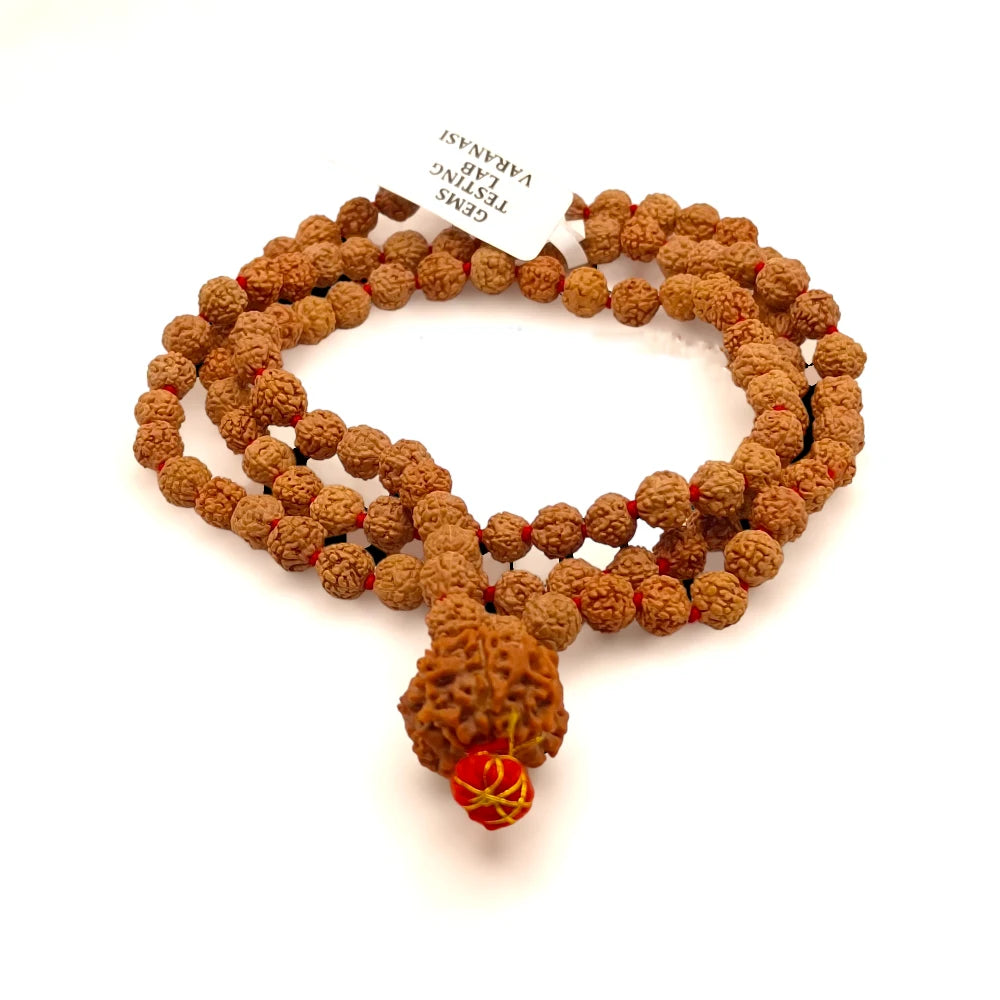
We at rrudraksha.com provide not only genuine Rudraksha With Lab Certificate, But also ensures best premium quality in best reasonable prices
❓ Frequently Asked Questions (FAQs)
Is Gomukh necessary for every Rudraksha?
No. Gomukh was traditionally used based on context, not as a compulsory rule. It is most useful when Rudraksha is worn for long durations, during travel, or in physically active lifestyles. For occasional or controlled use, open wear can be equally suitable.
Does Gomukh change or block the effect of Rudraksha?
No. Gomukh does not alter, amplify, or suppress the inherent nature of Rudraksha. Its role is protective and preservative, not functional in terms of changing outcomes or experiences.
Why is Gomukh traditionally associated with higher-mukhi Rudraksha?
Higher-mukhi and rare Rudraksha were often preserved with greater care due to their scarcity and long-term usage. Gomukh provided physical protection and stability, which made it a practical choice rather than a symbolic requirement.
Can Gomukh replace proper care and handling of Rudraksha?
No. Gomukh supports preservation but does not eliminate the need for mindful handling, appropriate storage, and suitability-based selection. Poor drilling or improper handling cannot be corrected by Gomukh alone.
Is Gomukh meant only for spiritual practitioners?
Not exclusively. While Gomukh has strong roots in traditional practice, its design remains relevant for modern wearers who want durability, reduced maintenance, and long-term stability in daily life.
🧭 Final Conclusion 🌟
Gomukh as Preservation, Not Prescription
Gomukh is best understood not as a mystical requirement but as an intelligent solution developed through centuries of observation and use. Its design reflects a deep respect for the organic nature of Rudraksha and an awareness of the physical challenges that long-term wear can introduce. By enclosing the bead without isolating it, Gomukh strikes a balance between protection and continuity.
When approached with clarity, Gomukh becomes a conscious choice rather than an imposed rule. It supports consistency, reduces physical stress on the bead, and aligns naturally with both traditional discipline and modern lifestyles. Understanding Gomukh in this way restores its original purpose—preservation through wisdom, not obligation.
🙏 हर हर महादेव 🙏





Leave a comment