




















Mahashivratri 2026: Meaning, Puja Vidhi, Fasting Rules, Shiva Mantras, Benefits & Complete Guide (Responsible) 🔱
Mahashivratri is one of the most powerful and spiritually intense festivals in India, dedicated to Lord Shiva—the deity of transformation, inner stillness, discipline, and truth. Unlike many festivals that feel outwardly celebratory, Mahashivratri feels deeply inward. It is a night of silence, devotion, and spiritual focus where millions of people stay awake, chant Shiva’s name, perform puja, observe fasting, and seek strength to rise above negativity and mental confusion. 🌙🕉️
Every year, people search for Mahashivratri meaning, Mahashivratri puja vidhi, Mahashivratri fasting rules, and what to do on Mahashivratri because this day is not only a religious ritual—it is a spiritual reset. Even those who are not regular temple visitors often feel naturally drawn towards Shiva worship on this night because it represents something universally human: the desire to become calmer, stronger, and clearer.
This guide is designed to be beginner-friendly yet deep enough for advanced devotees. It explains rituals, beliefs, fasting rules, mantra practice, and practical tips in a responsible and respectful way, avoiding exaggerated claims. ✅
What Is Mahashivratri? (Meaning & Spiritual Importance) 🌙
Mahashivratri literally means “The Great Night of Shiva.” It is observed on the Chaturdashi (14th night) of the Krishna Paksha (waning moon phase) in the Hindu month of Phalguna (or Magha in some regional traditions). Spiritually, this night is seen as special because it represents deep inner stillness and heightened devotion.
In Shiva philosophy, the night is not just darkness—it is silence. It is the space where the mind can settle, where ego can soften, and where a person can reconnect with something deeper than daily distractions. That is why Mahashivratri is celebrated primarily through jagran (staying awake), mantra chanting, meditation, and disciplined worship rather than only through external celebrations.
This festival is widely observed in temples and homes through Shiva Lingam puja, offering water and sacred items, chanting “Om Namah Shivaya,” and keeping the mind focused. Mahashivratri is not about fear-based worship. It is about transformation through devotion and discipline. ✅
Why Is Mahashivratri Celebrated? (Stories, Beliefs & Cultural Significance) 🕉️
Mahashivratri is celebrated for several belief-based spiritual reasons. Some traditions associate it with Shiva’s cosmic role as the transformer and protector. Others connect it to Shiva and Parvati’s divine union, symbolizing balance between consciousness (Shiva) and energy (Shakti). Some devotees also view Mahashivratri as a night where the mind can rise above distractions more easily through sincere worship and discipline.
However, beyond mythology, Mahashivratri holds deep cultural significance because it teaches spiritual maturity. It encourages self-control, purity of intention, and dedication to inner growth. Fasting and jagran are not meant to punish the body—they are meant to train the mind. The discipline of Mahashivratri is a symbolic reminder that true strength comes from mastering impulses, not from chasing quick comfort.
That is why Mahashivratri is widely celebrated by students, professionals, seekers, and devotees from every background. It is one of those festivals that feels relevant to life itself, not only to religion. ✅
Want a practical spiritual support for studies, career growth, and stress control? Read: Rudraksha for Students & Professionals.
Spiritual Meaning of Mahashivratri: What This Night Teaches Us 🔱
Mahashivratri carries a strong spiritual message: transformation begins when the mind becomes still. Lord Shiva is often worshipped as the embodiment of silence and awareness, and Mahashivratri is the day when devotees try to align their inner world with that Shiva-state—calm, steady, and fearless.
In daily life, the mind is pulled in too many directions—stress, overthinking, anger, distraction, and emotional heaviness. Mahashivratri gives a structured opportunity to pause and reset. Through fasting, chanting, worship, and staying awake, the devotee practices one thing that modern life rarely teaches: discipline. Discipline is the foundation of clarity, and clarity is the foundation of peace.
This is why Mahashivratri is often described as a “night of awakening.” Not necessarily a dramatic awakening, but a quiet awakening where the person becomes more mindful, more grounded, and more spiritually aligned. ✅
Mahashivratri Puja Vidhi (Step-by-Step Shivling Puja at Home) 🪔
One of the most searched questions is: “How to do Mahashivratri puja at home?” The best answer is simple—Shiva worship does not require complexity. Shiva is known as Bholenath, meaning the one who responds to sincere devotion. Your intention matters more than expensive materials.
Begin by cleaning your puja space and taking a bath. Wear clean clothes and keep your environment calm. Place a Shivling or Shiva’s image on a clean surface. Light a diya and sit for a moment in silence to settle your mind.
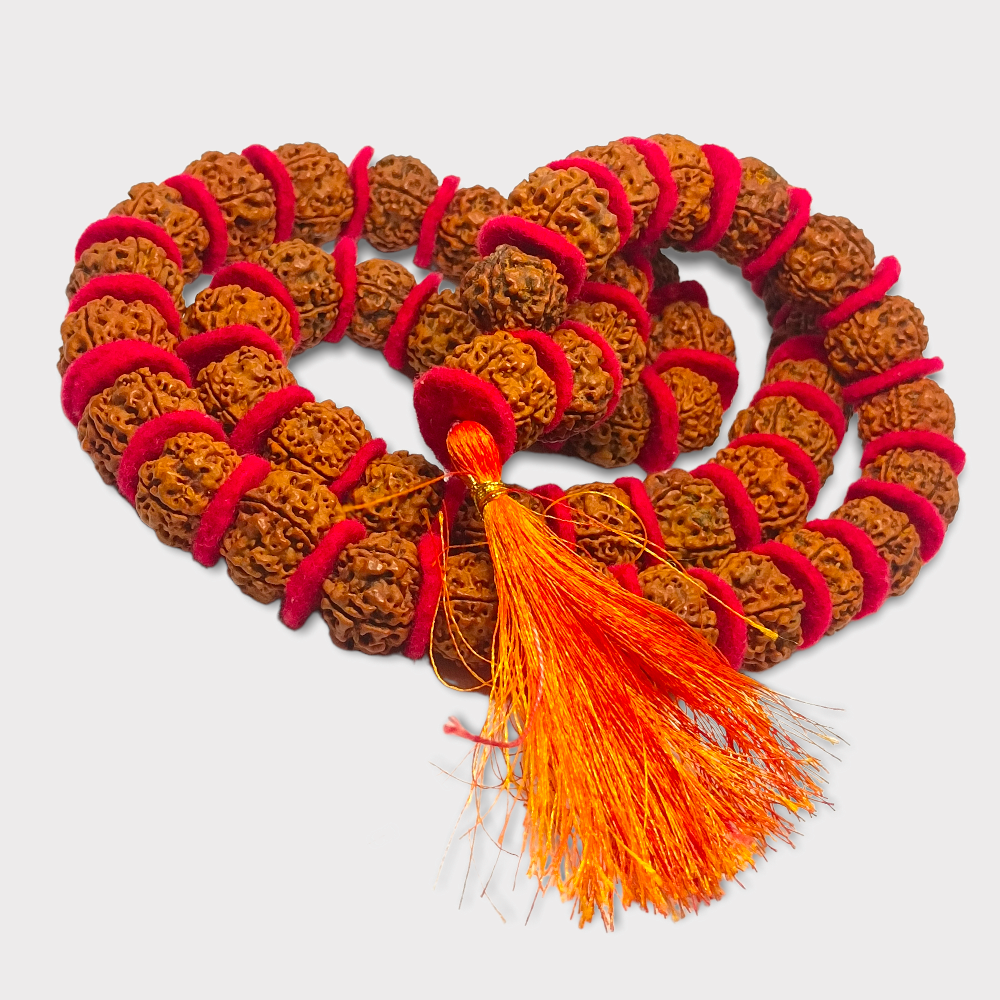
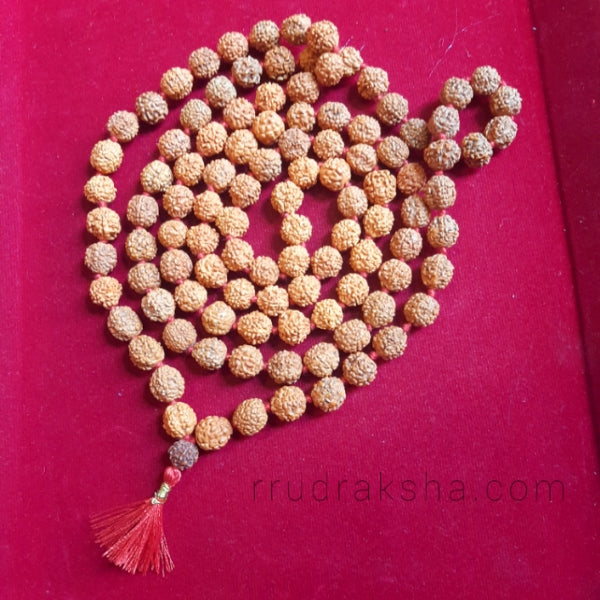
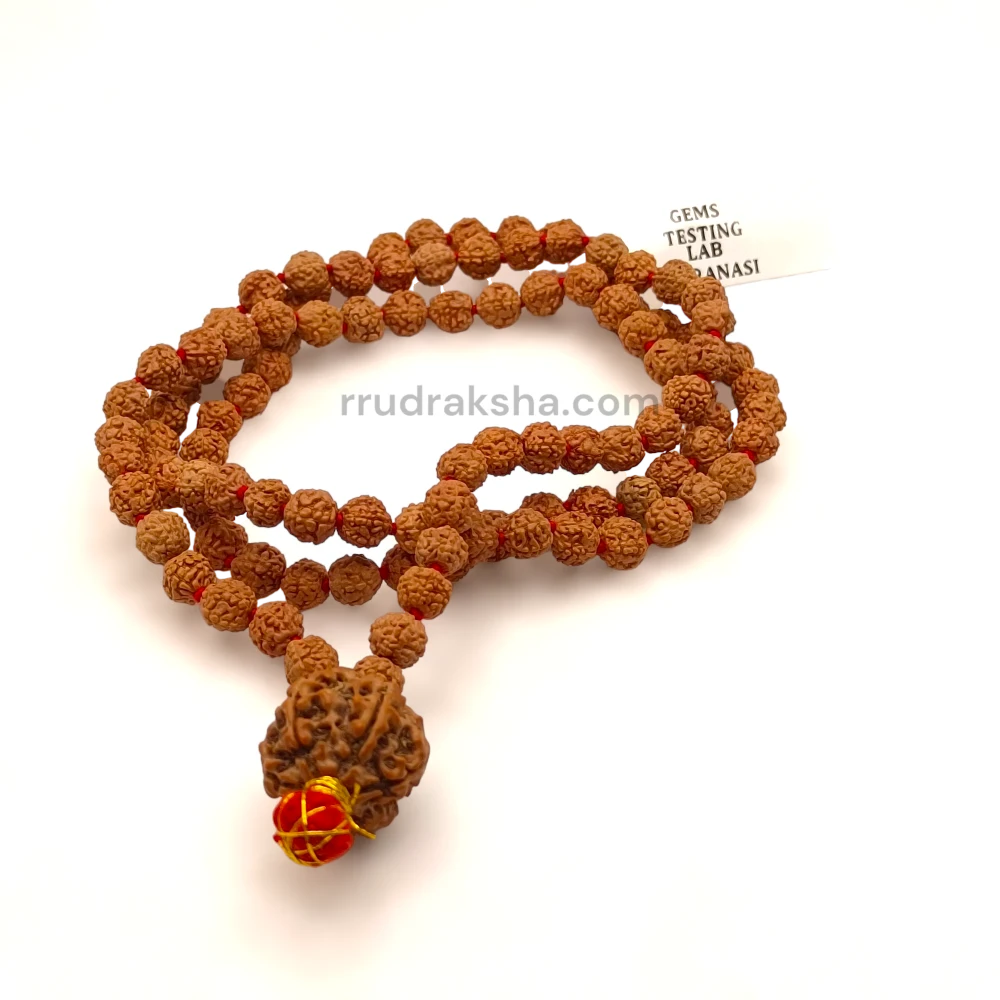
Then offer water to the Shivling (jal abhishek) with devotion. Many devotees also offer milk, curd, honey, and ghee in traditional sequence, but if you cannot do all of that, do not feel pressured. Even plain water offered with sincerity is meaningful. After that, offer bilva leaves (if available), flowers, and incense. Chant “Om Namah Shivaya” and pray for inner strength, clarity, and spiritual discipline. A powerful way to end the puja is to sit silently for one minute after chanting with a Jaap Mala Mahashivratri is as much about silence as it is about prayer.🕯️
Best Offerings for Shivling on Mahashivratri 🌸
Devotees often ask what should be offered to Shiva on Mahashivratri. Traditionally, offerings are symbolic, not transactional. You are not “giving” Shiva something to get rewards. You are expressing devotion through purity and discipline.
Bilva leaves are considered especially sacred in Shiva worship. Water abhishek is also the most common and widely accepted offering. Many devotees offer fruits and prasad, and later distribute it with gratitude. Incense and diya are offered to create an atmosphere of devotion and focus.
Always remember: the most important offering is a calm mind. Anger, arrogance, and negative speech weaken the spiritual mood of this night. Mahashivratri becomes powerful when devotion feels clean, humble, and disciplined. ✅
Mahashivratri Fasting Rules (Beginner-Friendly & Responsible) 🥛🌙
Mahashivratri fasting is widely practiced, but it should be followed responsibly. Fasting is not meant to harm your body or create extreme weakness. It is a spiritual discipline meant to reduce distractions and strengthen inner focus.
Many devotees keep a complete fast (nirjala or only water), while others keep a lighter fast with fruits, milk, and simple vrat-friendly foods. There is no single “perfect” method. The best fast is the one you can maintain with sincerity and stability. If you are unable to fast fully due to health conditions or work, you can still observe Mahashivratri by keeping your diet simple, avoiding heavy foods, and maintaining a devotional mindset.
The purpose of fasting is to stay aware. When the body eats less, the mind often becomes more alert. But this must be balanced with self-care. Shiva worship is not about suffering; it is about transformation with wisdom. ✅
What to Eat During Mahashivratri Vrat (Simple & Practical) 🍌🥛
People often search “What can we eat in Mahashivratri fast?” Vrat-friendly food is usually light, clean, and easy to digest. Many devotees consume fruits, milk, curd, nuts, and simple meals prepared without grains, depending on their tradition. Some people prefer one meal only, while others consume small portions throughout the day.
From a spiritual view, the food is not the main focus—the discipline is. Eating simple food helps keep the mind calm and reduces heaviness. This supports worship, mantra chanting, and staying awake at night. If your body feels weak, choose a lighter fasting method rather than forcing extremes. The best Mahashivratri fast is one that keeps your body stable and your mind devotional.
Jagran on Mahashivratri: Why Staying Awake Matters 🌙🕯️
Staying awake on Mahashivratri is a key spiritual practice. It symbolizes alertness and inner awakening. When most of the world is asleep, the devotee chooses awareness. This practice is not about fighting sleep only. It is about training the mind to remain focused and steady.
Many devotees spend the night chanting Shiva’s name, reading spiritual texts, listening to bhajans, or meditating. Even if you cannot stay awake the whole night, you can stay awake longer than usual and use that time for meaningful practices like mantra chanting or quiet reflection.
Mahashivratri jagran becomes spiritually powerful when it is done with calmness, not with stress. It is better to stay awake mindfully for a few hours than to stay awake angrily or restlessly. ✅
Best Shiva Mantras for Mahashivratri (For Beginners & Advanced Devotees) 🕉️
Mahashivratri is one of the best nights for mantra chanting because the environment naturally supports devotion. The simplest mantra is “Om Namah Shivaya”. It is safe, powerful, and beginner-friendly.
Advanced devotees may also chant longer Shiva mantras like Mahamrityunjay Mantra or do structured japa with a mala. But the most important principle is consistency and attention. A mantra gives results only when the mind becomes steady. That steadiness itself is the real spiritual benefit of Mahashivratri.
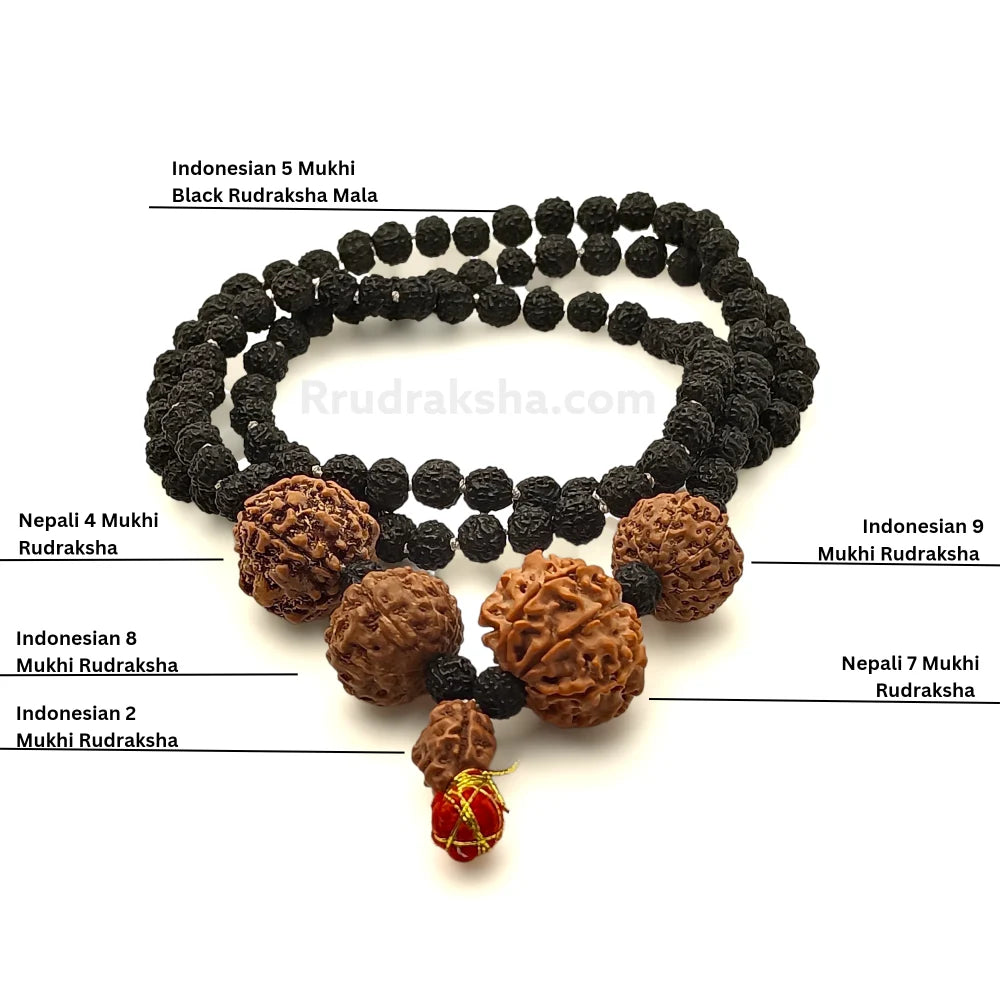
If you are using a Rudraksha mala for japa, keep it clean and treat it with respect. The mala is not a decoration; it is a discipline tool for your spiritual routine. ✅
Mahashivratri Benefits (Belief-Based & Responsible) ✨🔱
Mahashivratri is often called a “spiritual reset” because it combines devotion, discipline, and inner silence into one complete practice. Devotees traditionally believe that worshipping Shiva on this night strengthens the mind, improves inner clarity, and helps a person break negative patterns. However, these benefits are best understood in a responsible way—Mahashivratri does not promise instant miracles, but it can create a powerful shift in mindset when approached with sincerity.
One belief-based benefit of Mahashivratri is inner stability. When a person fasts, chants mantras, and stays awake mindfully, it trains self-control. Self-control brings mental steadiness, and mental steadiness supports better decisions in daily life. In this sense, Mahashivratri is not a one-night ritual—it is a reminder of how disciplined devotion can reshape the human mind over time.
Many devotees also experience emotional relief after Mahashivratri worship. This is often because the night encourages surrender. When you sit in front of Shiva’s symbol and let go of worries for a while, your heart feels lighter. Spiritually, devotees see it as grace. Psychologically, it can be understood as emotional release through meaning, belief, and focused prayer. ✅
Mental, Emotional & Spiritual Benefits of Mahashivratri 🌙🕯️
On a mental level, Mahashivratri is believed to support focus and clarity. The repetition of “Om Namah Shivaya” works like a mental anchor. When the mind keeps returning to one sound, it becomes less scattered. Many people experience this as calmness. Others experience it as renewed motivation. Either way, the practice helps reduce mental noise and brings the mind into a more centered state.
Emotionally, Mahashivratri can help devotees feel strong and protected. Shiva is worshipped as the force that absorbs negativity and transforms darkness into wisdom. For many devotees, this symbolism becomes emotionally powerful. It creates courage, especially when life feels uncertain. The night becomes a reminder that human problems can be faced with faith, patience, and inner discipline.
Spiritually, Mahashivratri represents the journey from ego to surrender. Staying awake during the night symbolizes awareness. Fasting symbolizes discipline. Puja symbolizes devotion. Together, they create one message: when you are willing to transform yourself, Shiva’s presence becomes deeply meaningful within you. ✅
Who Should Observe Mahashivratri Fast (And Who Should Avoid Strict Fasting) 🥛✅
Mahashivratri fasting is widely practiced, but it should always be approached with wisdom. If you are healthy and able to fast comfortably, fasting can be a meaningful discipline. But if you have medical conditions, extreme weakness, or specific dietary needs, strict fasting may not be suitable. In such cases, it is better to observe Mahashivratri through simple food, devotion, and mantra chanting instead of forcing extreme practices.
A key principle of Shiva worship is balance. Shiva represents stability, and stability cannot be built through reckless actions. If fasting creates severe weakness, irritability, or dizziness, it can reduce the quality of your worship. A lighter vrat with fruits, milk, and simple meals is still valid and spiritually meaningful.
Remember, Mahashivratri is about devotion and discipline, not suffering. Your best worship is the one that keeps your body stable and your mind peaceful. ✅
Mahashivratri Puja at Home vs Temple: What Is Better? 🛕🏠
Many devotees wonder whether it is better to do Mahashivratri puja at home or in a temple. The truth is both are meaningful, depending on your situation. A temple environment feels powerful because collective devotion creates strong spiritual energy. Listening to chants, seeing the Shivling abhishek, and staying in the temple during jagran can feel deeply moving.
At the same time, home puja has its own beauty because it is personal and peaceful. You can pray without distractions, focus on your intention, and keep the atmosphere calm. For many people, home worship is more practical and emotionally comfortable, especially when family members participate together.
What matters more than location is sincerity. Shiva worship is not measured by where you pray. It is measured by how honestly you pray. ✅
How Many Times to Do Abhishek on Mahashivratri? 🔱💧
Some devotees perform multiple abhisheks on Mahashivratri, often aligned with the tradition of worship during different night phases. Others do one complete abhishek with deep devotion. Both are acceptable. The purpose of abhishek is not to achieve a numeric target. It is to express devotion through a sacred offering.
If you are worshipping at home and time is limited, one abhishek done calmly and respectfully is enough. If you have more time, you may repeat water offering along with mantra chanting. Always remember: Shiva worship becomes deeper when it is done with awareness, not hurry.
It is better to do one abhishek mindfully than to do many abhisheks mechanically. ✅
Common Mistakes to Avoid on Mahashivratri ❌
Mahashivratri becomes meaningful when the focus stays on devotion and discipline. A common mistake is treating fasting as the “main goal” while ignoring the spiritual purpose. If fasting makes you angry or restless, it defeats the purpose. In that situation, a lighter fast is better.
Another mistake is spending the night awake in a distracted way—scrolling on the phone, gossiping, or staying awake without meaningful spiritual practice. Jagran is powerful when it is mindful. Even quiet chanting for a few hours is better than staying awake without inner focus.
Also avoid harsh speech, unnecessary arguments, and negative emotions on this day. Shiva worship is deeply connected to mental purification. Your words, actions, and thoughts matter as much as your ritual offerings. ✅
Mahashivratri for Students, Professionals & Spiritual Seekers 🎓💼🕉️
Mahashivratri is deeply beneficial for students because it teaches focus and discipline. A student who chants Shiva’s name and reduces distractions on this day learns an important skill: concentration. Even if a student does not fast fully, simply choosing a calm routine and doing a short prayer can create a strong mental reset.
For professionals, Mahashivratri is a reminder that strength comes from inner control. Work pressure, stress, and responsibilities often make the mind scattered. Mahashivratri gives you an opportunity to slow down, reflect, and come back to clarity. A few hours of silence and devotion can make you emotionally stronger for the entire week.
For spiritual seekers, Mahashivratri is one of the most powerful nights for mantra sadhana and self-reflection. It encourages inner silence, which is often the doorway to deeper spiritual awareness. The night becomes a training ground for steadiness and surrender. ✅
Can You Wear Rudraksha on Mahashivratri? 📿
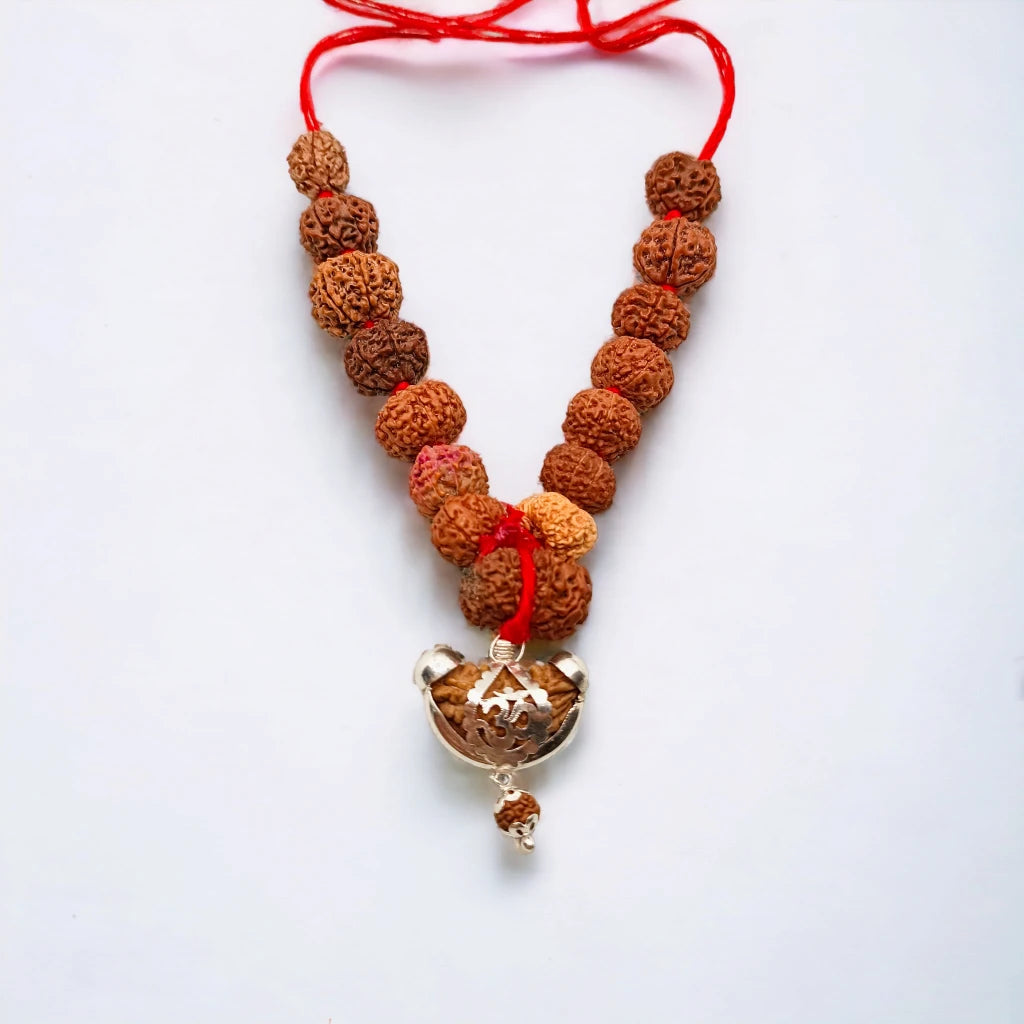
Many devotees ask whether Mahashivratri is a good day to wear Rudraksha or start japa practice. Mahashivratri is strongly connected with Shiva worship, and Rudraksha is traditionally associated with Shiva-consciousness and discipline. That is why many devotees consider it spiritually meaningful to begin a japa routine or start wearing Rudraksha on this day.
However, it is important to keep expectations realistic. Rudraksha beads are not magic. It is a sacred spiritual tool that supports discipline and devotion when combined with sincere practice. If you begin wearing Rudraksha on Mahashivratri, the best way to honor it is by also beginning a simple daily mantra routine with consistency.
Scientific & Modern Perspective: Why Mahashivratri Feels Transformative 🧠🌙
From a modern perspective, Mahashivratri can feel transformative because it combines three psychologically powerful tools: meaning, discipline, and focus. When a person chooses a sacred night for devotion, it creates a strong emotional intention. Intention shapes attention. And attention shapes experience.
Fasting, when done responsibly, reduces heaviness and brings more alertness. Staying awake mindfully breaks routine and creates a sense of “reset.” Mantra chanting creates rhythm in the mind, which supports calmness and emotional regulation. Together, these practices help a person feel lighter and more grounded after the festival.
This does not mean Mahashivratri is a medical solution. But it can be a meaningful spiritual discipline that supports emotional clarity and inner strength for many devotees. ✅
Frequently Asked Questions (FAQs) ❓
1) What is the meaning of Mahashivratri?
Mahashivratri means “The Great Night of Shiva,” a sacred night dedicated to devotion, discipline, and inner awakening through Shiva worship.
2) Why is Mahashivratri celebrated?
Mahashivratri is celebrated to honor Lord Shiva and to practice spiritual discipline through fasting, puja, mantra chanting, and staying awake mindfully.
3) What to do on Mahashivratri at home?
You can do Shivling puja, offer water, chant “Om Namah Shivaya,” keep a simple fast, and spend time in prayer and calmness.
4) What is the correct Mahashivratri puja vidhi?
A simple puja includes cleaning the space, lighting a diya, offering water to Shivling, bilva leaves, chanting mantras, and praying sincerely.
5) Can we eat salt during Mahashivratri fast?
Fasting rules vary by tradition. Some devotees avoid salt, while others take vrat-friendly food with salt in moderation based on comfort and custom.
6) What can we eat in Mahashivratri vrat?
Many devotees eat fruits, milk, curd, nuts, and light vrat-friendly meals. The goal is simplicity and discipline, not heaviness.
7) Is fasting compulsory on Mahashivratri?
No. Fasting is optional. Devotion, prayer, and disciplined worship can be observed even without strict fasting.
8) Why do people stay awake on Mahashivratri?
Staying awake symbolizes spiritual alertness and inner awakening, allowing devotees to spend the night in Shiva worship and discipline.
9) Which mantra is best for Mahashivratri?
“Om Namah Shivaya” is the most beginner-friendly and widely chanted Shiva mantra on Mahashivratri.
10) How many times should we chant Om Namah Shivaya on Mahashivratri?
You may chant as much as possible with focus. Even a short, sincere chanting session is meaningful when done mindfully.
11) Can we do Mahashivratri puja without Shivling?
Yes. You can worship Shiva with an image, a symbol, or simply through prayer and mantra chanting with devotion.
12) Is Mahashivratri good for starting spiritual practice?
Yes, many devotees consider it a meaningful day to begin a mantra routine, meditation habit, or disciplined spiritual lifestyle.
13) Can we wear Rudraksha on Mahashivratri?
Yes. Many devotees begin wearing Rudraksha and start japa practice on Mahashivratri with sincere intention and discipline.
14) What should we avoid on Mahashivratri?
Avoid anger, negativity, harsh speech, heavy food, and distractions that disturb the devotional focus of the sacred night.
15) What should I read next after this blog?
You may read detailed guides on Rudraksha mala for japa, Shiva mantras, and Jyotirlinga pilgrimage blogs for deeper devotion.
🧭 Conclusion 🔱
Mahashivratri Is a Night of Discipline, Devotion & Inner Strength
Mahashivratri is one of the most powerful festivals for anyone seeking clarity, calmness, and spiritual maturity. It is a sacred night where the devotee practices discipline through fasting, deepens devotion through worship, and strengthens awareness through mantra chanting and mindful jagran. Its true purpose is not external celebration but inner transformation.
Celebrate Mahashivratri with simplicity and sincerity. Keep your puja clean and calm. Fast responsibly based on your comfort. Chant Shiva’s name with attention. And allow the night to teach you something timeless: when the mind becomes still, strength rises within you. 🕉️
🙏 हर हर महादेव 🙏





Leave a comment